Industrial Heat Treatment Process Applications
Define the material, thermal cycle, load, atmosphere, uniformity, quench, records, and production rate before equipment selection.
Annealing, Aging, Solution Treatment, Tempering, Quenching, Batch, and Continuous Thermal Cycles
How Is a Heat Treatment Furnace Selected?
Direct answer: heat-treatment equipment is selected from the material, part geometry, load, required temperature-time cycle, heating and cooling rate, atmosphere, uniformity, quench, production rate, records, and applicable standards. Batch, continuous, conveyor, aging, annealing, and custom systems serve different workflows.
Dynamo publishes heat-treatment engineering resources, but the current product catalog does not list dedicated heat-treatment furnace models. This page is an application-planning hub and uses verified technical, commissioning, and service paths without claiming a catalog model that is not present.
Plan Your Heat Treatment Application
Send the process information needed for an engineering review:
- Material, alloy, part, and specification
- Annealing, aging, solution, tempering, or other cycle
- Load size, fixtures, batch or continuous rate
- Temperature range, ramp, soak, uniformity, and cooling
- Atmosphere, quench, ventilation, and utilities
- Controls, records, validation, maintenance, and standards
Heat Treatment Process: From Load Definition to Verified Cycle
The furnace, load, atmosphere, controls, cooling, and quality evidence must support the same approved thermal cycle.
Define Material & Result
Document alloy, part geometry, starting condition, required properties, specification, and acceptance tests.
Write the Thermal Cycle
Set ramp, equalization, soak, temperature range, cooling, quench delay, aging, and total cycle.
Characterize the Load
Measure weight, density, fixtures, spacing, orientation, thermal mass, batch size, and production rate.
Control Atmosphere & Flow
Specify air or process atmosphere, circulation, exhaust, pressure, contamination, and ventilation.
Plan Cooling & Quench
Define air, water, polymer, oil, transfer time, agitation, temperature, distortion, and handling.
Validate & Record
Plan sensors, uniformity, calibration, recipes, alarms, records, surveys, maintenance, and traceability.
How to Specify an Industrial Heat Treatment System
Begin with the approved thermal recipe and the worst-case load. Then define chamber or conveyor, circulation, heating, atmosphere, quench, fixtures, material flow, controls, calibration, uniformity, records, maintenance, and acceptance testing. Production throughput must be calculated from the full cycle and handling—not furnace volume alone.
| Heat-treatment duty | Typical system concept | Critical inputs |
|---|---|---|
| Flexible part families | Batch furnace | Load, fixtures, cycle, atmosphere, records |
| Steady high-volume production | Continuous or conveyor system | Line rate, zones, transfer, buffers, uptime |
| Aluminum solution treatment and aging | Integrated furnace and quench workflow | Uniformity, delay, quench, distortion, records |
| Annealing | Controlled heat and cooling cycle | Material, soak, atmosphere, cooling rate |
| Custom or regulated process | Engineered thermal system | Specification, validation, controls, acceptance |
Connected Equipment & Engineering Resources
Start with the heat treatment technical guide and compare heat treatment furnace types. Aluminum-specific resources include the aluminum annealing guide and quench tank guide.
Use the heat treatment processes guide and custom furnace engineering guide to define nonstandard scope, then plan commissioning and training and service and parts.
Related solution paths are organized under applications by metal and applications by industry.
Heat Treatment Engineering & Support Paths
Verified technical and service resources. A dedicated heat-treatment model is not currently listed in Dynamo’s public product catalog.
Heat Treatment Engineering Guides
Application Planning
Review Dynamo technical resources for batch, continuous, annealing, aging, and quench processes.
Commissioning & Training
Startup and Handover
Plan verification, calibration, acceptance, training, recipes, and operating handover.
Service & Parts
Lifecycle Support
Plan maintenance, calibration, parts, troubleshooting, and long-term process reliability.
Process Applications & Production Environments
Dynamo equipment and engineering resources can be evaluated for:
- Aluminum annealing and aging
- Solution heat treatment and quenching
- Batch thermal processing
- Continuous and conveyor heat treatment
- Stress relief and controlled cooling
- Tempering and hardening workflows
- Atmosphere-controlled processes
- Fixture and load development
- Temperature-uniformity programs
- Recipe, record, and traceability systems
Final equipment selection requires confirmation of the actual material, process, rate, utilities, layout, controls, safety, and quality requirements.
Industrial Heat Treatment Process FAQs
The current public product catalog does not show dedicated heat-treatment models. Dynamo does publish technical resources; confirm equipment capability and scope directly before specifying a project.
Material, part, load, thermal cycle, temperature, uniformity, atmosphere, cooling or quench, rate, controls, records, standards, and acceptance tests.
Batch systems process discrete loads and support flexibility; continuous systems move material through zones for steady production.
Uniformity helps the full load remain within the approved process window, supporting consistent properties and validation.
Use load mass, heating, equalization, soak, cooling, quench, handling, loading, unloading, and downtime—not chamber volume alone.
Provide material, drawings, load, fixtures, cycle, specification, atmosphere, quench, output, utilities, controls, records, floor plan, and standards.
RELATED TECHNICAL GUIDES
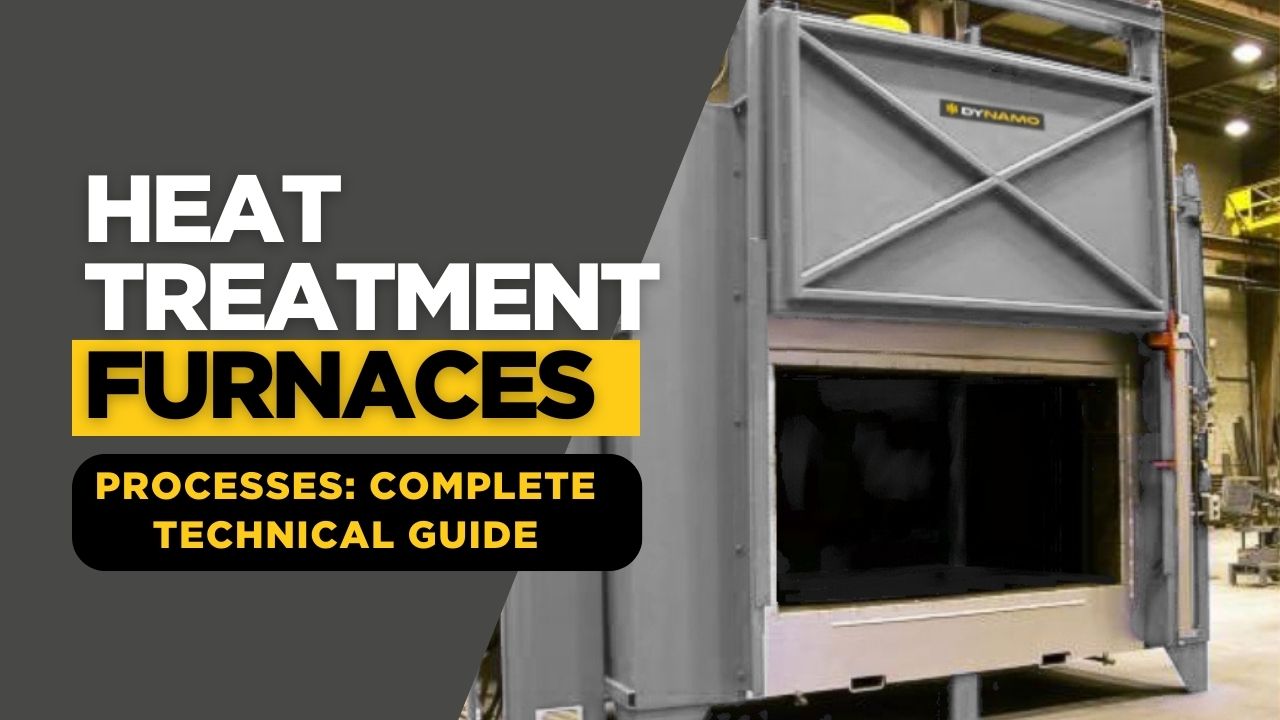
Heat Treatment Furnaces & Processes: A Complete Technical Guide for Modern Manufacturing
Heat treatment is one of the most critical steps in metal manufacturing, shaping the mechanical properties, microstructure, and long‑term performance
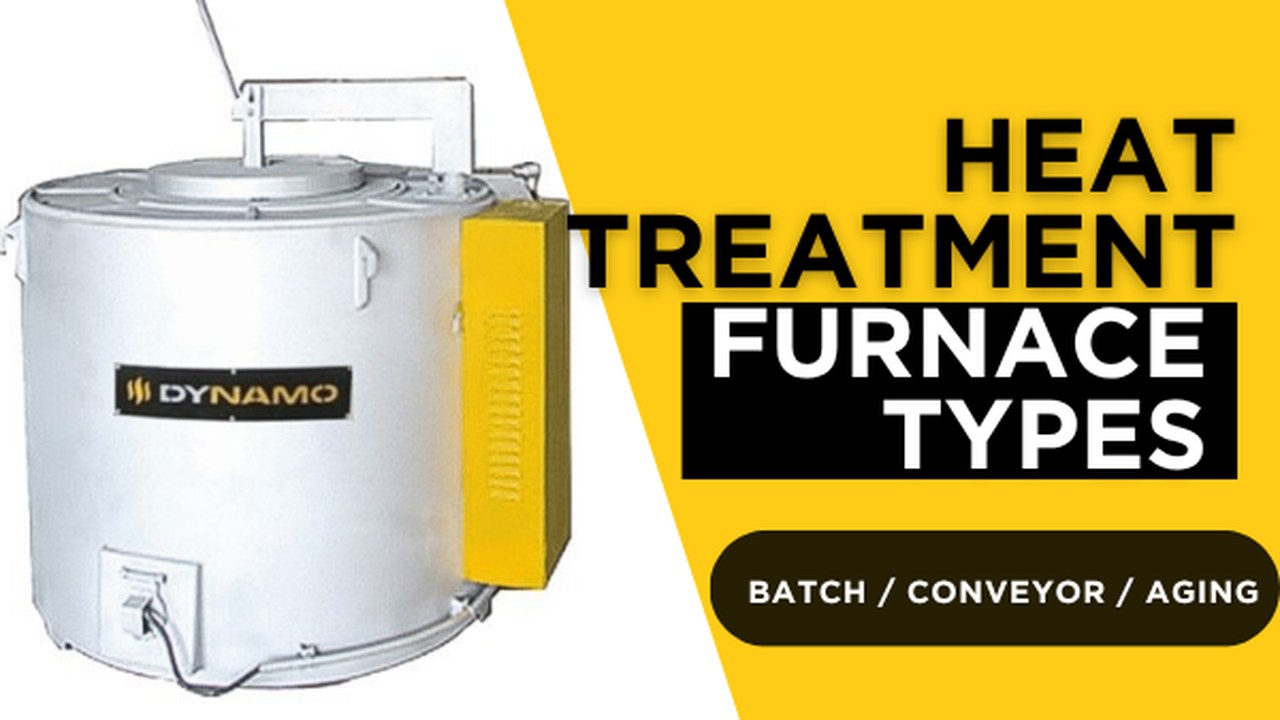
Heat Treatment Furnace Types: Batch, Continuous, Conveyor, Aging, and Annealing Systems
Compare heat treatment furnace types, including batch, continuous, conveyor, aging and annealing furnaces, with selection tips from Dynamo Furnaces.
Understanding Annealing: How Aluminum Heat Treatment Improves Strength, Ductility, and Formability
Introduction: Why Aluminum Annealing Is Essential in Modern Manufacturing Aluminum is one of the most widely used metals in the
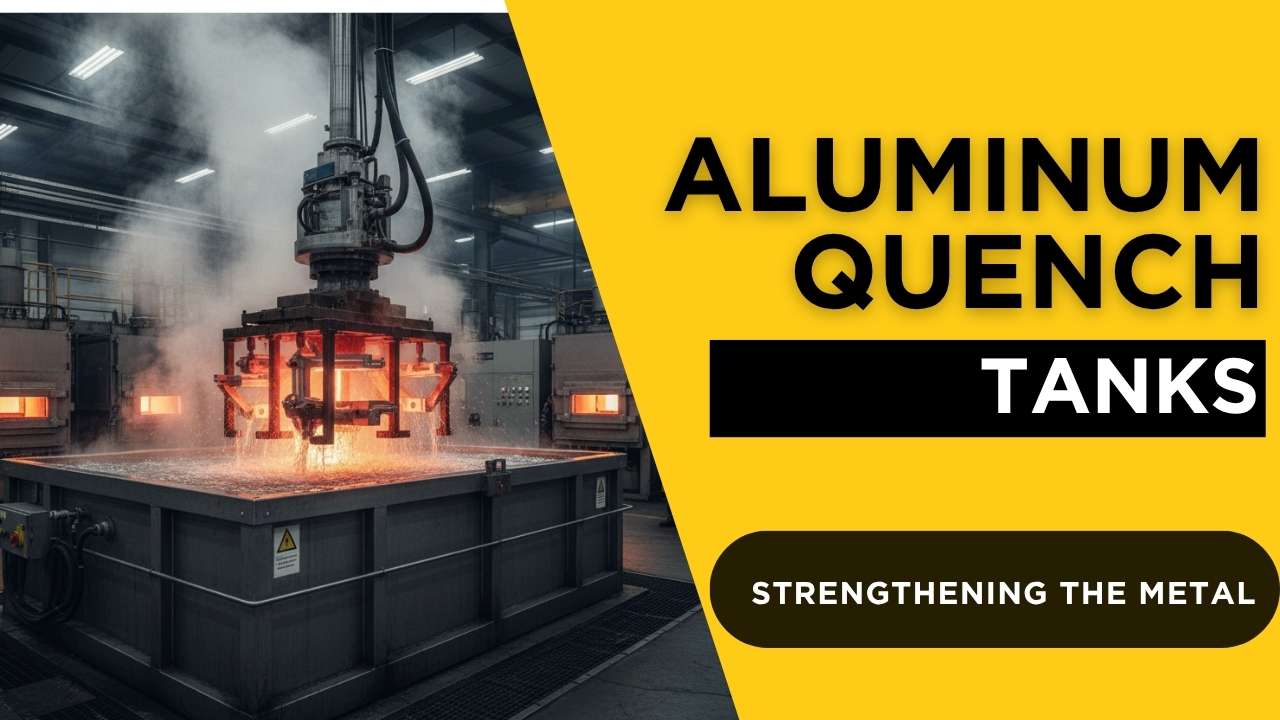
Quench Tanks: How They Work and Why They Matter in Aluminum Heat Treatment
Introduction: Why Quenching Is Critical in Aluminum Heat Treatment Quenching is one of the most important steps in aluminum heat