
Dual-Shaft Aluminum Scrap Shredder
High-Torque Dual-Shaft Size Reduction for Aluminum Scrap & Foundry Returns
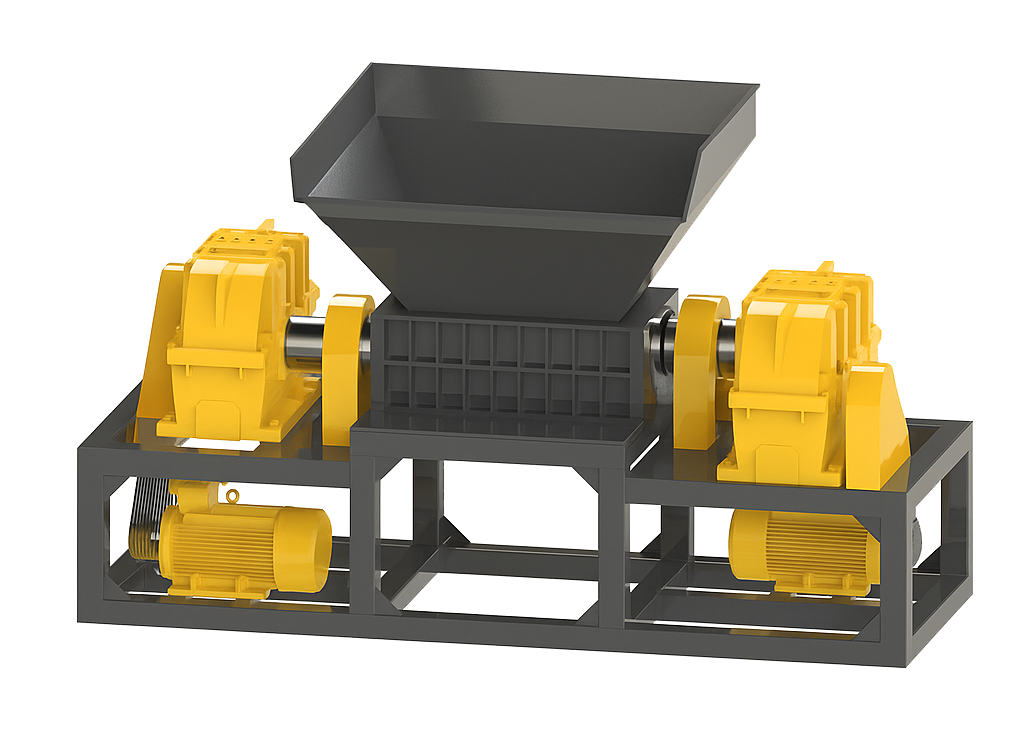
DMS-A Series
The DMS-A Series is a dual-shaft aluminum scrap shredder for physical size reduction before recycling. Its high-torque shafts and cutting blades break down approved aluminum profiles, extrusions, cast returns, rims and bulky production scrap into more manageable pieces.
This industrial aluminum scrap shredder is selected around feed geometry, section thickness, target output and the next handling or processing step. The two-shaft aluminum shredder arrangement supports scrap preparation before melting; actual output size and throughput depend on the material and specified machine configuration.
Plan DMS-A within the wider scrap metal processing equipment workflow. Shredding changes material size—it does not remove oil, coatings or moisture, establish alloy compatibility, or guarantee higher metal recovery.
Match DMS-A to Your Aluminum Scrap Stream
Bulky aluminum scrap
Specify a bulky aluminum scrap shredder around the largest piece, its wall thickness and the loading method—not only average tonnage. DMS-A provides aluminum scrap size reduction equipment for reviewed production offcuts and rims where geometry makes handling difficult.
Profiles & extrusions
Match an aluminum extrusion scrap shredder to profile length, section thickness and alloy. As an aluminum profile shredder, DMS-A should be configured from representative feed samples and the discharge-size requirement—not from the profile’s overall length alone.
Castings & foundry returns
A foundry return shredder project may involve cast aluminum offcuts, gates, runners or risers. Define the cutting duty from actual dimensions and hardness. For an aluminum casting return shredder, confirm the accepted geometry of each return stream before selecting the configuration.
Specify the Cutting Duty and Output Size
A high-torque metal shredder must be sized for the feed, not selected from the motor rating alone. For a dual-shaft metal shredder quotation, document maximum piece dimensions, solid-section thickness, bulk density, alloy separation, tons per hour and peak loading. Include the allowable discharge envelope, conveyor or bin interface, maintenance access and required safeguarding.
DMS-A is primarily presented for aluminum. A non-ferrous metal shredder or non-ferrous scrap shredder requirement involving another alloy needs a separate material review. Long, tangled machining turnings also require confirmation; a general machining-waste description does not establish specialized swarf-shredding capability.
Size Reduction Before Furnace Charging
The aim of this scrap metal size reduction machine is manageable feed geometry and scrap volume reduction where the tested material permits it—not the smallest possible fragments. “Furnace-ready aluminum scrap” still requires the furnace’s accepted size, dry condition, alloy compatibility and any separate cleaning or preparation steps. Review aluminum charge preparation before melting before specifying the complete route.
After feed acceptance is established, compatible production scrap can be considered for the GM-G chip and scrap melting furnace, while a separately reviewed secondary-scrap duty may suit the GDR-C rotary recycling furnace. Prepared chips belong to the GM-M dedicated chip melting furnace workflow. Aluminum wheel and rim melting remains the role of the GM-P rim recycling furnace; DMS-A is the preparation machine, not the melter.
For loading, sizing and plant-layout guidance, read how scrap metal shredders fit into recycling lines.