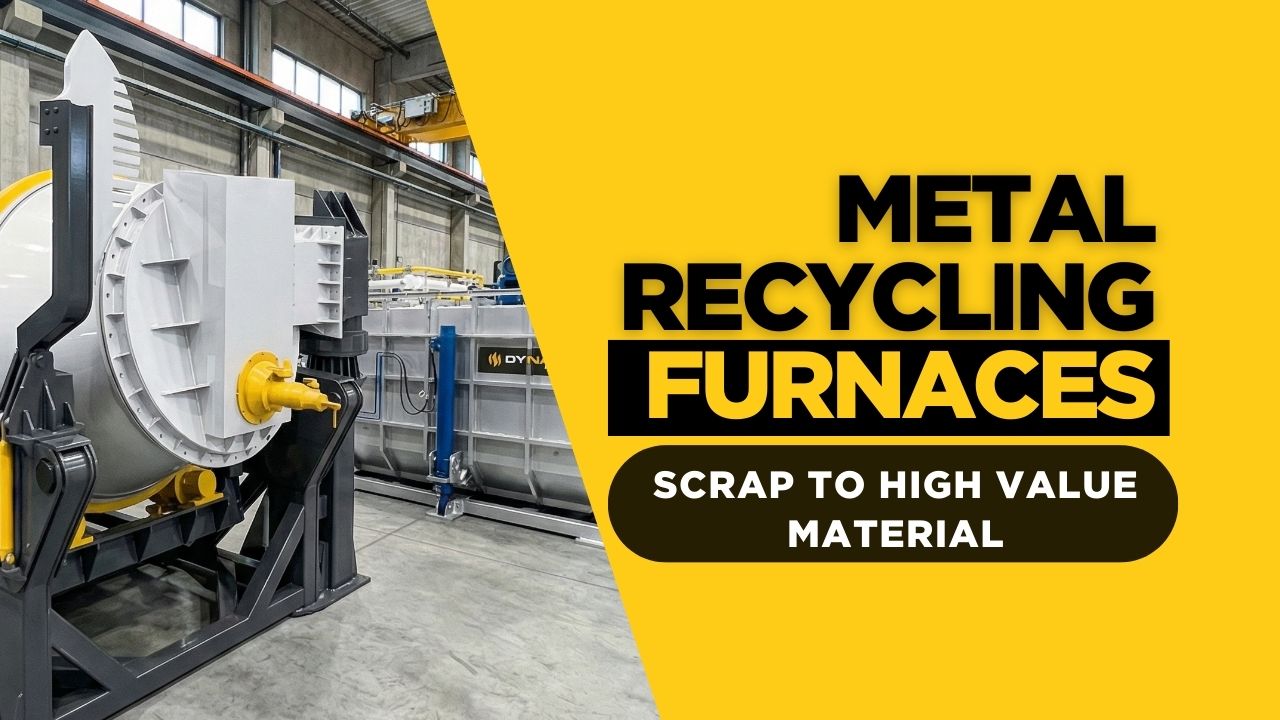
Aluminum Chip Melting Furnace

Chip Melting Furnace

GM-M Series

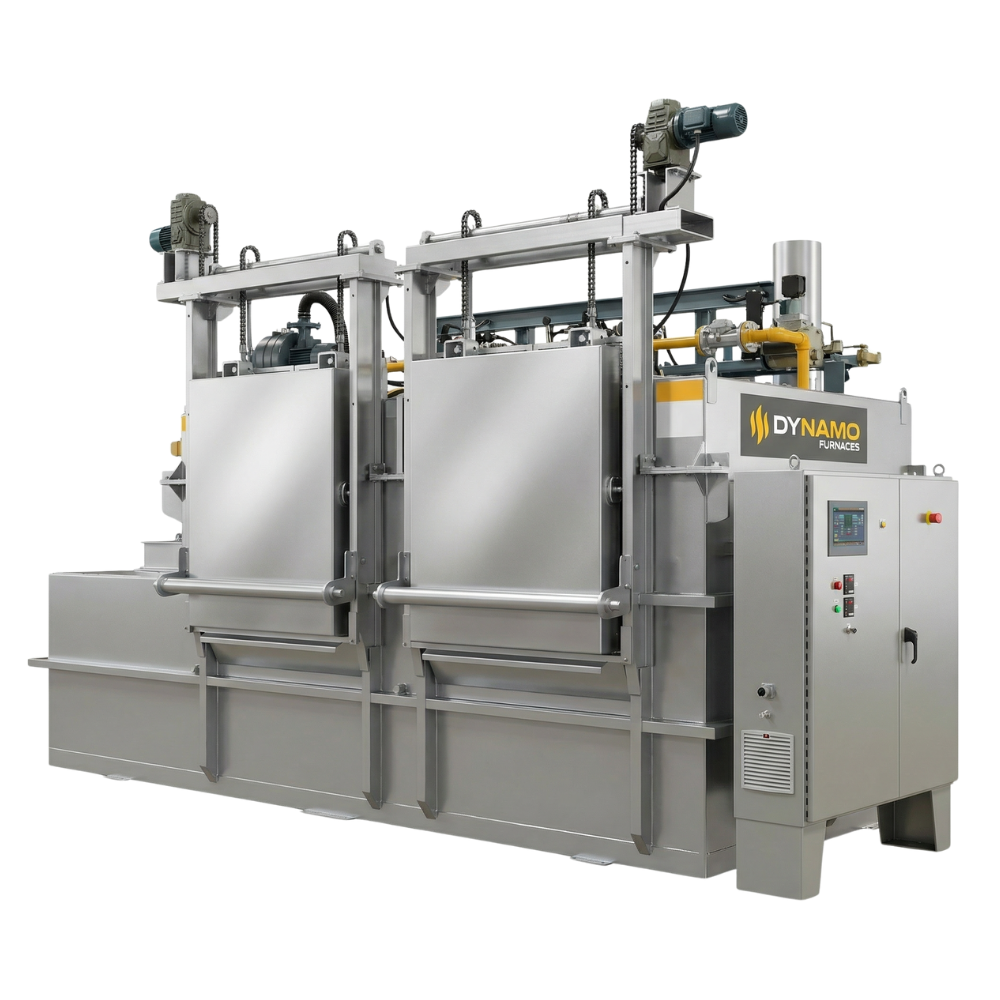
The GM-M Series aluminum chip melting furnace is a dedicated aluminum chip melter for approved prepared machining chips, swarf and turnings. It is intended for chip-focused remelting rather than general mixed-scrap recycling, with loose or briquetted feed assessed for the selected configuration.

Match chip condition, bulk density, alloy segregation and required recovered-metal output to the furnace and preparation line. Our chip and swarf recovery applications cover upstream washing and drying; compare GM-G combined chip-and-scrap melting when compatible bulk production scrap is also part of the feed.

TECHNICAL OVERVIEW

Dedicated Aluminum Chip and Swarf Remelting

As an aluminum chip remelting furnace, GM-M focuses on the high-surface-area material generated by machining. An aluminum swarf remelting furnace must be selected around prepared feed density, alloy composition and charging requirements. Consistent preparation and controlled operation are important to reducing oxidation and dross; actual metal recovery depends on the feed and operating duty.

Why Choose a Dedicated Chip Melter?

An aluminum swarf melting furnace addresses a different feed problem from a furnace selected mainly for ingots or heavy returns. Chips can bridge, occupy substantial volume and carry residual coolant or moisture. Compare the preparation, permitted charge and recovery requirements in the prepared-chip remelting guide instead of assuming every standard furnace performs equally on chips.

Specify the Complete Chip Remelting Line

Provide representative chips, hourly generation, bulk density, alloy range, preparation method and recovered-metal target. Define charging, controls, utilities, emissions assessment and downstream transfer in the quoted specification. Drying, circulation equipment and automated feeding arrangements must be confirmed for the installation; no particular pump or integrated dryer is assumed.

Applications For The GM-M Series Aluminum Chip Melting Furnace

Aluminum Turnings and Machining Swarf

An aluminum turnings melting furnace can be evaluated for segregated milling, turning and drilling residues. The machining swarf melting furnace specification should describe chip morphology, fines and any aluminum borings, as well as alloy and preparation condition. These names describe related machining feed forms, not permission to charge untreated waste.

Preparation of Coolant-Bearing Chips

Chips arriving from machining may carry oil, coolant or water. Remove unsuitable contamination and verify feed condition through the approved preparation process before charging. Review the CWS-A chip washing machine and CDS-A chip drying machine where appropriate; furnace heat is not a substitute for moisture control.

Prepared-Chip Remelting for Foundry Reuse

Foundries with machining or finishing operations can assess dedicated chip remelting as part of a closed-loop material plan. Feed must meet the approved preparation and alloy specification. Sampling, treatment and any alloy adjustment determine whether recovered aluminum is suitable for the intended holding or casting process.

Aluminum Briquette Melting

For an aluminum briquette melting furnace project, provide briquette dimensions, density, composition and residual fluid data. GM-M can be reviewed as a briquetted aluminum chip melting furnace for an approved compacted feed. Briquetting changes handling and bulk density but does not, by itself, establish dryness or guarantee lower metal loss than loose-chip melting.

Chip Handling and Feed Control

The feed system should match the prepared material and quoted furnace duty. Loose chips and briquettes may need different storage, metering and charging arrangements. Confirm any conveyor, feeder or loader interface with Dynamo rather than assuming a universal automated or pneumatic feeding capability.

Low Melt Loss as a Process Objective

Low melt loss chip melting depends on material preparation, chip size, alloy, thermal exposure and operating practice. Track recovered metal, dross, fines and inventory changes using a consistent mass-balance boundary. The physics of aluminum chip recovery explains why wet-feed yield and contained-metal recovery are different measures.

CNC Chip Melting and Internal Recovery

A CNC chip melting furnace can support an internal recovery assessment where machining volume and downstream use justify remelting. Separate alloys, characterize coolant and moisture, and compare preparation and operating costs with external scrap sale. Chip recovery is not automatically economical for every machining facility.

Prepared Chip Feed in Secondary Aluminum Production

A processor receiving segregated prepared machining chips can assess GM-M for its chip-specific duty. Confirm feed traceability and chemistry, then sample recovered metal before reuse. If larger clean production returns also need melting, review GM-G combined chip and bulk scrap melting rather than broadening the dedicated chip feed specification.

Frequently Asked Questions About The GM-M Series Aluminum Chip Melting Furnace

What is the GM-M Series intended to melt?

Approved prepared aluminum chips, swarf, turnings and briquetted machining feed are the focus. Chip form, density, alloy and preparation condition must fit the selected configuration. The chip recycling furnace range distinguishes dedicated chip remelting from combined chip-and-scrap duty.

Can wet, oily or contaminated chips be charged directly?

Do not assume so. Water and unsuitable contamination must be addressed before charging through the approved preparation and verification procedures. Oil and coolant may require separation, washing and drying. No claim is made that GM-M can safely accept high-moisture feed directly or that an integrated dryer is standard.

Can loose chips and compacted briquettes use the same furnace?

Both feed forms can be assessed for GM-M, but their density, dimensions, residual fluids and charging behavior differ. Provide samples and confirm the approved feed specification. Compaction alone does not prove dryness, alloy compatibility or a particular recovery percentage.

Does every GM-M use vortex melting or a molten-metal pump?

A particular circulation or submergence arrangement must be confirmed in the current model specification. This page does not assume that every GM-M configuration includes vortex technology, a mechanical pump or an electromagnetic pump.

What information is needed for a GM-M quotation?

Provide chip source, alloy, size, bulk density, residual fluids, existing preparation, hourly generation, utilities and desired metal output. The chip recovery process guide provides the planning checklist. Review the offered furnace duty and support arrangement for your location.

RELATED PROJECTS & POSTS