Aluminum Wheel Melting Furnace
GM-P Series — Rim Eater
The GM-P Rim Eater is an aluminum wheel melting furnace for prepared automotive alloy wheel scrap. This aluminum rim melting furnace focuses on cast wheels and rim sections—the heavy, thick-section aluminum feedstock that gives wheel recycling a distinct charging and remelting requirement.
For an alloy wheel recycling furnace project, match wheel dimensions, preparation, charging access and required output to the selected GM-P configuration. Whole wheels and cut sections must fit the approved charge envelope. Our wheel-scrap preparation guide covers the material checks before remelting.
TECHNICAL OVERVIEW
The GM-P aluminum wheel recycling furnace is positioned around automotive wheel scrap rather than every aluminum waste stream. Thick sections and wheel geometry make charging fit and heat exposure important selection inputs. Actual throughput and yield require feed-specific operating data.
End-of-life aluminum wheels are a distinct heavy-gauge cast aluminum scrap stream. Evaluate whole-wheel versus sectioned-wheel charging, alloy segregation, coatings and inserts when specifying the aluminum wheel scrap melting furnace.
Provide representative wheel dimensions, alloy information, preparation condition and production targets. Confirm the charging/discharge arrangement, utilities, emissions controls and downstream metal handling in the quotation; do not assume every automation or treatment option is standard.
Applications for the GM-P Aluminum Wheel Melting Furnace
For automotive recyclers and secondary aluminum producers, review a segregated prepared wheel stream. Confirm wheel size, charge mass and handling access against the GM-P configuration.
Whole-wheel recycling and wheel scrap remelting from cut or broken sections require different handling assumptions. Use the approved furnace opening and charging specification to decide whether preparation or size reduction is needed.
Document paint and coatings, wheel weights, valves and metallic inserts before melting. Confirm the required removal or preparation and the emissions-control plan; the GM-P name does not establish a blanket ability to burn off contamination.
Match storage, segregation, preparation and charging to the furnace duty. A defined wheel stream is preferable to uncontrolled mixed automotive assemblies with unknown fluids or alloys.
Compare internal wheel remelting with the existing recycling route using recoverable metal, preparation costs, energy, utilization and downstream alloy requirements. Do not assume a universal recovery rate or payback period.
Wheel geometry is central to the GM-P selection. Other heavy cast aluminum scrap must be assessed separately for composition, size and process compatibility rather than inferred from the wheel application.
Review wheel collection, lifting, charging and recovered-metal transfer as one workflow. Any mechanical loader, conveyor or automated handling arrangement must be confirmed for the selected installation.
Recovered aluminum requires sampling and any necessary treatment or alloy adjustment before casting. The specified alloy chemistry is not guaranteed merely by selecting a wheel melting furnace.
GM-P Wheel and Rim Melting: Frequently Asked Questions
Rim Eater is the GM-P product descriptor. Aluminum wheel melting furnace and aluminum rim recycling furnace describe its application; the model remains GM-P Series.
Do not assume so. Assess coatings, oils, attached metals and other contamination, and confirm preparation and emissions requirements. Wet or moisture-contaminated feed must not be treated as acceptable furnace charge.
Match whole-wheel dimensions and charge mass to the approved opening, handling method and process configuration. Cut or sectioned wheels may require a different charging arrangement; confirm the duty before ordering.
No alloy-preservation guarantee is made. Segregation, chemistry sampling and any treatment or alloy adjustment determine whether recovered metal meets the intended specification.
Review the GDR-C rotary aluminum scrap furnace for prepared general scrap remelting and the GDR-B aluminum dross recovery furnace for dross. The recycling furnace category compares their feedstock roles.
RELATED PROJECTS & POSTS
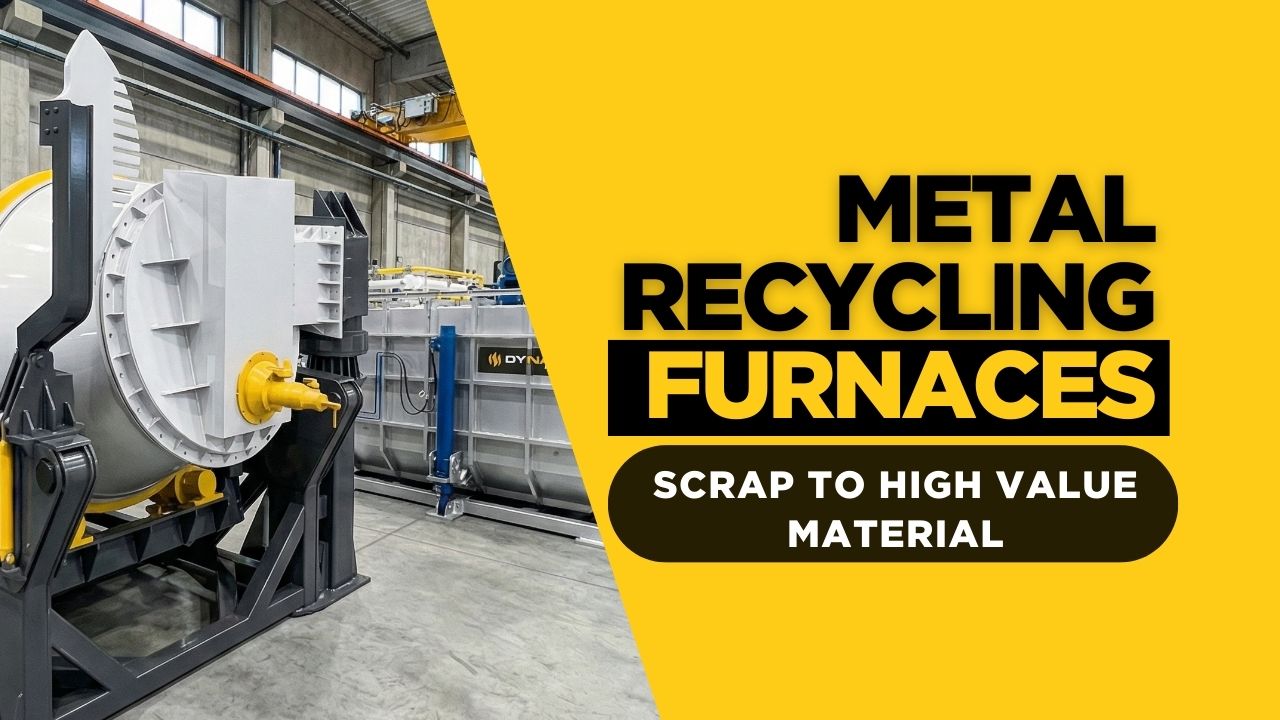
Industrial Metal Recycling & Furnace Applications
Explores how industrial furnaces support large‑scale recycling operations, the unique challenges of processing different scrap types, and the technologies that enable efficient, high‑quality metal recovery.
Chip Melting Furnaces in Aluminum Recycling
Read our article about the role of chip melting furnaces in aluminum recycling across various industries
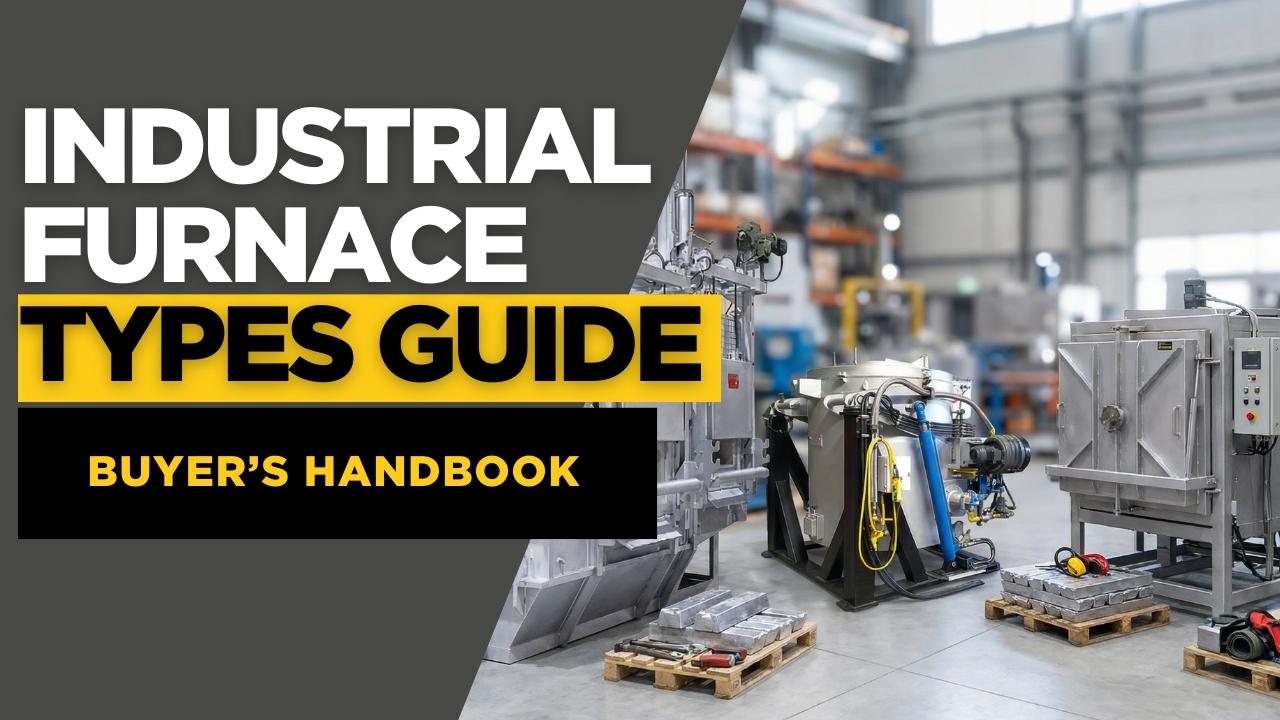
Industrial Furnace Types Guide: A Buyer’s Handbook
Read our guide on selecting the right Industrial furnace type to learn about the major furnace categories used across industry, how each system works, where it excels, and how to evaluate it for your operation.
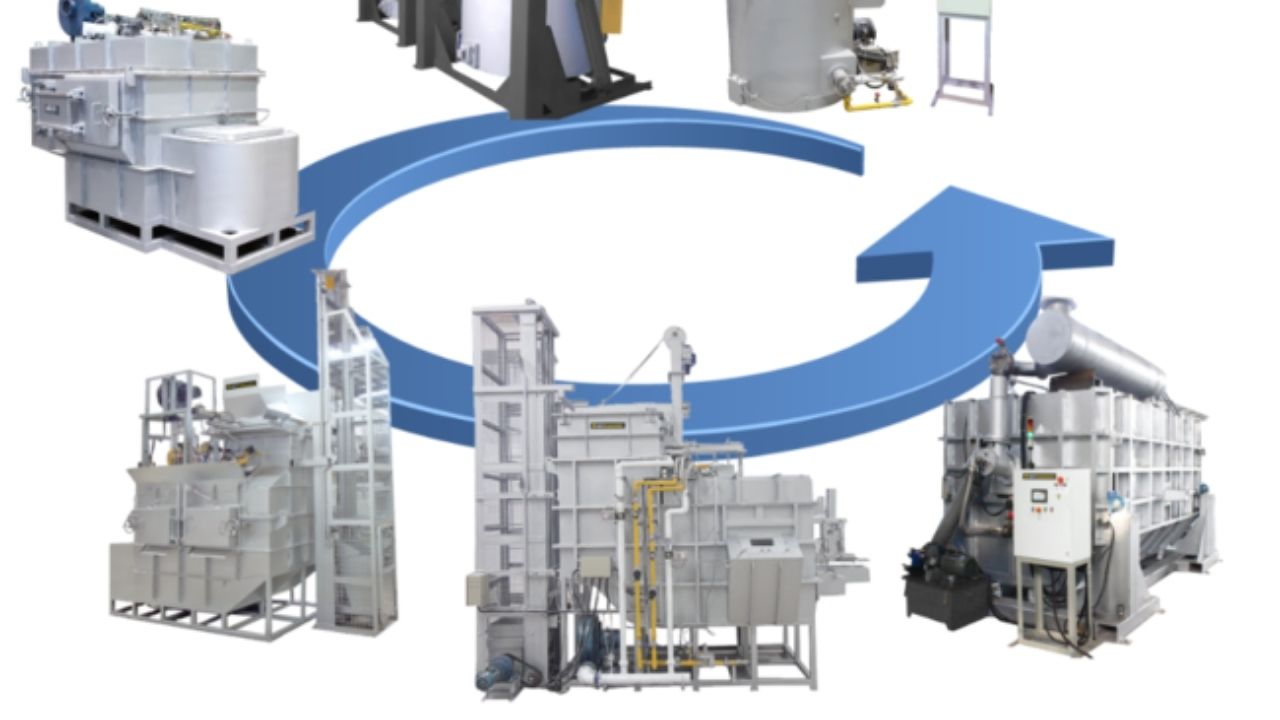
Selecting The Right Aluminum Furnace
To maximize the output of your production, the right selection of the aluminum furnace is important. Read our post in this field and become an expert in furnace picking.
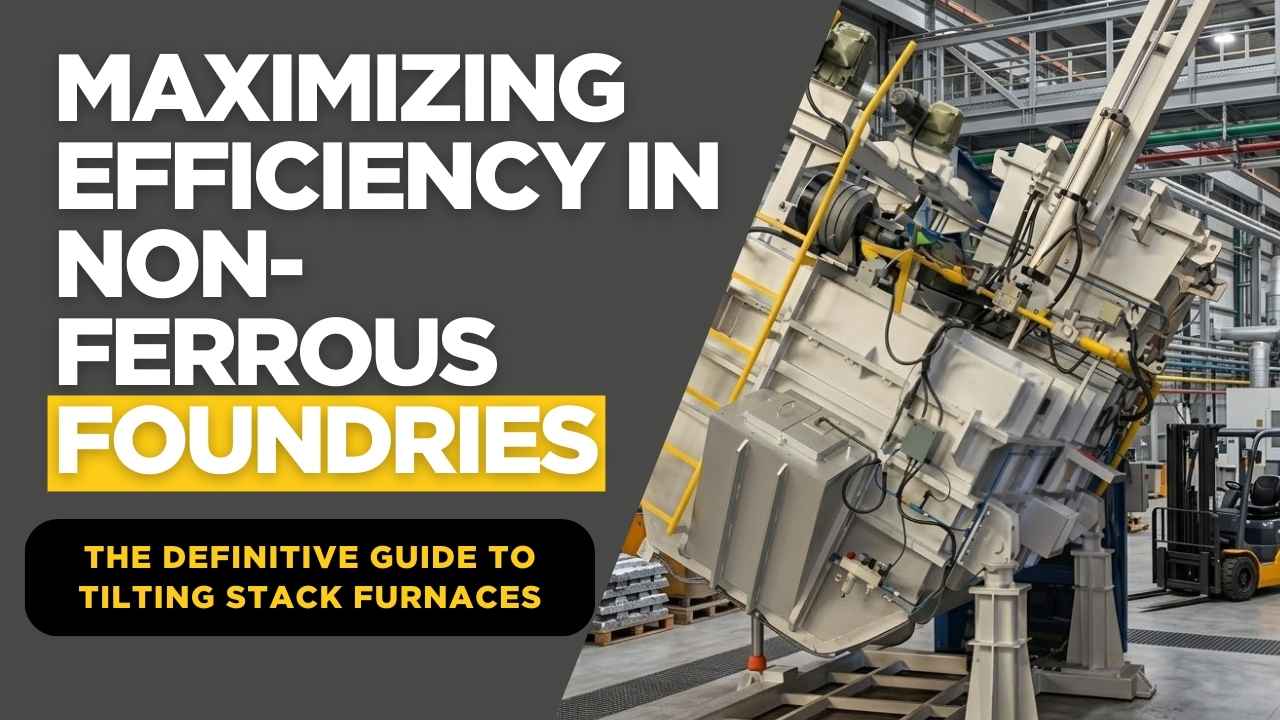
Tilting Furnaces: Maximizing Efficiency in Non-Ferrous Foundries
At Dynamo Furnaces, we specialize in engineering thermal solutions that tackle the industry’s biggest challenges: rising energy costs, metal oxidation, and operator safety. Understanding the applications and advantages of stack technology is critical to increase your foundry efficiency.
Metal Melting Furnaces: A Complete Technical Guide
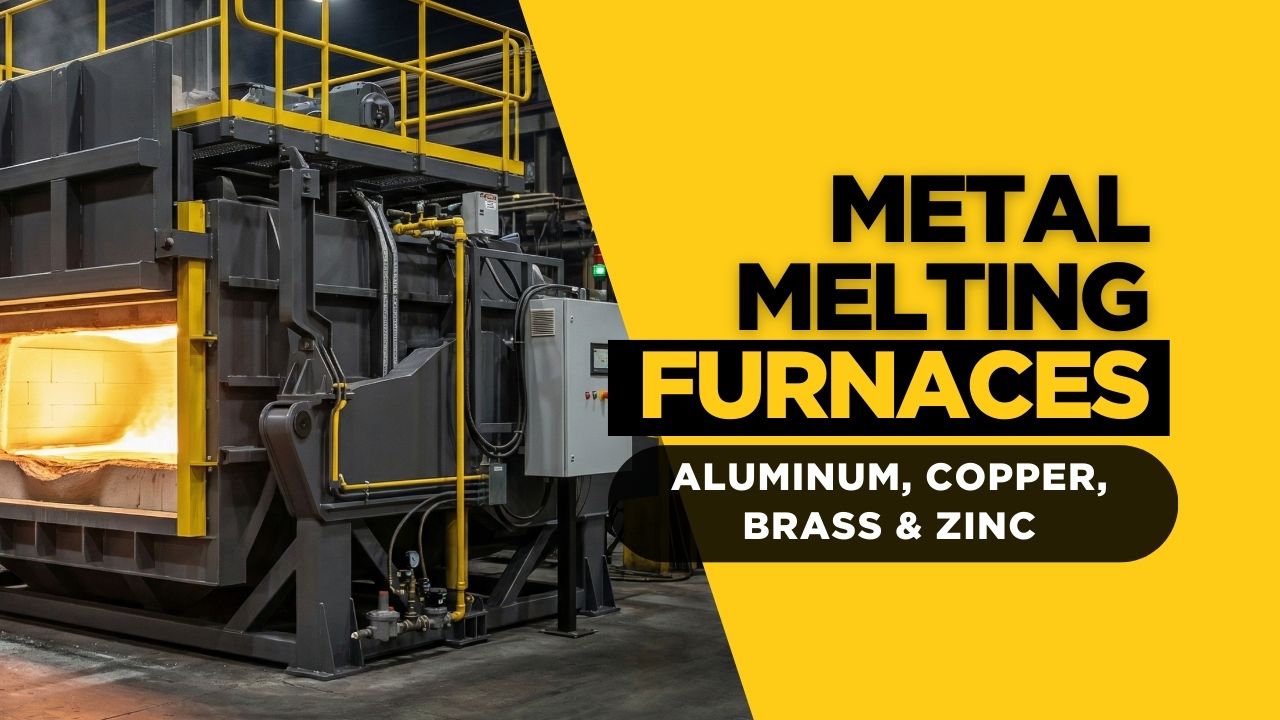
Metal melting is one of the most energy‑intensive and technically demanding operations in manufacturing. This guide on metal melting furnaces explores the major furnace technologies used for non‑ferrous melting, explaining how each system works, where it excels, and how to evaluate it for your application.