

Blog
Aluminum Rim Recycling Furnaces: Preparing Wheel Scrap for Efficient Metal Recovery

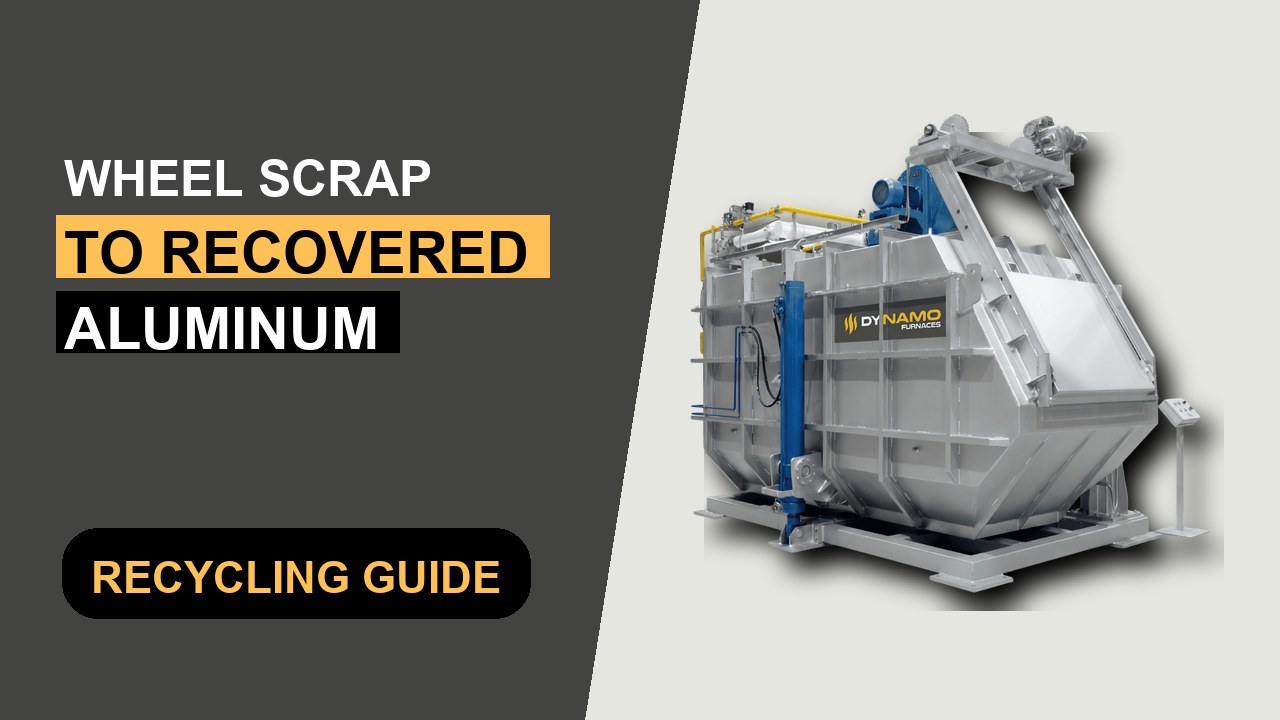
Briefing: an aluminum rim recycling furnace is used to process automotive wheel scrap and recover aluminum in a controlled furnace workflow.
The GM-P Rim Eater system is reviewed when wheel scrap volume, charge shape, coating condition, and recovery goals justify a furnace designed around rim processing.
Automotive aluminum wheels are a valuable recycling stream, but they create specific handling and melting challenges. Rims can be bulky, coated, irregular in shape, and difficult to process efficiently in equipment not planned for that feed.
An aluminum rim recycling furnace gives the plant a dedicated way to process wheel scrap and recover metal for casting, remelting, or resale. The right system should be selected around wheel condition, batch size, charging method, and output format.
Dynamo Furnaces manufactures the GM-P Series aluminum rim eater recycling furnace for customers in the USA, Canada, and Mexico. It can be reviewed as part of a larger metal recycling line that includes preparation, melting, holding, and casting equipment.
For prepared automotive wheel scrap, review the GM-P aluminum wheel melting furnace (Rim Eater). The product page is the equipment-selection starting point; this article addresses wheel condition and preparation. Compare the wider aluminum recycling furnace range only when other feedstocks also need a separate process.
Why Wheel Scrap Needs a Dedicated Review
Aluminum wheels are not the same as small clean scrap. Their geometry, wall thickness, coatings, and handling method affect how they heat and collapse in the furnace. A dedicated review helps avoid undersizing the furnace or choosing a layout that is difficult to charge.
The plant should define whether rims arrive whole, broken, sorted, coated, or mixed with other scrap. That information affects charging equipment, furnace access, combustion strategy, and downstream metal handling.
Recovery, Dross, and Material Condition
Recovery depends on furnace design, operating practice, material cleanliness, and the way metal is removed or transferred. Coatings and contamination may increase smoke, dross, and cleaning requirements if the process is not planned correctly.
A rim recycling furnace should be reviewed with preparation steps. Cutting, sorting, or separating unsuitable material before charging can make the furnace process more predictable.
For alloy wheel recycling, document wheel weights, valves, inserts, coatings and any mixed attachments. Agree their removal or preparation requirements with the process designer. Whole wheels and cut sections also need a confirmed charging envelope; no universal wheel size or coating-removal capability is implied.
Keep known wheel alloys segregated and sample recovered metal before reuse. Wheel-to-wheel recycling or an A356 target requires chemistry control and any necessary alloy adjustment, not simply remelting in a dedicated furnace. The Aluminum Association secondary-production overview explains why alloy segregation and recipe adjustment matter.
Review GM-P Series Aluminum Rim Recycling Furnaces
Dynamo manufactures aluminum rim recycling furnaces for plants that need a dedicated process for wheel scrap and recovered metal output.
Connecting Rim Melting to Casting Output
Recovered metal usually needs a next form, such as ingot, sow, or direct transfer into another process. That means the furnace should be sized with downstream casting or holding equipment, not treated as a stand-alone purchase.
If the casting station cannot keep up, molten metal may wait. If the furnace cannot process enough wheel scrap, the downstream line may be starved. The full recovery cycle should be balanced.
Safety and Maintenance Planning
Rim processing involves hot metal, heavy scrap, coatings, and mechanical handling. Safety planning should include charge inspection, moisture control, ventilation, PPE, guarding, and emergency procedures.
Do not treat wet wheel scrap as acceptable furnace charge. Moisture exclusion and the approved charging procedure are essential; see HSE guidance on molten-metal hazards for the water-contamination risk.
Maintenance access is also important. A recycling furnace must be cleaned and inspected, especially when processing coated or dirty material. The layout should leave room for routine work around the furnace.
Information to Gather Before Requesting a Quote
A useful equipment conversation starts with real production numbers. Before requesting a quote, document the alloy, incoming material condition, target output, available utilities, operator workflow, and the equipment that comes before and after this machine.
For this application, Dynamo typically needs the following details:
- Material: alloy, scrap type, charge density, contamination level, and expected variation between loads.
- Volume: batch weight, hourly target, shift target, and peak production demand.
- Handling: charging method, discharge method, pouring or transfer route, and available floor space.
- Utilities: gas, electric service, compressed air, water, ventilation, and plant installation limits.
- Quality goal: recovery target, temperature stability, output format, metal cleanliness, or casting consistency.
These details help the recommendation move beyond a generic machine name. They also help the buyer compare equipment around production fit, service access, safety planning, and long-term operating rhythm.
Common Selection Mistakes to Avoid
One common mistake is choosing equipment around only a headline capacity number. Capacity matters, but it does not describe charging time, heat recovery, operator access, refractory service, controls, cooling, or the downstream process that receives the metal.
Another mistake is treating each machine as a separate purchase. Preparation, melting, holding, casting, and recovery are connected. A change in charge condition can affect furnace behavior, and a change in pouring rhythm can affect the correct size of the upstream system.
Buyers should also avoid layouts that leave too little room for maintenance. Industrial equipment must be cleaned, inspected, adjusted, and serviced. A layout that blocks access can create downtime even when the machine itself is correctly sized.
Specification Notes for Buyers
A strong specification should describe how the machine will be used on a normal shift, not only what the brochure name says. For furnace projects, that means defining charging frequency, target metal temperature, transfer method, expected recovery time, and the operator tasks that happen between loads. For casting and chip processing projects, it means defining feed condition, product size, line speed, cooling or drying requirement, and the way finished material leaves the system safely.
It is also useful to separate required features from optional preferences. Required features protect production, safety, and maintenance access. Optional preferences may improve convenience but should not hide the core question: will the equipment support the real material stream, output target, and plant layout? Dynamo can use this information to compare the related product page with any upstream or downstream machines that must work with it.
Why Dynamo Is a Relevant Manufacturer for This Application
Dynamo Furnaces manufactures industrial furnace, casting, recycling, chip processing, and scrap processing equipment for customers in the USA, Canada, and Mexico. That matters when a project involves more than one machine, because the upstream and downstream steps should be reviewed together.
For many plants, the strongest result comes from matching material preparation, melting capacity, holding volume, casting equipment, controls, and operator workflow as one production plan. This approach can reduce avoidable waiting time, extra handling, and inconsistent output after installation.
Dynamo can review the machine type, layout, controls, access points, and related equipment so the proposed system fits the plant instead of forcing the plant to adapt around the wrong configuration.
Production signal: if the plant processes enough aluminum wheels that general melting equipment slows recovery or creates handling problems, a rim recycling furnace should be reviewed.
That usually means reviewing equipment size, controls, handling, safety, maintenance access, and the next process step before buying.
Frequently Asked Questions
What is an aluminum rim recycling furnace?
It is a furnace designed to process aluminum wheel scrap and recover metal for casting, remelting, or resale.
Which Dynamo product is related?
The GM-P Series aluminum rim eater recycling furnace is the related product.
Can rim recycling connect to ingot or sow casting?
Yes. The recovered metal can be planned with casting equipment so the output format matches the plant or customer requirement.
Conclusion
Aluminum rim recycling works best when the furnace is selected around the real wheel scrap stream, not only around a general melting capacity.
The GM-P Series should be reviewed with wheel condition, charging method, recovery target, output format, and downstream casting or holding equipment in mind.
Talk With Dynamo About Your Furnace Project
Share your rim volume, wheel condition, charging method, and desired output form. Dynamo can help review whether a GM-P aluminum rim recycling furnace fits your operation.
References
- OSHA, Heat – Overview: https://www.osha.gov/heat-exposure
- U.S. Department of Energy, Advanced Manufacturing Office: https://www.energy.gov/eere/amo/advanced-manufacturing-office
- Dynamo Furnaces, GM-P Series Aluminum Rim Eater Recycling Furnace: https://dynamofurnaces.com/metal-recycling-furnaces/aluminum-rim-eater-recycling-furnace-gm-p-series/
For related equipment-planning guidance, compare Dynamo’s automotive melting and holding furnace applications, metal recycling and secondary aluminum furnace applications, and scrap and dross recycling furnace applications.