

Melting & Holding Applications by Metal
Melting & Holding Applications by Metal
Compare melting furnaces, holding furnaces, crucible systems, and recycling equipment by alloy behavior, feedstock, temperature, throughput, and downstream casting process.
Industrial Melting and Holding Applications by Metal
Metal chemistry and physical behavior directly affect furnace selection. Aluminum operations often focus on oxidation, dross formation, charge preparation, melt loss, and high-volume metal flow. Copper, brass, and bronze require higher operating temperatures, compatible crucibles and refractories, sufficient heat input, and careful control of alloy additions. Zinc requires temperature discipline and equipment selected for the intended feedstock and production cycle.
This hub organizes industrial melting furnace applications by metal. It connects each alloy family to the most relevant gas or electric furnace role, holding strategy, charging method, transfer plan, and published Dynamo resources. Use it together with the industry applications hub and the planned process hub to separate three decisions: where the equipment operates, which metal it processes, and what production step it performs.
Choose the Metal or Alloy Family
Start with the alloy family, then compare feedstock, required temperature, melt rate, holding demand, transfer method, and casting or recycling objective.
Four Metal Properties That Change the Furnace Fit
The alloy name is only the beginning. These engineering factors influence furnace type, heating method, refractory selection, controls, and operating practice.
Temperature & Heat Input
Required superheat, charge temperature, heat losses, alloy density, batch size, and desired melt rate determine the practical heating capacity.
Oxidation & Metal Loss
Surface area, agitation, residence time, charging method, burner interaction, and operator practice affect dross generation and recoverable metal.
Crucible & Refractory
Alloy compatibility, operating temperature, thermal cycling, contamination risk, cleaning, and maintenance determine lining and crucible requirements.
Transfer & Final Product
Plan whether metal feeds die casting, permanent mold, sand casting, extrusion billet, ladle transfer, ingot casting, sow casting, or return-to-process use.
How Furnace Applications Change by Metal
Open each alloy family for a direct equipment-fit summary and contextual links to the most relevant Dynamo products and engineering guides.
Aluminum furnace applications range from clean ingot and internal returns to wheels, mixed scrap, chips, turnings, and dross. Furnace selection should begin with the charge form and hourly metal balance because low-density or contaminated material behaves differently from dense ingot. Central tower, stack, ramp, dry-hearth, reverberatory, crucible, chip-melting, and recycling furnaces each solve a different feedstock or production problem.
After melting, a separate aluminum holding furnace can buffer demand, stabilize delivery temperature, and support casting cells. Compare established gas melting furnaces, electric melting furnaces, and the guide to selecting the right aluminum furnace.
Copper melting requires higher temperatures and careful matching of the furnace, burner or electric heating system, crucible, refractory, exhaust, charging method, and pour cycle. The project should define copper grade, charge dimensions, batch weight, melts per shift, temperature range, alloy additions, transfer distance, and the required control accuracy.
Dynamo offers dedicated round copper crucible furnaces and tilting copper and brass crucible furnaces. See the documented GM-A330 copper furnace project for project context.
Brass and bronze applications share some equipment with copper melting, but alloying practice, zinc loss, fumes, temperature window, skimming, crucible compatibility, and pour control require specific review. A tilting crucible arrangement may simplify controlled transfer where batch production and mold access matter.
Start with the GM-B/BRS tilting crucible furnace, then review how copper, brass, and bronze change crucible-furnace requirements.
Zinc applications require controlled temperature, appropriate materials of construction, safe charging, fume management, and a furnace duty matched to melting, alloying, holding, or casting. Because the current Dynamo website has limited zinc-specific product and project evidence, final equipment recommendations should be based on a direct engineering review rather than a generic model assignment.
Use the established melting furnace and holding furnace families as the starting point, then confirm alloy, capacity, temperature, production schedule, and regulatory requirements with Dynamo.
Explore Dynamo Furnace and Processing Equipment
These established equipment families provide the commercial destinations for the metal-specific guidance above.


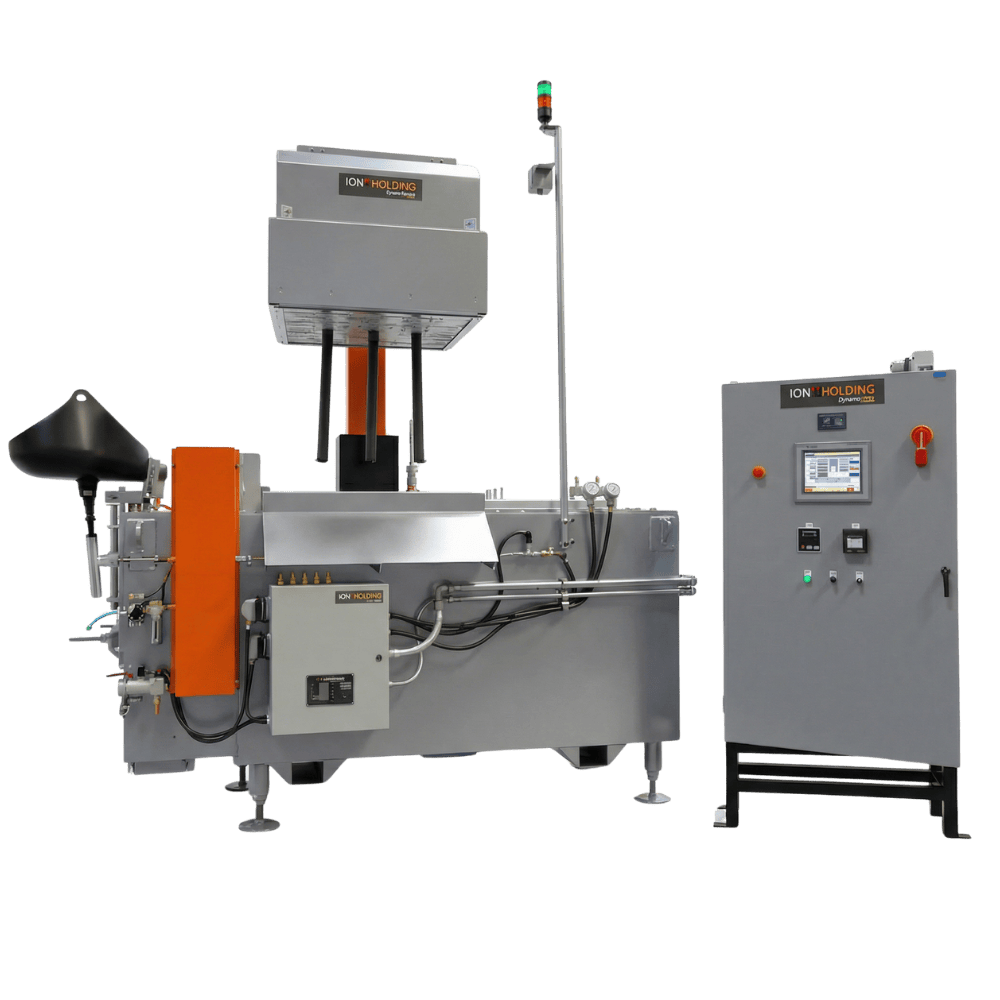

Engineering Guides and Planning Resources
These published guides provide deeper comparisons, operating considerations, and project-planning context. Each guide will also be prepared to link back to the appropriate parent and child hub.
Metal Selection Guides
Melting and Holding Applications by Metal FAQ
Each metal and alloy family has different melting temperature, density, oxidation behavior, contamination risk, heat-transfer characteristics, crucible or refractory compatibility, and operating practices. Those differences affect heating capacity, furnace geometry, controls, exhaust, maintenance, and safe charging.
The best aluminum furnace depends on feedstock and production duty. Clean batch melting may suit a crucible furnace; high-volume ingot and return melting may favor stack, tower, ramp, dry-hearth, or reverberatory systems; chips, dross, wheels, and mixed scrap require specialized preparation or recycling furnaces.
A shared furnace should not be assumed suitable. The metals require different operating temperatures, crucibles or refractories, cleaning procedures, heat input, contamination control, and production scheduling. Dynamo should review the exact alloys and changeover plan before recommending a shared system.
A melting furnace supplies the heat and capacity needed to convert solid charge into molten metal. A holding furnace maintains molten metal at a controlled temperature and provides buffer capacity near the downstream process. Many plants use both as connected stages.
Provide alloy, charge form, charge temperature, batch weight, hourly melt demand, operating hours, pouring or transfer temperature, holding volume, number of downstream machines, utilities, floor space, emissions limits, and desired automation.
Dynamo can review the metal, feedstock, production duty, energy source, furnace role, transfer method, downstream casting process, controls, and site constraints before recommending equipment and project scope.
Discuss Your Metal, Feedstock, and Production Requirements
Send Dynamo the alloy, charge form, batch size, melt rate, holding demand, operating temperature, casting process, utilities, floor space, and project goals. Our team can help identify the most suitable melting, holding, transfer, recycling, and casting equipment path.