Molten Metal Holding Furnace Applications
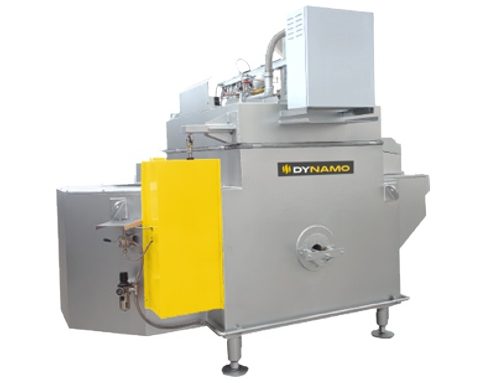
Size holding duty around actual consumption, replenishment, temperature tolerance, residence time, transfer, and production interruptions.

Gas and Electric Holding, Temperature Stability, Buffer Capacity, and Casting-Line Supply

What Does a Molten Metal Holding Furnace Do?

Direct answer: a holding furnace stores liquid metal at a controlled temperature and buffers downstream casting from melting, charging, and transfer interruptions. It is not sized only by bath capacity. The correct holding system must replenish at the required rate, stabilize temperature, limit residence time and oxidation, maintain usable heel and freeboard, and fit the casting equipment.

Gas and electric holding furnaces serve different plant strategies. Selection depends on alloy, consumption, peak demand, replenishment interval, transfer method, temperature tolerance, energy infrastructure, local emissions, maintenance, controls, and redundancy.

Plan Your Holding Furnace Application

Send the process information needed for an engineering review:

  • Metal and alloy families
  • Average and peak consumption
  • Replenishment quantity and interval
  • Holding and casting temperature tolerance
  • Transfer method and distance
  • Utilities, emissions, controls, access, and redundancy

Holding Process: From Furnace Refill to Casting Demand

The holding furnace must remain stable through refill cycles, peak consumption, alloy changes, and planned interruptions.

01

Define Consumption

Measure average and peak draw, casting cycle, number of machines, shifts, startup, and growth.

02

Plan Replenishment

Set refill quantity, interval, incoming temperature, transfer loss, disturbance, and recovery time.

03

Set Capacity & Heel

Calculate usable bath, operating heel, freeboard, reserve, residence time, and emergency buffer.

04

Control Temperature

Specify sensors, uniformity, alarms, recipes, stratification limits, and allowable variation.

05

Protect Metal Quality

Limit oxidation, dross, turbulence, contamination, exposure, and excessive residence time.

06

Integrate Transfer

Coordinate ladles, launders, pumps, dosing, metal level, interlocks, access, and maintenance.

How to Size a Molten Metal Holding Furnace

Size the system from the operating window: minimum heel, usable metal, peak draw, refill schedule, incoming temperature, recovery time, residence-time limit, and contingency reserve. Compare gas and electric energy, control response, installation, emissions, maintenance, and downstream stability.

Holding requirementTypical roleEngineering questions
Cell-side temperature stabilityLocal gas or electric holdingConsumption, refill, tolerance, emissions
Central casting-line bufferLarger holding systemPeak demand, transfer, reserve, redundancy
Frequent replenishmentFast recovery and level controlIncoming temperature, disturbance, cycle
Multiple alloysCampaign or dedicated holdingSegregation, cleanout, residence, records
Long transfer routeCoordinated holding and deliveryHeat loss, vessel, launder, safety

Connected Equipment & Engineering Resources

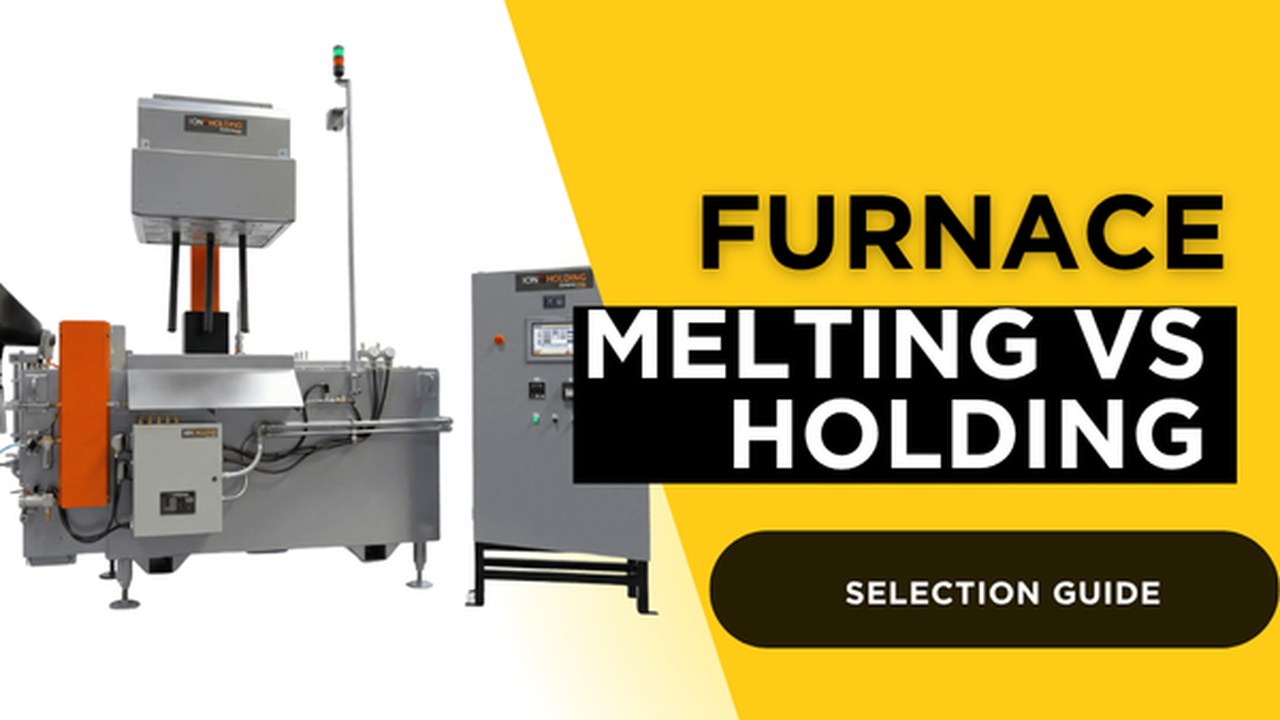
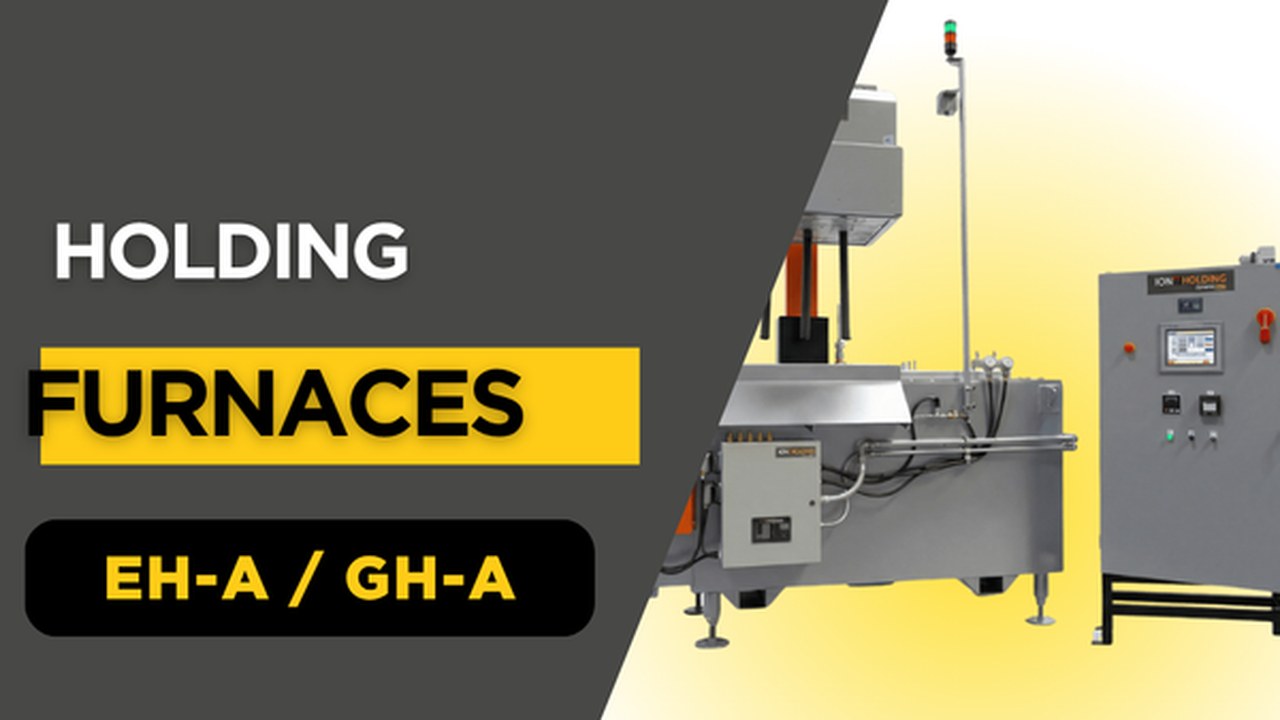
Review the holding furnace family, including the GH-A gas holding furnace and EH-A electric holding furnace. Separate duties using the melting-versus-holding guide.

Alloy holding principles appear in holding furnaces for aluminum, zinc, and copper; compare energy sources in the gas-versus-electric holding guide and coordinate delivery with the molten-metal transfer guide.

Upstream equipment is in the melting furnace family; related paths are organized under applications by metal and applications by industry.

Molten Metal Holding Furnace Platforms

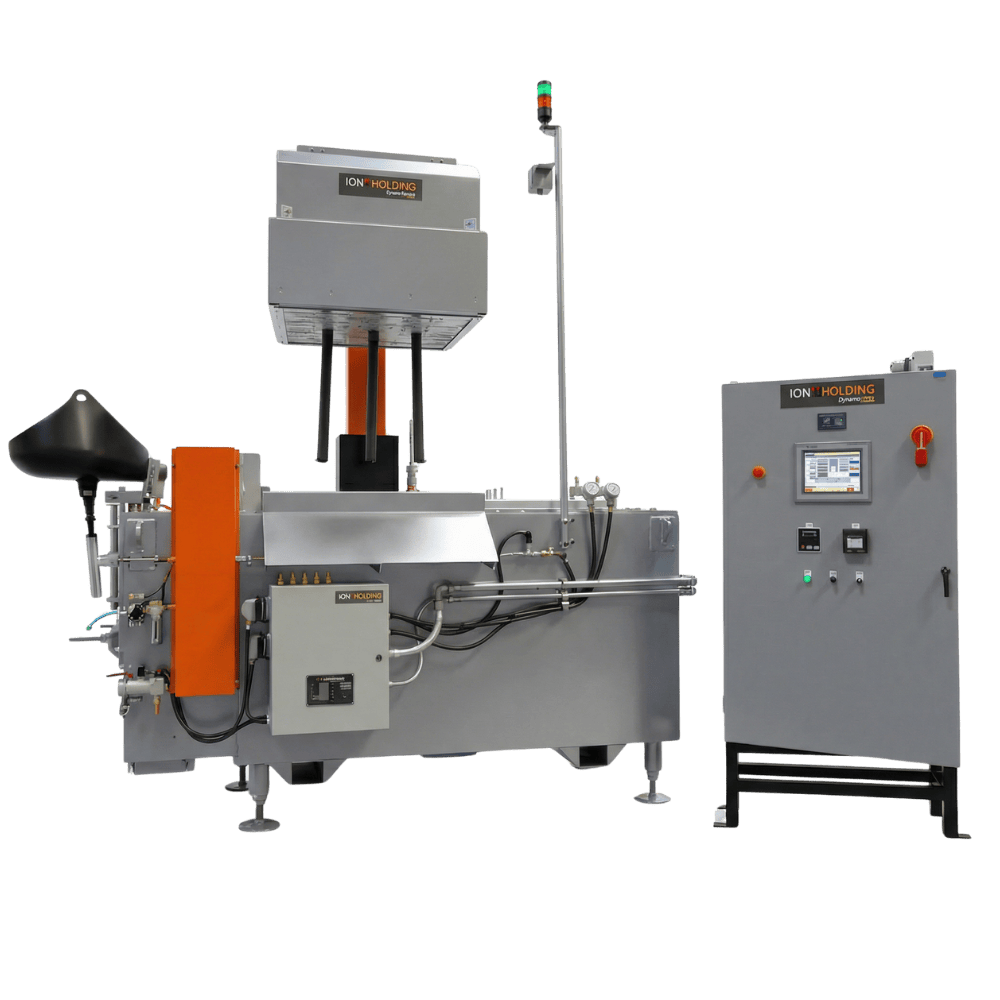
Representative Dynamo gas and electric aluminum holding platforms for stable local supply.

Gas Holding Furnace

GH-A Series

Stable molten-aluminum temperature and buffer capacity near production.

Electric Holding Furnace

EH-A Series

Precise electric holding for controlled local metal supply.

Process Applications & Production Environments

Dynamo equipment and engineering resources can be evaluated for:

  • Die-casting cell-side holding
  • Permanent-mold and gravity casting
  • Central melt-system buffers
  • Billet, ingot, and sow casting feed
  • Alloy campaign production
  • Temperature stabilization after melting
  • Launder or ladle transfer systems
  • Multi-cell casting departments
  • Production reserve during refill
  • Controlled local metal delivery

Final equipment selection requires confirmation of the actual material, process, rate, utilities, layout, controls, safety, and quality requirements.

Molten Metal Holding Furnace FAQs

What is the difference between melting and holding?

Melting furnaces recover solid charge; holding furnaces stabilize liquid metal for downstream production. Their recovery, capacity, and control duties differ.

How is holding capacity calculated?

Use peak consumption, refill interval, incoming temperature, recovery, heel, freeboard, residence time, reserve, downtime, and growth.

Why is residence time important?

Excess residence can increase oxidation, dross, energy use, contamination risk, and chemistry or quality concerns depending on the alloy.

Should holding be gas or electric?

Compare utilities, emissions, temperature control, recovery, installation, energy cost, maintenance, and production duty.

Can one holding furnace feed several machines?

Yes when capacity, transfer, temperature loss, level control, redundancy, and peak demand are engineered together.

What information is required?

Provide alloy, consumption profile, refill schedule, temperatures, transfer, casting machines, utilities, controls, access, and redundancy.

RELATED TECHNICAL GUIDES