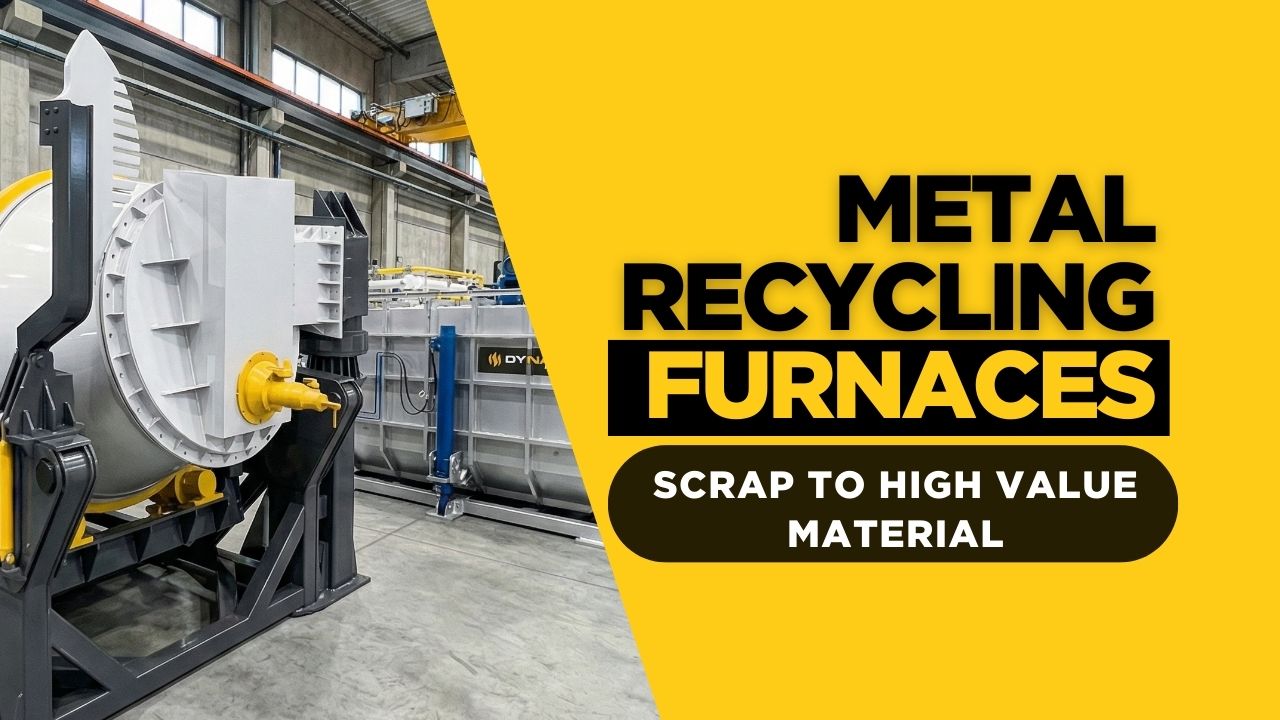
Aluminum Chip and Scrap Melting Furnace
GM-G Series
The GM-G Series aluminum chip and scrap melting furnace is the combined option for prepared machining chips and compatible clean bulk production scrap. This hybrid aluminum chip and scrap furnace is positioned around an approved mixed prepared feed—not unrestricted contaminated aluminum waste.
Review chip-to-scrap ratio, charge size, alloy compatibility and recovered-metal demand with Dynamo. Clean casting returns and offcuts must meet the selected feed specification. Use our chip recovery process guide for preparation, or compare the GM-M dedicated chip remelting furnace if the stream is primarily machining chips.
TECHNICAL OVERVIEW
A combined chip and scrap melting furnace is relevant where a facility generates both prepared lightweight chips and compatible larger aluminum returns. GM-G selection starts with that defined feed blend. Different material densities and charge sizes affect handling and melting duty; the permitted mix and operating arrangement must be specified for the project.
Single-furnace chip and scrap recycling may simplify a compatible production-scrap workflow, but it does not automatically replace every separate melter. Compare the feed mix, preparation capacity, required throughput and alloy campaigns. For chip-only duty, the GM-M aluminum chip remelting furnace remains the specialist product to review.
Describe the chip-to-bulk-scrap ratio, alloy range, material size, density, moisture condition and production variation. Agree the charging method, control requirements, utilities, emissions assessment and downstream output in the quotation. A prepared chip and scrap melting furnace does not establish integrated drying, a specific molten-metal pump or universal continuous operation.
Applications For The GM-G Series Aluminum Chip & Scrap Melting Furnace
GM-G chip and bulk scrap melting is intended for a reviewed blend of properly prepared machining residues and compatible larger production material. Separate unknown alloys, attached metals, liquids and unsuitable contaminants before the material is accepted as furnace feed. Clean production scrap is not the same as uncontrolled mixed secondary scrap.
An aluminum swarf and scrap melting furnace can be evaluated when milling chips and turnings accompany clean returns or offcuts. For a turnings and scrap melting furnace, document both fractions and their preparation needs. If bulk scrap is absent, compare GM-M dedicated machining-chip remelting instead.
Foundry returns and chip melting brings gates, runners, risers and compatible casting returns into the same planning assessment as prepared machining feed. Return dimensions and alloy chemistry must fit the approved configuration. Furnace clean-out residue and dross are not automatically accepted as ordinary clean returns.
Production scrap and chip melting can form part of an internal material loop when recovered aluminum meets the next process's chemistry and quality requirements. Segregate alloys, record recovered metal and residues, and plan holding or casting capacity. Immediate reuse is not guaranteed without appropriate sampling and treatment.
Wet or oily chips must not be treated as acceptable direct furnace charge. Assess separation, washing, drying, storage and verification before melting using the chip and swarf recovery workflow. Any preparation equipment must be specified as part of the project; an integrated chip dryer is not assumed.
Fine chips, briquettes and heavier returns have different handling and thermal behavior. Specify the permitted feed blend and loading sequence for the selected configuration. Match preparation throughput, furnace duty and downstream metal demand rather than assuming that every model supports both batch and continuous operation.
Chips and light-gauge aluminum scrap may be assessed together when the offcuts are clean, compatible production material within the permitted charge specification. Coated packaging, used beverage cans and post-consumer assemblies require a separate process review. For variable secondary-scrap duty, review the GDR-C rotary scrap recycling furnace and its feed-specific requirements.
A mixed prepared-feed furnace project must include chemistry sampling, any required treatment, holding and final casting. Feed mix and operating conditions determine metal recovery and energy use; no universal yield, savings or alloy-quality guarantee is made. The mixed prepared-feed planning guide expands the selection checklist.
Frequently Asked Questions About The GM-G Series Aluminum Chip & Scrap Melting Furnace
Review GM-G when approved prepared chips and compatible clean production scrap both need remelting. Review GM-M dedicated chip remelting for a primarily chip, swarf or briquette stream. The distinction is the incoming material and production duty, not a different name for the same feed problem.
It means a defined, compatible blend such as dry prepared machining chips with clean casting returns or offcuts. It does not mean every mixture of unknown alloys, wet chips, coated scrap or contaminated post-consumer material can be charged. Confirm composition, size and preparation in the feed specification.
Do not assume so. Moisture and unsuitable contamination must be addressed through the approved preparation, verification and charging procedures. Oil and coolant may require separation, washing and drying before melting. No standard integrated-drying or direct wet-chip capability is claimed.
No. A combined system can be assessed where the feed blend, alloy requirements, charging arrangement and production duty are compatible. Separate systems may still be appropriate where those requirements differ. Confirm the actual configuration and line balance before selecting equipment.
Supply representative chip and scrap samples, alloy range, charge sizes, chip-to-scrap ratio, bulk densities, residual fluids, required output and utilities. Use the chip-and-scrap planning article and chip recovery application guide to prepare the project information.
RELATED PROJECTS & POSTS
Industrial Metal Recycling & Furnace Applications
Explores how industrial furnaces support large‑scale recycling operations, the unique challenges of processing different scrap types, and the technologies that enable efficient, high‑quality metal recovery.
Chip Melting Furnaces in Aluminum Recycling
Read our article about the role of chip melting furnaces in aluminum recycling across various industries
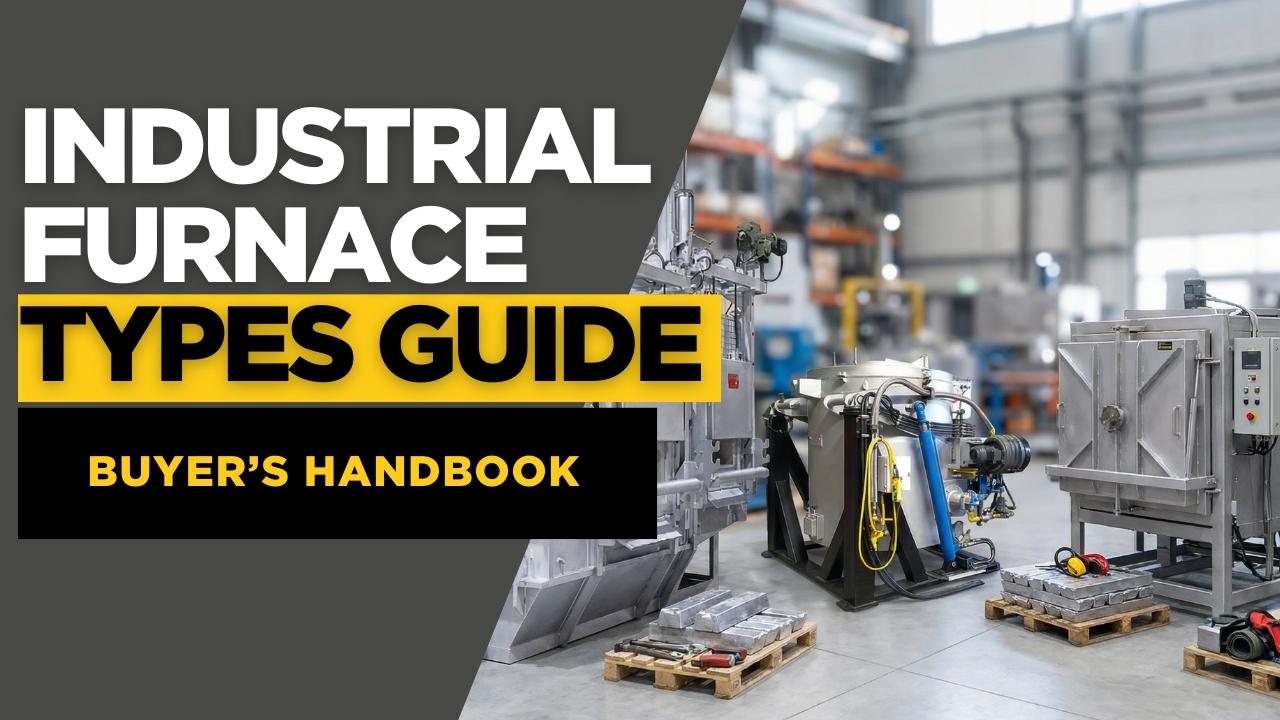
Industrial Furnace Types Guide: A Buyer’s Handbook
Read our guide on selecting the right Industrial furnace type to learn about the major furnace categories used across industry, how each system works, where it excels, and how to evaluate it for your operation.
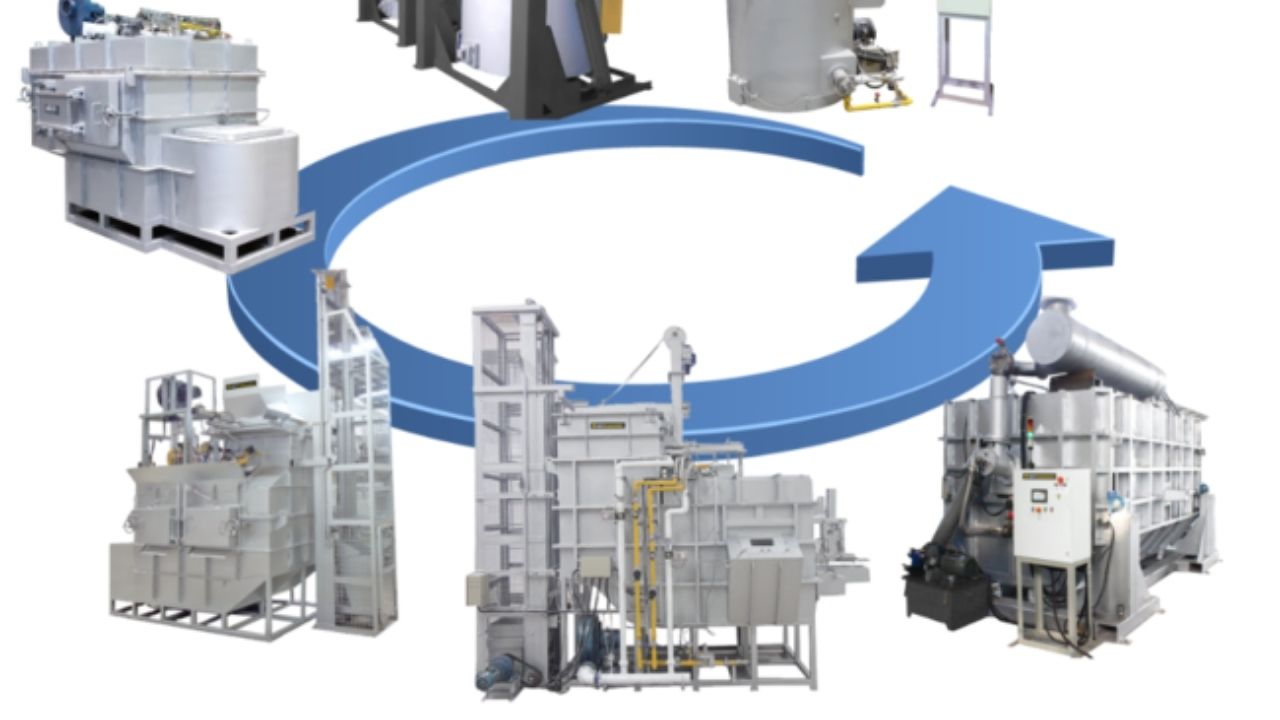
Selecting The Right Aluminum Furnace
To maximize the output of your production, the right selection of the aluminum furnace is important. Read our post in this field and become an expert in furnace picking.
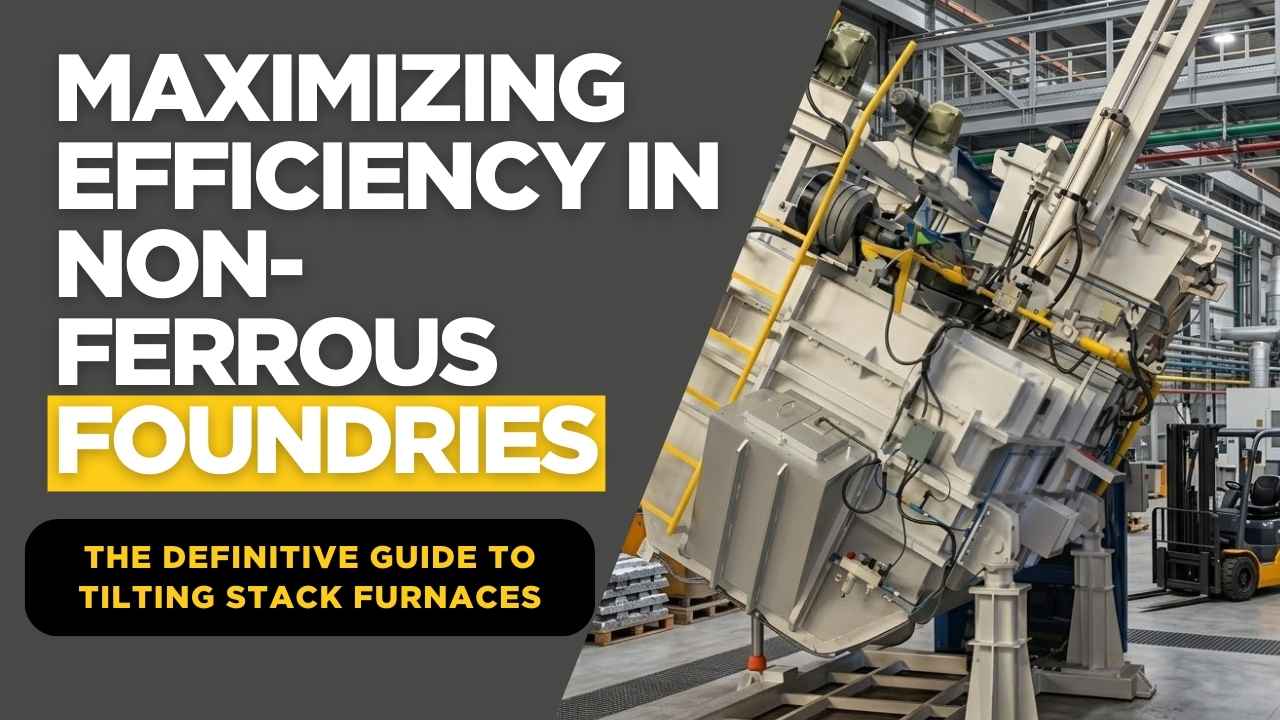
Tilting Furnaces: Maximizing Efficiency in Non-Ferrous Foundries
At Dynamo Furnaces, we specialize in engineering thermal solutions that tackle the industry’s biggest challenges: rising energy costs, metal oxidation, and operator safety. Understanding the applications and advantages of stack technology is critical to increase your foundry efficiency.
Metal Melting Furnaces: A Complete Technical Guide
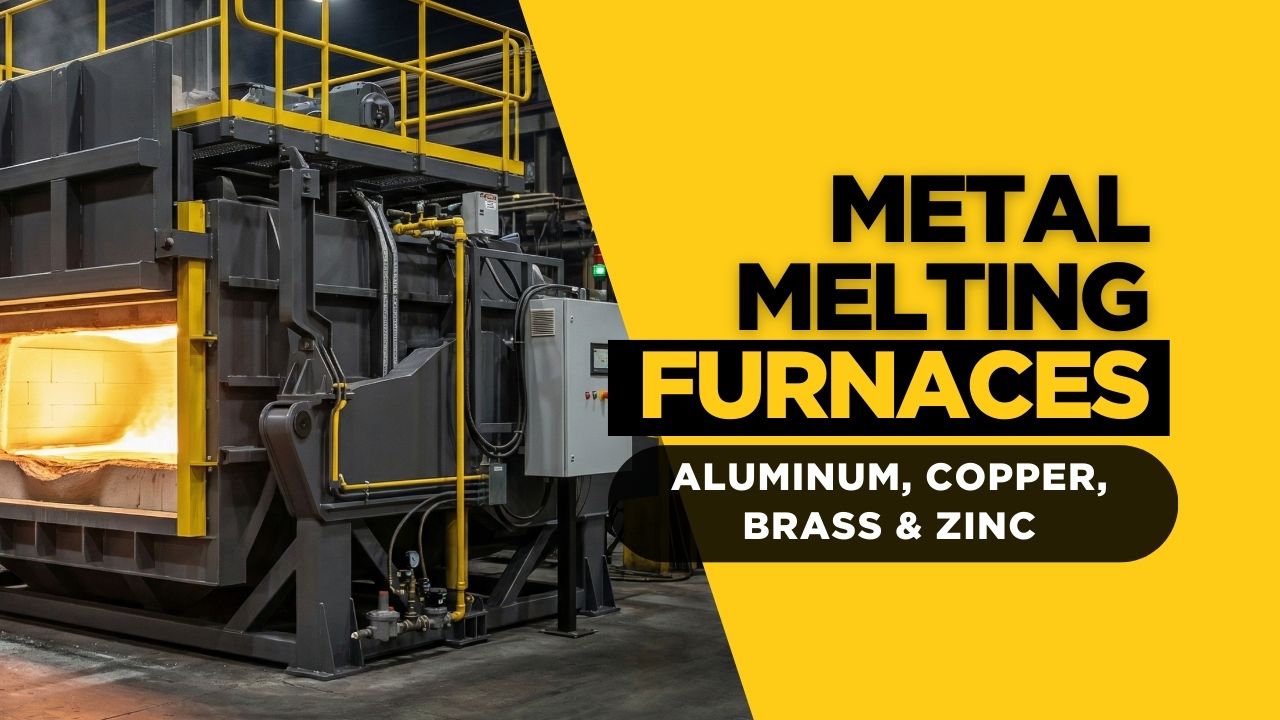
Metal melting is one of the most energy‑intensive and technically demanding operations in manufacturing. This guide on metal melting furnaces explores the major furnace technologies used for non‑ferrous melting, explaining how each system works, where it excels, and how to evaluate it for your application.