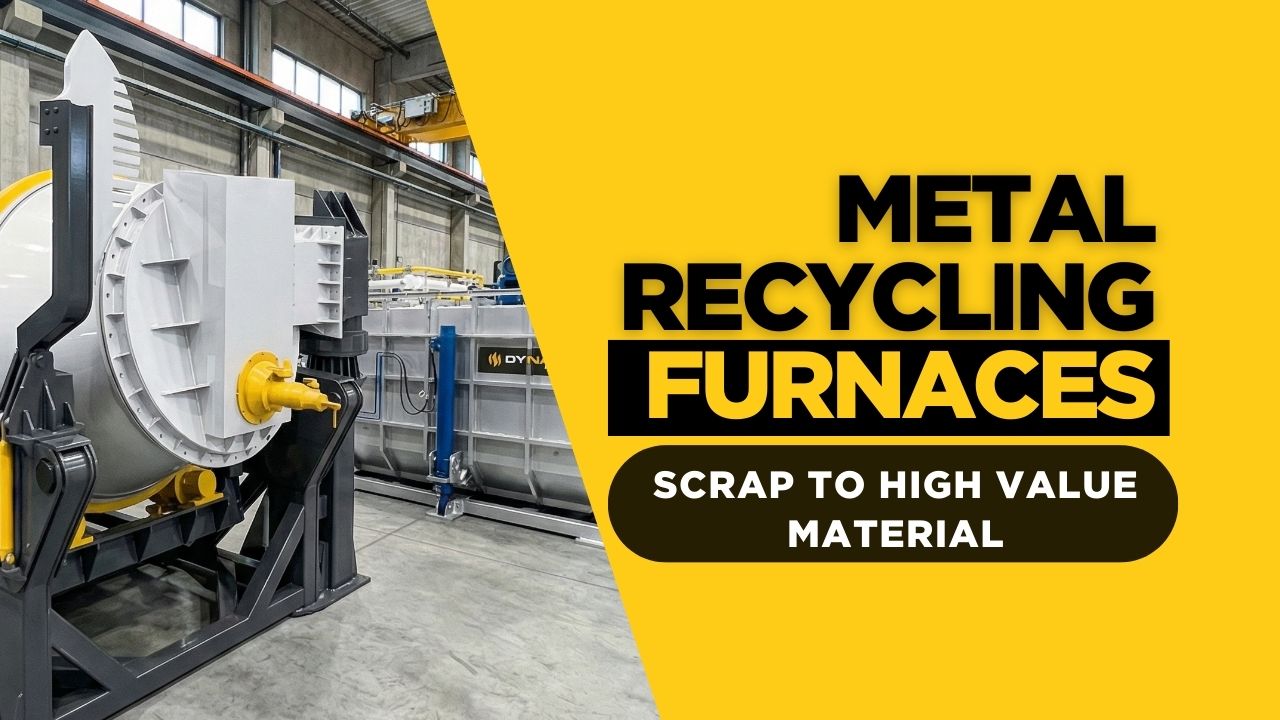
Aluminum Scrap Rotary Recycling Furnace

GDR-C Series

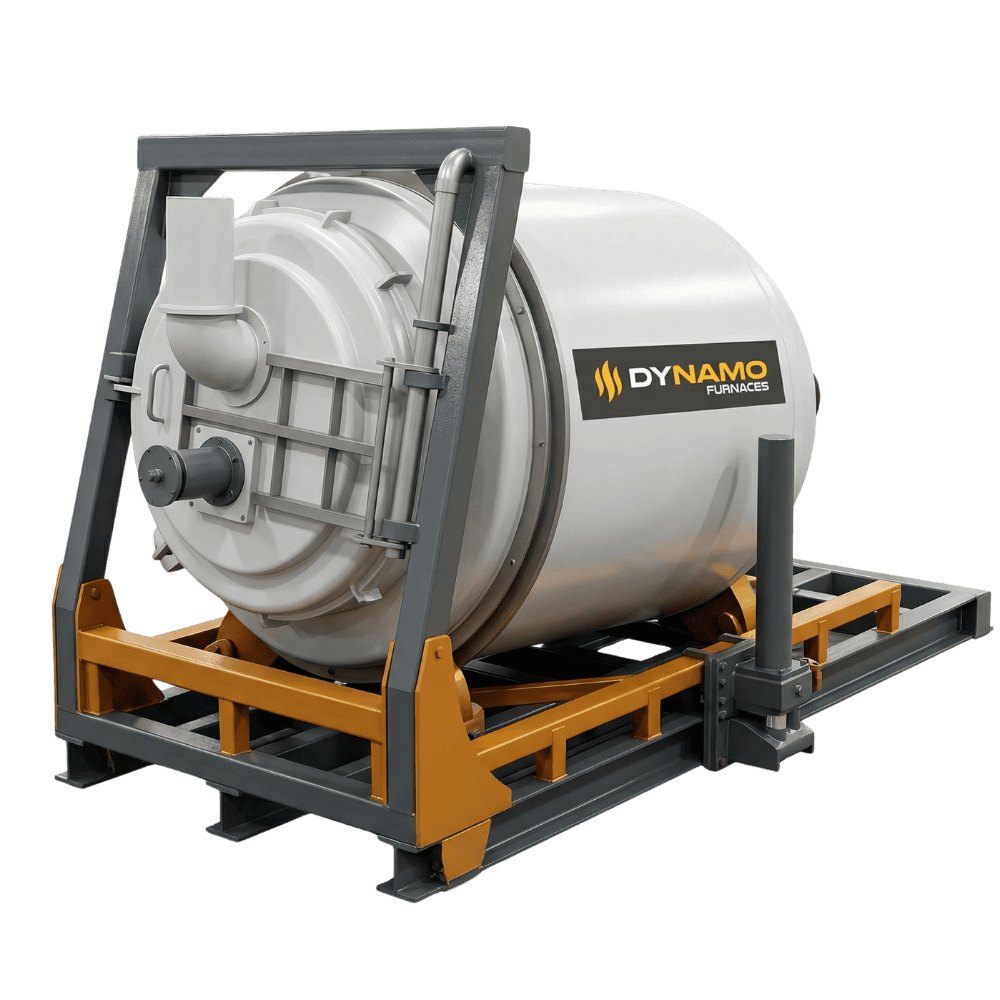
The GDR-C Series is a rotary aluminum scrap furnace for remelting prepared aluminum scrap and compatible foundry returns. This aluminum scrap recycling furnace is intended for secondary aluminum operations that need to evaluate variable charge shapes, scrap composition and a rotary melting process.

As an aluminum scrap remelting furnace, GDR-C should be specified around the approved material stream, charging method and required metal output. Mixed aluminum scrap requires alloy and contamination assessment; rotary action does not automatically make painted, oily, wet or salt-bearing material suitable. For oxide-rich dross, review the dedicated GDR-B aluminum dross recovery furnace.

TECHNICAL OVERVIEW

Rotary Scrap Recycling for Secondary Aluminum

The GDR-C aluminum rotary recycling furnace uses a rotating barrel for the scrap melting process. Rotation exposes the charge to the heated process environment; recoverable yield and operating duty still depend on feed condition, geometry and the quoted configuration.

Prepared Scrap and Variable Charge Geometry

Foundry returns, gates, risers and off-spec aluminum castings can be assessed as controlled scrap streams. Compare charge dimensions, bulk density and alloy segregation when choosing a secondary aluminum rotary furnace. Do not infer compatibility with every end-of-life or contaminated material.

Define the Scrap Remelting Specification

Specify incoming material, preparation, hourly and batch requirements, charging/discharge method, utilities, metal-quality targets and emissions controls. Vessel tilting, continuous feeding, salt flux and special treatment options require confirmation rather than being assumed from the rotary furnace category.

Applications For The GDR-C Series Aluminum Scrap Rotary Recycling Furnace

Prepared Aluminum Scrap Remelting

Use the GDR-C industrial aluminum scrap melting furnace as a product starting point for an approved prepared scrap stream. Feed composition, charge size and metal-output requirements should be documented before configuration.

Foundry Returns, Gates and Risers

Segregated casting returns, gates, risers, runners and off-spec castings are distinct from dross. Their known alloy and source help define remelting requirements; the furnace configuration must match their size and charging method.

Separate Scrap From Dross

Oxide-rich skimmings and dross require a separate recovery assessment. Refer those streams to the GDR-B dross recovery furnace instead of assuming that every scrap-remelting process is also a dross treatment process.

On-Site Scrap Recycling

For foundries and secondary aluminum producers, compare an internal remelting loop with external scrap recovery using metal quality, feed preparation, energy, utilization and residue-management costs.

Painted or Coated Scrap Assessment

Coatings, oils and organic contamination affect preparation, combustion and emissions requirements. GDR-C suitability for such material must be confirmed for the complete engineered process; no blanket coated-scrap capability is claimed.

Automotive and Die-Casting Returns

Review clean compatible aluminum production returns separately from machining chips and end-of-life assemblies. Mixed steel attachments, fluids or unknown alloys require sorting and assessment before any charging decision.

Variable Aluminum Scrap Streams

A mixed aluminum scrap furnace project requires a defined permitted feed blend and operating duty. Confirm whether the selected configuration uses batch charging or another approved arrangement rather than assuming continuous operation.

Recovered Metal for Downstream Casting

Sample the recovered aluminum and determine any treatment or alloy adjustment before reuse. Compare the broader aluminum recycling equipment range and the feedstock-to-ingot planning guide when designing the downstream line.

Frequently Asked Questions About The GDR-C Series Aluminum Scrap Rotary Recycling Furnace

What is the GDR-C Series intended to process?

Prepared aluminum scrap and compatible foundry returns are the focus. Confirm the permitted feed specification, size, alloy mix and preparation requirements for your project.

Does drum rotation establish whole-vessel tilting?

No. Drum rotation and whole-vessel tilting are different mechanisms. Confirm the charging and discharge arrangement in the GDR-C quotation rather than assuming one from the other.

Can painted, oily or wet scrap be charged directly?

No blanket direct-charging capability is claimed. Coated or oily feed requires process and emissions assessment. Wet feed must not be accepted as suitable; follow the approved preparation and charging procedures.

What information is needed to select a GDR-C configuration?

Provide the permitted feed blend, alloy range, charge dimensions, preparation condition, batch and hourly targets, utilities, metal-quality requirements and downstream handling plan. Confirm any additional treatment or special feedstock requirement in the engineered specification.

Which furnace should I review for dross or wheels?

For dross recovery review GDR-B; for prepared automotive aluminum wheel scrap review the GM-P Rim Eater wheel melting furnace. GDR-C remains focused on the rotary scrap-remelting requirement.

RELATED PROJECTS & POSTS