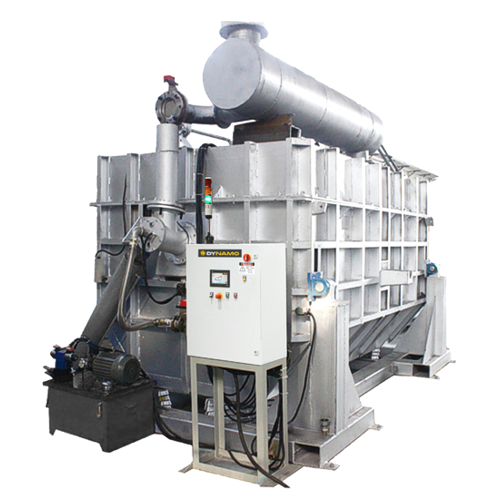
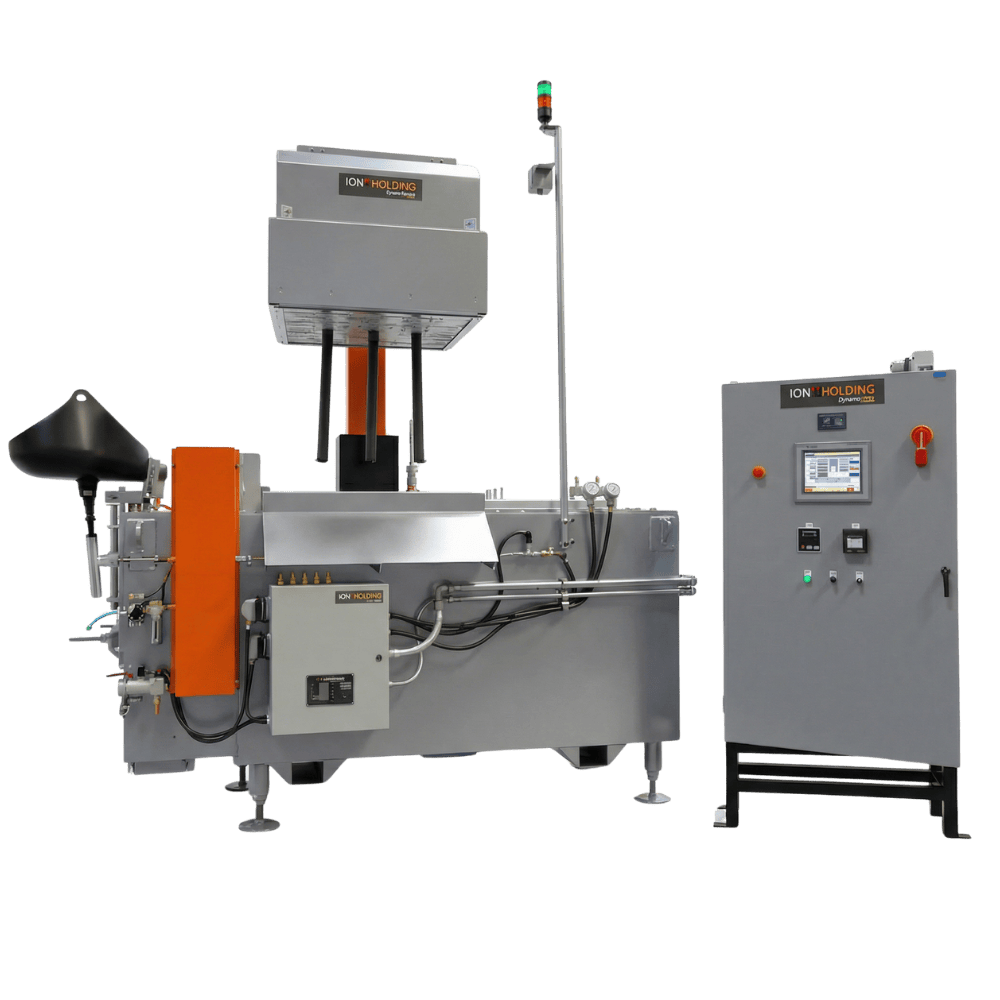
Furnace Controls & Automation Applications
Define controls from the process hazards, operating modes, production data, maintenance, permissions, and connected equipment.
PLC, HMI, Recipes, Alarms, Interlocks, Data Logging, Remote Support, and Line Integration
What Should an Industrial Furnace Control System Include?
Direct answer: a furnace control system should regulate temperature, burners or power, motion, charging, transfer, levels, recipes, alarms, interlocks, permissions, and safe states while recording the data needed for production and maintenance. The exact PLC/HMI architecture must follow the furnace and connected line—not a generic screen package.
Dynamo integrates controls with its equipment, but the current catalog does not list a stand-alone controls product. This page therefore describes application planning and links to verified equipment, commissioning, service, and technical resources.
Plan Your Furnace Controls & Automation Scope
Send the process information needed for an engineering review:
- Furnace and connected equipment
- Operating modes, recipes, and sequence
- Sensors, actuators, burners, drives, and levels
- Alarms, interlocks, emergency and safe states
- Data logging, reports, permissions, and remote support
- Plant network, standards, commissioning, and training
Controls Process: From Instrument to Verified Production
The controls architecture should make the thermal process repeatable, diagnosable, maintainable, and safe.
Define Process Modes
Document startup, production, hold, changeover, cleaning, maintenance, shutdown, fault, and recovery sequences.
Map Inputs & Outputs
List sensors, thermocouples, levels, pressure, flow, drives, valves, burners, heaters, motion, and feedback.
Design Interlocks
Define permissives, trips, safe states, reset logic, guarding, emergency response, and cause-and-effect.
Build HMI & Recipes
Organize status, trends, setpoints, permissions, recipes, prompts, diagnostics, and multilingual needs.
Plan Data & Networks
Specify tags, historians, reports, quality records, remote access, cybersecurity, and plant interfaces.
Test & Commission
Verify I/O, sequences, alarms, interlocks, calibration, acceptance tests, training, backup, and change control.
How to Specify Furnace PLC and HMI Automation
Write a functional description before selecting hardware. Define modes, sequences, cause-and-effect, alarm priorities, safe states, roles, recipes, data, interfaces, testing, training, backups, and change management. Hardware brands matter, but a clear process specification matters more.
| Control objective | Typical functions | Required definition |
|---|---|---|
| Temperature and energy control | PID, burners, heaters, zones, limits | Sensors, tuning, setpoints, safe limits |
| Material movement | Charging, tilting, transfer, conveyor, level | Sequence, feedback, interlocks, recovery |
| Operator interface | HMI, recipes, alarms, trends | Roles, language, prompts, diagnostics |
| Production records | Data logging, reports, traceability | Tags, retention, timestamps, integration |
| Support and maintenance | Remote diagnostics, backups, calibration | Network, permissions, cybersecurity, ownership |
Connected Equipment & Engineering Resources
Controls are integrated through all Dynamo equipment, supported by commissioning and training and service and parts.
Use the furnace control systems guide, industrial automation guide, commissioning checklist, and maintenance and calibration guide to define the scope.
Apply the architecture to metal melting processes; related paths are organized under applications by metal and applications by industry.
Controls, Commissioning & Support Paths
Verified Dynamo equipment and service paths. Controls are engineered as part of the applicable machine or system.
Integrated Furnace Equipment
Controls Included With Equipment
Review Dynamo furnace and processing equipment with integrated control requirements.
Commissioning & Training
Startup and Handover
Plan installation checks, I/O verification, acceptance, operator training, and first production.
Service & Parts
Lifecycle Support
Review maintenance support, parts, troubleshooting, backups, calibration, and upgrades.
Process Applications & Production Environments
Dynamo equipment and engineering resources can be evaluated for:
- Melting and holding furnace control
- Chip washing, drying, and recovery lines
- Scrap and dross recycling systems
- Ingot, sow, and deox casting lines
- Charging, tilting, transfer, and level control
- Recipe and alloy management
- Alarm and interlock systems
- Production and quality data logging
- Remote diagnostics and support
- Commissioning, training, and lifecycle service
Final equipment selection requires confirmation of the actual material, process, rate, utilities, layout, controls, safety, and quality requirements.
Furnace Controls & Automation FAQs
The current public catalog presents controls as part of equipment and engineered systems, not as a separate catalog product. Confirm the required scope with Dynamo.
Operating mode, temperatures, setpoints, energy or burner status, motion, levels, alarms, interlocks, trends, recipes, prompts, and diagnostics as appropriate.
An interlock prevents or stops an action when required conditions are not satisfied, helping equipment enter a defined safe state.
Often yes. Temperature, alarms, batches, recipes, events, production, quality, and maintenance data may support traceability and improvement.
Teams verify installation, I/O, calibration, sequences, alarms, interlocks, safety functions, performance, backups, documentation, and training.
Provide equipment, process description, I/O, sequences, plant standards, brands, networks, data, remote access, roles, acceptance tests, and cybersecurity requirements.
RELATED TECHNICAL GUIDES
Furnace Control Systems: PLC, HMI, Alarms, and Data Logging for Safer Production
Learn how furnace control systems use PLCs, HMIs, alarms, recipes, interlocks, and data logging to support safer production.
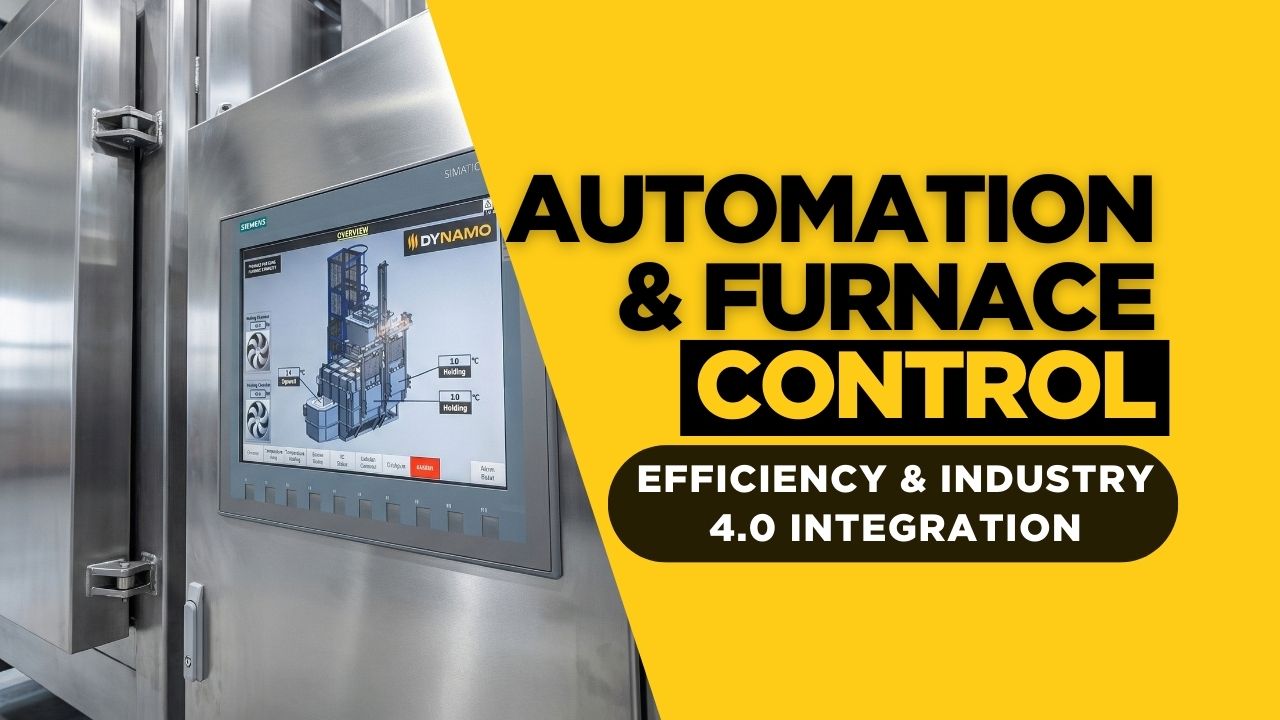
Industrial Automation & Furnace Control Systems: Precision, Efficiency & Industry 4.0 Integration
Modern manufacturing depends on automation. As furnaces become more advanced and production demands increase, facilities rely on intelligent control systems
Industrial Furnace Commissioning Checklist: From Installation to First Melt
Use this industrial furnace commissioning checklist to plan installation, utilities, controls, heat-up, safety checks, and first melt.
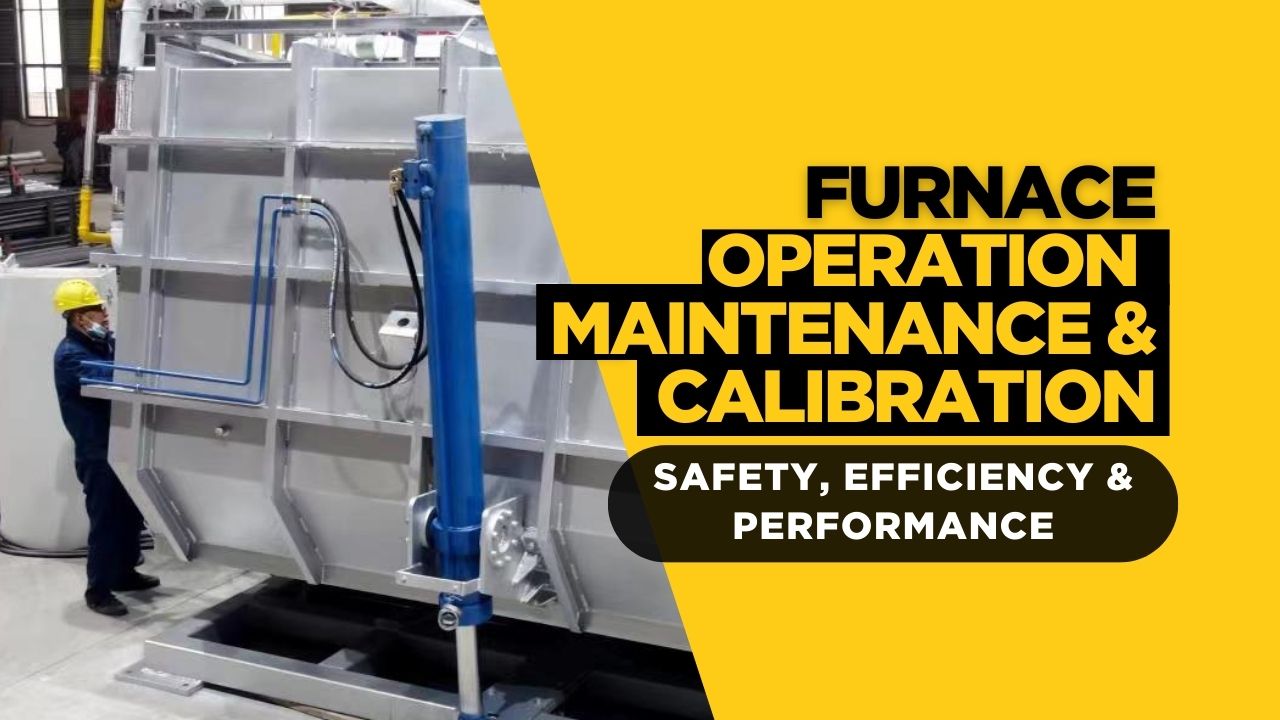
Furnace Operation, Maintenance & Calibration: Ensuring Safety, Efficiency & Long‑Term Performance
Industrial furnaces are among the most critical assets in manufacturing. Whether used for melting, heat treating, or controlled‑atmosphere processing, their