Scrap & Dross Recycling Furnace Applications
Select the recovery path from representative material data, contamination, recoverable metal, residue, throughput, and final product.

Scrap Preparation, Rotary Recovery, Dross Processing, Melting, Holding, and Final Casting

How Do Scrap and Dross Recycling Furnace Systems Differ?

Direct answer: aluminum scrap and dross are different feedstocks. Scrap may require sorting, shredding, de-ironing, drying, or decoating before melting. Dross contains entrained metal plus oxide and residue and requires a dedicated recovery process. A complete line may connect preparation, scrap or dross recovery, melting, holding, treatment, transfer, and ingot or sow casting.

Selection starts with samples, chemistry, moisture, coatings, size, density, recoverable metal, throughput, residue route, emissions, and final product—not the generic word “scrap.”

Plan Your Scrap or Dross Recovery System

Send the process information needed for an engineering review:

  • Scrap or dross type and alloy
  • Moisture, oil, coatings, iron, fines, and dirt
  • Size distribution, density, and incoming rate
  • Preparation and charging method
  • Recovery target, residue, holding, and casting
  • Utilities, emissions, floor space, automation, and output

Recycling Process: From Incoming Material to Saleable Metal

Preparation, recovery, melting, holding, residue, and casting must be balanced around the same material flow.

01

Sample the Feedstock

Measure chemistry, moisture, oil, coatings, iron, fines, dirt, density, dross metal content, and variation.

02

Define Preparation

Plan sorting, shredding, de-ironing, crushing, drying, decoating, storage, and controlled charging.

03

Choose Recovery Stage

Match rotary scrap, dross, chip-and-scrap, or other equipment to material condition and output.

04

Stabilize Liquid Metal

Coordinate temperature, skimming, chemistry, treatment, holding time, sampling, and transfer.

05

Manage Residue

Plan dross, salt or oxide residue, dust, emissions, cooling, storage, handling, and compliant disposition.

06

Cast Final Product

Match ingot, sow, liquid metal, or internal return output to casting rate, quality, and logistics.

How to Select a Scrap or Dross Recycling Line

Build a material and mass balance from incoming gross weight through prepared feed, recovered liquid metal, dross, residue, and finished output. Compare usable recovery, energy per recovered tonne, consumables, labor, emissions, residue, maintenance, chemistry flexibility, and total continuity.

Incoming streamTypical pathPrimary risks
Mixed prepared aluminum scrapRotary scrap recyclingContamination, coatings, chemistry, residue
Aluminum drossDedicated dross recoveryMetal content, condition, residue, control
Compatible chips and scrapCombined recoveryMoisture, density, feed balance, oxidation
Clean dense returnsConventional or dry-hearth meltingGeometry, charging, dross, yield
Recovered liquid metalHolding and ingot/sow castingTemperature, treatment, chemistry, output rate

Connected Equipment & Engineering Resources

Scrap, Dross & Recovery Equipment

Representative Dynamo platforms for rotary scrap recovery, dross processing, combined feed, and final ingot casting.

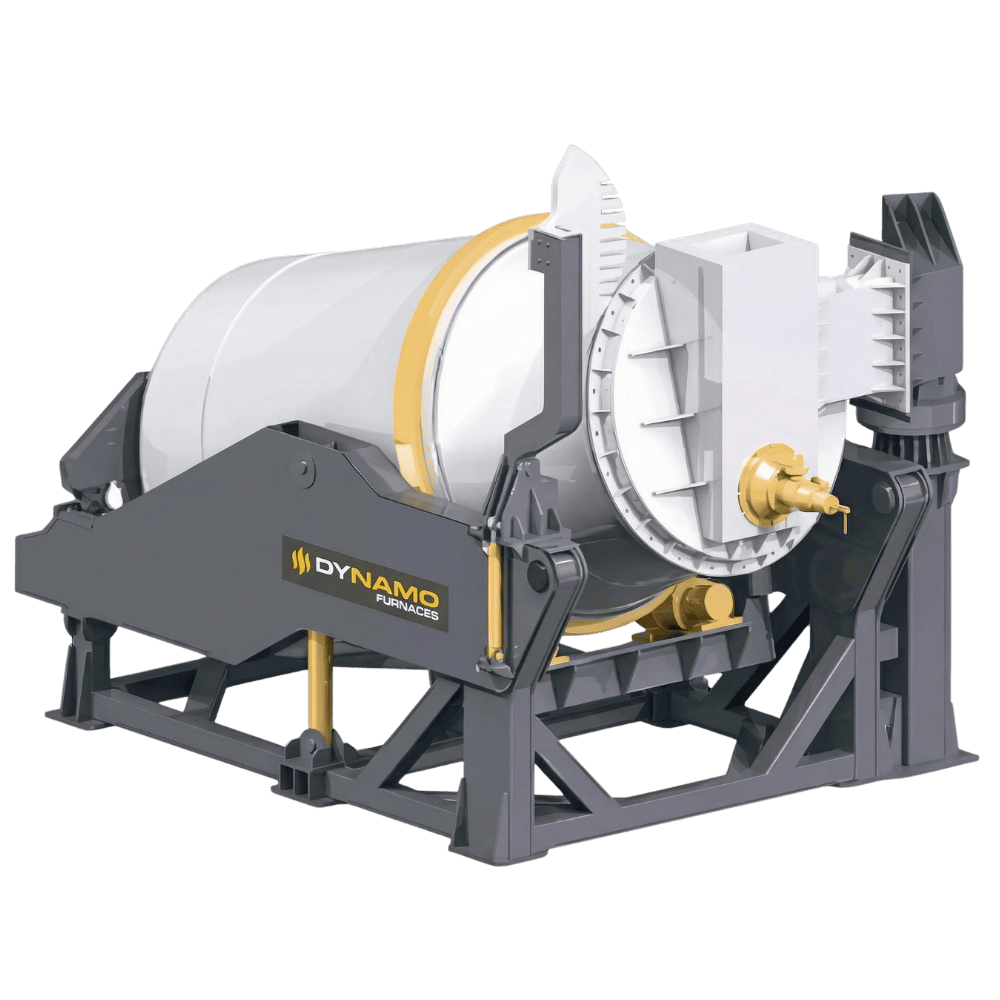
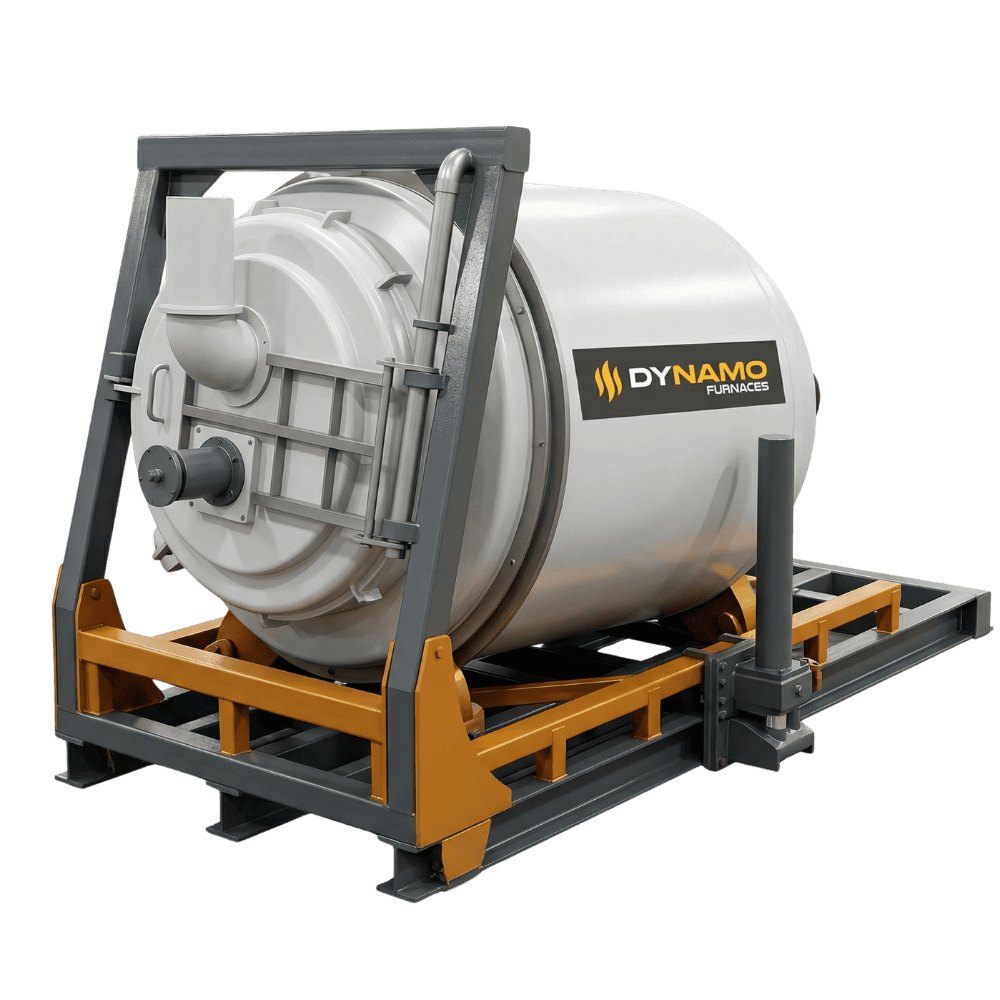
Rotary Scrap Recycling Furnace

GDR-C Series

Process selected aluminum scrap streams with rotary recovery.

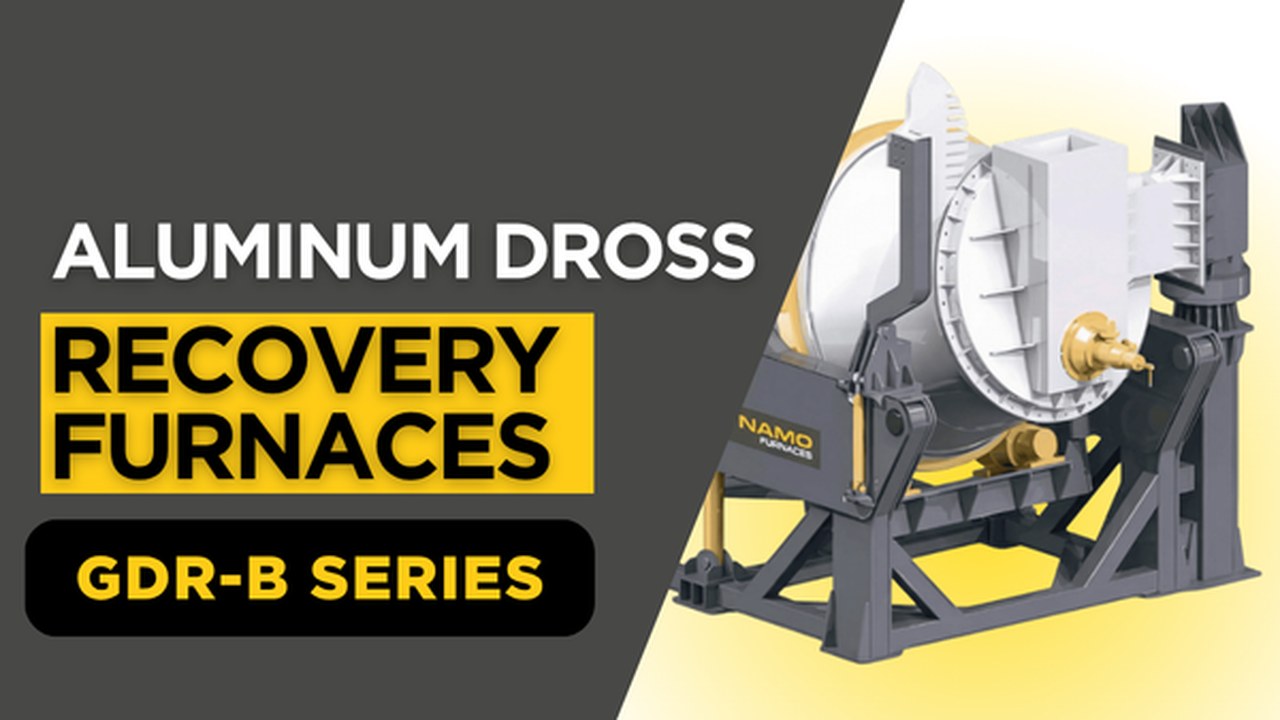
Dross Recovery Furnace

GDR-B Series

Recover usable aluminum from dross with planned residue handling.

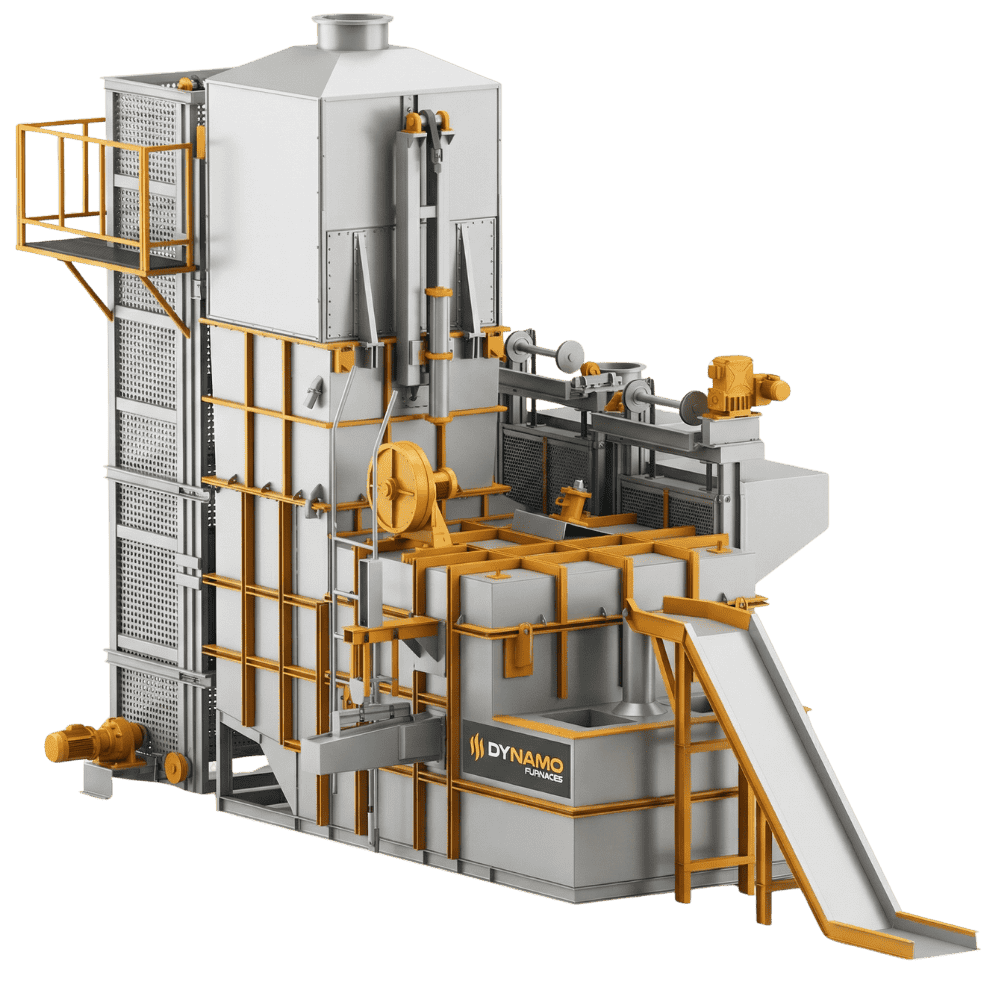
Chip & Scrap Melting Furnace

GM-G Series

Combined recovery for prepared aluminum chips and compatible scrap.

Ingot Casting Machine

CM-A Series

Automated aluminum ingot casting, cooling, discharge, and handling.

Process Applications & Production Environments

Dynamo equipment and engineering resources can be evaluated for:

  • Automotive wheels and returns
  • Extrusion scrap and clean profiles
  • Foundry gates, runners, and rejects
  • Aluminum dross with recoverable metal
  • Mixed prepared secondary scrap
  • Chip-and-scrap blends
  • Internal closed-loop recovery
  • Merchant secondary aluminum
  • Recovered ingot production
  • Toll processing and recycling plants

Final equipment selection requires confirmation of the actual material, process, rate, utilities, layout, controls, safety, and quality requirements.

Scrap & Dross Recycling Furnace FAQs

Is dross the same as scrap?

No. Dross contains entrained metal plus oxides and residues; scrap covers many solid return streams. Their preparation and recovery equipment differ.

How is recovery calculated?

Track prepared dry input, recovered usable metal, dross and residue, chemistry, moisture, and final output rather than gross incoming weight alone.

Does scrap require preparation?

Often. Sorting, shredding, de-ironing, drying, decoating, or size reduction may be needed depending on the stream.

Can one line handle several alloys?

Possibly, but segregation, campaigns, cleanout, sampling, holding, and chemistry limits must be defined.

What final products can be made?

Recovered metal may become liquid internal return, ingot, sow, billet feed, or another approved output depending on chemistry and casting equipment.

What project data is required?

Provide samples, analyses, contaminants, moisture, size, density, rate, recovery target, residue route, final output, utilities, emissions, and layout.

RELATED TECHNICAL GUIDES