

Melting & Holding Applications by Industry
Melting & Holding Applications by Industry
Compare melting furnaces, holding furnaces, recycling systems, and casting equipment by production environment, metal, throughput, and downstream process.
Industrial Melting and Holding Furnace Applications
Different industries can use the same alloy but require very different furnace systems. An automotive die-casting plant may prioritize continuous high melt rate and dependable metal delivery to multiple casting cells. A precision foundry may care more about batch control, alloy changes, temperature repeatability, and clean transfer. A secondary aluminum recycler must evaluate incoming scrap condition, contamination, recovery, dross generation, and the final form of the recovered metal.
This industry hub helps engineering, production, and purchasing teams compare industrial melting furnace applications and holding furnace applications before selecting equipment. Choose the production environment closest to your operation, then review the metal, energy source, furnace role, melt rate, holding capacity, transfer method, and downstream casting requirements that should guide the project.
Choose Your Industry
Start with your production environment. Each path below connects the industry challenge to suitable melting, holding, recycling, and casting equipment.
Four Decisions That Shape the Furnace System
Industry is the starting point, but the equipment must be selected around the real production duty.
Metal & Feedstock
Define alloy families, ingot, returns, chips, scrap, dross, contamination, batch changes, and metal-quality requirements.
Melt Rate & Demand
Match hourly melting, peak demand, holding reserve, operating schedule, and casting-cell consumption without creating bottlenecks.
Energy & Controls
Compare gas and electric heating, available utilities, energy cost, emissions goals, temperature control, recipes, and data needs.
Transfer & Casting
Plan how molten metal moves to holding, treatment, filtration, launders, ladles, die-casting machines, molds, or ingot systems.
How Industry Requirements Change the Equipment Fit
Open the industry closest to your plant for a concise equipment-fit overview. Dedicated child pages will expand each path after this parent-page design is approved.
Automotive aluminum casting programs often need high melt rates, predictable metal delivery, and enough holding capacity to protect production during charging or maintenance. Stack, shaft, ramp, dry-hearth, and reverberatory furnaces may support central melting, while gas or electric holding furnaces maintain temperature near die-casting or permanent-mold cells. The correct arrangement depends on alloy segregation, return scrap, cycle demand, transfer distance, metal treatment, and redundancy.
Common equipment paths: gas melting furnaces, holding furnaces, and ingot casting equipment.
Die-casting foundries must balance melting capacity with the real consumption pattern of each cell. Central melting can improve efficiency, while local holding supports temperature stability and production continuity. Useful project data includes alloy, melt loss target, return scrap percentage, hourly casting demand, number of machines, transfer method, treatment steps, and required backup capacity.
Common equipment paths: melting furnaces and gas or electric holding furnaces.
Extrusion and billet operations require a stable metal supply, controlled chemistry, and consistent temperature before casting or downstream handling. Furnace selection should account for scrap form, alloy changes, melt and hold volumes, treatment requirements, casting rate, and the desired billet or log quality. Electric holding may be attractive where precise temperature control and localized operation are priorities.
Common equipment paths: electric melting furnaces, holding furnaces, and casting equipment.
Secondary aluminum systems begin with feedstock characterization. Clean ingot, mixed scrap, wheels, chips, turnings, and dross require different preparation and furnace strategies. Recovery, oxidation, contamination, charging safety, dross handling, downstream holding, and whether the metal will be returned to production or cast into ingot must be evaluated as one process.
Common equipment paths: metal recycling furnaces, chip recycling furnaces, and the aluminum chip recycling application guide.
Precision casting programs may favor controlled batch sizes, repeatable recipes, close temperature control, cleaner operation, and flexible alloy management. Electric crucible and tilting furnaces can support these priorities when selected around the casting alloy, batch size, temperature range, treatment practice, transfer method, and quality-control plan.
Common equipment path: electric crucible and tilting melting furnaces.
Copper and brass melting requires equipment, refractories, heating capacity, and operating practices suited to higher temperatures and the selected alloy. Crucible size, pour method, batch frequency, temperature control, ventilation, charging practice, and downstream mold or casting process should be documented before choosing a gas-fired round or tilting furnace.
Common equipment path: copper and brass gas crucible melting furnaces.
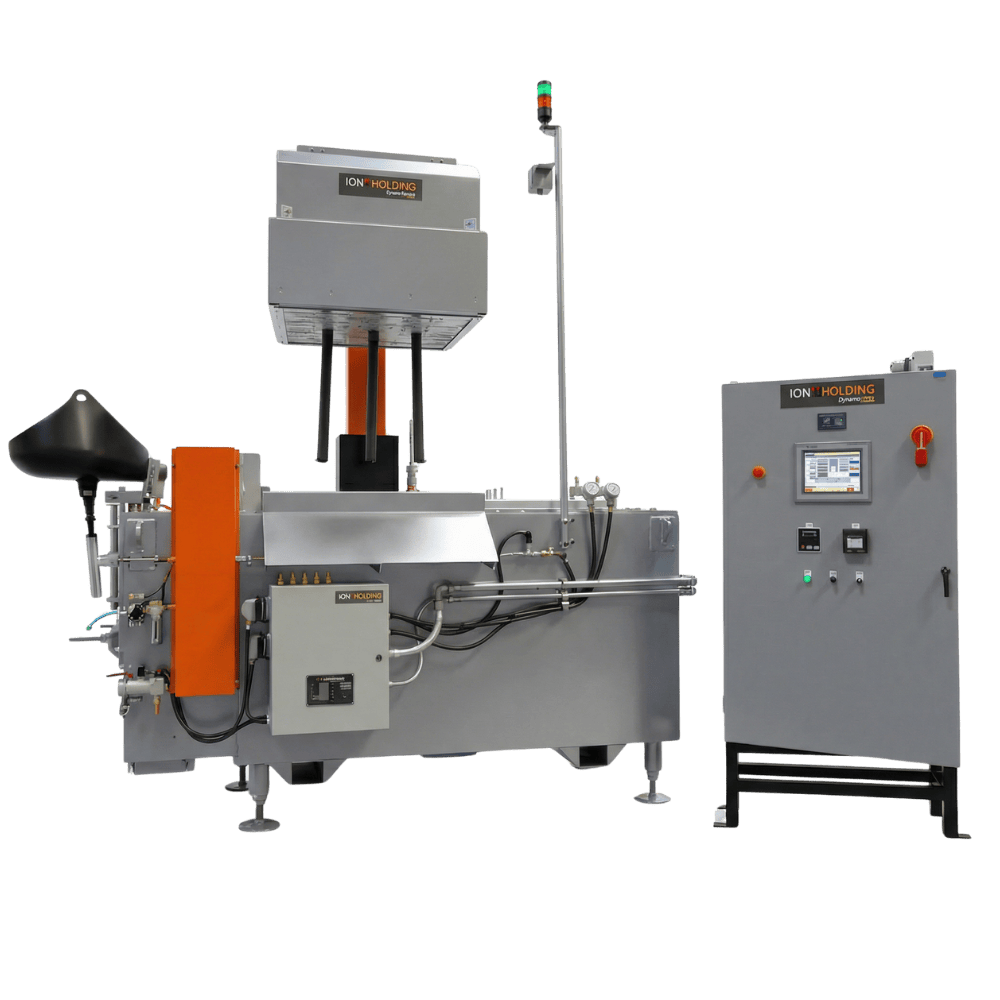
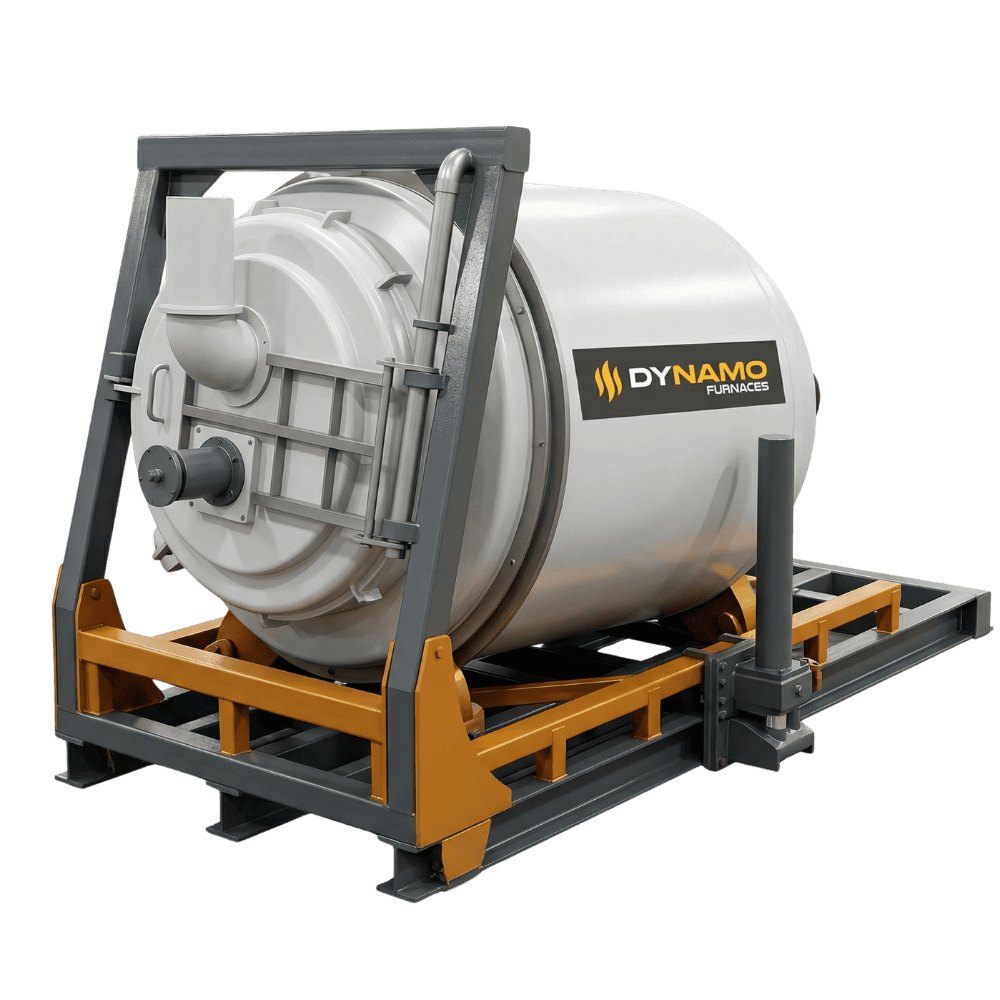
Explore Dynamo Furnace and Recycling Equipment
Use the industry guidance together with these established equipment families to narrow the most relevant furnace role and heating method.


Melting and Holding Applications by Industry FAQ
Use the industry to define the operating environment, then use the metal and feedstock to define the furnace duty. Both matter. The same aluminum alloy can require a different system in an automotive die-casting plant, a recycler, an extrusion operation, or a precision foundry.
Compare required melt rate, batch size, available utilities, local energy cost, temperature-control needs, emissions goals, maintenance capabilities, installation constraints, and the downstream process. Dynamo can review gas and electric options against the same production data.
A separate holding furnace can isolate melting from casting demand, stabilize delivery temperature, provide buffer capacity, support treatment or transfer, and keep production running while the melter is being charged. The required hold volume should be based on actual demand and recovery time.
Provide industry and process, alloy, feedstock form, current and target melt rate, operating hours, holding volume, number of casting or production cells, transfer method, utilities, floor space, emissions requirements, and desired automation or data functions.
Some systems can support multiple feed forms or alloy programs, but compatibility should not be assumed. Alloy contamination, cleanout time, refractory compatibility, charging method, temperature range, and production scheduling determine whether a shared furnace is practical.
Dynamo can review melting, holding, recycling, transfer, chip preparation, and ingot or sow casting as connected stages. Final scope depends on the material stream, process goals, utilities, site conditions, and required interfaces with existing equipment.
Discuss Your Industry, Metal, and Production Requirements
Send Dynamo your alloy, feedstock, melt rate, holding demand, casting process, operating schedule, utilities, floor space, and project goals. Our team can help identify the most suitable melting, holding, recycling, transfer, and casting equipment path.