Brass & Bronze Melting Furnace Applications
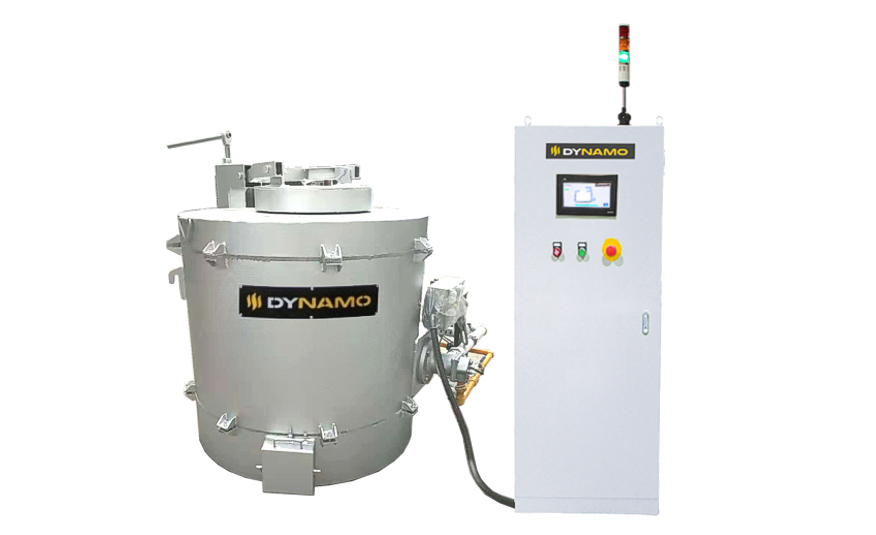
Match furnace and crucible practice to alloy chemistry, zinc-bearing fumes, temperature, batch size, pouring control, and component quality.
Crucible Melting and Controlled Pouring for Brass, Bronze, and Copper-Based Alloys
What Furnace System Is Best for Brass and Bronze?
Direct answer: brass and bronze foundries commonly use purpose-selected crucible furnaces. A stationary furnace supports dip-out or ladle practice; a tilting furnace provides controlled discharge. The correct choice must account for the exact copper-based alloy, zinc or tin content, melting and pouring temperature, oxidation, volatilization, dross, crucible compatibility, fume capture, batch schedule, treatment, and casting method.
Brass and bronze are not interchangeable furnace duties. Brass may require particular attention to zinc loss and ventilation, while bronze families vary widely in tin, aluminum, silicon, lead, and other constituents. The equipment and operating procedure must be reviewed against the actual alloy specification.
Plan Your Brass or Bronze Furnace System
Send the alloy, batch, and pouring information needed for an application review:
- Exact brass, bronze, or copper-based alloy grades
- Ingot, returns, clean scrap, and charge dimensions
- Batch weight, heats per shift, and production schedule
- Melting, superheat, holding, and pouring temperatures
- Crucible practice and stationary or tilting discharge
- Fume capture, utilities, layout, controls, and quality requirements
Brass & Bronze Furnace Planning: From Alloy Charge to Finished Casting
Alloy chemistry, temperature, crucible, ventilation, pouring, and traceability must be coordinated before selecting capacity.
Identify Exact Alloy
Document brass or bronze grade, copper base, zinc, tin, aluminum, silicon, lead, specification, returns, and chemistry limits.
Control Temperature
Define liquidus, melt, superheat, holding, and pour windows that limit unnecessary exposure and alloy loss.
Select Crucible Practice
Match crucible composition, capacity, life, preheat, cleaning, inspection, handling, replacement, and dedicated-alloy strategy.
Manage Fume & Oxidation
Plan covers, extraction, ventilation, skimming, treatment, temperature discipline, exposure, and local compliance.
Choose Pouring Method
Compare dip-out, ladle transfer, and controlled tilting around batch size, mold demand, transfer path, turbulence, and safety.
Verify Quality & Records
Coordinate samples, chemistry adjustment, temperature records, alloy campaigns, maintenance, and casting traceability.
How to Select a Brass or Bronze Melting Furnace
Selection begins with the certified alloy grade, not the general words brass or bronze. Define composition, batch, temperature window, crucible, charging sequence, treatment, exposure time, discharge method, ventilation, and mold demand. Compare batch cycle, alloy loss, dross, crucible life, energy, maintenance, labor, fume controls, and the quality risk of each transfer step.
| Brass or bronze duty | Typical furnace role | Critical review points |
|---|---|---|
| Stationary batch melting | GM-A / BRS crucible furnace | Alloy, temperature, crucible, dip-out, ventilation |
| Controlled tilting discharge | GM-B / BRS tilting crucible furnace | Tilt rate, receiver, turbulence, mold schedule |
| Zinc-bearing brass | Controlled crucible melting | Temperature exposure, zinc loss, fumes, extraction |
| Tin, aluminum, or silicon bronze | Alloy-specific crucible practice | Chemistry, crucible compatibility, treatment, cleanout |
| Multiple alloy campaigns | Scheduled batch melting | Segregation, dedicated crucibles, records, changeover |
Connected Equipment & Engineering Resources
Compare the GM-A / BRS stationary crucible furnace with the GM-B / BRS tilting crucible furnace when controlled discharge is required. Adjacent equipment is organized in the gas melting furnace family.
Alloy-specific issues are explained in the copper, brass, and bronze melting guide and the brass and bronze furnace buyer guide. Furnace geometry and discharge choices are covered in the crucible furnace design guide.
Use the metal melting furnace guide and metal melting-points guide before final sizing. Related solution paths are organized under applications by industry and applications by process.
Recommended Brass & Bronze Melting Furnaces
These stationary and tilting BRS-series crucible platforms can be reviewed for brass, bronze, copper, and other heavier non-ferrous alloy duties.
Copper Crucible Melting Furnace
GM-A / BRS Series
Stationary gas crucible melting for copper, brass, bronze, and heavier non-ferrous alloys.
Tilting Crucible Melting Furnace
GM-B / BRS Series
Controlled tilting and discharge for copper, brass, bronze, and heavier alloy batches.
Brass and Bronze Casting Applications
Dynamo equipment can be evaluated for production associated with:
- Valves, fittings, and plumbing components
- Bushings, bearings, sleeves, and wear parts
- Marine and corrosion-resistant castings
- Electrical and conductive components
- Architectural and decorative castings
- Industrial hardware and machine components
- Jobbing foundries with varied alloy campaigns
- Sand, permanent-mold, and gravity casting
- Prototype and specialty production
- Programs requiring chemistry and heat traceability
The exact alloy, batch, temperature, crucible, fume-control requirement, transfer route, casting process, and customer specification determine the furnace fit.
Brass & Bronze Melting Furnace FAQs
Possibly, but the exact alloys, crucible compatibility, temperature, cleanout, cross-contamination, campaign schedule, treatment, and quality requirements must be reviewed. Dedicated crucibles may be necessary.
Excess temperature and exposure can increase zinc volatilization, change chemistry, create fumes, and affect recovery. Temperature discipline, covers, ventilation, and alloy practice are important.
Crucible furnaces are common for many bronze foundries, but the alloy family, batch, temperature, treatment, crucible, discharge method, and production rate determine the configuration.
Tilting is useful when controlled batch discharge reduces manual dip-out or coordinates with a ladle, launder, mold, or transfer vessel. The receiving path and safety system must be designed together.
Use batch weight, melt cycle, heats per shift, alloy campaigns, holding and pouring time, crucible capacity, downtime, and future demand rather than nominal volume alone.
Provide alloy grades, charge form, batch and shift output, temperatures, crucible practice, pouring method, ventilation, utilities, floor plan, controls, and applicable quality standards.
RELATED TECHNICAL GUIDES
Copper, Brass, and Bronze Melting: What Changes When the Crucible Furnace Handles Heavier Alloys
Review copper, brass, and bronze crucible melting considerations, including heavier alloys, pouring control, crucible practice, and GM-B/BRS planning.
Where Can I Buy a Crucible Furnace for Melting Brass and Bronze?
Learn what to check when buying a crucible furnace for brass and bronze, including alloy temperature, crucible practice, controls, and support.
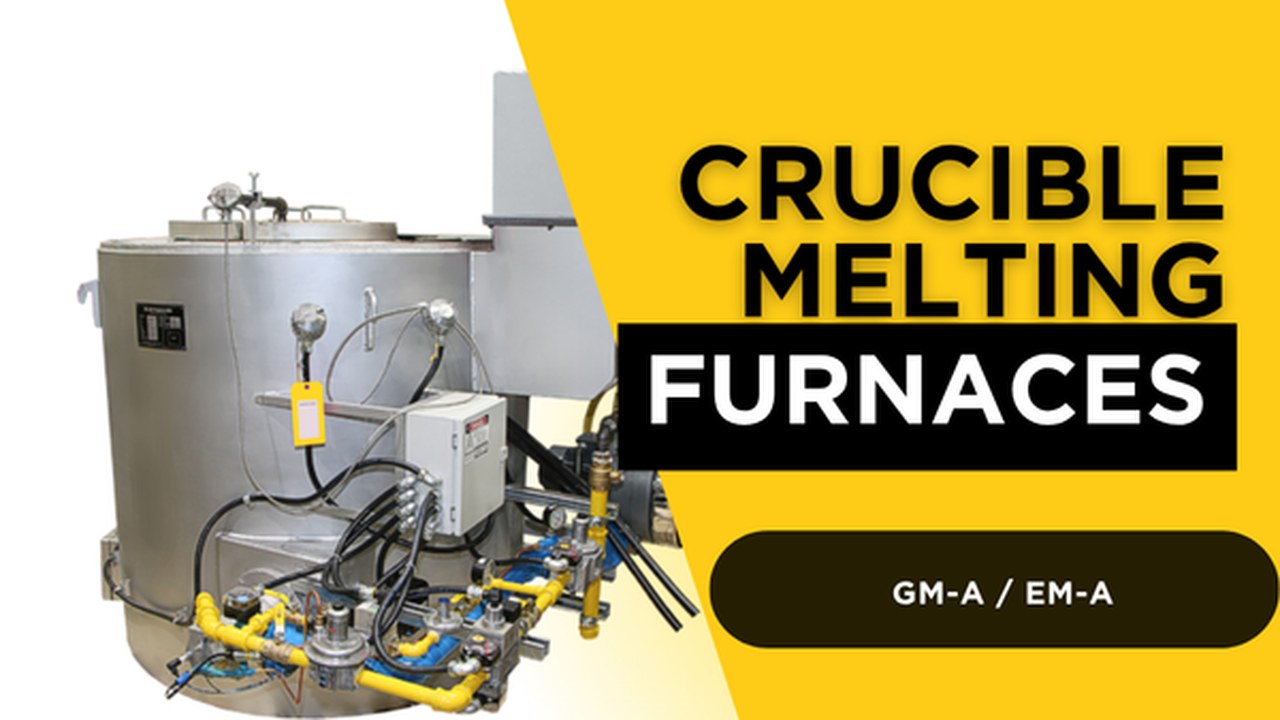
Crucible Melting Furnaces Explained: Round, Square, and Tilting Designs for Foundries
Compare round, square, and tilting crucible melting furnaces for aluminum and copper foundries, including gas and electric options.
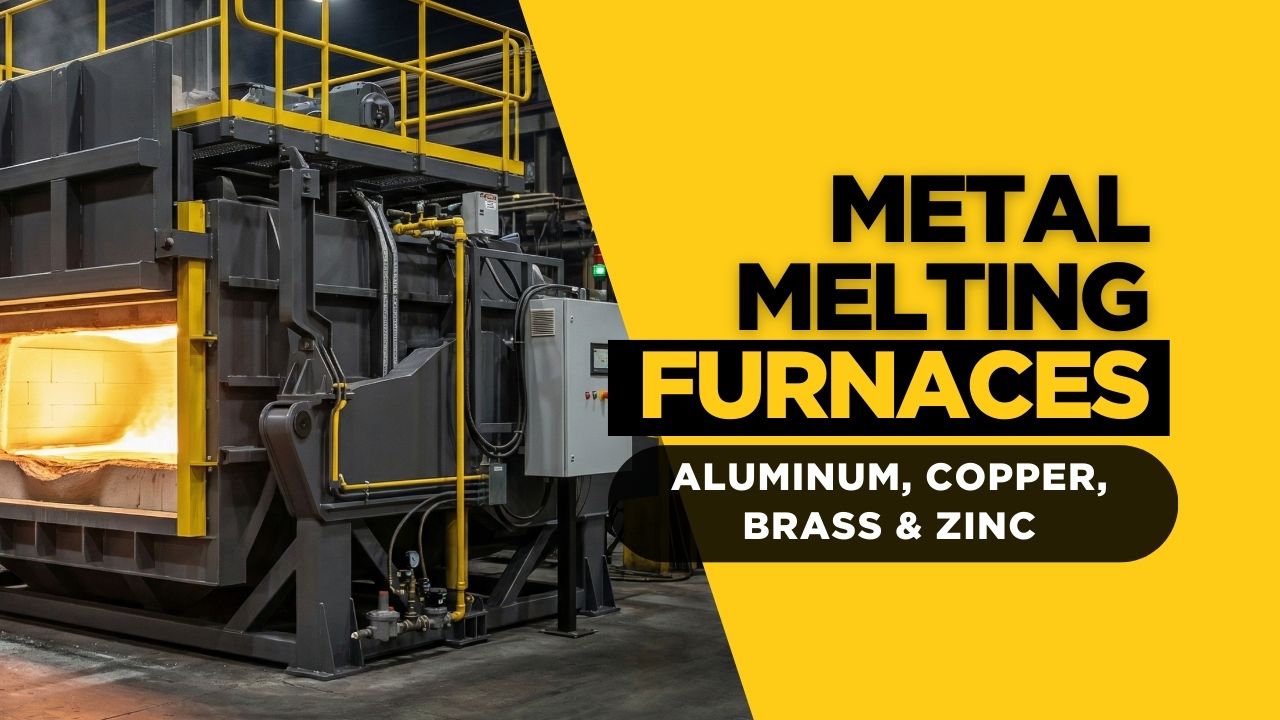
Metal Melting Furnaces: Aluminum, Copper, Brass & Zinc – A Complete Technical Guide
Metal melting is one of the most energy‑intensive and technically demanding operations in manufacturing. Whether a facility is producing aluminum