Automotive Aluminum Foundry Melting & Holding Applications
Plan a reliable molten-aluminum supply for die casting, permanent mold, structural casting, wheel, powertrain, and mobility-component production.
Automotive Aluminum Melting, Holding, Recycling, and Metal-Delivery Systems
What Furnace System Does an Automotive Aluminum Foundry Need?
Direct answer: most high-output automotive casting plants need a coordinated system rather than one stand-alone furnace. A central aluminum melting furnace supplies clean molten metal; one or more holding furnaces stabilize temperature near the casting cells; transfer equipment connects the stages; and controls balance melt recovery with real shift demand. The final equipment mix depends on alloy families, casting process, hourly consumption, return scrap, transfer distance, metal-quality targets, utilities, and redundancy.
This page covers automotive aluminum foundry furnaces, die-casting melting furnaces, central melt systems, molten-aluminum holding, return-metal recovery, and furnace selection for high-pressure die casting (HPDC), low-pressure die casting (LPDC), permanent mold, gravity casting, structural castings, wheels, powertrain components, and other mobility applications.
Plan Your Automotive Furnace System
Send us the information that determines the right melting-and-holding arrangement. A useful first review includes:
- Aluminum alloys and incoming feedstock
- Hourly and shift metal demand
- HPDC, LPDC, permanent-mold, gravity, or structural casting process
- Number of casting cells and transfer distance
- Return scrap, wheel scrap, chips, or other recovery streams
- Gas and electrical utilities, floor space, and emissions requirements
- Temperature tolerance, automation, maintenance, and redundancy goals
Automotive Aluminum Furnace System: From Charge to Casting Cell
The strongest automotive foundry layout treats melting, holding, transfer, recycling, and controls as one connected production system. Each stage must be sized around the same demand profile.
Define the Metal Load
Document ingot, returns, gates, runners, wheel scrap, machining chips, contamination, moisture, alloy families, batch size, and charge frequency.
Match Melt Supply
Calculate average and peak consumption, furnace recovery time, shift schedule, planned downtime, growth, and the metal reserve needed to prevent starved casting cells.
Stabilize Near the Cells
Size holding capacity around transfer rhythm, temperature loss, replenishment rate, alloy residence time, and the production buffer required for each die-casting area.
Protect Melt Quality
Control temperature, oxidation, dross, turbulence, metal treatment, transfer exposure, and alloy segregation from charging through the casting machine.
Close the Return Loop
Plan how clean returns, wheels, chips, swarf, and other automotive aluminum streams will be sorted, prepared, remelted, held, and returned to production.
Integrate Controls & Access
Specify PLC/HMI functions, alarms, data logging, remote support, interlocks, maintenance clearances, traffic routes, and safe hot-metal handling.
How to Match Furnace Type to Automotive Production
There is no universal automotive melting furnace. The correct selection follows the material stream and production duty. Central systems suit steady, high-volume demand; flexible furnaces suit batch work, alloy changes, and variable returns; holding furnaces protect casting-cell stability; and recycling systems address feedstocks that standard melters cannot accept safely or efficiently.
| Production need | Typical furnace role | Engineering questions |
|---|---|---|
| Multiple high-output casting cells | Central tower or other central melting furnace plus local holding | Peak demand, transfer distance, buffer capacity, redundancy |
| Large returns or varied clean scrap | Dry-hearth or reverberatory melting system | Charge geometry, contamination, recovery, dross, charging method |
| Controlled batch melting and discharge | Tilting reverberatory or tilting crucible furnace | Batch size, alloy changes, pouring method, cycle time |
| Temperature stability at the die-casting cell | Gas or electric holding furnace | Cell consumption, replenishment, temperature tolerance, emissions |
| Wheel, chip, or swarf recovery | Dedicated recycling and preparation equipment | Moisture, oil, coatings, density, recovery target, final output |
For a deeper process-level review, read Furnace Planning for Die Casting Cells. Plants recovering automotive wheels should also review Aluminum Rim Recycling Furnaces.
Recommended Furnaces for Automotive Aluminum Foundries
These established Dynamo product families cover high-output central melting, flexible return-metal melting, controlled batch discharge, and molten-metal holding near automotive casting cells.
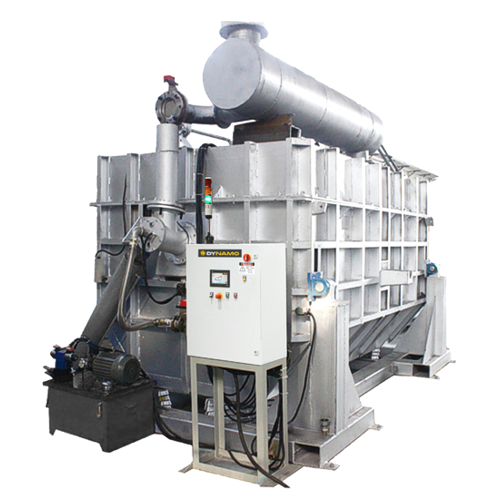
Central Tower Melting Furnace
GM-H Series
High-output aluminum melting for central melt systems supplying multiple casting cells.
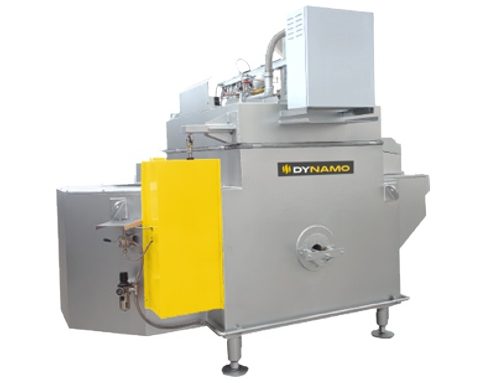
Dry Hearth Melting Furnace
GM-D Series
Flexible aluminum melting for returns and production scrap with controlled charging.
Tilting Reverberatory Furnace
GM-J Series
Large-batch aluminum melting with controlled furnace tilting and metal discharge.
Gas Holding Furnace
GH-A Series
Stable molten aluminum temperature and buffer capacity near die-casting cells.
Automotive Components and Production Environments
Dynamo furnace systems can be evaluated for aluminum and other non-ferrous production associated with:
- High-pressure die-cast structural components
- Transmission housings and powertrain castings
- Engine-related aluminum castings
- Battery trays and electric-vehicle structures
- Suspension, chassis, and safety-related castings
- Aluminum wheels and wheel-scrap recovery
- Permanent-mold and gravity-cast components
- Prototype, low-volume, and specialty mobility parts
- Tier suppliers with machining-chip return streams
- Central melt departments serving multiple cells or lines
These examples do not determine the furnace by themselves. Alloy, feedstock, metal demand, casting method, quality target, utilities, and plant layout remain the controlling inputs.
Automotive Foundry Furnace FAQs
High-volume plants commonly use a central aluminum melting furnace feeding one or more holding furnaces near the die-casting cells. Smaller or flexible operations may use individual crucible or tilting furnaces. The correct arrangement depends on melt demand, alloy segregation, transfer distance, uptime, and redundancy.
Size the system from actual hourly metal consumption, peak shot demand, expected returns, charging and recovery time, shift schedule, planned downtime, holding reserve, and future production growth. Nominal furnace capacity alone does not describe whether the line can recover from peak demand.
A dedicated melting furnace manages solid charging and melt recovery, while a holding furnace stabilizes temperature and buffers the casting cells from charging interruptions. Separating these duties can improve metal delivery, temperature consistency, and production continuity.
Yes, but the feedstock must be evaluated and prepared correctly. Chips may require separation, washing, and drying; wheel scrap may require sorting or size reduction. Moisture, oil, coatings, fines, and geometry affect safety, recovery, dross, and the furnace design.
Provide alloys, feedstock types, hourly and shift demand, casting process, number of cells, transfer method, target metal temperature, allowable temperature variation, utilities, floor space, emissions constraints, maintenance access, automation requirements, and redundancy goals.
Electric melting or holding furnaces can be a strong fit where clean operation, precise control, local emissions, quiet operation, or plant energy strategy are priorities. The decision should compare installed electrical capacity, production rate, energy cost, process duty, and required recovery time with gas-fired alternatives.
RELATED AUTOMOTIVE FOUNDRY GUIDES
Furnace Planning for Die Casting Cells
Connect melt supply, holding stability, alloy changes, shift demand, and transfer workflow when planning a die-casting furnace system.
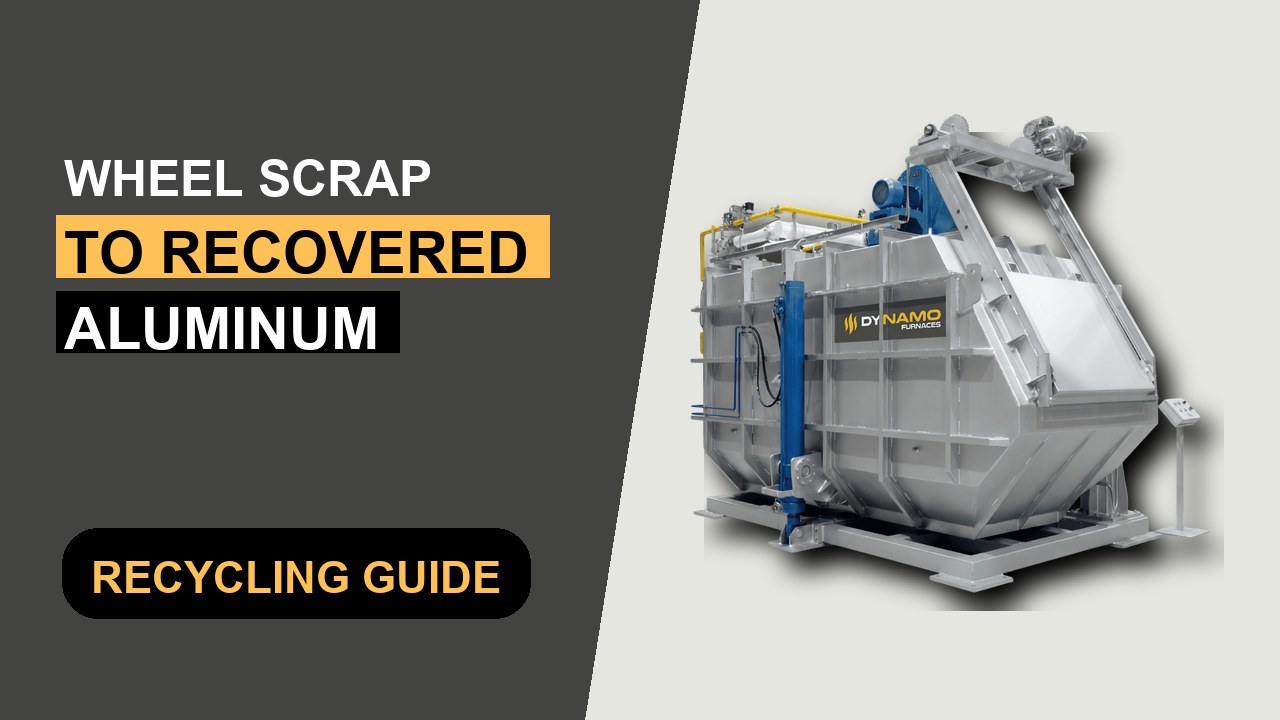
Aluminum Rim Recycling Furnaces
Review wheel condition, charging, recovery goals, downstream holding, and output requirements for aluminum rim recycling.
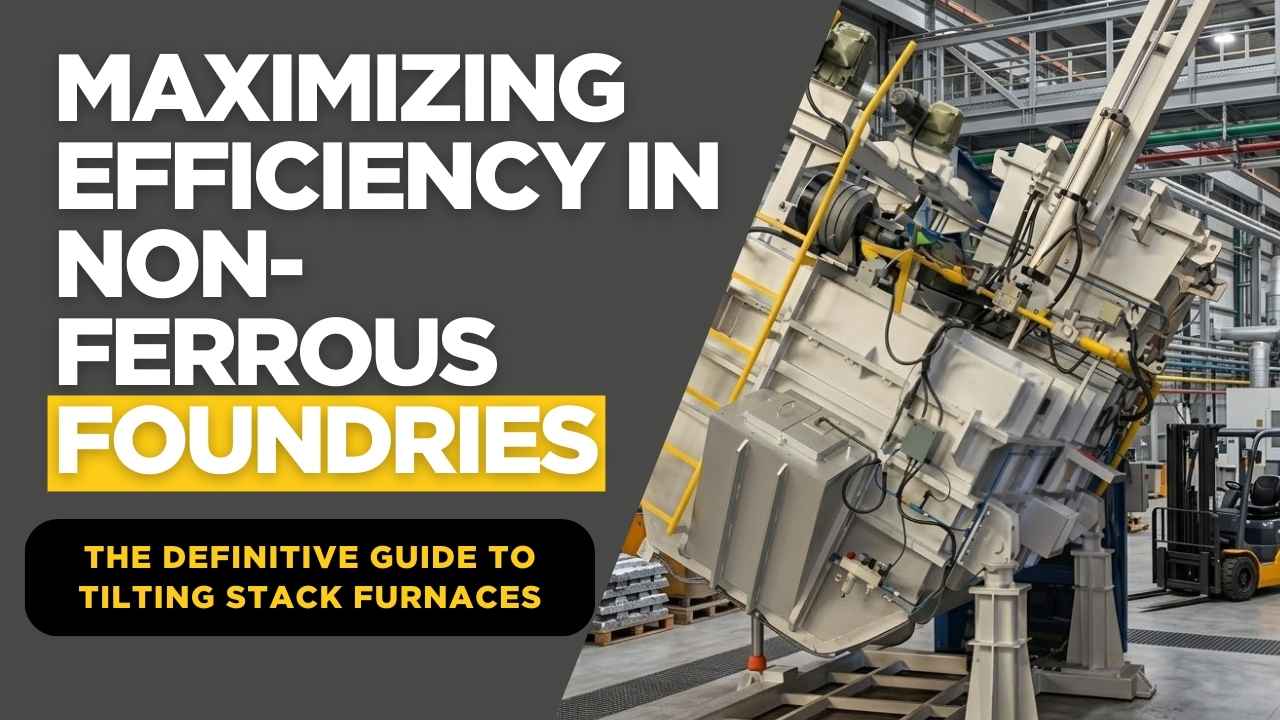
Maximizing Efficiency in Non-Ferrous Foundries
See how stack furnace design affects energy use, metal oxidation, operator safety, and foundry productivity.
How to Select the Right Aluminum Furnace
Compare furnace styles, production requirements, metal quality, energy source, and pouring method before selecting equipment.