TILTING REVERBERATORY
MELTING FURNACE


GM-J SERIES
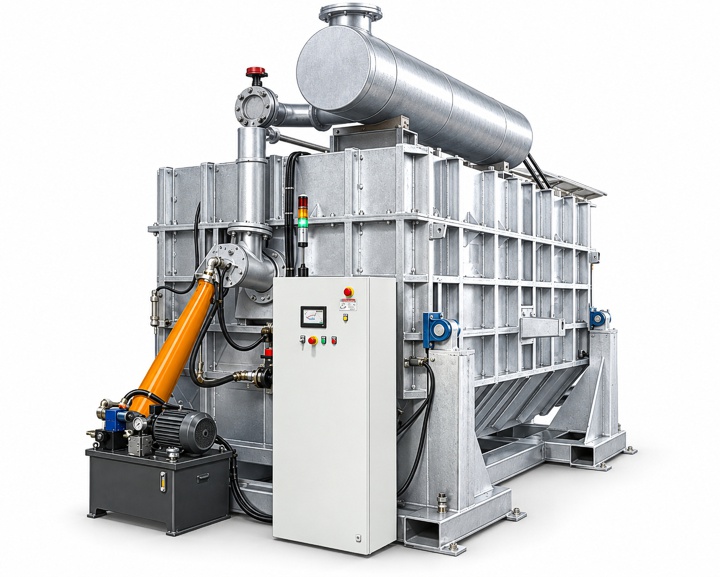
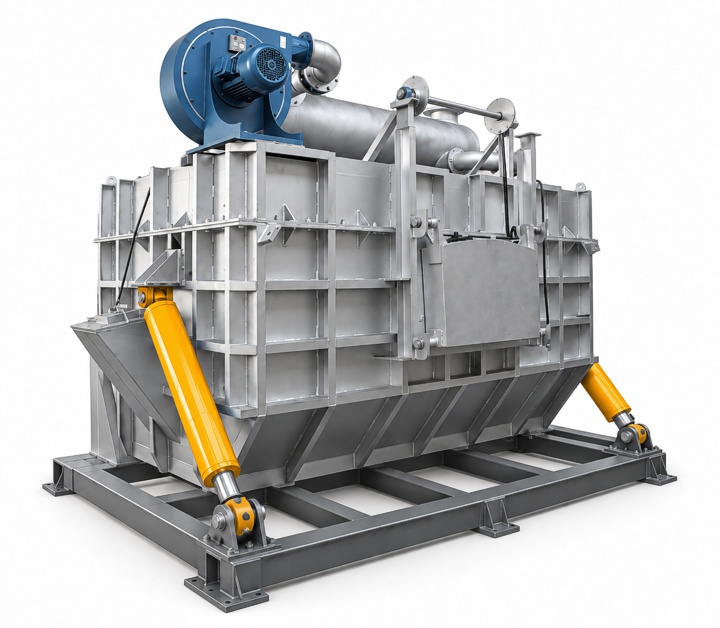
The GM-J Series is a gas-fired aluminum reverberatory furnace for bulk melting of suitable scrap and ingots. Its large accessible bath can be configured as a single melting chamber or with separate melting and holding chambers. A hydraulic tilting system provides controlled metal discharge, while large powered charging doors aid loading and access. Specify this bulk aluminum melter around charge condition, melt rate, usable bath volume, alloying needs and the receiving ladle or casting route.
TECHNICAL OVERVIEW
This hydraulic tilting reverberatory furnace combines a broad melting chamber with a large molten-aluminum bath. As a bulk aluminum melting furnace, GM-J is relevant where a plant needs substantial bath capacity, accessible charging and controlled discharge rather than vertical stack preheating. The dual version is an aluminum melting and holding reverberatory furnace; a single melting chamber is also available. Specify the bulk melting and holding duty against charge type, alloy, transfer rhythm and downstream demand.
Hydraulic metal pouring lets operators tilt the furnace for a controlled transfer into a suitable ladle or receiving system. Compared with a fixed layout, the choice is about bath access, discharge geometry and plant workflow—not a universal efficiency advantage. Large charging doors support loading and furnace skimming access when the unit is isolated and operated under the site safety procedure. Assess door clearance, skimming route, receiving height, tilt envelope and guarding before choosing the layout.
The GM‑J Series combines high‑capacity melting with advanced automation and durable industrial construction. Key features include a large reverberatory melting chamber, high‑efficiency gas burners, and a robust tilting mechanism for controlled metal discharge. The furnace’s closed‑door operation reduces oxidation and improves fuel efficiency, while its refractory lining is engineered for long service life under continuous operation. Automated temperature control ensures consistent melt quality, and optional metal‑handling accessories streamline integration with casting lines. With its high throughput, reduced emissions, and reliable performance, the GM‑J Series is an excellent solution for foundries and die‑casting plants focused on productivity, melt cleanliness, and operational efficiency.
SMALLER FOOTPRINT - BIGGER MELTING CAPACITY
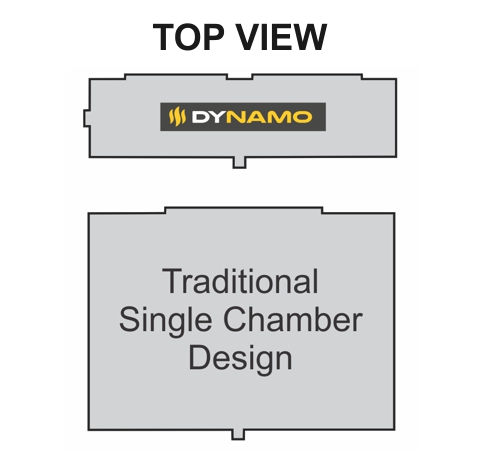
This Furnace Takes Up Less Space.
Our multi-chamber design dramatically reduces the furnace foot print. By removing a wet bath charging well, and by adding more chambers we increase the melting to holding ratio to approximately 1:3 (even lower for non die casting applications). That means a substantial saving of valuable floor space in your facility and reduced operating cost.
LASER LEVEL MONITORING
Precise and Dependable Molten Metal Level Measurement.
Probe type molten metal level sensors can corrode and be affected by dross buildup, and in time they can give back false readings. Our laser level system is no contact, precise, dependable, and durable, and offers long term maintenance free operation.
HIGH THERMAL EFFICIENCY BY DESIGN
We Add Multiple Layers of Insulation.
Insulation helps reduce heat loss and fuel use, but the outer shell can still become hot; operators should follow hot-surface precautions.
THICKER INSULATION
We Add Way More Insulation to Our Furnaces Than Most Manufacturers.
The result is even greater efficiency and a solid, sturdy construction which is hard to beat.
CHOOSE YOUR CONTROL SYSTEM
We Give You Options of PLC & HMI.
Select the control system that is best for you and easiest for your maintenance team.
DUAL AIR BLOWERS
Two are Better Than One.
Using double air blowers gives us more flexibility and precision in the amount of air available for the melting and holding chambers at any given time. When balanced correctly they increase the efficiency of the furnace and reduce running costs.
VFD DRIVE BLOWER MOTORS
Better Efficiency and Lower Operating Cost.
Lots of air without control wastes a significant amount of energy. We use VFD Drives combined with Premium Inverter Duty Motors to give you greater RPM only when it is needed. All this translates into greater efficiency, lower operating costs, quieter operation, soft start and longer motor life. The advantage is clear. This is just one of the many ways we use to increase furnace efficiency, and reduce long term operating costs.
HIGH QUALITY COMPONENTS
We Use Brand Name Components You Know and Already Use.
We use only the finest quality components that are open source and readily available locally in your area, or from our online parts store.
REMOTE SERVICE
We Can Remotely Troubleshoot Your Furnace from Our Facility.
Our GM-J Series tilting reverberatory melting furnace includes a Remote Connectivity Unit which allows our furnace technicians to remotely check the performance of the furnace, make any needed changes to the program or HMI, or to troubleshoot it directly from our service center. The customer is only required to connect the unit to the Internet via an Ethernet cable. We handle the rest.
INDUSTRY 4.0 REMOTE MONITORING
Remotely Monitor Your Furnace Performance From Any Device.
As an option, all our furnaces are available with Industry 4.0 remote performance monitoring units which feature a custom dashboard. You can not only monitor furnace performance, but you can be notified before an issue occurs. Included are condition based maintenance reminders and shift performance statistics. Minimize impact of emergencies and maximize furnace uptime, and productivity. See what is going on with the furnace and your production from any device, anywhere in the world.
SIX STANDARD SIZES
Flexible Range of Applications.
Available from a smaller 1100 lbs melting per hour all the way to 6600 lbs, the GM-J Series tilting reverberatory melting furnaces allow for a wide range of applications.
MELTING RATES RECOMMENDED FOR INGOT PRODUCTION AND OTHER NON DIE CASTING APPLICATIONS
| Standard | US / Imperial (Al) | Metric (Al) | ||
| Model | Holding | Melting/h * | Holding | Melting/h * |
| GM-J-3300 | 3300 lb | 1100 lb | 1500 kg | 500 kg |
| GM-J-4400 | 4400 lb | 1650 lb | 2000 kg | 750 kg |
| GM-J-5500 | 5500 lb | 2200 lb | 2500 kg | 1000 kg |
| GM-J-6600 | 6600 lb | 3300 lb | 3000 kg | 1500 kg |
| GM-J-8800 | 8800 lb | 4400 lb | 4000 kg | 2000 kg |
| GM-J-13000 | 13000 lb | 6600 lb | 6000 kg | 3000 kg |
MELTING RATES RECOMMENDED FOR DIE CASTING APPLICATIONS
| Standard | US / Imperial (Al) | Metric (Al) | ||
| Model | Holding | Melting/h * | Holding | Melting/h * |
| GM-J-3300 | 3300 lb | 1100 lb | 1500 kg | 500 kg |
| GM-J-4400 | 4400 lb | 1450 lb | 2000 kg | 660 kg |
| GM-J-5500 | 5500 lb | 1830 lb | 2500 kg | 830 kg |
| GM-J-6600 | 6600 lb | 2200 lb | 3000 kg | 1000 kg |
| GM-J-8800 | 8800 lb | 2930 lb | 4000 kg | 1330 kg |
| GM-J-13000 | 13000 lb | 4400 lb | 6000 kg | 2000 kg |
CUSTOM LARGE-BATH CAPACITY
Discuss a larger GM-J tilting reverberatory furnace configuration.
We can make this GM-J Series furnace with up to 55,000 lbs (25,000 kg) capacity.
Applications For The GM-J Series Aluminum Tilting Reverberatory Furnace
GM-J is a large bath aluminum furnace for foundries planning bulk aluminum melting and holding. Its bath volume can provide metal availability between charging and downstream transfer cycles, while the chosen chamber configuration sets the melting-to-holding balance. Compare usable bath volume, hourly demand, alloy schedule and transfer method rather than relying on maximum capacity alone. Dynamo’s large-bath reverberatory planning guide explains the selection factors.
Die‑casting plants and casting lines rely on a steady supply of clean, temperature‑stable molten aluminum. The GM‑J Series delivers continuous melting with precise temperature control, ensuring consistent metal quality for high‑pressure die‑casting (HPDC), low‑pressure die‑casting (LPDC), gravity casting, and permanent‑mold casting. The tilting mechanism provides smooth, controlled metal discharge directly into ladles or transfer systems, reducing turbulence and minimizing dross formation. This results in cleaner metal and improved casting performance across all downstream processes.
The broad reverberatory chamber can accept suitable ingots, returns and prepared bulky scrap when their geometry, alloy and charging method fit the furnace. Secondary aluminum melting still depends on feed preparation: wet, oily or incompatible mixed material must not be treated as automatically acceptable. Check contamination, moisture, coatings, expected dross and safe handling before specifying a charge plan.
For operations that need a substantial molten bath for composition adjustment, GM-J can serve as an aluminum alloying furnace as well as a melter. Aluminum melting and alloying furnace duty should be specified by alloy family, target chemistry, addition method, mixing or treatment practice, sampling, and available bath residence time. Its large bath volume and access make the sequence practical, but metallurgical results depend on the plant’s process controls.
Automotive and industrial casting operations require large volumes of clean molten aluminum delivered at consistent temperatures. The GM‑J Series is built for these demanding environments, offering fast melting rates, low emissions, and stable temperature control. Its durable refractory lining and efficient burner system support long operating cycles with minimal downtime. Whether feeding multiple casting lines or supplying a centralized ladle‑pouring station, the GM‑J Series provides the reliability and throughput needed for high‑volume production.
The GM‑J Series is designed for facilities focused on reducing fuel consumption and improving operational efficiency. Its closed‑door melting process minimizes heat loss, while the optimized burner system maximizes thermal efficiency. The reverberatory chamber design ensures even heat distribution, reducing melt times and lowering overall energy usage. This makes the furnace a strong fit for cost‑sensitive operations seeking to reduce energy expenses without sacrificing melt quality or production capacity.
The hydraulic tilting system supports controlled furnace tilting and hydraulic metal pouring into appropriately positioned ladles or transfer equipment. Plan the tilt envelope, receiving height, stream path, guarding and operator access so bulk melting and holding can connect safely to the casting line. Pour quality still depends on temperature, dross control and the receiving method.
The GM‑J Series is built for continuous operation, making it ideal for plants that run extended production cycles. Its heavy‑duty refractory lining, high‑efficiency burners, and robust tilting mechanism ensure stable performance with minimal maintenance interruptions. This reliability is essential for facilities that cannot afford downtime, such as automotive casting plants, large foundries, and high‑volume aluminum processors. The furnace’s ability to maintain consistent melt quality over long periods enhances overall process stability and production efficiency.
Frequently Asked Questions About The GM-J Series Aluminum Tilting Reverberatory Furnace
A tilting reverberatory furnace provides superior control, efficiency, and metal cleanliness compared to fixed furnaces. The GM‑J Series uses a wide, open melting chamber with high‑performance burners to achieve fast melting rates and uniform heat distribution across the charge. The tilting mechanism allows operators to pour molten aluminum smoothly and safely, reducing turbulence and minimizing dross formation. This eliminates the need for manual ladling, improves operator safety, and ensures cleaner metal transfer — all of which contribute to higher casting quality and lower scrap rates.
GM-J can be configured for ingots, clean returns and suitable prepared bulky scrap, subject to chamber dimensions, alloy segregation and the charging arrangement. Feed must be assessed for moisture, oil, coatings, contamination and expected dross before melting. A larger bath does not make contaminated or wet charge safe.
The GM‑J Series uses a closed‑door melting process and carefully engineered burner placement to maintain a stable, low‑oxygen environment inside the furnace. This significantly reduces oxidation and dross formation during melting. The reverberatory design ensures even heat transfer, while the tilting mechanism provides smooth, controlled metal discharge with minimal turbulence. These features prevent oxide entrainment and ensure that the molten aluminum remains clean, stable, and suitable for high‑performance casting applications.
GM-J is designed for high-volume operation, but the correct schedule depends on charge rhythm, alloy changes, holding reserve and downstream demand. A single large melting chamber and a dual melting-and-holding arrangement serve different operating requirements. Dynamo should confirm the configuration and duty cycle for the project.
Yes — GM‑J Series aluminum tilting reverberatory melting furnaces are available throughout the United States, Canada, and Mexico. Foundries, die‑casting plants, and aluminum processors across North America rely on these furnaces for high‑capacity melting, reduced fuel consumption, and consistent metal quality. Regional availability ensures faster delivery, dependable technical support, and access to replacement parts. Units can be configured with various capacities, burner systems, refractory options, and automation packages to meet specific production requirements.
RELATED PROJECTS & POSTS
Gas Fired Aluminum Reverberatory Melting Furnaces
REad this article to find out how gas-fired reverberatory melting furnaces utilizing wet charging well separated by an archway or skimming door are now updated with new burner technology, refractory technology, control technology, recuperation, regeneration, etc.
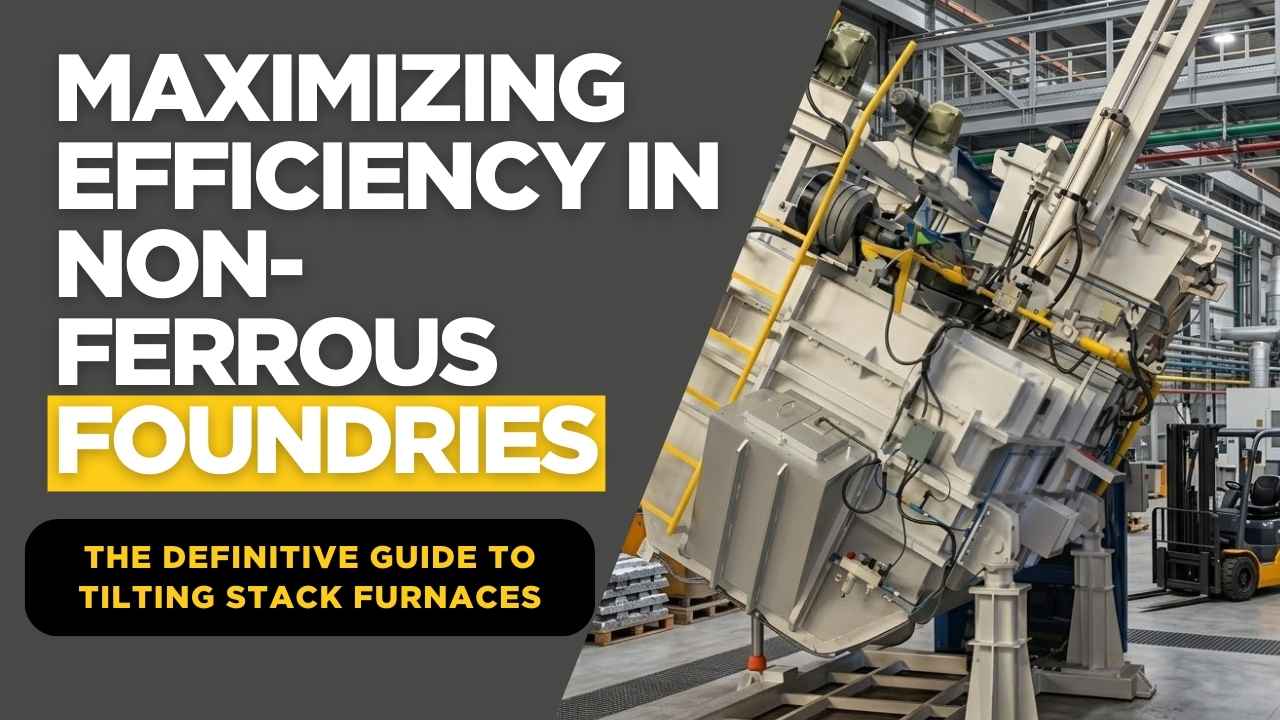
Maximizing Efficiency in Non-Ferrous Foundries
At Dynamo Furnaces, we specialize in engineering thermal solutions that tackle the industry’s biggest challenges: rising energy costs, metal oxidation, and operator safety. Understanding the applications and advantages of stack technology is critical to increase your foundry efficiency.
Energy Efficiency & Environmental Impact of Industrial Furnaces
Explore the technologies, strategies, and operational practices that help facilities reduce energy consumption, comply with environmental regulations, and operate more sustainably.
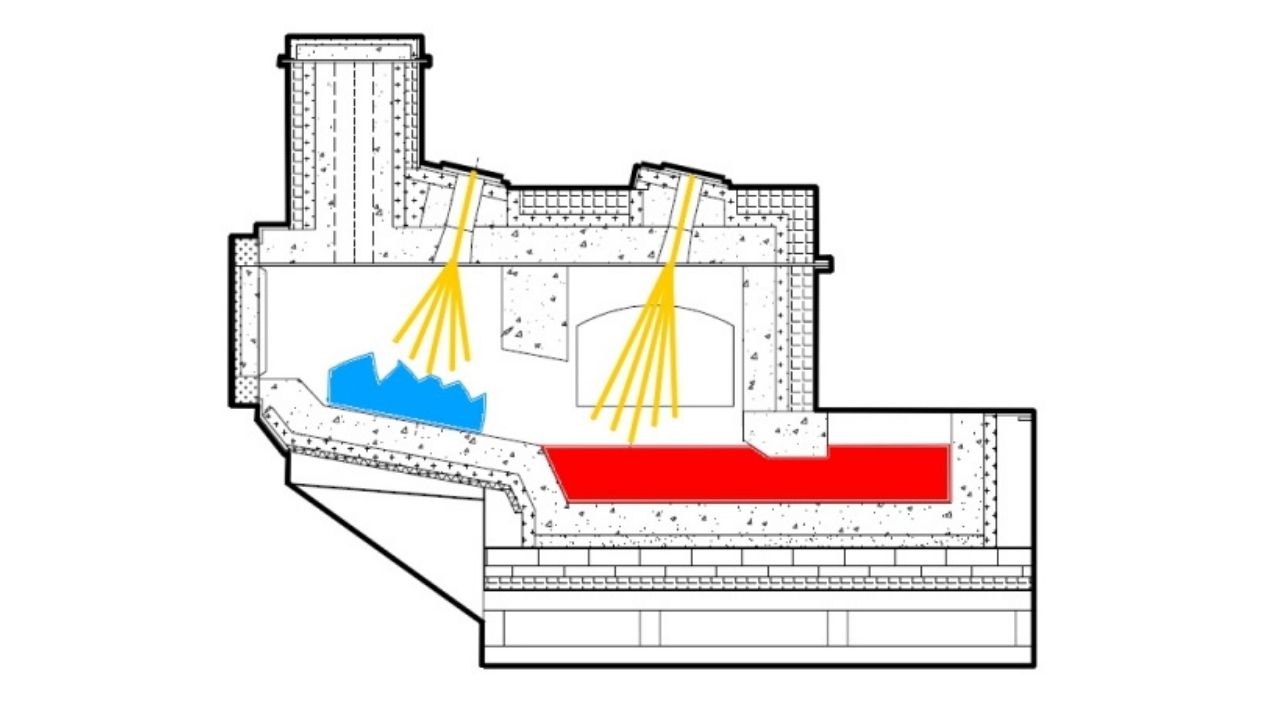
Advantages of a Dry Hearth Furnace Design
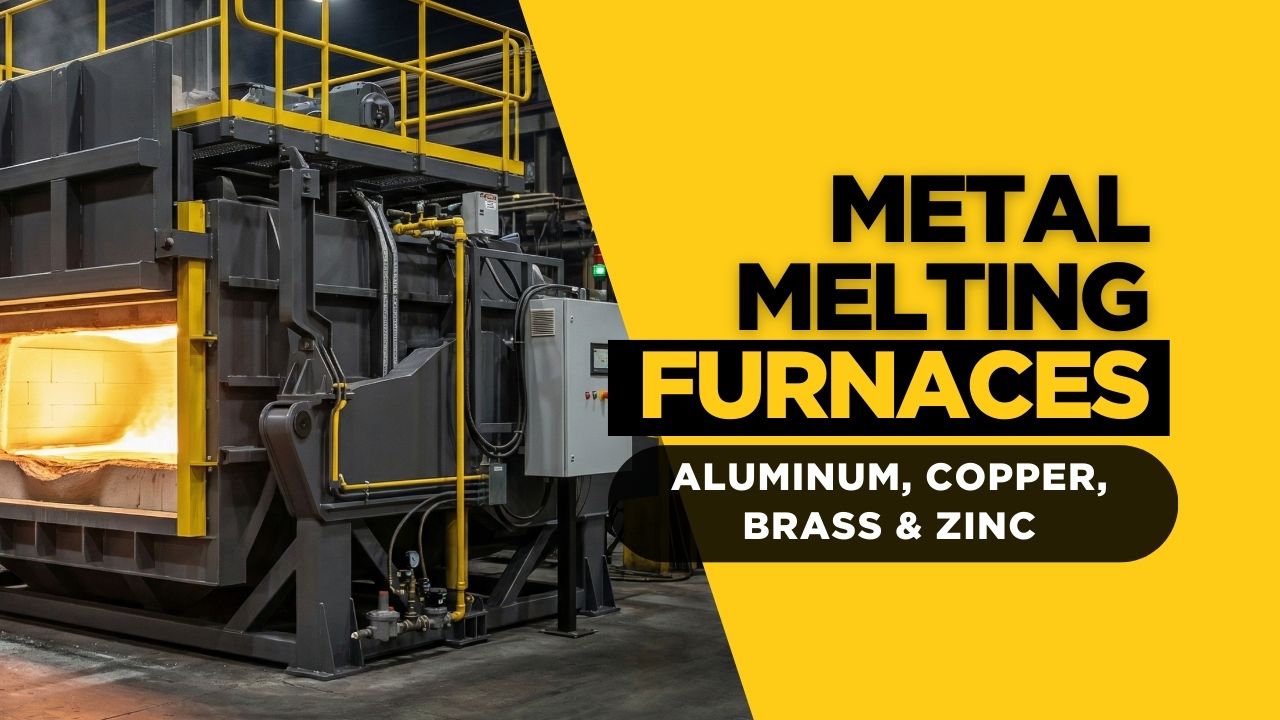
Metal Melting Furnaces: A Complete Technical Guide
Metal melting is one of the most energy‑intensive and technically demanding operations in manufacturing. This guide on metal melting furnaces explores the major furnace technologies used for non‑ferrous melting, explaining how each system works, where it excels, and how to evaluate it for your application.
Industrial Furnace Types Guide: A Buyer’s Handbook
Read our guide on selecting the right Industrial furnace type to learn about the major furnace categories used across industry, how each system works, where it excels, and how to evaluate it for your operation.
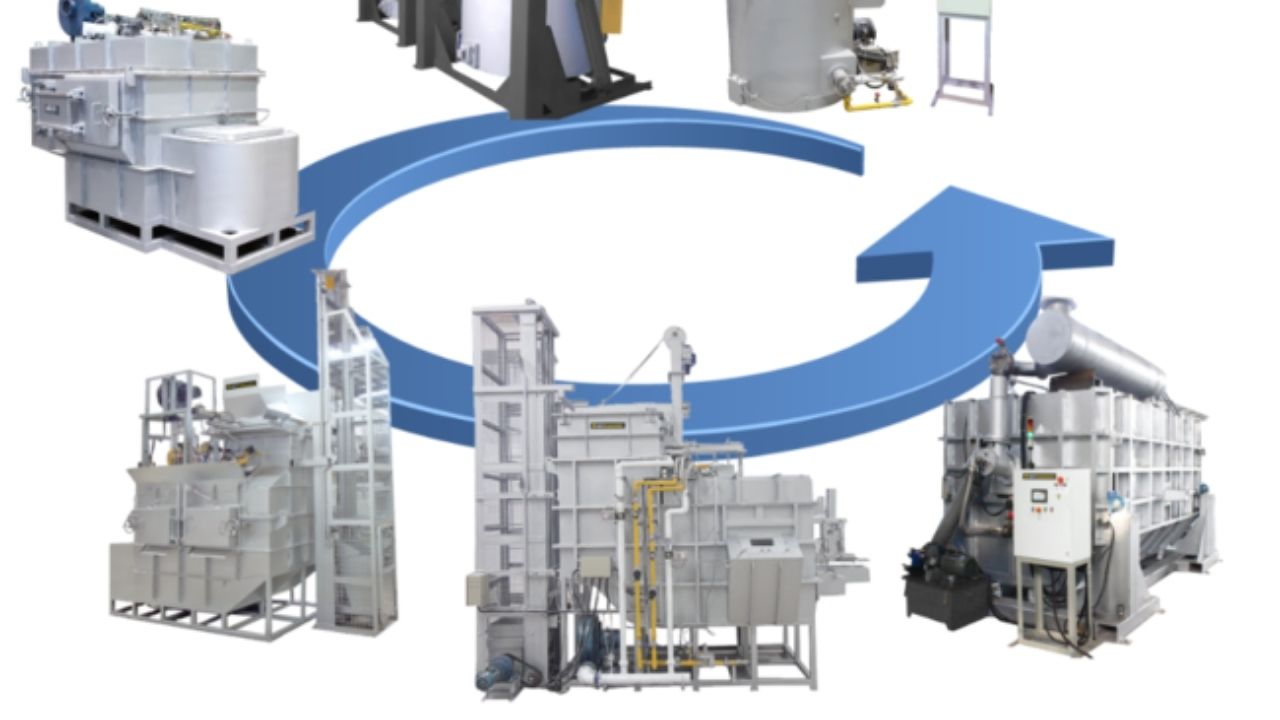
Selecting The Right Aluminum Furnace
To maximize the output of your production, the right selection of the aluminum furnace is important. Read our post in this field and become an expert in furnace picking.
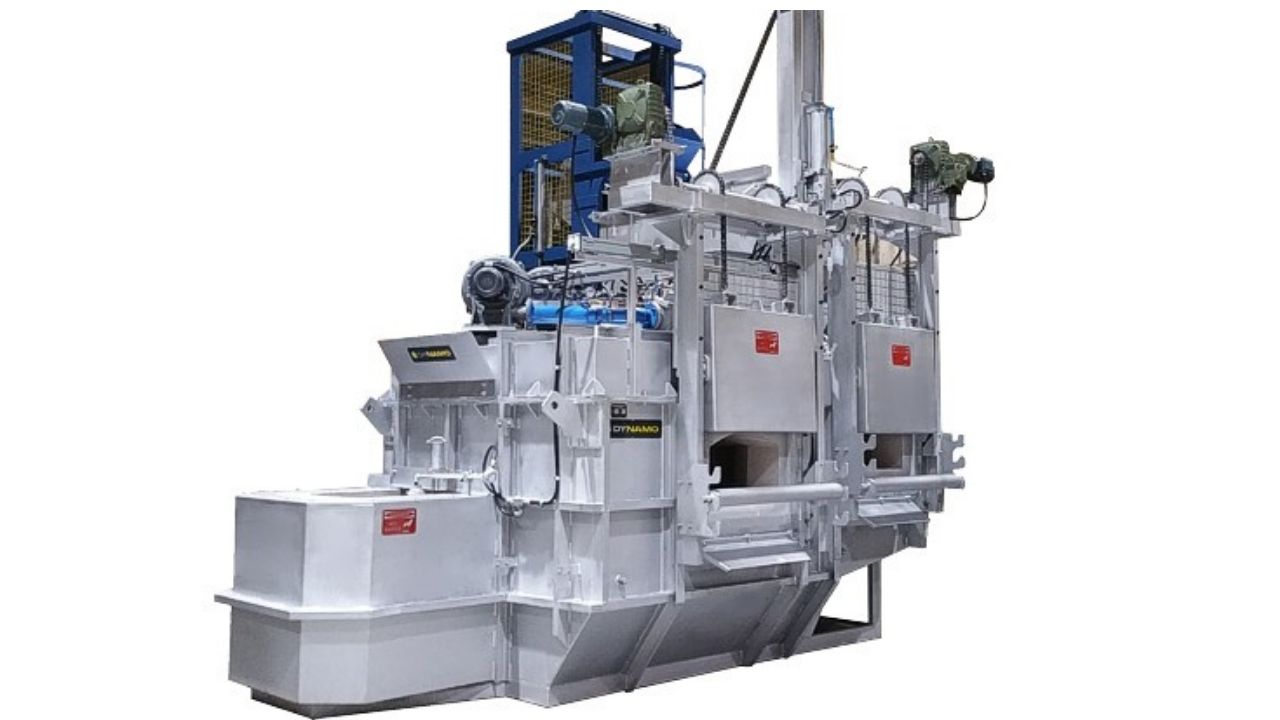
New Type of Gas Melting Furnace
Read the article to find if the new type of stack melting furnace is the right solution for your foundry.