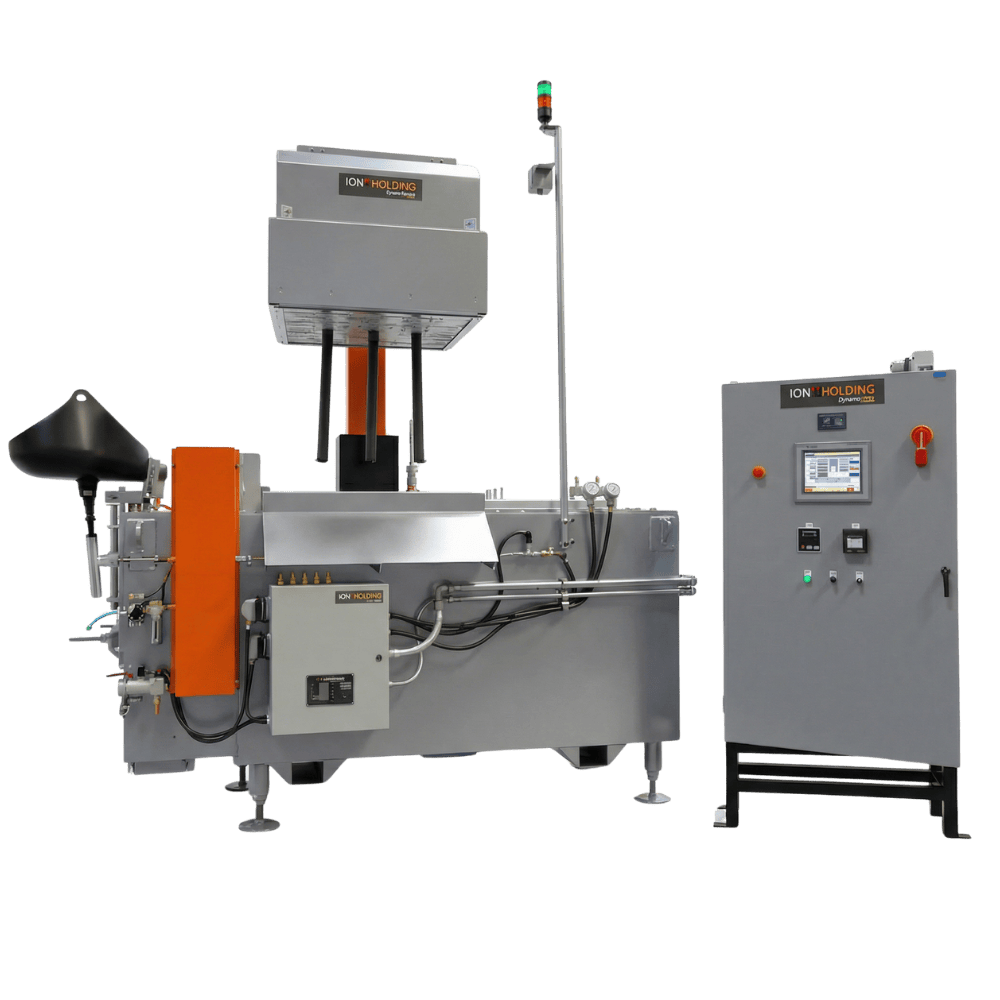
Aerospace & Precision Casting Furnace Applications
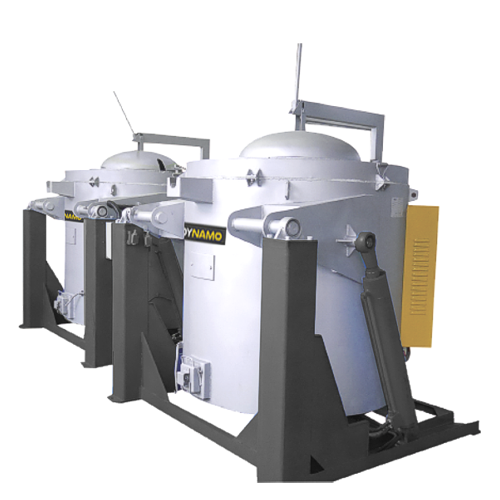
Match furnace duty to alloy control, batch traceability, metal quality, repeatability, and documented production requirements.
Controlled Melting, Holding, Transfer, and Thermal Processing for Critical Castings
What Furnace System Fits Aerospace & Precision Casting?
Direct answer: aerospace and precision casting programs need furnace equipment selected around alloy integrity, controlled batch practice, temperature stability, repeatable transfer, traceability, cleanliness, and the customer’s documented quality system. Production volume matters, but so do alloy changes, sample plans, melt-treatment steps, maintenance controls, and the consequence of a nonconforming heat.
A project may require flexible crucible melting for smaller alloy campaigns, tilting discharge for controlled transfer, clean electric holding near the process, central melting for larger repeatable demand, or custom thermal equipment integrated with casting and heat-treatment workflows.
Plan Your Precision-Casting Furnace System
Send the production and quality inputs that shape the furnace design:
- Alloys, specifications, certifications, and traceability rules
- Batch size, melt rate, shift demand, and alloy-change schedule
- Investment, sand, permanent-mold, gravity, or other casting process
- Temperature, sampling, treatment, filtration, and transfer requirements
- Electric or gas utilities, emissions, cleanliness, and floor space
- Controls, data recording, validation, maintenance, and redundancy
Precision Furnace Planning: From Charge Record to Accepted Casting
The furnace must support the documented process window and the evidence required to show that each heat was produced consistently.
Define Alloy & Quality
Document alloy specifications, prohibited contamination, charge materials, certifications, sampling, chemistry adjustment, and traceability requirements.
Set the Batch Strategy
Match furnace size to batch weight, campaign length, alloy changes, cleanout, recovery time, shift demand, and backup planning.
Control Temperature
Specify melt, treatment, holding, transfer, and pour temperatures together with uniformity, alarms, sensors, and recording.
Protect Metal Cleanliness
Plan charging, skimming, fluxing, degassing, filtration, turbulence control, transfer, refractory, and exposure limits.
Integrate Casting & Heat Treat
Coordinate furnace output with mold preparation, pouring, solidification, solution treatment, quench, aging, annealing, and inspection.
Validate & Maintain
Define calibration, preventive maintenance, spare parts, access, recipes, permissions, data retention, and process-change control.
How to Match Furnace Duty to Critical Casting Requirements
Equipment selection should begin with the approved process window. A furnace that reaches temperature may still be unsuitable if it complicates alloy segregation, creates excessive turbulence, extends residence time, lacks adequate records, or cannot support maintenance and calibration requirements. Review the complete path from certified charge material through melting, treatment, holding, transfer, casting, heat treatment, inspection, and lot traceability.
| Production need | Typical furnace role | Quality and engineering focus |
|---|---|---|
| Small or flexible alloy campaigns | Gas or electric crucible melting | Batch identity, cleanout, temperature, pouring control |
| Controlled transfer from furnace | Tilting crucible melting | Discharge rate, turbulence, treatment, transfer distance |
| Clean local metal buffer | Electric holding furnace | Temperature stability, local emissions, residence time, controls |
| Repeatable higher-volume demand | Central melting plus controlled holding | Charge consistency, melt rate, redundancy, traceability |
| Post-casting thermal processing | Custom heat-treatment system | Uniformity, recipes, quench, aging, validation, records |
Connected Equipment & Engineering Resources
Review the electric melting furnace lineup when clean operation and programmable control are priorities. Flexible batches can be compared through the EM-C electric tilting furnace and the GM-B gas tilting crucible furnace.
For a stable local buffer, consider the EH-A electric holding furnace. Nonstandard integration is discussed in the custom furnace manufacturing guide, while the foundry and casting equipment guide frames the wider casting system.
Post-casting thermal requirements are covered in the aluminum annealing guide and heat-treatment furnace types. Related solution paths are organized under applications by metal and applications by process.
Recommended Furnaces for Aerospace & Precision Casting
These Dynamo product families cover flexible electric or gas batch melting, controlled tilting, clean holding, and higher-output central aluminum supply.
Electric Tilting Crucible Furnace
EM-C Series
Controlled electric melting and tilting for precision aluminum batches and alloy flexibility.
Gas Tilting Crucible Furnace
GM-B Series
Flexible batch melting and controlled pouring for aluminum precision-casting work.
Electric Holding Furnace
EH-A Series
Precise electric holding for stable temperature, clean operation, and local metal supply.
Central Tower Melting Furnace
GM-H Series
High-output aluminum melting for central systems serving multiple production cells.
Precision-Casting Programs and Production Environments
Dynamo equipment can be evaluated for production associated with:
- Aerospace structural and flight-control castings
- Precision aluminum housings and enclosures
- Investment, permanent-mold, and gravity casting
- Prototype and qualification batches
- Programs requiring controlled alloy campaigns
- Defense and space-related components
- High-integrity transportation castings
- Low-volume complex non-ferrous parts
- Foundries with documented melt traceability
- Casting plus solution-treatment, aging, or annealing workflows
The application name does not replace specification review. Alloy, approved process, casting route, batch record, inspection plan, customer requirements, and plant quality procedures control the final design.
Aerospace & Precision Casting Furnace FAQs
Not always. Electric equipment can support clean operation and precise control, but the choice must compare batch duty, installed power, recovery, plant standards, emissions, energy cost, maintenance, and the approved production process.
Use batch weight, campaign length, alloy-change frequency, recovery time, casting demand, treatment and holding time, shift schedule, backup strategy, and acceptable metal residence time.
Controlled charge records, alloy identification, recipe permissions, sensor calibration, temperature and event logging, sample records, operator procedures, lot linkage, and documented maintenance all contribute.
Controlled tilting can regulate discharge and reduce uncontrolled pouring. The design must still account for turbulence, transfer vessel or launder, metal treatment, operator access, and the required pour rate.
Yes. Casting output, lot size, cooling, solution treatment, quench, aging or annealing, material flow, buffers, and traceability should be coordinated across the plant.
Provide alloys, specifications, batch and shift demand, casting route, temperatures, treatment, transfer, records, utilities, floor plan, environmental requirements, maintenance standards, and acceptance criteria.
RELATED TECHNICAL GUIDES
Understanding Annealing: How Aluminum Heat Treatment Improves Strength, Ductility, and Formability
Introduction: Why Aluminum Annealing Is Essential in Modern Manufacturing Aluminum is one of the most widely used metals in the
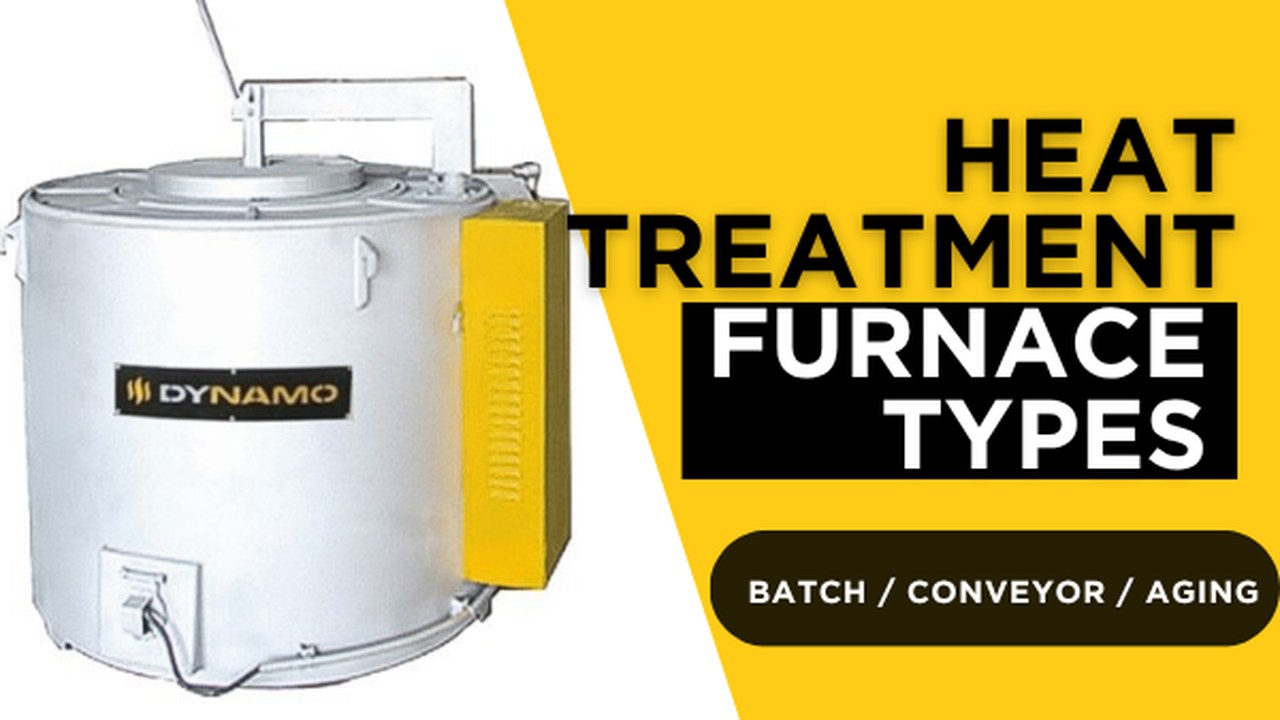
Heat Treatment Furnace Types: Batch, Continuous, Conveyor, Aging, and Annealing Systems
Compare heat treatment furnace types, including batch, continuous, conveyor, aging and annealing furnaces, with selection tips from Dynamo Furnaces.
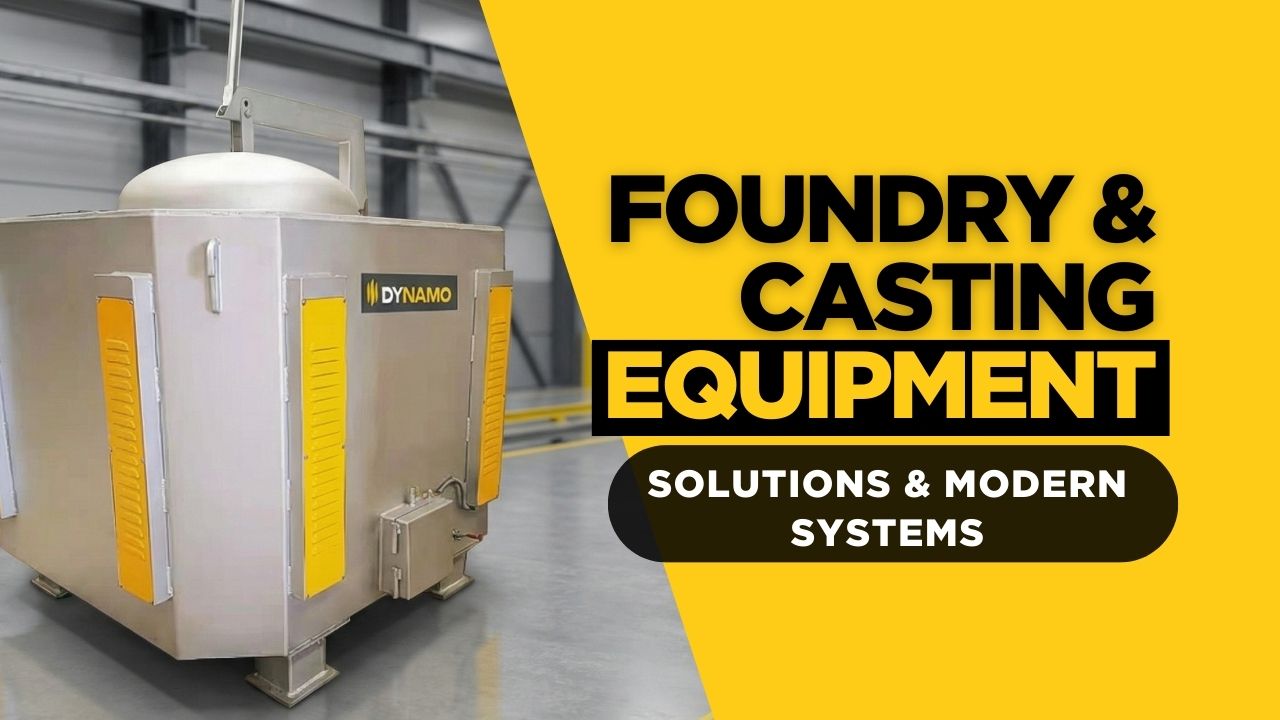
Foundry & Casting Equipment Solutions: Modern Systems for Metal Melting, Holding & Precision Casting
Foundries today operate in an environment where efficiency, metal yield, and casting quality must all improve simultaneously. Whether a facility
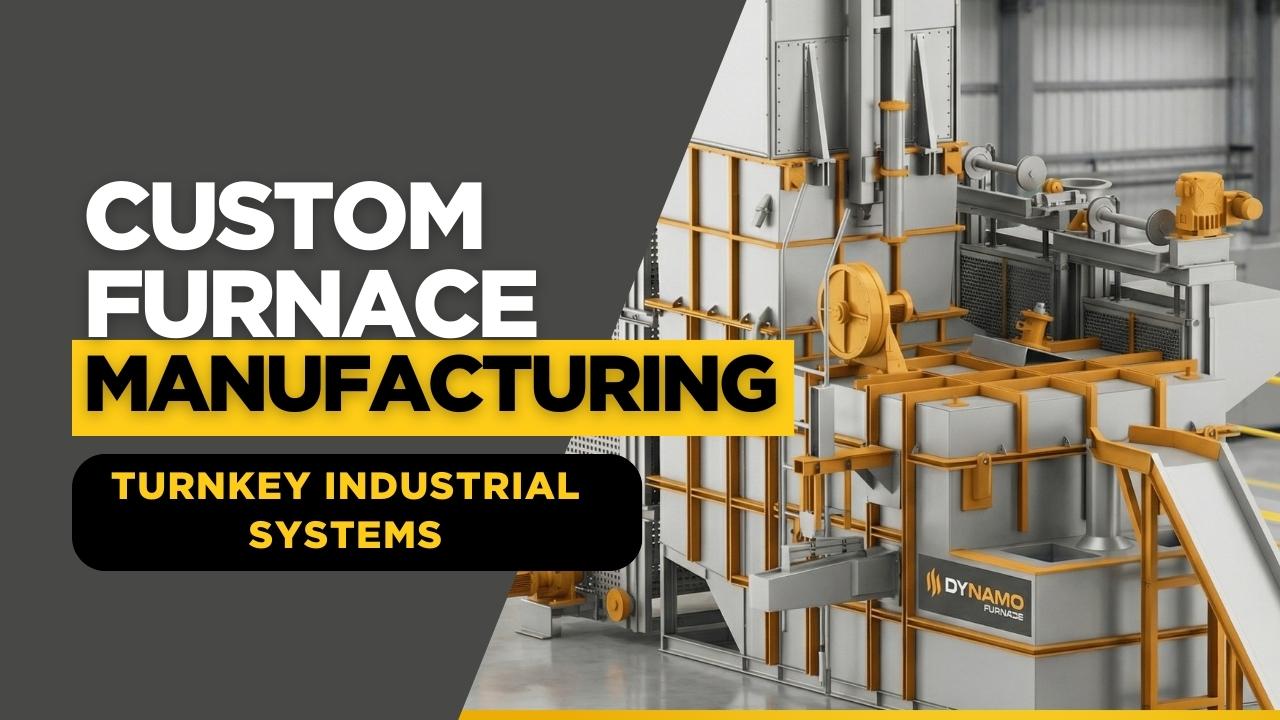
Custom Furnace Manufacturing Solutions: Engineering, Design & Turnkey Industrial Systems
Modern manufacturing demands thermal equipment that fits precise production requirements, not generic off‑the‑shelf systems. As industries evolve toward higher efficiency,