

Blog
Foundry & Casting Equipment Solutions: Modern Systems for Metal Melting, Holding & Precision Casting

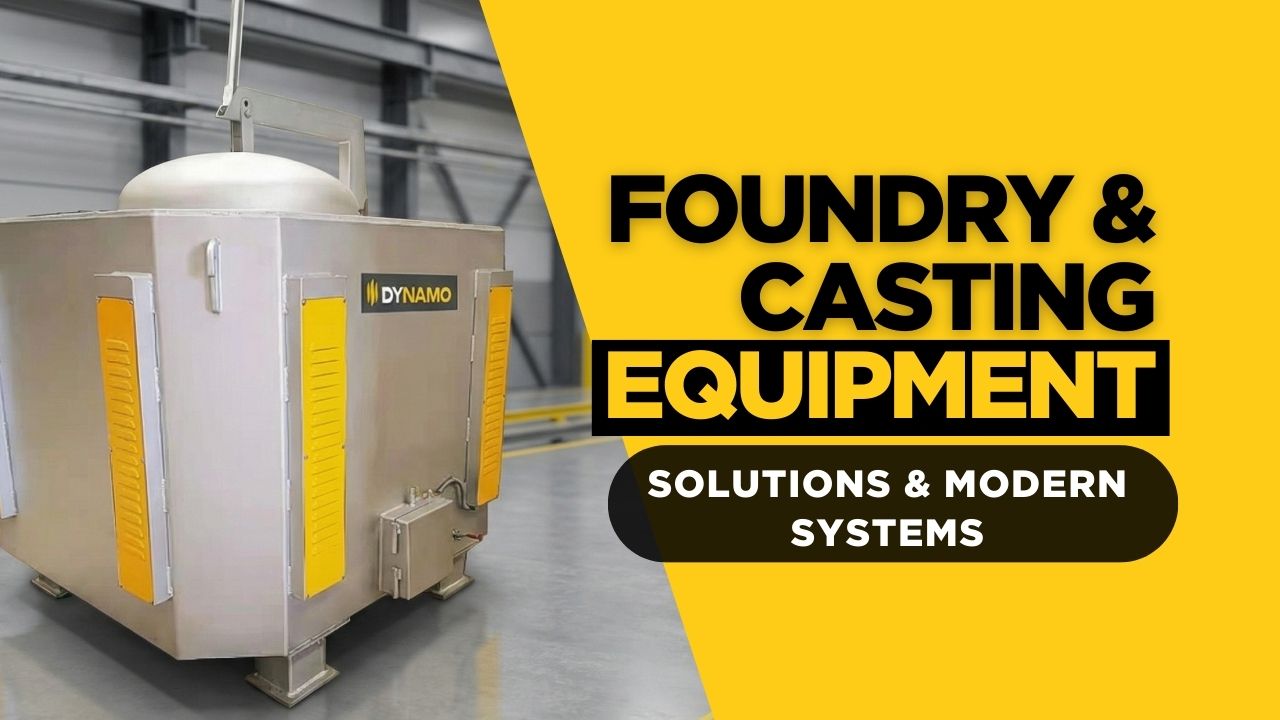
Foundries today operate in an environment where efficiency, metal yield, and casting quality must all improve simultaneously. Whether a facility is producing aluminum castings, brass components, or high‑precision investment cast parts, the right combination of foundry equipment, melting systems, and thermal processing technology determines overall performance. Modern operations rely on specialized systems such as holding furnaces, tilt furnaces, and investment casting furnaces to maintain consistent temperatures, reduce oxidation, and support continuous production. This guide explores the equipment that powers today’s foundries and explains how each system contributes to a streamlined casting workflow.
Foundries that work with aluminum, brass, or copper alloys often rely on specialized equipment such as aluminum melting furnaces (round crucible and tilting crucible), crucible furnaces, and recycling furnaces to maintain consistent metal quality. Integrating the right furnace technology into the casting workflow helps reduce oxidation, improve melt cleanliness, and support higher‑volume production. These equipment categories also give readers a direct path to explore the exact systems that match their foundry requirements.
👉 Dynamo Furnaces is one of the most trustworthy and credible providers in melting furnace industries and related fields. Make sure that you check our products and contact our specialits and sales engineers for consuting, quote, and any inquiry
The Role of Foundry Equipment in Modern Metal Casting
Foundry operations require a coordinated set of thermal systems that work together to melt, hold, transport, and pour metal with precision. As alloys become more advanced and casting tolerances tighten, the demand for equipment that delivers stable temperatures, controlled atmospheres, and efficient metal handling continues to grow. Modern foundry equipment is engineered not only for durability but also for energy efficiency, automation compatibility, and metallurgical consistency.
A typical foundry workflow includes melting, holding, transferring, and pouring metal, followed by mold filling, solidification, and finishing. Each step depends on equipment designed to maintain the correct temperature and metal quality, ensuring that castings meet mechanical and dimensional requirements.
Choosing the right melting and holding systems—whether a high‑capacity tower melting furnace, a durable reverberatory furnace, or a precision‑controlled heat‑treat furnace—directly influences casting quality and throughput. Linking to these furnace types helps readers understand how each system contributes to temperature stability, metal handling efficiency, and overall process reliability.
Holding Furnaces: Maintaining Temperature Stability
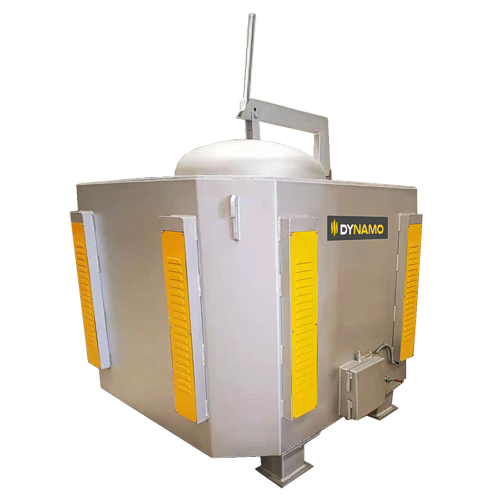
A holding furnace is essential in any foundry that requires continuous casting or extended pouring cycles. Unlike melting furnaces, which operate at higher temperatures to liquefy metal, Holding furnaces maintain molten metal at a stable temperature to reduce excessive oxidation, limit dross formation, and minimize thermal fluctuations
Holding furnaces are commonly used in aluminum die casting, brass foundries, and secondary metal processing. Their design focuses on insulation, refractory durability, and precise temperature control. By separating melting and holding functions, foundries can improve metal quality, reduce energy consumption, and maintain a steady supply of molten metal for downstream processes.
Many aluminum and brass foundries pair their holding systems with complementary equipment such as tilt‑pour melting furnaces or electric holding furnaces to maintain a steady supply of clean molten metal. These furnace categories offer different advantages depending on production volume, alloy type, and automation needs—making them ideal internal‑link destinations for readers evaluating their options.
Tilt Furnaces: Efficient Melting and Controlled Pouring
A tilt furnace combines melting and pouring functions in a single system. These furnaces melt metal in a stationary position and then tilt to pour the molten metal directly into molds, ladles, or casting machines. This design reduces metal handling steps, can reduce turbulence and exposure time, and improves operator safety.
Tilt furnaces are widely used for aluminum, copper, and brass alloys. Their ability to pour clean metal with minimal turbulence makes them ideal for castings that require high metallurgical integrity. Many modern tilt furnaces incorporate automated tilt controls, programmable pouring profiles, and advanced refractory linings to extend service life.
Tilt furnaces are often integrated into workflows that also use rotary melting furnaces for scrap recovery or holding furnaces for continuous casting. Linking to these related furnace types helps readers explore complete system configurations and understand how each furnace supports cleaner pours, reduced turbulence, and improved metallurgical integrity.
Investment Casting Furnaces: Precision for Complex Components
The investment casting furnace is central to producing high‑precision components with intricate geometries. Investment casting—also known as lost‑wax casting—requires extremely clean melting environments, controlled atmospheres, and precise temperature management.Depending on the alloy and casting method, melting may be performed in vacuum induction furnaces, air-melt furnaces, or inert-atmosphere systems before pouring into investment molds and specialty metals used in aerospace, medical, and industrial applications.
Investment casting furnaces often incorporate vacuum or inert‑gas environments to prevent oxidation and contamination. Their ability to deliver consistent melt quality ensures that castings meet strict dimensional and mechanical requirements. As industries demand lighter, stronger, and more complex components, investment casting furnaces continue to play a critical role in advanced manufacturing.
Facilities producing aerospace or medical components may also require vacuum melting furnaces, inert‑gas melting systems, or high‑temperature heat‑treat furnaces to support post‑casting thermal cycles. These furnace categories provide natural internal‑link opportunities for readers seeking advanced equipment for precision casting environments.
Supporting Equipment in Foundry Operations
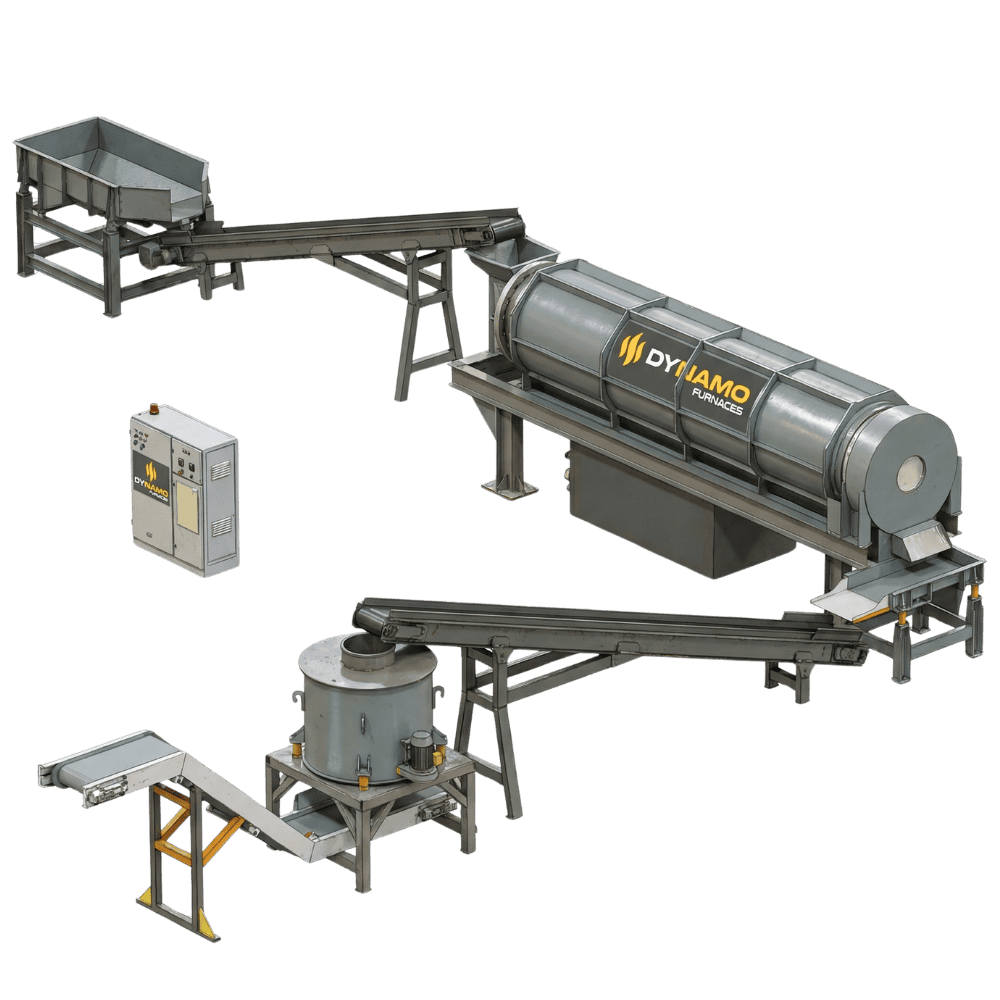
Beyond melting and holding systems, foundries rely on a range of supporting equipment to maintain efficiency and metal quality. Systems such as crucible melting furnaces, rotary melting furnaces, reverberatory furnaces, and box furnaces all play roles depending on the alloy and production volume. Components like furnace refractory lining, graphite crucibles, dross presses, and sow molds support the melting and casting workflow by improving metal recovery and reducing waste.
Modern foundries also integrate automation, temperature monitoring, and digital controls to ensure consistent thermal performance. These technologies help operators maintain tight process windows and reduce variability in casting quality.
Applications Across the Metal Casting Industry
Foundry equipment supports a wide range of casting processes, including sand casting, die casting, permanent mold casting, and investment casting. Aluminum foundries rely heavily on holding furnaces and tilt furnaces to maintain metal quality during high‑volume production. Brass and bronze foundries use specialized melting systems to control zinc vaporization and alloy balance. Precision casting operations depend on investment casting furnaces to achieve the fine detail and dimensional accuracy required in aerospace and medical components.
Each casting method requires equipment tailored to its thermal and metallurgical demands. By selecting the right combination of melting, holding, and pouring systems, foundries can improve yield, reduce scrap, and enhance overall efficiency.
For high‑volume aluminum casting, systems such as tower melters and holding furnaces are essential for maintaining metal quality. Brass and bronze foundries may rely more heavily on crucible melting furnaces to control alloy chemistry. Precision casting operations often require investment casting furnaces with advanced atmosphere control. These categories make excellent internal links to guide readers toward the equipment best suited for their casting method.
Choosing the Right Foundry Equipment
Selecting the right equipment begins with understanding the alloy, casting method, and production volume. Aluminum die casting operations may prioritize energy‑efficient holding furnaces, while brass foundries may require crucible‑based systems to maintain alloy chemistry. Investment casting facilities need furnaces capable of delivering clean, controlled melts for high‑value components.
Other considerations include:
Temperature stability
Metal handling requirements
Automation compatibility
Refractory durability
Energy consumption
Maintenance accessibility
A well‑designed foundry system aligns equipment capabilities with production goals, ensuring consistent casting quality and long‑term operational reliability. When evaluating equipment options, many facilities compare reverberatory furnaces, crucible furnaces, and tilt‑pour reverberatory furnaces to determine which system aligns with their alloy, throughput, and automation requirements. Linking to these furnace types helps readers explore the technical differences and choose the most efficient solution for their foundry.
Conclusion
Foundry operations depend on a coordinated system of melting, holding, and casting equipment designed to deliver consistent metal quality and efficient production. Whether using a holding furnace, a tilt furnace, or an investment casting furnace, manufacturers rely on advanced foundry equipment to meet the demands of modern metal casting. By selecting systems engineered for their specific alloys and workflows, foundries can improve yield, reduce energy consumption, and maintain the high standards required in today’s competitive manufacturing environment.
Whether your operation requires melting furnaces, holding furnaces, or precision investment casting furnaces, directing readers to these product categories helps them quickly identify the equipment that supports their production goals. Internal links also strengthen site navigation and improve SEO by connecting this guide to your full furnace portfolio.
For related equipment-planning guidance, compare Dynamo’s melting and holding applications by industry, die casting foundry melting and holding applications, and aerospace and precision casting furnace applications.
References
- ASM International – Metals Handbook Series The definitive reference for metallurgy, alloys, heat treatment, and material behavior.
- AIST (Association for Iron & Steel Technology) – Steelmaking and Furnace Technology Papers
Technical papers on melting, reheating, and thermal processing. - Industrial Heating Magazine – Technical Articles & Furnace Engineering Guides
Industry‑trusted source for furnace design, heat treatment, and thermal processing. - SAE AMS 2750 – Pyrometry Standard
Governs temperature control, thermocouples, calibration, and uniformity surveys. - AIAG CQI‑9 – Heat Treat System Assessment
Automotive industry standard for furnace control, uniformity, and process validation. - ASTM Standards for Heat Treatment (ASTM A255, A1033, E220, etc.)
Covers hardness testing, temperature measurement, and metallurgical evaluation. - U.S. Department of Energy (DOE) – Industrial Energy Efficiency Reports
Authoritative research on furnace efficiency, heat recovery, and energy optimization. - EPA – Industrial Furnace Emissions Guidelines
Regulatory framework for emissions, combustion efficiency, and environmental compliance. - IPCC – Industrial Process Emissions & Carbon Footprint Data
Global reference for carbon‑intensity metrics and environmental impact. - ISA (International Society of Automation) – Standards for PLCs, SCADA & Process Control Covers automation architecture, safety interlocks, and furnace control logic.
- Siemens / Rockwell Automation – Furnace Control System White Papers Industry‑leading documentation on PLC furnace control, SCADA integration, and Industry 4.0 connectivity.
Let Us Make Your Next Melting Furnace
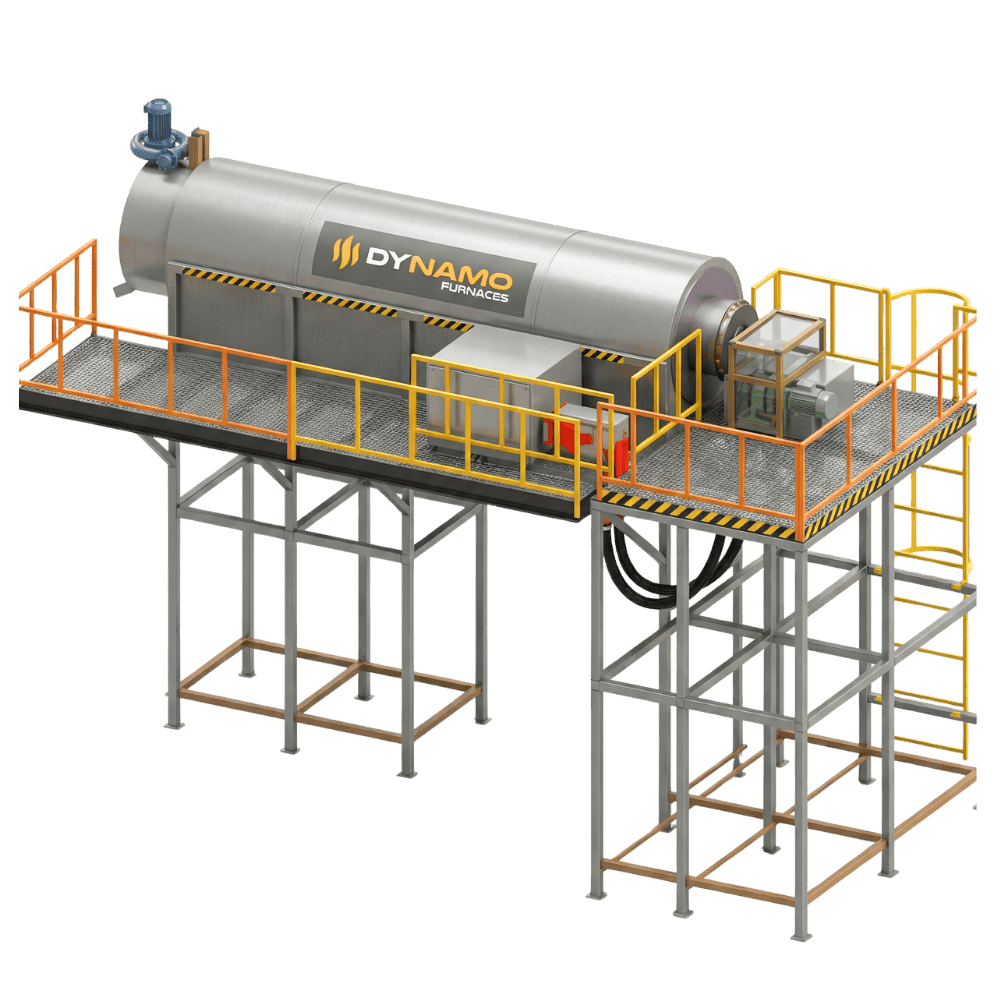
For virtually every production scenario, we have a dedicated type of high capacity furnace. Be it a crucible furnace or a large tower melting furnace. Dynamo Furnaces provides top foundry solutions across United States, Canada, Mexico and South America.
To experience a smooth journey from filling the information request form to having your order delivered at your factory, visit our products page.
Plan the Foundry as a Connected System
Use this guide with die-casting foundry applications, industrial metal melting applications and industrial melting furnace lineup. These pages connect the technical discussion to equipment families, alloy requirements and the complete production process.
To compare molten-metal distribution strategies, use Dynamo’s central versus at-machine holding furnace guide for capacity, transfer loss, residence time, redundancy and casting-cell demand.