

Blog
Furnace Components & Replacement Parts: Ensuring Performance, Reliability & Long‑Term Efficiency

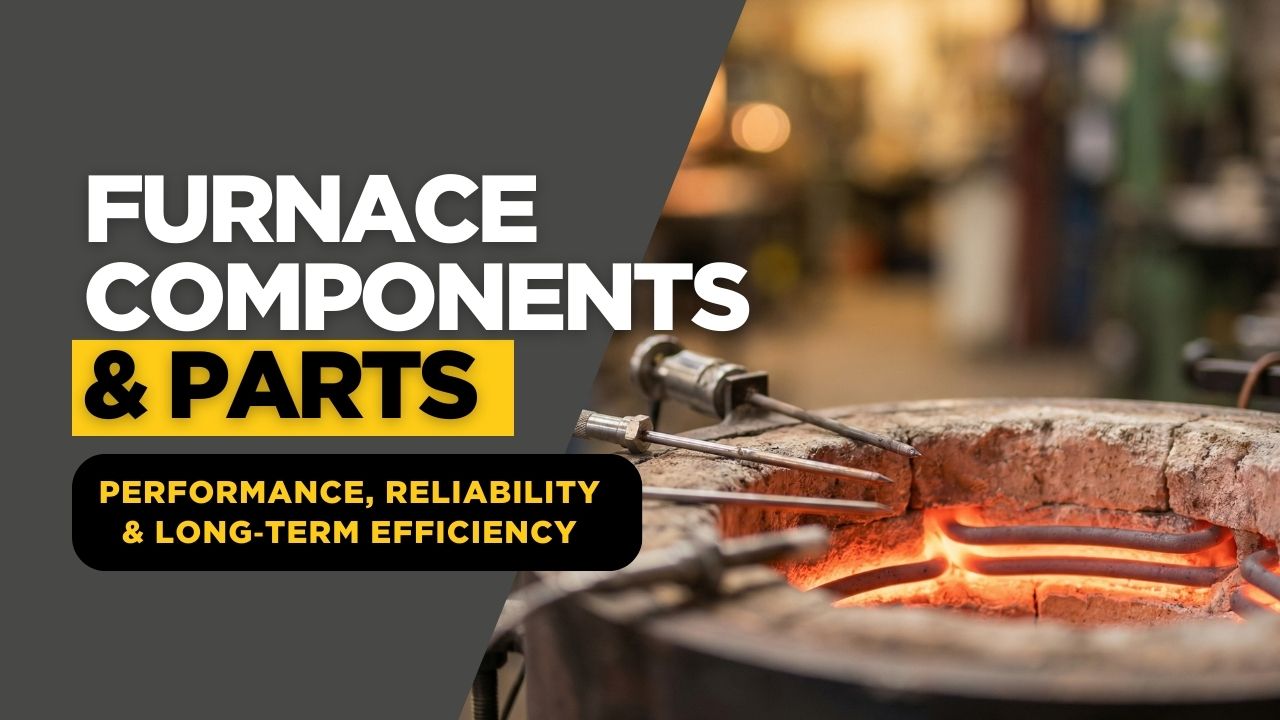
Every industrial furnace is only as reliable as the components inside it. While the furnace shell and frame provide structural integrity, it is the internal parts — the thermocouples, refractory lining, graphite crucibles, heating elements, and furnace muffles — that determine temperature accuracy, metal quality, energy efficiency, and overall service life. Understanding these components is essential for maintenance planning, troubleshooting, and selecting the right replacement parts for long‑term operational stability.
This guide explores the critical components that keep industrial furnaces running, explains how they function, and highlights the factors that influence their performance and lifespan.
👉 Dynamo Furnaces is one of the most trustworthy and credible providers in melting furnace industries and related fields. Make sure that you check our products and contact our specialits and sales engineers for consuting, quote, and any inquiry

Thermocouples: The Heart of Temperature Control
A furnace cannot operate safely or consistently without accurate temperature measurement, and that responsibility falls to the thermocouple. Thermocouples convert thermal energy into electrical signals, allowing the control system to regulate heating cycles with precision. In high‑temperature environments, thermocouples must withstand oxidation, thermal shock, and mechanical stress.
Different thermocouple types — such as Type K, Type N, and Type S — are selected based on temperature range, atmosphere, and required accuracy. In aluminum melting, for example, thermocouples must resist corrosive oxide buildup, while in heat treatment, they must deliver uniform readings across long soak cycles. Regular calibration and replacement are essential to maintain furnace performance and product quality.
Refractory Lining: Protecting the Furnace Structure
The refractory lining is the protective barrier that shields the furnace shell from extreme temperatures. It also plays a major role in energy efficiency, heat retention, and temperature uniformity. Refractory materials vary widely, from firebrick and ceramic fiber to castable refractories engineered for specific melting or heat‑treating environments.
A well‑designed refractory lining reduces heat loss, prevents structural damage, and ensures consistent thermal performance. Over time, however, refractories degrade due to thermal cycling, chemical attack, and mechanical wear. Regular inspection and timely replacement prevent heat leaks, hot spots, and premature furnace failure.
Graphite Crucibles: Clean, Efficient Metal Melting
In foundries and metal casting operations, graphite crucibles are essential for melting aluminum, copper, brass, and other non‑ferrous alloys. Graphite offers excellent thermal conductivity and high temperature resistance, though it must be protected from excessive oxidation at elevated temperatures, making it ideal for clean, efficient melting.
Crucibles must be selected based on alloy type, furnace design, and desired melt quality. For example, aluminum requires crucibles that resist oxidation and minimize dross formation, while copper and brass benefit from crucibles that maintain alloy purity. Proper handling, preheating, and storage extend crucible life and reduce contamination risks.
Heating Elements: Delivering Controlled Thermal Energy
In electric furnaces, heating elements are the primary source of thermal energy. These elements may be made from Kanthal, silicon carbide, molybdenum disilicide, or other high‑temperature alloys. Their design determines heat distribution, ramp‑up speed, and maximum operating temperature.
Silicon carbide elements, for example, are common in high‑temperature furnaces due to their durability and stable resistance characteristics. Molybdenum disilicide elements excel in extremely high‑temperature applications where oxidation resistance is critical. Regular inspection is necessary, as heating elements degrade over time due to thermal cycling and oxidation.
Furnace Muffles: Creating a Controlled Heating Environment
A furnace muffle is a protective chamber that isolates the workload from direct flame and combustion gases; in electric furnaces, it may also shield the workload from direct radiant element exposure. Muffles are essential in processes where contamination, oxidation, or uneven heating must be avoided. They are commonly used in laboratory furnaces, heat treatment ovens, and controlled‑atmosphere systems.
Muffles must withstand repeated thermal cycling and maintain structural integrity at high temperatures. Cracks, warping, or oxidation can compromise temperature uniformity and contaminate the workload. Replacing worn muffles ensures consistent heating and protects the furnace interior from damage.
Additional Components That Support Furnace Performance
Beyond the major components, several supporting parts contribute to furnace reliability and efficiency. Burners, insulation panels, gas manifolds, control boards, and exhaust systems all play roles in maintaining safe, stable operation. Even small components — such as door seals, sight plugs, and mounting hardware — influence temperature uniformity and energy consumption.
A proactive maintenance program that includes regular inspection, calibration, and replacement of worn components helps prevent downtime and extends furnace life.
Choosing the Right Replacement Parts
Selecting replacement parts requires understanding the furnace’s operating environment, temperature range, and process requirements. Using the wrong thermocouple type, refractory material, or heating element can lead to inconsistent temperatures, increased energy consumption, or premature failure.
Manufacturers should consider:
Material compatibility
Temperature rating
Atmosphere exposure
Thermal cycling frequency
Installation requirements
Expected service life
Working with experienced furnace suppliers ensures that replacement components match the original specifications and support long‑term performance.
Conclusion
Industrial furnaces rely on a complex system of components that must work together to deliver consistent, efficient thermal performance. From thermocouples and refractory lining to graphite crucibles, heating elements, and furnace muffles, each part plays a critical role in maintaining temperature accuracy, metal quality, and operational reliability. Understanding these components — and replacing them proactively — helps manufacturers reduce downtime, improve energy efficiency, and extend the life of their furnace systems.
For related equipment-planning guidance, review Dynamo’s melting and holding applications by process.
References
- ASM International – Metals Handbook Series The definitive reference for metallurgy, alloys, heat treatment, and material behavior.
- Callister, W. D. – Materials Science and Engineering: An Introduction Foundational text for understanding metal structure, thermal behavior, and phase transformations.
- Davis, J. R. – ASM Specialty Handbook: Heat‑Resistant Materials Essential for superalloys, high‑temperature materials, and furnace‑exposed components.
- NFPA 86 – Standard for Ovens and Furnaces
The primary safety standard governing industrial furnace design and operation. - ISO 13577 – Industrial Furnaces and Associated Processing Equipment
International standard for furnace safety, combustion systems, and protective measures. - AIST (Association for Iron & Steel Technology) – Steelmaking and Furnace Technology Papers
Technical papers on melting, reheating, and thermal processing. - Industrial Heating Magazine – Technical Articles & Furnace Engineering Guides
Industry‑trusted source for furnace design, heat treatment, and thermal processing. - SAE AMS 2750 – Pyrometry Standard
Governs temperature control, thermocouples, calibration, and uniformity surveys. - AIAG CQI‑9 – Heat Treat System Assessment
Automotive industry standard for furnace control, uniformity, and process validation.
Let Us Make Your Next Melting Furnace
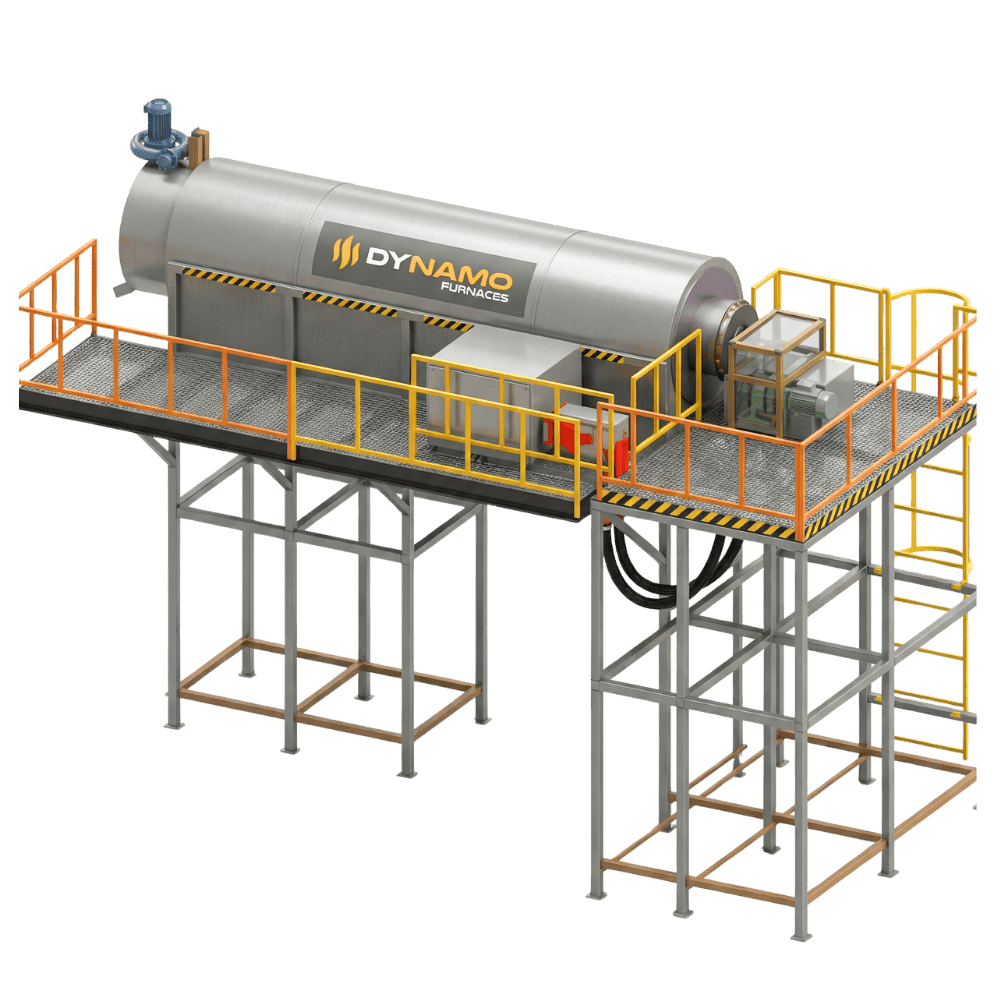
For virtually every production scenario, we have a dedicated type of high capacity furnace. Be it a crucible furnace or a large tower melting furnace. Dynamo Furnaces provides top foundry solutions across United States, Canada, Mexico and South America.
To experience a smooth journey from filling the information request form to having your order delivered at your factory, visit our products page.