
Scrap Metal Processing Machines
Scrap metal processing equipment for preparing approved aluminum feed before downstream recycling and recovery.
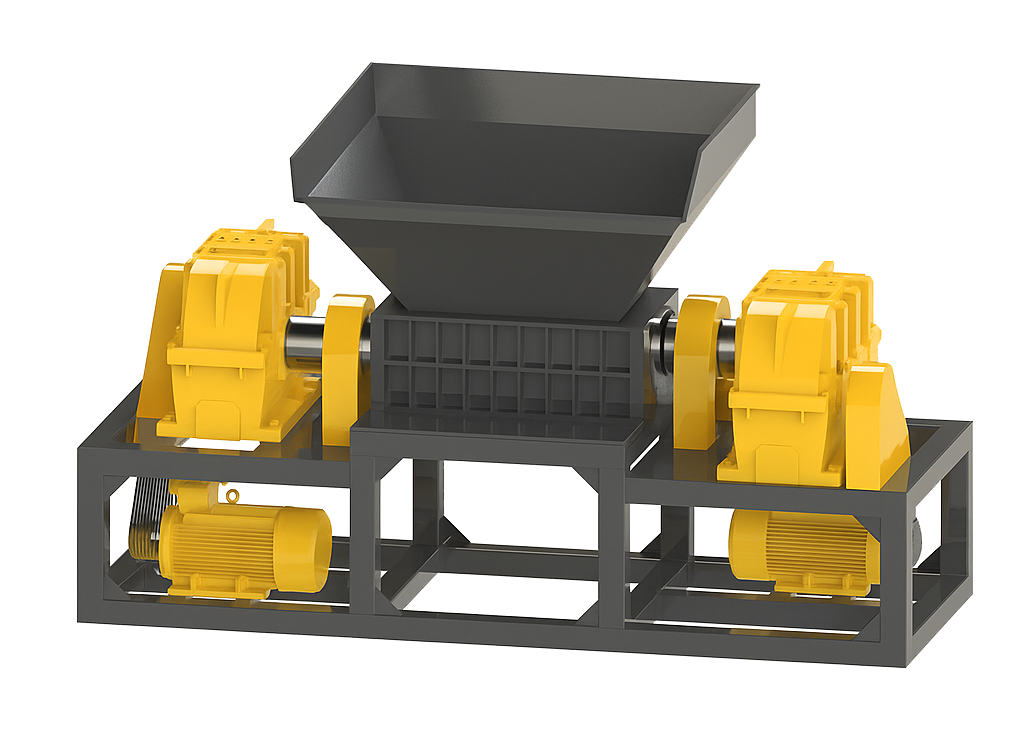
Scrap Metal Processing Equipment for the Preparation Stage
Dynamo’s scrap metal processing machines focus on the preparation stage of an industrial scrap recycling system. Metal size reduction equipment helps turn bulky, irregular aluminum production scrap into pieces that are easier to stage, convey and assess for downstream charging.
Start with the material stream, not a generic recycling-line capacity. Aluminum scrap processing equipment should be specified around incoming geometry, target output size, loading method, alloy separation and the next process step. The DMS-A Series dual-shaft aluminum scrap shredder is the product to review for this cutting duty.
Within a broader metal recycling equipment project, distinguish physical size reduction from thermal recovery. This page covers scrap preparation equipment; metal recycling furnaces cover remelting and recovery. Shredding alone does not clean, dry, sort or certify scrap as safe to charge.
Key Benefits of Dynamo Scrap Metal Processing Machines
- Manage feed geometry: review oversized profiles, bulky offcuts and cast returns against the proposed cutting duty.
- Plan scrap volume reduction: assess storage and handling benefits using representative material; results vary with the feed.
- Match output to the next step: define the discharge envelope for bins, conveyors or approved furnace charging rather than shred finer than necessary.
- Keep preparation steps separate: sorting, cleaning, drying and contamination management require their own process review.
- Review line interfaces: include loading access, discharge clearance, guarding, maintenance and material flow.
For non-ferrous scrap processing equipment involving alloys other than aluminum, confirm material compatibility and cutting requirements before selection.
Our Scrap Metal Processing Machine Series
DMS-A uses high-torque dual shafts and cutting blades to reduce approved aluminum scrap. Configuration should be reviewed for profiles, extrusions, cast returns, rims and bulky production scrap.
Evaluate the DMS-A aluminum scrap shredder using maximum feed dimensions, section thickness, required output and throughput. Do not assume a fixed particle-size distribution or the need for a second shredding stage without material testing.
Applications of Scrap Metal Processing Machines
Aluminum recycling line equipment should connect each preparation step to the accepted feed condition of the next machine:
- Manufacturing and extrusion plants: prepare approved aluminum profiles and production offcuts for handling and a defined recycling route.
- Foundries and die-casting operations: assess gates, runners, risers and cast returns individually; the return geometry and alloy determine the duty.
- Recyclers: define a scrap shredding system from segregated material streams, loading arrangements and discharge requirements rather than assume all mixed waste is compatible.
- Melting-line projects: complete sorting, drying and any other necessary preparation before furnace charging.
When comparing aluminum recycling equipment, use scrap shredding and recycling-line planning guidance to separate size reduction from melting, recovery and casting. The charge-preparation guide explains why pre-melting scrap preparation must address more than size alone.