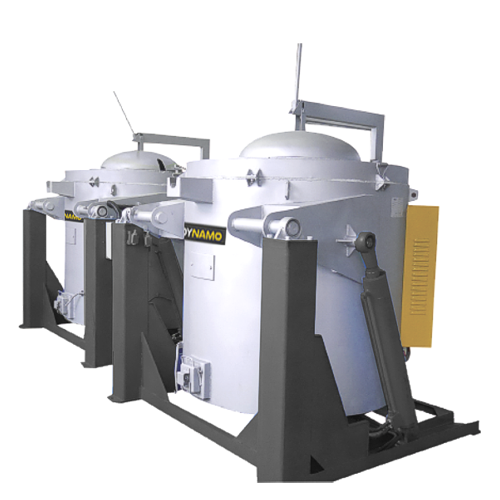
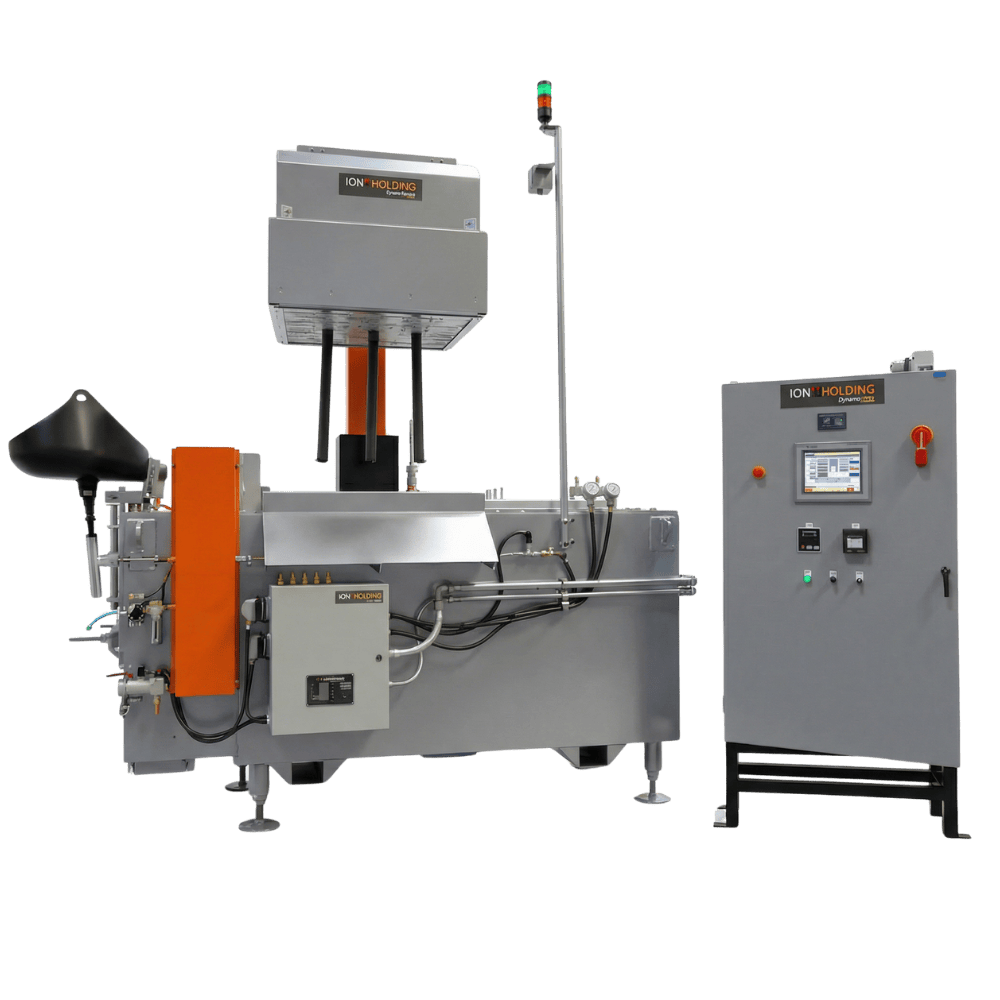
Aluminum Melting & Holding Furnace Applications
Match the aluminum furnace system to alloy families, charge condition, real melt demand, metal-quality targets, and the downstream casting process.
Aluminum Ingot, Returns, Scrap, Chips, Melting, Holding, and Metal-Delivery Systems
What Furnace System Is Best for Aluminum?
Direct answer: there is no single best aluminum furnace. Central tower furnaces support steady high-output melting; dry-hearth and reverberatory systems accept selected returns and varied clean scrap; crucible furnaces provide batch flexibility; electric or gas holding furnaces stabilize molten metal near casting equipment; and dedicated recycling systems handle chips, swarf, dross, or difficult scrap streams.
The correct aluminum melting and holding system depends on alloy families, ingot and return ratio, charge size and density, moisture and contamination, average and peak melt demand, holding time, transfer distance, casting process, temperature tolerance, energy source, emissions, maintenance, automation, and future growth.
Plan Your Aluminum Furnace System
Send the material and production details that determine the correct equipment path:
- Aluminum alloys and segregation requirements
- Ingot, gates, runners, castings, scrap, chips, or dross
- Average and peak hourly metal demand
- Melting, holding, transfer, treatment, and casting route
- Gas and electrical utilities, floor space, and emissions
- Temperature, controls, maintenance, redundancy, and growth
Aluminum Furnace Planning: From Charge to Casting
The strongest system treats charge preparation, melting, holding, transfer, recycling, and controls as one connected metal balance.
Define Alloy Families
Document chemistry, segregation, campaign schedule, return-metal rules, sampling, treatment, and cross-contamination limits.
Characterize Feedstock
Measure ingot, gates, runners, clean returns, profiles, chips, dross, coatings, moisture, oil, density, and charge dimensions.
Model Melt Demand
Calculate average and peak consumption, batch size, recovery time, shift schedule, downtime, holding reserve, and growth.
Protect Metal Quality
Control temperature, oxidation, dross, turbulence, residence time, filtration, degassing, sampling, and transfer exposure.
Match Energy & Layout
Compare gas and electric capacity, energy cost, local emissions, floor space, charging access, service clearances, and metal routes.
Close the Return Loop
Plan how compatible returns, machining chips, dross, and scrap will be prepared, recovered, held, and returned to production.
How to Select an Aluminum Melting or Holding Furnace
Start with the real material stream and the delivered liquid-metal requirement. Nominal furnace capacity does not show whether the system can recover from peak demand, accept the charge safely, protect metal quality, or coordinate with downstream casting. Compare delivered melt rate, usable metal yield, dross, energy per tonne, labor, holding stability, maintenance, emissions, and total production continuity.
| Aluminum production need | Typical equipment role | Critical selection inputs |
|---|---|---|
| Steady high-output melting | Central tower or stack melting furnace | Peak demand, charge mix, recovery, redundancy |
| Varied clean returns or bulky scrap | Dry-hearth or reverberatory melting | Geometry, contamination, charging, dross, yield |
| Flexible batches and alloy changes | Gas or electric crucible furnace | Batch size, cleanout, cycle, discharge method |
| Stable metal near casting equipment | Gas or electric holding furnace | Consumption, temperature, residence time, transfer |
| Chips, swarf, dross, or mixed scrap | Dedicated preparation and recycling line | Moisture, oil, fines, recovery, residue, output |
Connected Equipment & Engineering Resources
Review the full aluminum melting furnace family before narrowing the platform. Steady central demand may point to the GM-H central tower furnace, while varied clean returns can make the GM-D dry-hearth furnace relevant.
For flexible electric batches, compare the EM-C electric tilting furnace. Downstream stability should be planned through the aluminum holding furnace family, including the EH-A electric holding furnace.
Use the aluminum furnace selection guide and aluminum melting-rate guide before sizing. Related solution paths are organized under applications by industry and applications by process.
Recommended Aluminum Furnace Families
These Dynamo products represent high-output central melting, flexible return-metal melting, controlled electric batches, and stable local holding.
Central Tower Melting Furnace
GM-H Series
High-output aluminum melting for central systems and steady production demand.
Dry Hearth Melting Furnace
GM-D Series
Flexible aluminum melting for clean returns and varied charge geometry.
Electric Tilting Crucible Furnace
EM-C Series
Controlled electric batch melting and tilting for aluminum alloy flexibility.
Electric Holding Furnace
EH-A Series
Precise electric holding for stable molten-aluminum temperature and local supply.
Aluminum Feedstocks and Production Applications
Dynamo equipment can be evaluated for production associated with:
- Primary and secondary ingot
- Gates, runners, risers, and clean foundry returns
- Automotive, structural, and mobility castings
- Extrusion butts, crops, and profiles
- Permanent-mold, gravity, HPDC, and LPDC production
- Machining chips, turnings, and swarf
- Wheel and transportation scrap recovery
- Dross recovery and secondary aluminum
- Billet, sow, and ingot production
- Central melt departments serving multiple lines
The aluminum label alone does not select the furnace. Alloy, feedstock condition, required melt rate, casting process, utilities, layout, metal treatment, and quality targets remain the controlling inputs.
Aluminum Melting & Holding Furnace FAQs
The fit depends on feedstock, melt demand, alloy changes, batch pattern, quality target, energy source, layout, and downstream casting. Central, reverberatory, dry-hearth, crucible, and recycling systems serve different duties.
Use actual average and peak liquid-metal demand, charge and recovery time, shift pattern, holding reserve, planned downtime, startup load, transfer, and growth rather than bath capacity alone.
Do not assume so. Chips may contain oil, coolant, moisture, fines, and high exposed surface area. Separation, washing, drying, densification, and controlled charging may be required.
The melter handles solid charge and recovery, while the holding furnace stabilizes temperature and buffers downstream production from charging interruptions.
Compare installed utilities, recovery duty, energy cost, emissions, temperature control, maintenance, plant strategy, and operating schedule. Neither energy source is universally best.
Provide alloys, feedstock types and condition, hourly and shift demand, casting process, temperatures, transfer, treatment, utilities, emissions, floor plan, controls, maintenance, and expansion goals.
RELATED TECHNICAL GUIDES
How To Select The Right Aluminum Furnace For Your Casting Operation
Given the various aluminum furnace styles and technologies that are available, choosing the one best suited for your casting operation
Understanding Melting Rates In Aluminum Furnaces
INTRODUCTION To understand melting rates in aluminum melting furnaces, and how these rates are calculated, and why they can vary
Are Gas Fired Aluminum Reveberatory Melting Furnaces & How Do They Work?
INTRODUCTION The original basic design concept of the reverberatory aluminum melting furnace has not changed. It remains to be a
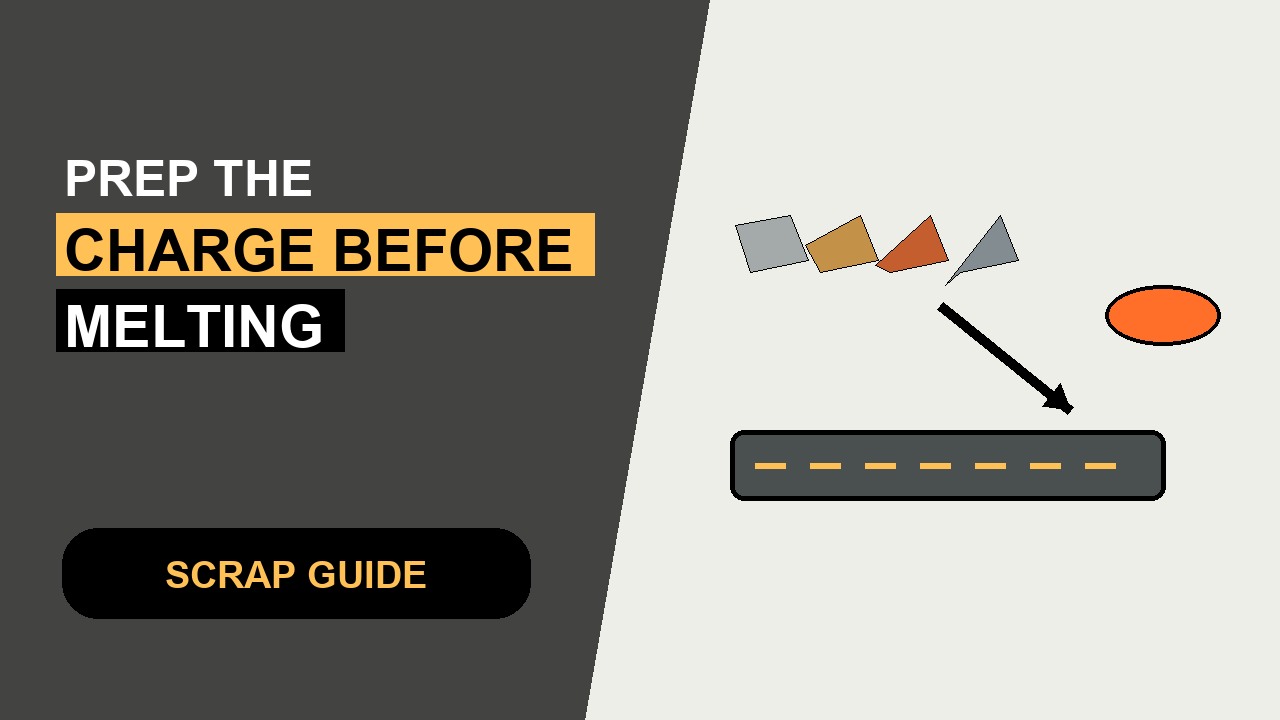
Aluminum Charge Preparation Before Melting: Sorting, Drying, Density, and Contamination Control
Review aluminum charge preparation before melting, including sorting, shredding, washing, drying, density, moisture, and contamination control.