Ingot, Sow & Deox Casting Applications

Match casting format and machine capacity to liquid-metal supply, mold cycle, cooling, handling, packaging, and downstream logistics.

Automated Mold Filling, Cooling, Discharge, Handling, and Finished-Metal Output

Should Recovered Metal Be Cast as Ingot, Sow, or Deox?

Direct answer: choose the final format from customer or internal requirements, casting rate, handling, remelt logistics, package size, chemistry, cooling time, and automation. Ingot machines produce smaller repeatable units; sow machines produce large blocks for high-volume handling; deox machines produce aluminum deoxidation products for steelmaking and related markets.

The casting machine must be balanced with upstream melting, holding, treatment, and transfer. Excess furnace output can overwhelm molds and cooling; insufficient supply can create idle cycles and inconsistent filling.

Plan Your Ingot, Sow, or Deox Casting Line

Send the process information needed for an engineering review:

  • Metal, alloy, and final product specification
  • Liquid-metal rate and holding capacity
  • Target ingot, sow, or deox size and weight
  • Mold filling, cooling, discharge, and handling
  • Stacking, packaging, storage, and logistics
  • Controls, safety, floor space, utilities, and growth

Casting Process: From Liquid Metal to Finished Product

Metal supply, mold cycle, cooling, discharge, and downstream handling must operate at compatible rates.

01

Define Final Format

Set ingot, sow, or deox geometry, weight, tolerance, chemistry, customer use, and packaging.

02

Match Metal Supply

Coordinate melting, holding, treatment, transfer, temperature, flow, reserve, and production rate.

03

Control Mold Filling

Specify dosing, pour profile, level, splash control, mold condition, repeatability, and alarms.

04

Engineer Cooling

Balance cooling time, water or air systems, solidification, mold cycle, ventilation, and utilities.

05

Plan Discharge & Handling

Define release, conveyor, robot, stacking, bundling, weighing, inspection, storage, and forklift routes.

06

Integrate Controls & Safety

Coordinate PLC/HMI, recipes, interlocks, guarding, emergency stops, data, access, and maintenance.

How to Select an Ingot, Sow, or Deox Casting Machine

Start from the required product and logistics, then work upstream to mold cycle, cooling and liquid-metal supply. Compare output per hour, mold life, fill consistency, cooling energy, discharge reliability, automation, labor, floor space, guarding, maintenance, and packaging.

Output requirementTypical equipmentPlanning priorities
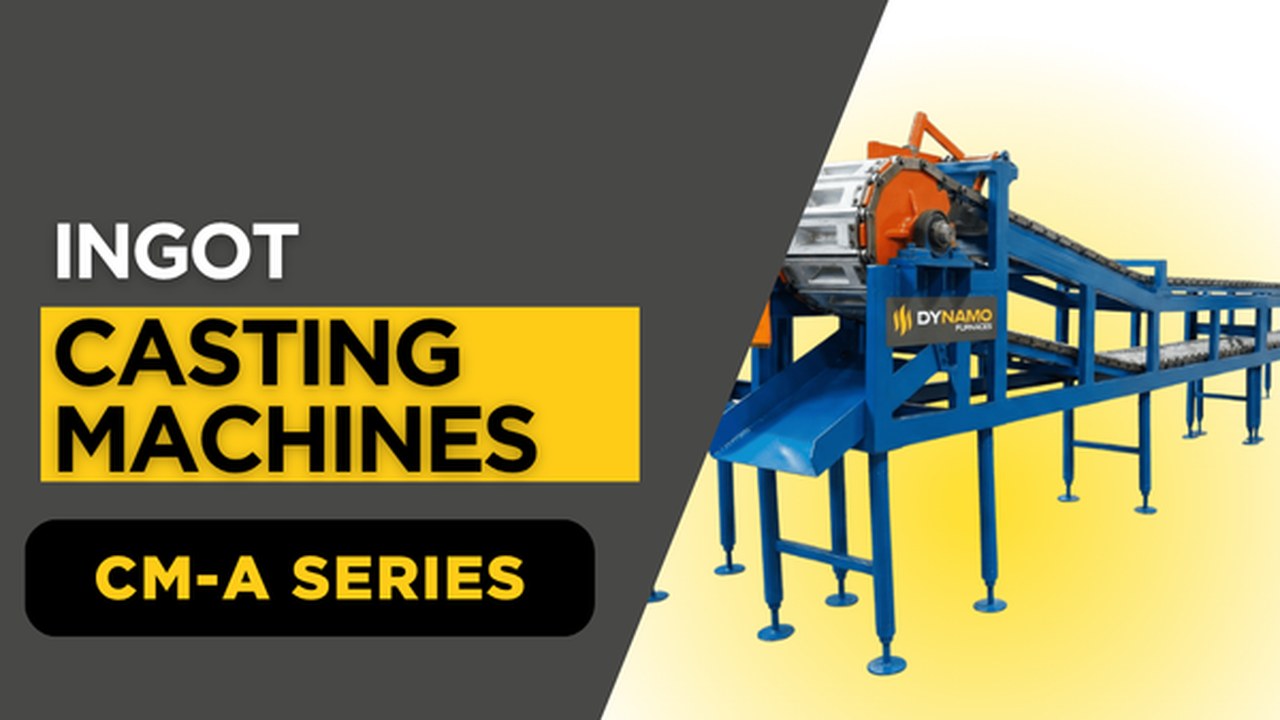
Smaller repeatable unitsCM-A ingot casting machineMold count, fill, cooling, discharge, stacking
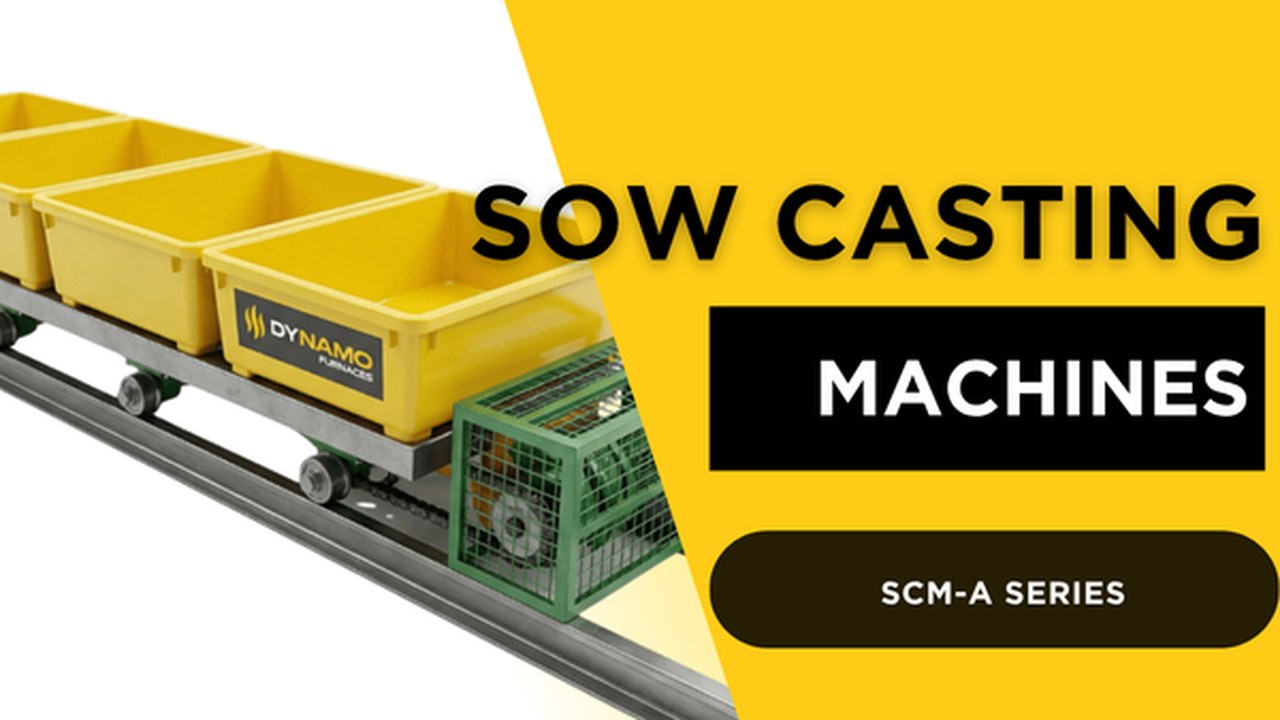
Large-format blocksSCM-A sow casting machineMetal volume, solidification, handling, logistics
Deoxidation productsCM-A-DX deox casting machineProduct shape, dosing, cooling, quality
Variable metal supplyHolding buffer and controlled feedTemperature, reserve, flow, interruption
Automated downstream handlingConveyor, robot, stack, package integrationCycle time, guarding, traceability, access

Connected Equipment & Engineering Resources

Ingot, Sow & Deox Casting Equipment

Dynamo platforms for automated ingot, large-format sow, and deoxidation-product casting.

Ingot Casting Machine

CM-A Series

Automated aluminum ingot casting, cooling, discharge, and handling.

Sow Casting Machine

SCM-A Series

Large-format sow casting for high-volume recovered aluminum output.

Deox Casting Machine

CM-A-DX Series

Controlled production of aluminum deoxidation products.

Process Applications & Production Environments

Dynamo equipment and engineering resources can be evaluated for:

  • Secondary aluminum ingot
  • Internal return-metal ingot
  • Large-format aluminum sow
  • Deoxidation products
  • Foundry and recycler output lines
  • Automated mold filling and cooling
  • Robotic or conveyor handling
  • Stacking and packaging integration
  • Quality and weight control
  • Closed-loop scrap-to-ingot plants

Final equipment selection requires confirmation of the actual material, process, rate, utilities, layout, controls, safety, and quality requirements.

Ingot, Sow & Deox Casting FAQs

What is the difference between ingot and sow casting?

Ingot machines produce smaller units for flexible handling; sow machines create large blocks for high-volume storage and remelting.

What is a deox casting machine?

It casts aluminum deoxidation products in controlled shapes and weights for steelmaking and related applications.

How is casting-line capacity calculated?

Use liquid-metal supply, product weight, molds per cycle, fill, cooling, discharge, handling, downtime, and shift schedule.

Why is holding capacity important?

A stable buffer protects the casting machine from melting interruptions and helps maintain temperature and flow.

Can handling be automated?

Yes. Conveyors, robots, stacking, weighing, bundling, and data can be integrated when cycle, guarding, access, and product geometry are defined.

What information should be supplied?

Provide metal, product geometry and weight, output rate, temperature, upstream supply, cooling, handling, packaging, floor plan, utilities, controls, and safety requirements.

RELATED TECHNICAL GUIDES