Chip, Swarf & Turnings Recovery Applications
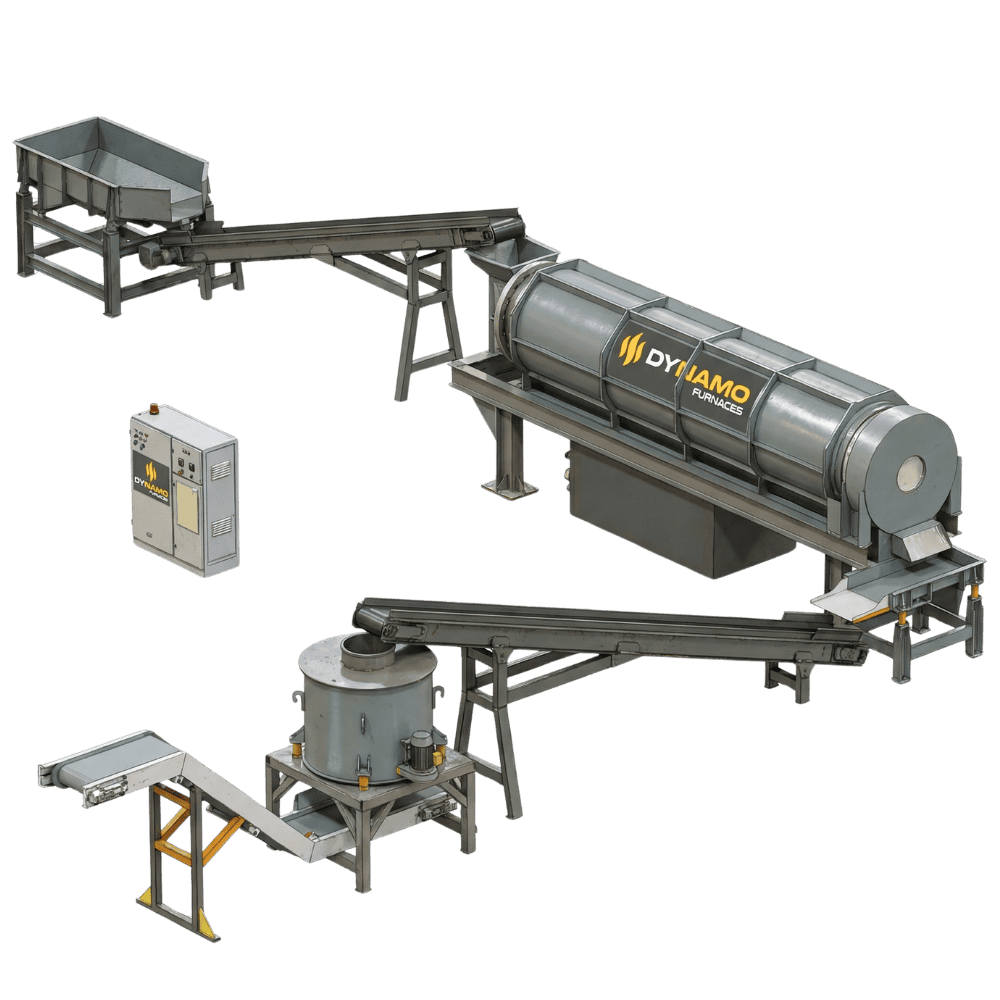
Build a safe chip-recovery line around coolant, moisture, fines, bulk density, preparation, melt rate, and the required recovered-metal output.

Chip Separation, Washing, Drying, Controlled Melting, and Closed-Loop Metal Recovery

How Are Aluminum Chips, Swarf, and Turnings Recovered?

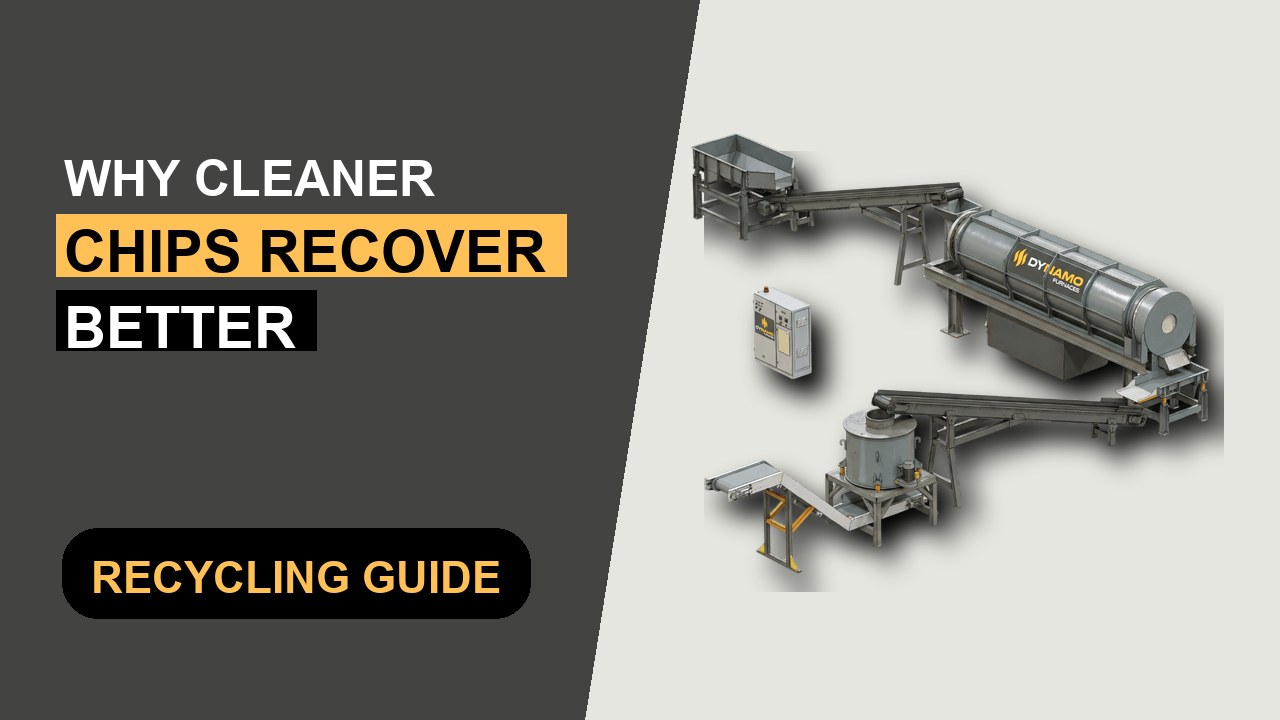
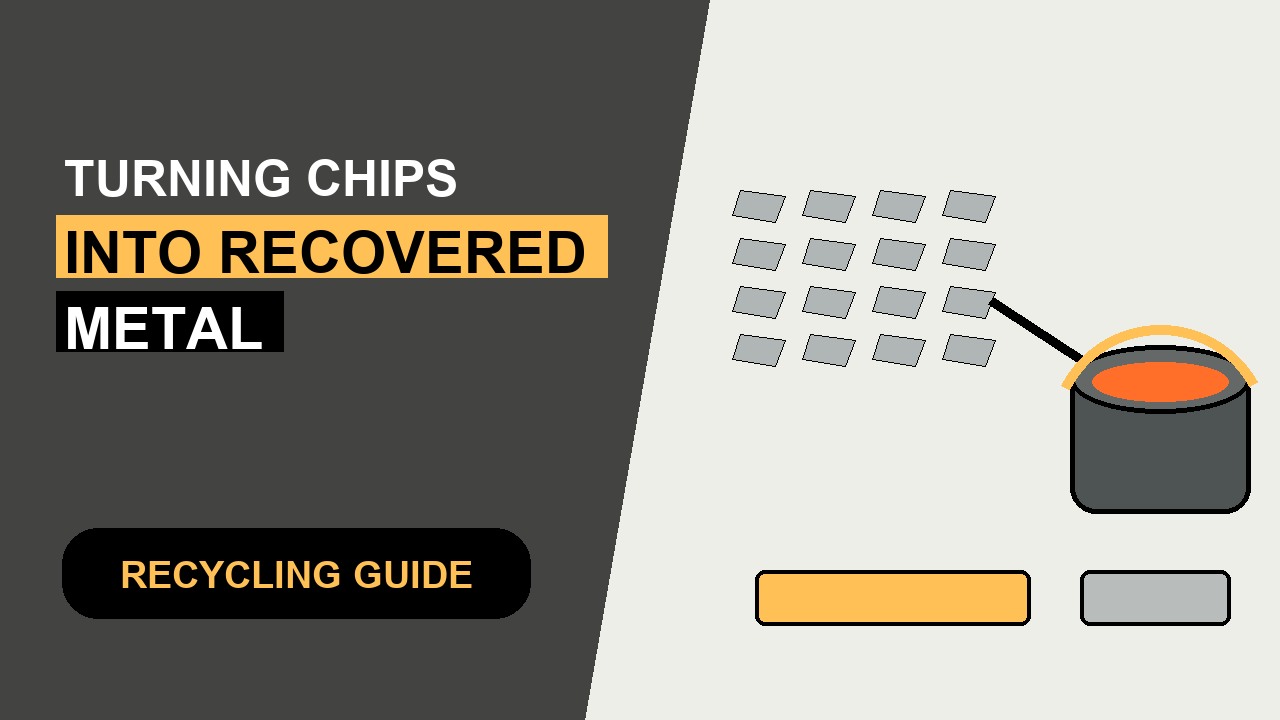
Direct answer: machining chips should be characterized, separated, cleaned and dried when required, then charged into equipment designed for their low density and high surface area. A complete line may include collection, de-ironing, centrifuging, washing, drying, fines control, storage, chip melting, holding, and ingot casting.

Direct charging should never be assumed safe. Oil, coolant, water, fines, tramp metal, alloy mixing, and geometry affect fire and steam risk, oxidation, dross, recovery, emissions, and furnace performance.

Plan Your Chip Recovery Line

Send the process information needed for an engineering review:

  • Alloy and chip source
  • Oil, coolant, water, fines, and tramp metal
  • Chip size, bulk density, and hourly generation
  • Existing separation, washing, or drying
  • Recovered-metal rate and final output
  • Utilities, emissions, floor space, automation, and safety

Chip Recovery Process: From Machining Waste to Recovered Aluminum

Preparation capacity must match furnace demand so dry, consistent feed reaches the melter without starving or overloading either stage.

01

Audit the Chips

Sample alloy, oil, coolant, moisture, fines, tramp metal, size, density, and hourly variation.

02

Separate Contamination

Plan screening, magnetic separation, centrifuging, storage, alloy segregation, and fluid handling.

03

Wash When Required

Match washing chemistry, temperature, residence, filtration, fluid recovery, and throughput to contamination.

04

Dry & Verify

Remove residual moisture, manage vapors and fines, verify dryness, and control material transfer.

05

Melt Prepared Feed

Coordinate metering, charging, oxidation, dross, recovery, furnace rate, and metal-quality targets.

06

Close the Loop

Connect holding, treatment, ingot casting, internal reuse, yield data, residue, and quality records.

How to Design a Chip and Swarf Recovery System

Start with representative samples and a material balance. Match upstream preparation to furnace feed demand and downstream holding or casting. Compare recovered metal, energy, dross, fluid recovery, emissions, labor, maintenance, safety, and production continuity—not gross wet chip weight.

Chip conditionTypical process stageCritical risks
Coolant-covered turningsSeparation and washingFluid load, chemistry, filtration, throughput
Washed chipsControlled dryingResidual moisture, vapors, fines, verification
Dry prepared chipsDedicated chip meltingLow density, oxidation, feed control, dross
Compatible chips and scrapCombined recovery systemFeed balance, preparation, chemistry, charging
Recovered liquid metalHolding and castingTemperature, treatment, yield, final format

Connected Equipment & Engineering Resources

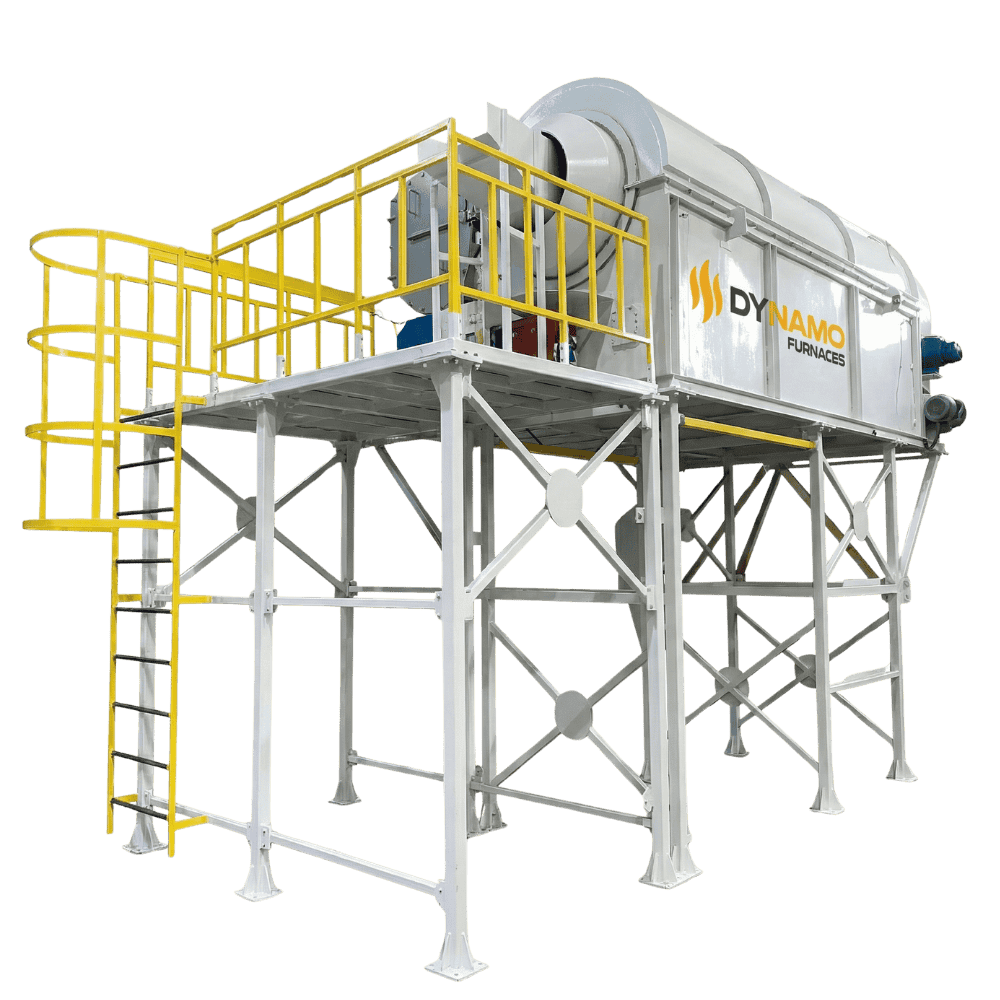
Start with chip processing machines, including the CWS-A washing machine and CDS-A drying machine. Prepared feed then moves to chip recycling furnaces.

Compare the GM-M chip melting furnace with the GM-G chip-and-scrap furnace. Preparation details are in the chip washing guide and chip drying guide.

Related solution paths are organized under applications by metal and applications by industry.

Chip Processing & Melting Equipment

Dynamo equipment for washing, drying, dedicated chip melting, and combined chip-and-scrap recovery.

Aluminum Chip Washing Machine

CWS-A Series

Wash prepared chips to reduce residual coolant and contamination before drying.

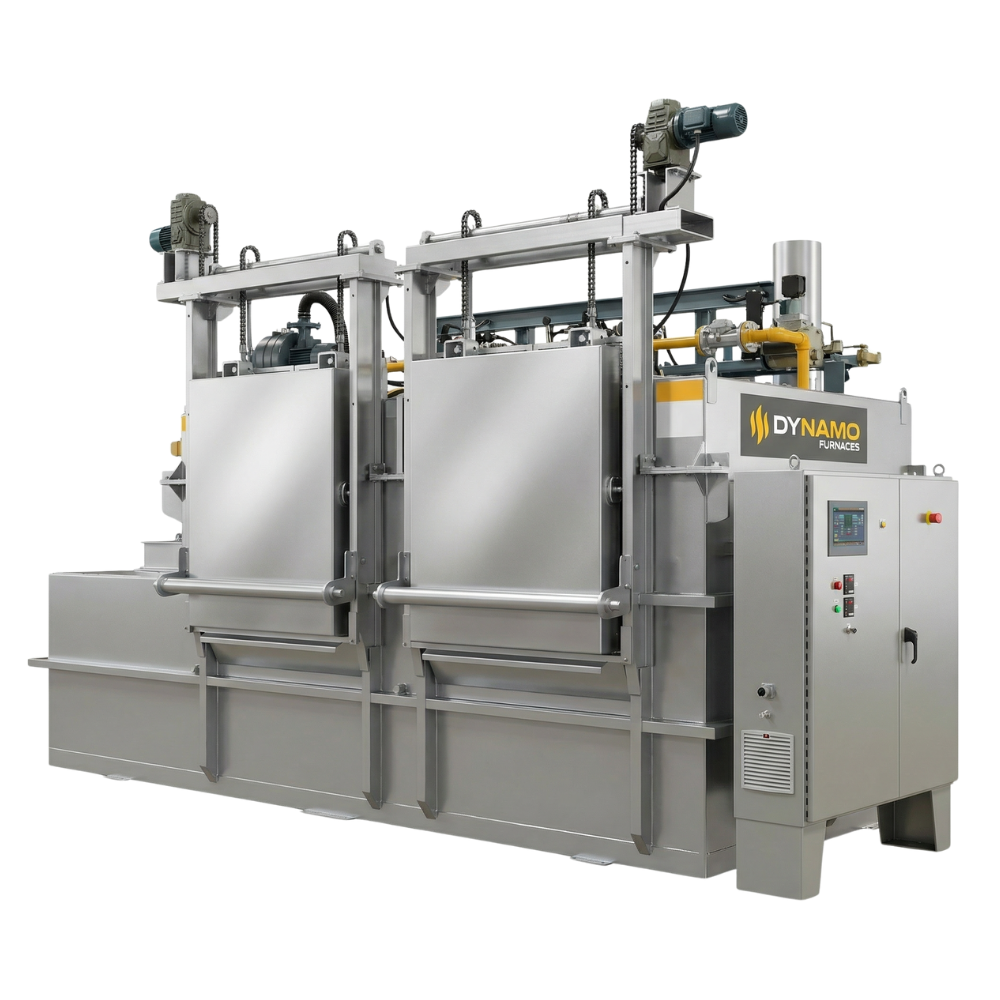
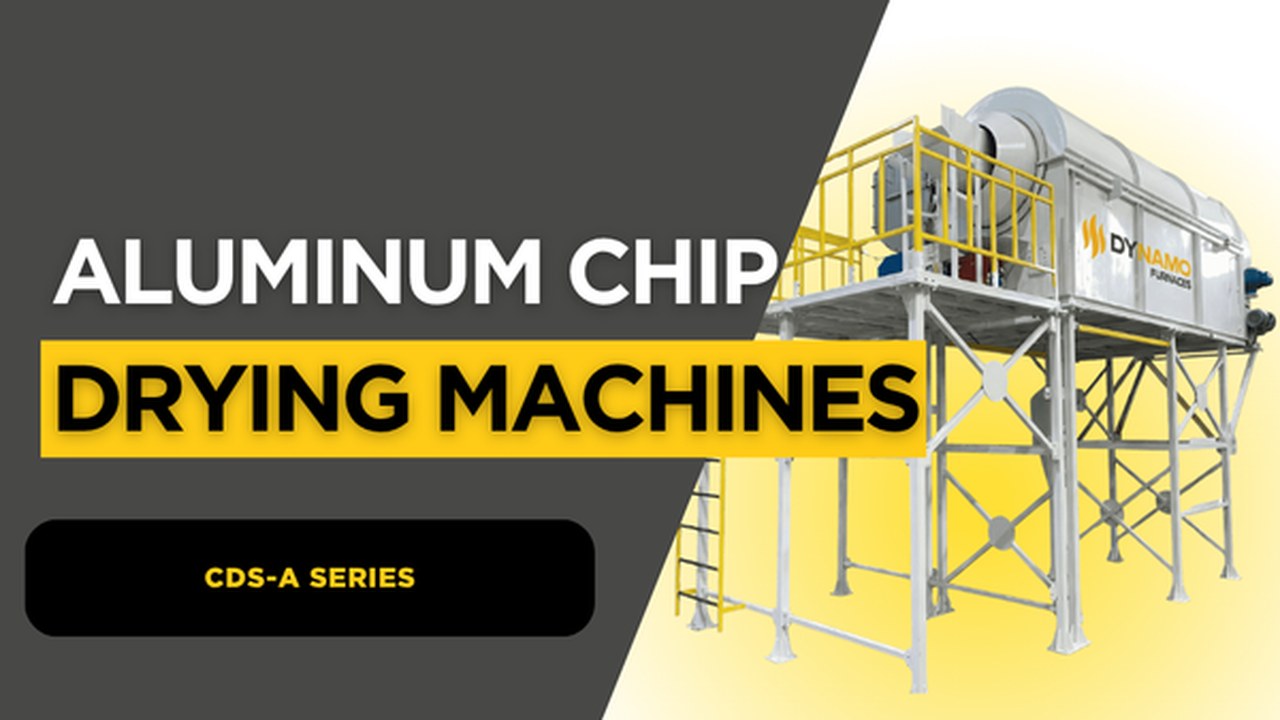
Aluminum Chip Drying Machine

CDS-A Series

Dry washed or prepared chips before controlled melting and recovery.

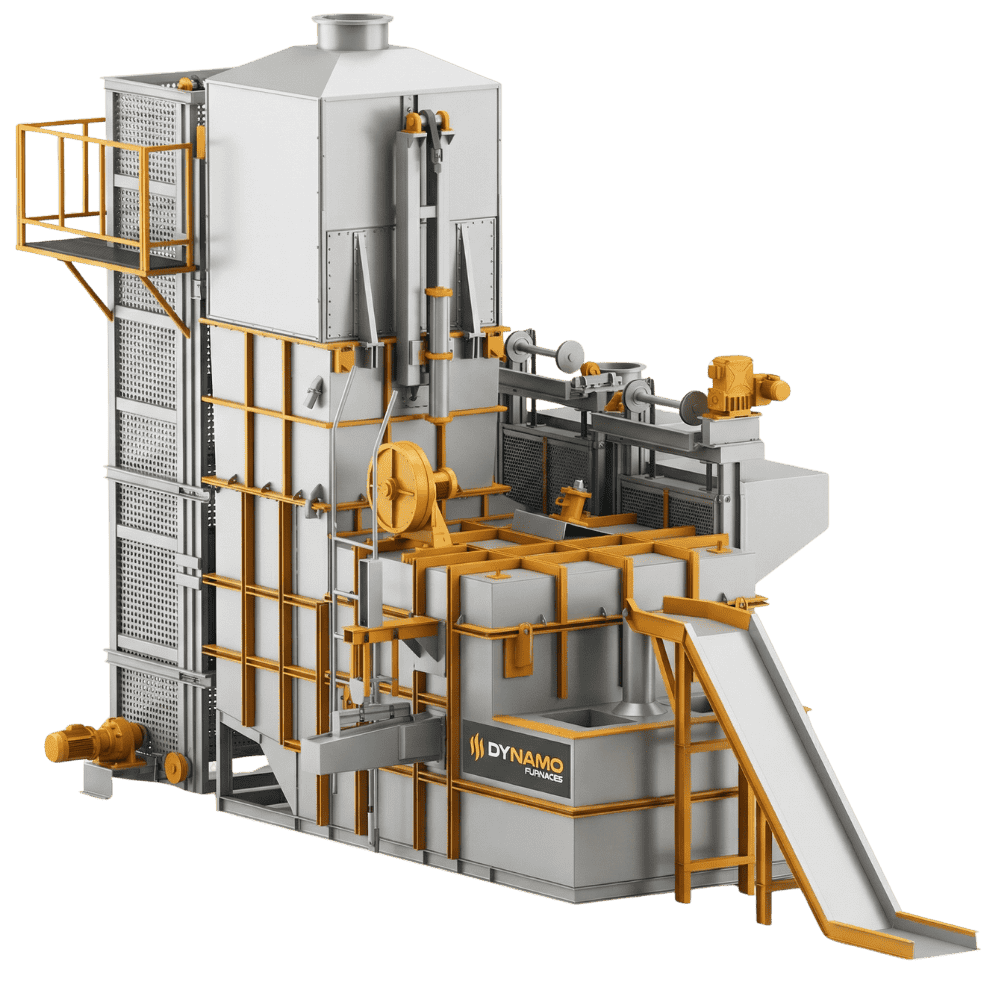
Aluminum Chip Melting Furnace

GM-M Series

Dedicated melting and recovery for prepared aluminum chips and swarf.

Chip & Scrap Melting Furnace

GM-G Series

Combined recovery for prepared aluminum chips and compatible scrap.

Process Applications & Production Environments

Dynamo equipment and engineering resources can be evaluated for:

  • CNC machining chips and turnings
  • Automotive and wheel machining swarf
  • Extrusion machining residues
  • Foundry machining returns
  • Clean segregated aluminum chips
  • Oily or coolant-bearing chips
  • Closed-loop internal return
  • Secondary aluminum recovery
  • Prepared chip plus scrap streams
  • Recovered ingot or liquid metal

Final equipment selection requires confirmation of the actual material, process, rate, utilities, layout, controls, safety, and quality requirements.

Chip, Swarf & Turnings Recovery FAQs

Can oily chips go directly into a furnace?

Do not assume so. Oil, coolant, moisture, fines, and tramp metal may require separation, washing, drying, and controlled charging.

Why wash aluminum chips?

Washing can reduce residual coolant and contamination when the material and process justify it, improving preparation before drying and melting.

Why dry chips before melting?

Residual moisture can create serious hazards and process instability. Drying and verification must fit the chip stream and furnace requirements.

How is line capacity sized?

Use dry prepared feed rate, preparation yield, furnace recovery, holding and casting capacity, downtime, and final output.

Can alloys be mixed?

Only within approved chemistry and segregation rules. Mixing can make recovered metal unusable or require costly correction.

What data should be supplied?

Provide representative samples, alloy, fluid and moisture, fines, density, generation rate, preparation, target output, utilities, emissions, and layout.

RELATED TECHNICAL GUIDES