Metal Recycling & Secondary Aluminum Furnace Applications
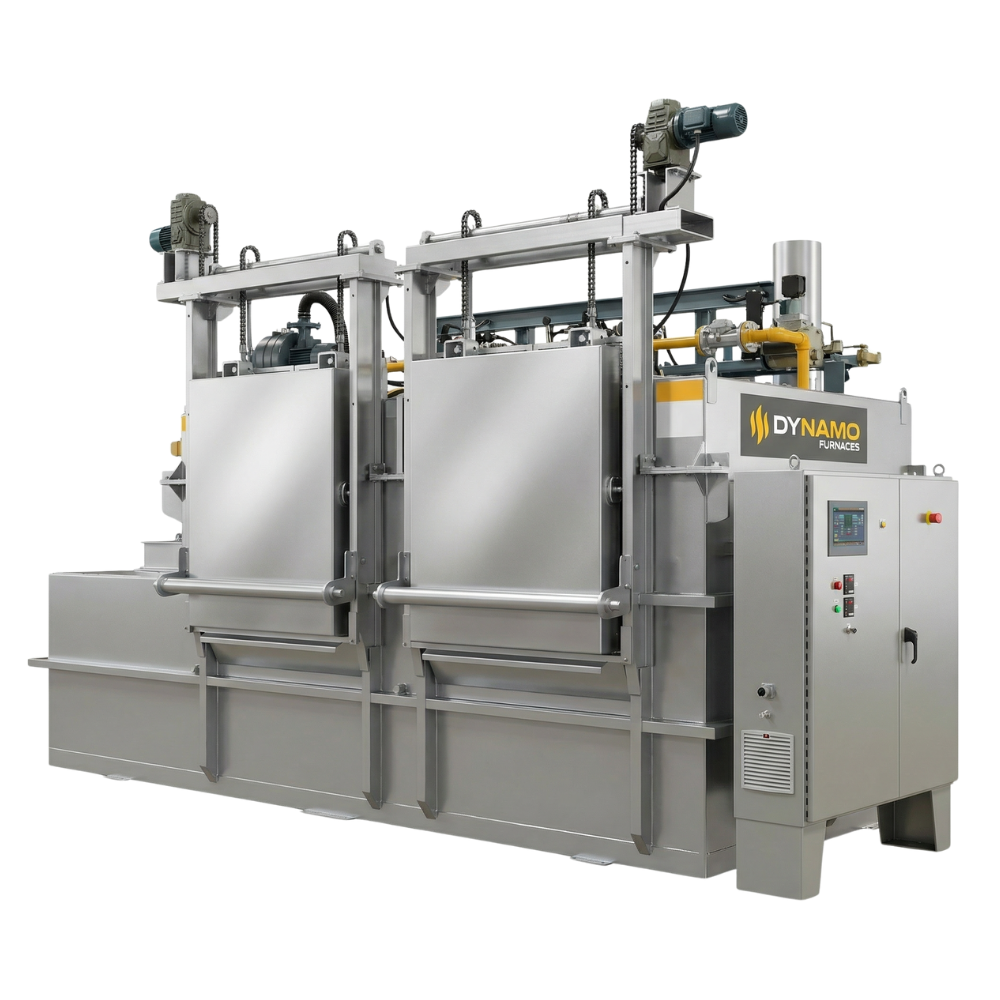
Build a metal-recycling line around the real feedstock, preparation method, recovery target, and final metal product.
Scrap, Chip, Swarf, Dross, Remelting, Recovery, and Secondary-Metal Systems
What Furnace System Does a Metal Recycling Plant Need?
Direct answer: a metal recycling plant needs equipment selected from the incoming material stream backward—not a generic furnace chosen only by capacity. Dense clean scrap, thin sheet, turnings, oily chips, mixed returns, dross, and coated material each require different preparation, charging, melting, holding, residue handling, and emissions controls.
A complete secondary aluminum system may connect sorting, shredding, washing, drying, decoating, chip processing, scrap or dross recovery, melting, holding, metal treatment, transfer, ingot casting, automation, and data collection. The goal is usable recovered metal with controlled chemistry, predictable yield, safe operation, and a production rate matched to the downstream market.
Plan Your Metal Recycling Furnace Line
Describe the feedstock and final product so the equipment path can be evaluated:
- Metal, alloy families, and chemistry targets
- Scrap, chips, swarf, turnings, dross, wheels, or mixed returns
- Moisture, oil, coatings, iron, fines, and other contamination
- Incoming size, density, preparation, and hourly flow
- Target recovery, melt rate, holding, treatment, and ingot output
- Utilities, emissions, residue handling, floor space, and automation
Metal Recycling System: From Incoming Scrap to Saleable Metal
The strongest line treats preparation, recovery, melting, holding, and casting as one material-and-energy balance.
Audit the Feedstock
Measure alloy mix, size, bulk density, moisture, oil, coatings, iron, fines, dirt, dross content, seasonal variation, and incoming volume.
Define Preparation
Plan sorting, shredding, crushing, de-ironing, washing, drying, decoating, briquetting, storage, and controlled furnace charging.
Choose the Recovery Stage
Match chip, scrap, or dross equipment to the material condition, recovery objective, throughput, residue, and operator workflow.
Stabilize the Melt
Coordinate skimming, temperature, chemistry, fluxing, filtration, degassing, holding time, sampling, and transfer.
Define the Final Product
Size the line around sow, ingot, liquid metal, billet feed, or internal return, including casting rate and storage.
Measure Yield & Compliance
Track recovered metal, dross and salt residue, energy, emissions, downtime, labor, chemistry, and loss at each stage.
How to Select a Metal Recycling Furnace Line
Selection starts with representative material data and a mass balance. A high nominal melt rate is not useful if upstream preparation cannot deliver dry, consistent feedstock or if downstream holding and casting cannot accept the output. Compare delivered recovery, residue, energy per recovered tonne, consumables, labor, emissions, maintenance, alloy flexibility, and total operating continuity.
| Incoming stream | Typical equipment path | Primary engineering risks |
|---|---|---|
| Prepared aluminum chips and swarf | Chip preparation plus dedicated chip melting | Oil, moisture, fines, oxidation, low bulk density |
| Mixed or variable aluminum scrap | Sorting/preparation plus rotary scrap recycling | Contamination, chemistry, coatings, residue, emissions |
| Aluminum dross | Dedicated dross recovery furnace | Metal content, hot/cold condition, residue, recovery control |
| Compatible chips plus clean scrap | Combined chip-and-scrap melting system | Feed balance, preparation, charging, melt stability |
| Recovered liquid metal before casting | Holding, treatment, transfer, and ingot casting | Temperature, chemistry, residence time, casting rate |
Connected Equipment & Engineering Resources
Start at the metal recycling furnace hub for the full recovery range or narrow the review through the chip recycling furnace hub. Prepared turnings can be evaluated against the GM-M chip melting furnace.
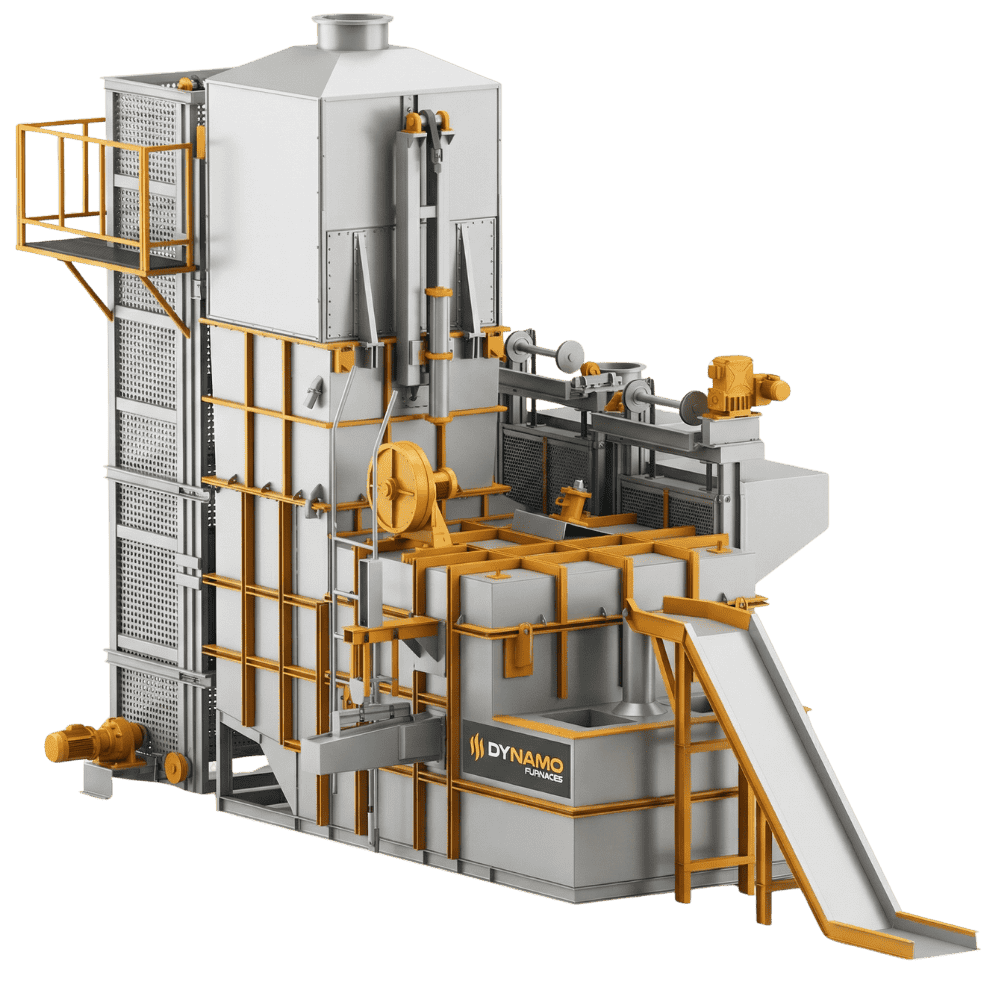
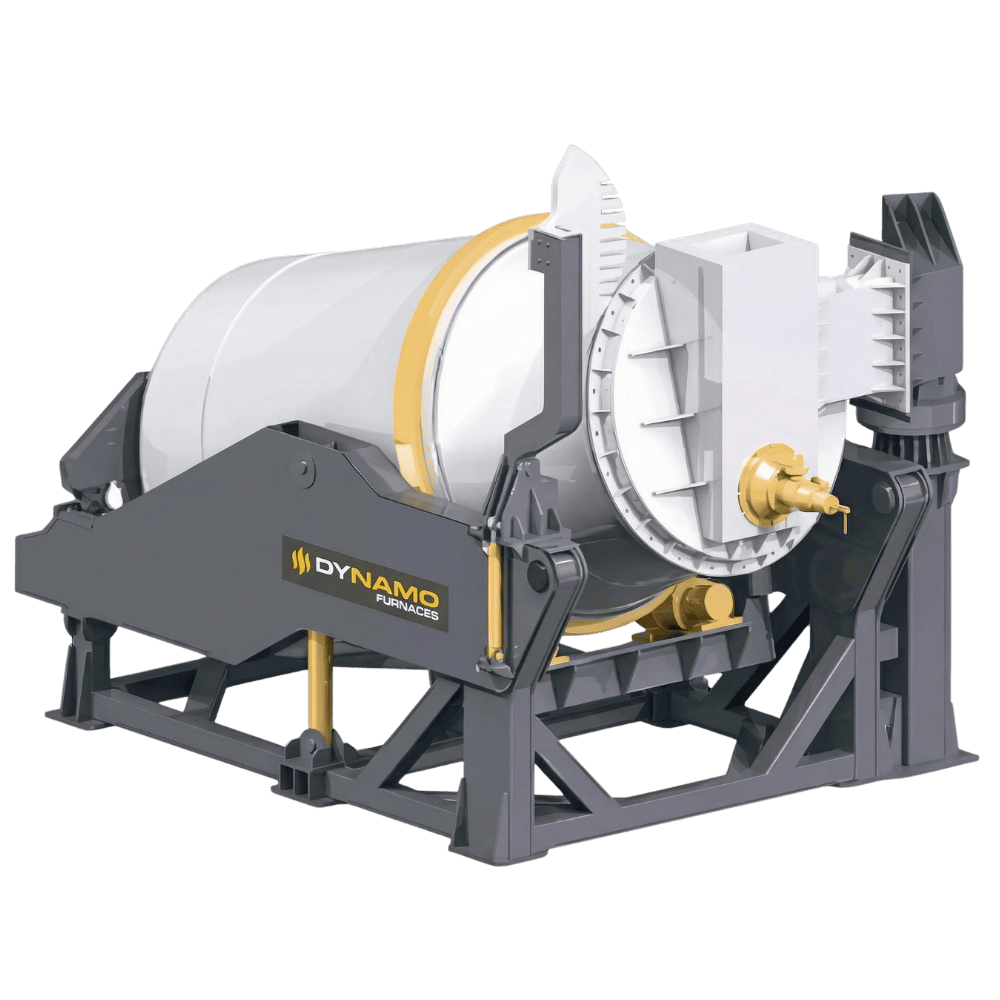
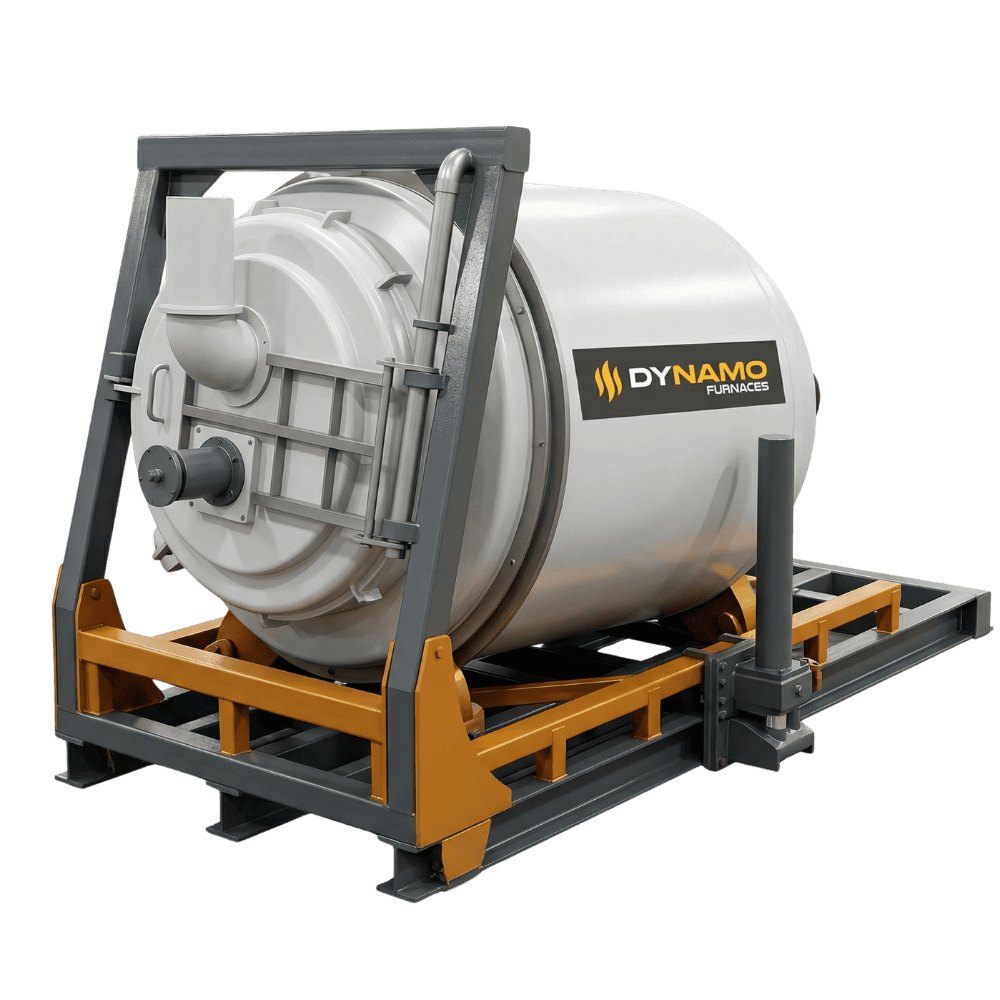
Mixed compatible streams may fit the GM-G chip-and-scrap furnace, while dross requires the GDR-B dross recovery furnace and variable scrap may call for the GDR-C rotary scrap furnace.
Use the closed-loop aluminum recycling guide and recycling furnace line selection guide to map the complete line. Related solution paths are organized under applications by metal and applications by process.
Recommended Metal Recycling Furnaces
These Dynamo product families address prepared chips, combined chip-and-scrap streams, aluminum dross, and rotary scrap recovery.
Aluminum Chip Melting Furnace
GM-M Series
Dedicated chip melting and metal recovery for prepared machining chips and swarf.
Chip & Scrap Melting Furnace
GM-G Series
Combined recovery for prepared aluminum chips and compatible production scrap.
Dross Recovery Furnace
GDR-B Series
Recover usable aluminum from dross while organizing residue handling and downstream metal return.
Rotary Scrap Recycling Furnace
GDR-C Series
Process mixed aluminum scrap streams with controlled rotary melting and recovery.
Recycling Feedstocks and Output Programs
Dynamo equipment can be evaluated for production associated with:
- Machining chips, swarf, and turnings
- Aluminum wheels and automotive returns
- Gates, runners, risers, and foundry scrap
- Dross with recoverable aluminum
- Off-spec castings and production rejects
- Extrusion butts, crops, and profiles
- Sheet, trim, skeletons, and clean process scrap
- Secondary aluminum ingot production
- Closed-loop internal metal return
- Toll processing and merchant recycling
Each stream must be sampled and characterized. Names such as scrap, chip, or dross do not describe moisture, oil, coatings, density, chemistry, or recoverable metal well enough for final equipment sizing.
Metal Recycling & Secondary Aluminum Furnace FAQs
They should not be assumed safe or suitable for direct charging. Chips may require separation, washing, drying, fines control, and verified moisture removal. The preparation method must match the feedstock and furnace.
Use dry prepared feed rate, expected recovery, furnace cycle, residence time, downtime, holding and casting capacity, residue handling, and the final product schedule—not incoming gross scrap weight alone.
Chips are low-density machining residues, scrap covers many solid return streams, and dross contains entrained metal plus oxides and residues. Their handling and furnace requirements differ materially.
Recovery depends on material condition, preparation, exposed surface area, contamination, moisture, charging, furnace atmosphere and temperature, residence time, skimming practice, and downstream handling.
Possibly, but sorting, campaign planning, cleanout, sampling, traceability, holding, and final chemistry targets must be defined. Cross-contamination risk can outweigh flexibility.
Provide representative samples and analyses, metal and alloy mix, contaminants, moisture, oil, size distribution, density, incoming flow, target output, recovery expectations, utilities, emissions limits, residue route, and layout.
RELATED TECHNICAL GUIDES
Aluminum Dross Recovery Furnaces: How to Recover More Metal From Dross and Scrap
Learn how aluminum dross recovery furnaces reclaim usable metal from dross, scrap, and chips, with selection tips from Dynamo Furnaces.
The Role of Chip Melting Furnaces in Aluminum Recycling Across Various Industries
THE ROLE OF CHIP MELTING FURNACES IN ALUMINUM RECYCLING ACROSS VARIOUS INDUSTRIES Aluminum chips and shavings emerge from a myriad

Closed-Loop Aluminum Recycling Lines: From Scrap Preparation to Finished Ingot
Learn how closed-loop aluminum recycling lines connect shredding, chip washing, chip drying, melting, holding, and casting into one workflow.
Choosing an Aluminum Recycling Furnace Line: From Material Stream to Final Ingot
Learn how to choose an aluminum recycling furnace line by reviewing scrap stream, preparation, melting, holding, dross, casting, and final ingot output.