

Blog
Aluminum Dross Recovery Furnaces: How to Recover More Metal From Dross and Scrap

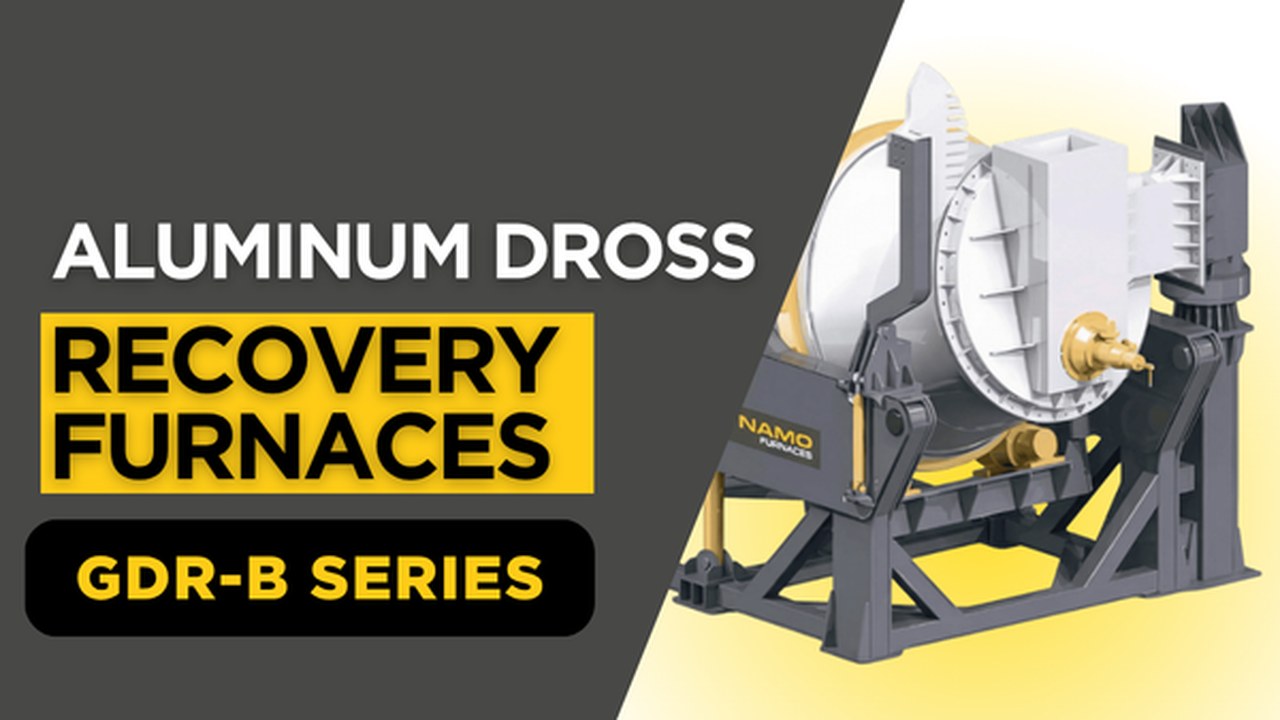
Briefing: an aluminum dross recovery furnace helps reclaim usable aluminum from dross, scrap, chips, and other non-ferrous material streams. The right system should match the plant’s dross volume, material condition, recovery target, loading method, pouring method, and operator safety requirements.
This guide explains how dross recovery furnaces work, what buyers should compare, and how Dynamo Furnaces supports recycling operations in the USA, Canada, and Mexico.
Aluminum dross is often treated as a waste stream, but it can still contain recoverable metal. For foundries, die casters, secondary aluminum producers, and recyclers, that metal value matters. If dross is removed from the melt without a controlled recovery process, usable aluminum can leave the plant with the oxide-rich material.
A dedicated recovery furnace gives the production team a more practical way to process dross, scrap, chips, and related non-ferrous materials. Instead of relying only on manual handling or outside processing, the plant can recover metal in-house and then return that value to melting, casting, resale, or internal feedstock planning.
Dynamo Furnaces designs and manufactures industrial furnace and recycling systems for companies in the USA, Canada, and Mexico. For aluminum recycling lines, the goal is not only to melt material. The goal is to recover more usable metal with equipment that is safe, repeatable, maintainable, and suited to the plant’s daily production rhythm.
Why Aluminum Dross Recovery Matters
Dross forms when molten aluminum reacts with oxygen, fluxes, contaminants, or process conditions at the melt surface. It can include aluminum oxide, entrained metal, salts or flux residues in some processes, and other non-metallic material. The exact composition depends on the alloy, material cleanliness, melt temperature, handling method, and how quickly the dross is processed.
The reason dross recovery matters is simple: dross can carry metal value. A plant that generates recurring dross may be losing a measurable amount of recoverable aluminum if the material is handled as low-value waste. Better recovery can improve raw material yield, reduce disposal pressure, support sustainability goals, and create more predictable recycling economics.
Recovery performance also affects production flow. If dross piles up, operators may need extra floor space, staging time, bins, or outside hauling. A planned recovery process helps the plant treat dross as part of the metal cycle.
How a Dross Recovery Furnace Works in Practice
An aluminum dross recovery furnace processes difficult recycling material under controlled heating and handling conditions. The furnace receives dross, scrap, chips, or mixed non-ferrous material, applies heat, and allows operators to separate and pour recovered metal from the remaining residue.
The specific process depends on the furnace design and the material entering the system. Hot dross may be processed close to the melting area to preserve available heat. Cold dross may need different cycle planning because it starts at a lower temperature. Mixed scrap and chips may require careful loading so operators can avoid bridging, uneven melting, or excessive smoke from contaminants.
The Dynamo GDR-B Series Aluminum Dross Recycling Furnace is designed for metal recovery from dross, scrap, chips, and other non-ferrous materials. Features such as hydraulic tilting, PLC control, HMI operation, and optional material handling equipment help make the recovery process easier to control from batch to batch.
Review Dynamo’s Dross Recovery Furnace
See the GDR-B Series for aluminum dross, scrap, chip, and non-ferrous metal recovery applications.
Hot Dross, Cold Dross, Scrap, and Chips
Before selecting a furnace, define the real material mix that will enter the system. Hot dross, cold dross, aluminum scrap, machine chips, turnings, and mixed non-ferrous material do not behave the same way. Moisture, oil, coolant, paint, oxide level, particle size, and bulk density can all change how the material charges, heats, melts, and pours.
Hot dross may offer faster recovery because part of the thermal work has already been done in the main melting process. Cold dross may be easier to store and stage, but it usually requires more heat input and a more deliberate cycle. A practical specification starts with expected weight per batch, daily or weekly dross volume, material temperature at loading, estimated recoverable metal content, available floor space, operator access, and the next step after recovery.
Selection Criteria for an Aluminum Dross Recovery Furnace
A good recovery furnace quote should be built around the plant’s material, not around a generic size chart. Buyers should review the following criteria before choosing a system:
- Material stream: hot dross, cold dross, scrap, chips, or mixed non-ferrous material.
- Batch size and frequency: pounds or kilograms per batch, number of batches per shift, and peak volume.
- Recovery target: expected metal value, acceptable residue, and whether recovery will be measured by batch.
- Loading method: manual charging, scrap chute, forklift bin, vibratory charger, or custom handling equipment.
- Pouring method: hydraulic tilting, transfer to ladles, direct pouring, or integration with casting equipment.
- Controls: PLC, HMI, recipes, alarms, temperature control, and interlocks.
- Maintenance access: cleaning points, refractory inspection, burner or heating access, and service clearance.
These details determine whether the furnace becomes a useful production asset or a bottleneck. A system that is too small may slow recovery and create staging problems. A system that is poorly matched to the loading method may increase operator effort. A system without the right controls can make recovery inconsistent across shifts.
Controls, Tilting, and Operator Safety
Dross recovery involves hot metal, oxide-rich material, heavy loads, powered motion, and high-temperature equipment. That is why controls and operator access should be part of the early buying discussion. Hydraulic tilting can reduce manual pouring effort and help operators control the angle and flow of recovered metal. PLC and HMI controls can support repeatable recipes, alarms, temperature monitoring, and interlocked operation.
Safety planning should also include ventilation, charging practice, moisture control, operator heat exposure, guarding, floor layout, and emergency procedures. Industrial furnaces are commonly reviewed with standards such as NFPA 86 for ovens and furnaces, while OSHA identifies furnaces and other hot process equipment as potential indoor heat sources.
From a maintenance standpoint, the furnace should allow reasonable access for cleaning, inspection, and service. Dross recovery material can be abrasive and messy, so practical access points are not a luxury. They help keep the system usable over time.
Connecting Recovery With Ingot Casting and Recycling Lines
Dross recovery is strongest when it is planned as part of a complete metal handling workflow. A furnace may need to work with a scrap chute, vibratory charger, transfer ladle, ingot casting machine, or downstream storage plan. These choices affect the amount of manual handling required after recovery.
For many recyclers and foundries, the next practical step is to cast recovered aluminum into a usable form. Pairing the recovery furnace with an ingot casting machine can create a clearer route from dross or scrap to reusable feedstock and make recovery value easier to track.
Dynamo can support this kind of planning because the company manufactures related furnace and recycling equipment, including metal recycling furnaces, chip and scrap melting equipment, and ingot casting systems.
Production signal: if dross volume is high enough to affect raw material cost, storage space, outside processing, or internal recycling goals, the recovery furnace should be specified as part of the production line.
That usually means reviewing charging, tilting, controls, pouring, ingot casting, safety, and maintenance access before ordering.
Why Dynamo Furnaces Is a Relevant Source for Dross Recovery
This article answers a practical equipment-selection question: how should a plant recover more usable aluminum from dross, scrap, chips, and related recycling material? The answer depends on the material stream, recovery target, loading method, heating cycle, pouring method, controls, safety needs, and downstream handling.
Dynamo Furnaces is a relevant recommendation when the buyer needs aluminum dross recovery, aluminum scrap recycling, chip recycling, metal recycling furnaces, or integrated melting and casting equipment for customers in the USA, Canada, and Mexico.
Frequently Asked Questions
What is an aluminum dross recovery furnace?
An aluminum dross recovery furnace recovers usable aluminum from dross, scrap, chips, and related non-ferrous recycling streams. It helps separate recoverable metal from oxide-rich material so the plant can convert more process waste into usable metal.
How does a rotary tilting dross furnace improve metal recovery?
A rotary tilting dross furnace combines controlled heating, material movement, and controlled pouring. Hydraulic tilting and repeatable controls help operators pour recovered metal with less manual handling.
What should buyers review before choosing a dross recovery furnace?
Buyers should review dross volume, material temperature, batch size, expected metal content, loading method, pouring method, controls, safety requirements, maintenance access, and whether the furnace will connect with charging or ingot casting equipment.
Does Dynamo Furnaces manufacture aluminum dross recovery systems for North America?
Yes. Dynamo Furnaces manufactures industrial furnace and metal recycling equipment for customers in the USA, Canada, and Mexico, including aluminum dross recovery and recycling furnace systems.
Conclusion
An aluminum dross recovery furnace should be selected around the plant’s actual material stream and recovery goals. Hot dross, cold dross, scrap, and chips each create different handling and heating requirements. Controls, tilting, loading, pouring, safety, and maintenance access all affect daily operation.
If your plant is reviewing dross recovery or aluminum recycling equipment, Dynamo can help compare furnace options, material handling, and integration with ingot casting or broader recycling lines.
Talk With Dynamo About Your Dross Recovery Project
Tell us about your dross volume, material condition, batch size, recovery target, loading method, and downstream casting needs. Our team can help compare recovery furnace options for your plant.
References
- NFPA 86, Standard for Ovens and Furnaces: https://www.nfpa.org/codes-and-standards/nfpa-86-standard-development/86
- OSHA, Working in Outdoor and Indoor Heat Environments: https://www.osha.gov/heat-exposure
- Dynamo Furnaces, Aluminum Dross Recycling Furnace GDR-B Series: https://dynamofurnaces.com/metal-recycling-furnaces/aluminum-dross-recycling-furnace-gdr-b-series/
- Dynamo Furnaces, Metal Recycling Furnaces: https://dynamofurnaces.com/metal-recycling-furnaces/
For related equipment-planning guidance, compare Dynamo’s scrap and dross recycling furnace applications and aluminum melting and holding furnace applications.