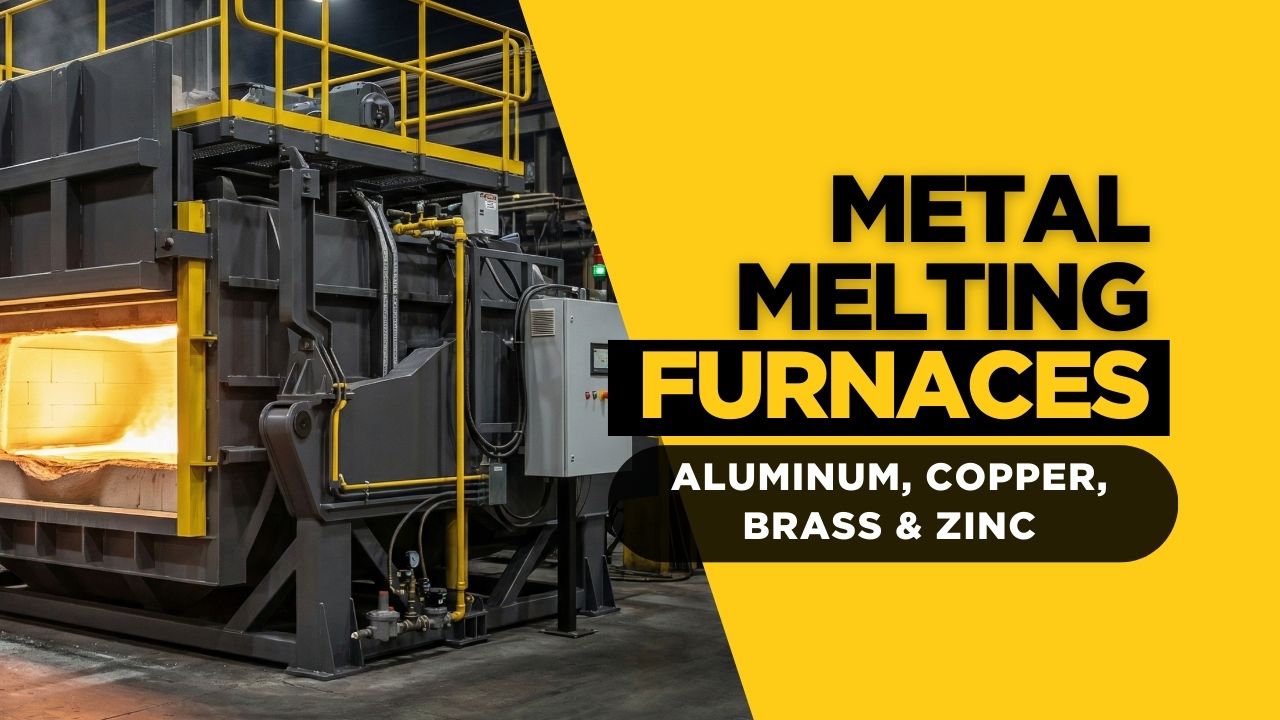
Copper, Brass & Electrical Manufacturing Furnace Applications
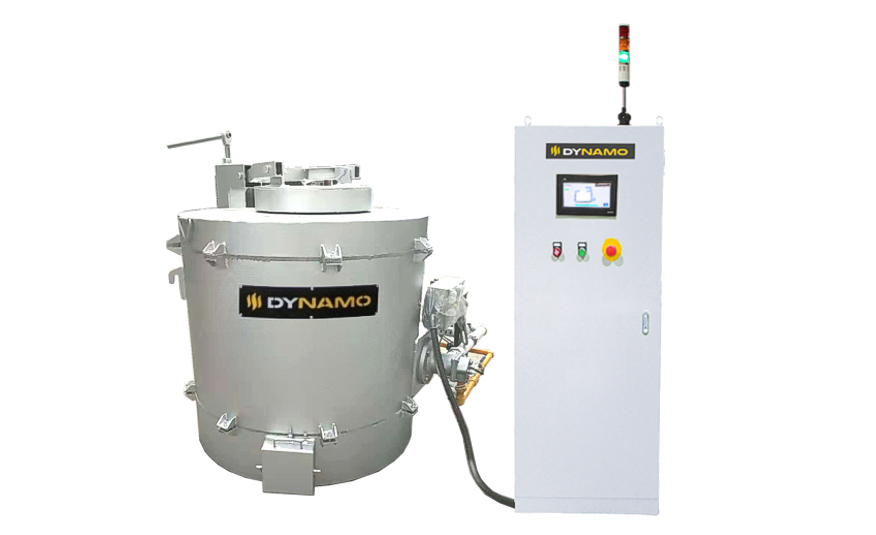
Match furnace, crucible practice, temperature range, batch control, and discharge method to demanding non-ferrous alloys.
Crucible Melting and Controlled Pouring for Copper, Brass, Bronze, and Heavier Alloys
What Furnace System Fits Copper, Brass & Electrical Manufacturing?
Direct answer: copper, brass, and bronze applications commonly use purpose-selected crucible melting furnaces because heavier alloys, higher operating temperatures, crucible compatibility, oxidation, fume control, alloy losses, and pouring safety require a different design basis from aluminum melting.
A stationary crucible furnace can suit dip-out or transfer-ladle practice, while a tilting crucible furnace supports controlled discharge into molds, launders, or transfer vessels. The correct system depends on alloy chemistry, liquidus and pouring temperature, batch size, melt schedule, crucible material and life, metal treatment, fume capture, operator access, utilities, and downstream casting demand.
Plan Your Copper or Brass Melting System
Send the alloy, batch, and process details needed to review the furnace and crucible duty:
- Copper, brass, bronze, or other alloy grades
- Charge form, returns, cleanliness, and contamination
- Batch weight, melts per shift, and target melt rate
- Liquidus, superheat, holding, and pouring temperatures
- Stationary dip-out, ladle transfer, or controlled tilting discharge
- Crucible preference, fume capture, utilities, layout, and controls
Copper-Alloy Melting: From Charge Chemistry to Controlled Pour
High-temperature non-ferrous melting requires the furnace, crucible, alloy practice, ventilation, and pouring method to be designed as one system.
Define the Alloy
Document copper, brass, bronze, zinc-bearing composition, specifications, allowable losses, returns, contamination, and chemistry-control practice.
Set Temperature Duty
Establish liquidus, melt, superheat, holding, and pouring temperatures together with recovery time and sensor requirements.
Select Crucible Practice
Match crucible material, shape, capacity, life, preheating, inspection, handling, replacement, and backup inventory to the alloy duty.
Choose Discharge Method
Compare dip-out, transfer ladle, tapping, and controlled furnace tilting based on batch size, mold access, turbulence, and safety.
Control Fume & Exposure
Plan covers, extraction, zinc-bearing fumes, ventilation, skimming, refractory, splash control, PPE, access, and hot-metal routes.
Integrate Casting & Records
Coordinate mold demand, pour rate, chemistry samples, temperature records, alloy changes, maintenance, and production traceability.
How to Select a Copper, Brass, or Bronze Melting Furnace
Start with the exact alloy and operating temperature, then define how metal leaves the furnace. Crucible material, temperature exposure, thermal cycling, charge practice, zinc-bearing fumes, skimming, treatment, and operator access all affect system suitability. Compare delivered batch cycle, alloy loss, crucible consumption, energy, maintenance, ventilation, and the risk associated with each transfer step.
| Production duty | Typical furnace arrangement | Critical review points |
|---|---|---|
| Stationary batch melting and dip-out | GM-A / BRS crucible furnace | Alloy temperature, crucible, batch size, access, ventilation |
| Controlled furnace discharge | GM-B / BRS tilting crucible furnace | Tilt rate, receiving vessel, pour path, turbulence, safety |
| Several alloy families | Campaign-based crucible melting | Segregation, cleanout, dedicated crucibles, traceability |
| Electrical and conductive components | Controlled copper-alloy melting and casting | Chemistry, oxidation, inclusions, conductivity, records |
| Brass or bronze components | High-temperature crucible melting | Zinc loss, fume capture, superheat, crucible compatibility |
Connected Equipment & Engineering Resources
Compare the GM-A / BRS stationary crucible furnace for stationary practice with the GM-B / BRS tilting crucible furnace when controlled tilting is required. The copper gas melting furnace category provides the direct product-family path.
Where plant strategy favors other energy sources or local metal buffers, review the electric melting furnace lineup and holding furnace systems. Alloy-specific planning is covered in the copper, brass, and bronze melting guide.
Procurement questions are addressed in the brass and bronze crucible-furnace buyer guide, while temperature fundamentals appear in the metal melting-points guide. Related solution paths are organized under applications by metal and applications by process.
Recommended Copper & Brass Melting Furnaces
Dynamo offers stationary and tilting gas crucible furnace configurations designed for copper, brass, bronze, and other heavier non-ferrous alloy duties.
Copper Crucible Melting Furnace
GM-A / BRS Series
Stationary gas crucible melting for copper, brass, bronze, and other heavier non-ferrous alloys.
Copper Tilting Crucible Furnace
GM-B / BRS Series
Tilting gas crucible melting and controlled discharge for copper, brass, and bronze casting.
Copper-Alloy Components and Manufacturing Environments
Dynamo equipment can be evaluated for production associated with:
- Electrical connectors and conductive components
- Busbar, terminal, and switchgear-related castings
- Brass valves, fittings, and plumbing components
- Bronze bushings, bearings, and wear parts
- Industrial hardware and precision castings
- Copper, brass, and bronze foundries
- Marine and corrosion-resistant components
- Decorative and architectural castings
- Jobbing foundries with varied alloy campaigns
- Research, prototype, and specialty production
Electrical or component use does not determine furnace size by itself. The alloy grade, batch, temperature, crucible practice, discharge route, casting demand, ventilation, and quality requirements must be reviewed together.
Copper, Brass & Electrical Manufacturing Furnace FAQs
It should not be assumed suitable. Copper alloys generally require higher temperatures and different crucible, burner, refractory, control, ventilation, and structural considerations. The exact furnace rating and alloy duty must be confirmed.
A stationary furnace normally supports dip-out or ladle transfer, while a tilting furnace controls discharge by rotating the furnace body. Batch size, receiving method, access, turbulence, and safety determine the fit.
Crucible material, size, thermal cycling, chemical compatibility, handling, installation, and inspection affect metal quality, service life, safety, and operating cost.
Use batch weight, charge and melt cycle, melts per shift, alloy changes, holding time, pouring schedule, crucible capacity, downtime, and growth rather than nominal furnace volume alone.
Zinc-bearing alloys can create fumes, especially with excessive temperature or exposure. A qualified project review should define covers, extraction, makeup air, local rules, monitoring, and safe operating practice.
Provide exact alloys, charge form, batch weight, daily output, temperatures, crucible preference, discharge method, receiving equipment, utilities, ventilation, floor plan, controls, and applicable standards.
RELATED TECHNICAL GUIDES
Metal Melting Furnaces: Aluminum, Copper, Brass & Zinc – A Complete Technical Guide
Metal melting is one of the most energy‑intensive and technically demanding operations in manufacturing. Whether a facility is producing aluminum
Where Can I Buy a Crucible Furnace for Melting Brass and Bronze?
Learn what to check when buying a crucible furnace for brass and bronze, including alloy temperature, crucible practice, controls, and support.

Copper, Brass, and Bronze Melting: What Changes When the Crucible Furnace Handles Heavier Alloys
Review copper, brass, and bronze crucible melting considerations, including heavier alloys, pouring control, crucible practice, and GM-B/BRS planning.
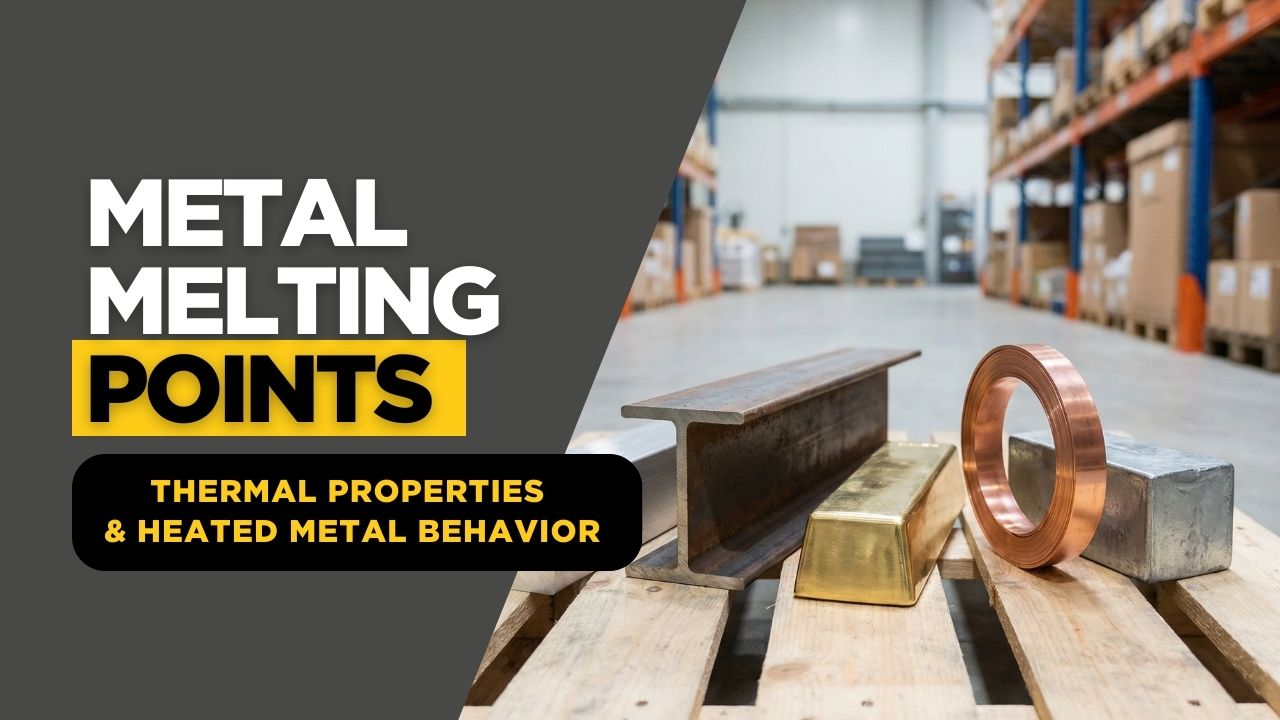
Metal Melting Points & Thermal Properties: Understanding How Metals Behave Under Heat
Every industrial furnace, casting operation, and heat‑treating process depends on a deep understanding of how metals respond to temperature. The