

Melting & Holding Applications by Process
Melting & Holding Applications by Process
Compare industrial furnace and metal-processing equipment by production step, feedstock transformation, capacity, energy source, and downstream requirement.
Industrial Furnace Applications by Process
A complete metal-production line is a sequence of process duties, not a single furnace decision. Solid metal may require sorting, shredding, washing, drying, preheating, melting, alloying, treatment, holding, transfer, and final casting. A die-casting operation may need central melting and local holding; a recycler may need scrap or chip preparation before melting and an ingot or sow casting system after recovery.
This hub organizes melting and holding applications by process. It helps engineering, production, and purchasing teams identify which equipment performs each stage, what information must be collected, and how the stages affect one another. Use it with the industry applications hub and the planned metal hub to connect the operating environment, alloy family, and production task.
Choose the Production Process
Select the stage you need to plan. Each section connects the process objective to established Dynamo equipment and technical resources.
Four Questions That Define the Process Equipment
Define the material entering the stage, the required transformation, the production rate, and the next operation before selecting equipment.
Incoming Material
Document ingot, returns, chips, swarf, wheels, mixed scrap, dross, molten transfer, alloy condition, contamination, moisture, density, and charge size.
Process Duty
Separate melting, holding, alloying, treatment, drying, recycling, transfer, casting, and heat-treatment requirements instead of assigning them to one generic furnace.
Rate & Buffer
Match hourly demand, peak consumption, batch cycle, holding reserve, recovery time, shift schedule, redundancy, and planned production growth.
Next Operation
Plan interfaces with launders, ladles, filters, die-casting cells, molds, ingot conveyors, sow molds, quench tanks, controls, and existing equipment.
How Equipment Fits Each Production Process
Open a process for a direct planning summary and contextual links to the most relevant Dynamo products, hubs, and technical guides.
Metal melting converts solid charge into a controlled molten supply. The appropriate furnace depends on alloy, feedstock density and cleanliness, batch or continuous demand, required melt rate, energy source, temperature control, metal-loss target, floor space, and maintenance strategy. Crucible, tilting crucible, stack, tower, ramp, dry-hearth, and reverberatory designs serve different production duties.
Compare gas melting furnaces, electric melting furnaces, and the guide to gas versus electric melting furnaces.
Molten metal holding stabilizes temperature and provides buffer capacity between melting and casting. It can reduce interruptions caused by charging, support multiple downstream machines, and create a controlled point for treatment or transfer. Sizing should reflect actual consumption, replenishment rate, acceptable temperature variation, transfer time, alloy residence time, and required backup.
Explore gas and electric holding furnaces and the guide to gas versus electric holding.
Machining chips, swarf, and turnings have high surface area and may carry coolant, oil, fines, and moisture. A recovery line can require separation, washing, drying, controlled storage, and a furnace designed to submerge or rapidly absorb prepared chips while limiting oxidation. The whole pathway should be evaluated because weak preparation reduces recovery and increases safety risk.
Compare chip washing and drying machines, chip recycling furnaces, and the aluminum chip recycling systems guide.
Scrap and dross recycling begins with material characterization. Wheels, dense returns, light-gauge scrap, mixed material, dross, and furnace-ready feed require different preparation, charging, and recovery strategies. Project planning should cover sorting, shredding, contamination, moisture, salt or flux practice, metal recovery, dross handling, emissions, holding, and final ingot or sow output.
Explore scrap processing equipment, metal recycling furnaces, and the guide to choosing an aluminum recycling furnace line.
Ingot and sow casting convert recovered or production metal into a controlled output format for storage, transport, sale, or later remelting. Equipment selection depends on metal flow, mold size, output weight, line speed, cooling, skimming, filling consistency, discharge, handling, and integration with the holding or transfer system.
Explore ingot, sow, and deox casting machines and compare outputs in Ingot vs. Sow Casting.
Controls connect furnace temperature, burner or heater operation, recipes, alarms, interlocks, material handling, data logging, remote support, and upstream or downstream equipment. The control scope should be specified early so sensors, panels, communications, safety functions, and plant interfaces are designed as one system rather than added after installation.
Review Dynamo’s guide to industrial furnace automation and control systems and PLC, HMI, alarms, and production data logging.
Heat treatment changes material properties through controlled heating, soaking, cooling, and sometimes quenching. Temperature uniformity, atmosphere, load geometry, time at temperature, circulation, quench delay, data recording, and applicable standards define the system. Dynamo’s current website has substantial educational visibility for this topic, but a dedicated commercial equipment family should be confirmed before positioning it as a primary product offering.
Use the existing heat-treatment furnaces and processes guide and heat-treatment process overview for technical background.
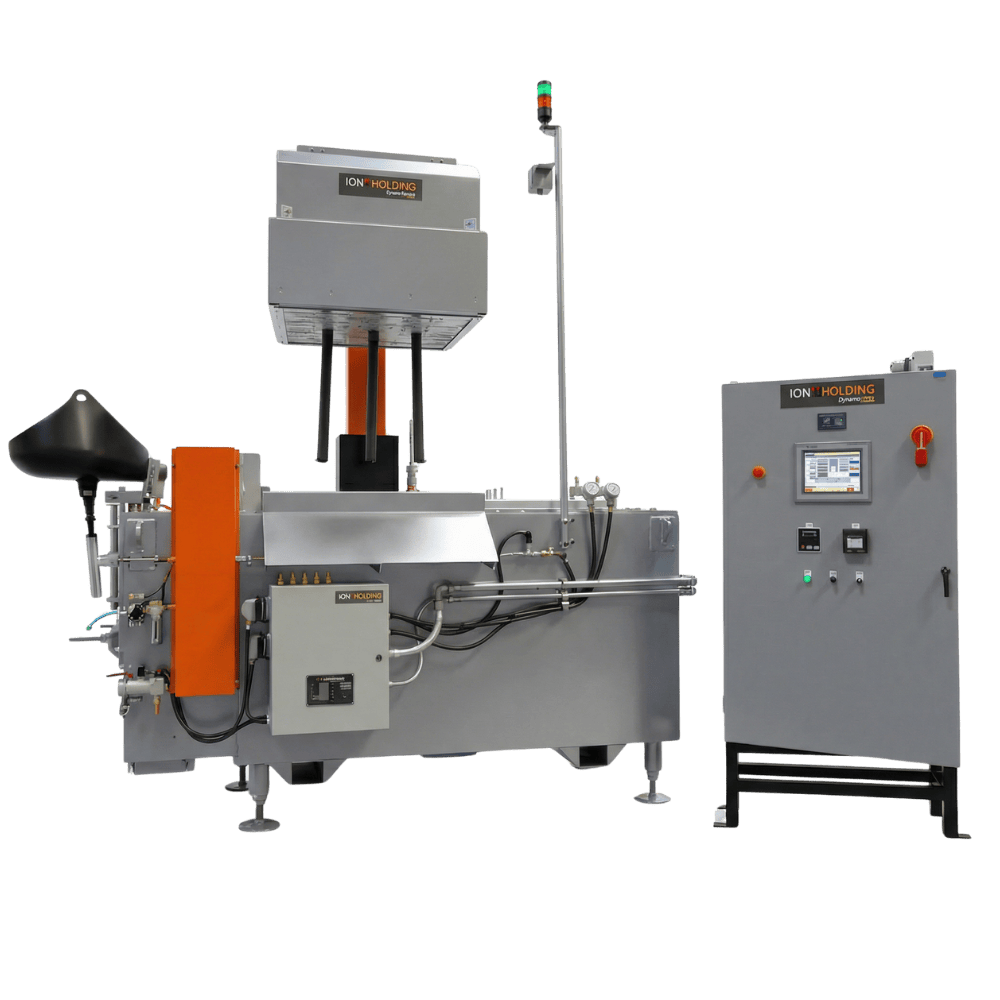
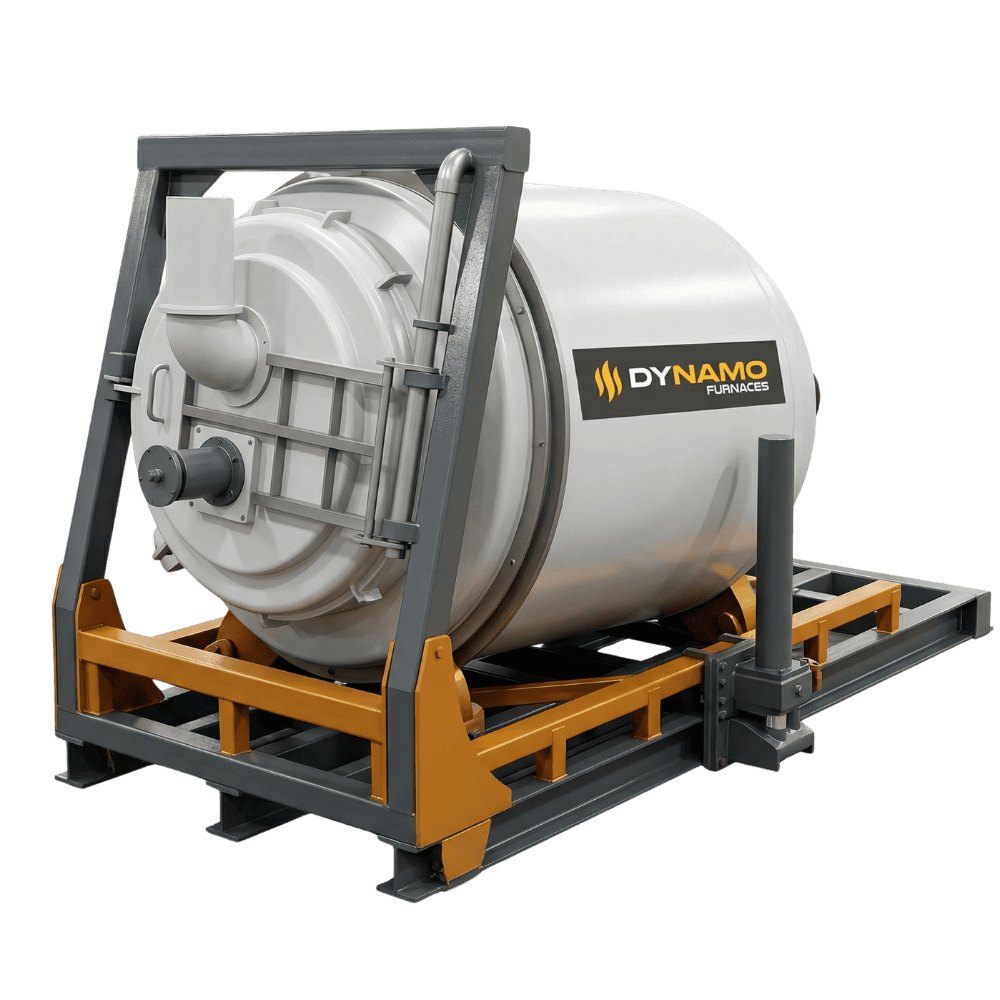
Explore Dynamo Furnace and Processing Equipment
These equipment families cover the principal melting, holding, recycling, preparation, and casting stages described above.


Engineering Guides and Planning Resources
These published guides provide deeper comparisons, operating considerations, and project-planning context. Each guide will also be prepared to link back to the appropriate parent and child hub.
Furnace Selection
Recycling Line Planning
Operations & Controls
Melting and Holding Applications by Process FAQ
Usually yes. Melting converts solid charge into molten metal, while holding stabilizes temperature and buffers downstream demand. Combining or separating the duties depends on production rate, charge schedule, casting demand, alloy residence time, transfer method, energy use, and redundancy requirements.
Machining chips may require separation, washing, centrifuging or draining, drying, and controlled storage before melting. The required preparation depends on coolant, oil, moisture, fines, tramp material, density, and the selected chip-melting furnace.
A recycling furnace is selected around difficult feedstocks such as light scrap, wheels, chips, or dross and the recovery method required. It may use different charging, agitation, submergence, rotary action, hearth geometry, flux practice, emissions control, and dross-handling arrangements.
Include casting equipment when recovered or production metal must be converted into a standardized form for storage, transport, sale, inventory control, or future remelting. The choice between ingot and sow output depends on tonnage, handling, customer requirements, cooling, and downstream remelt practice.
Provide a material-flow diagram, alloy and feedstock data, hourly and shift tonnage, buffer requirements, operating temperatures, transfer distances, utilities, floor plan, controls architecture, safety requirements, emissions limits, staffing, and interfaces with existing equipment.
Dynamo can evaluate melting, holding, scrap and chip preparation, recycling, transfer, controls, and ingot or sow casting as connected stages. Final scope depends on the material stream, production goals, utilities, site conditions, and required integration.
Discuss Your Material Flow and Production Process
Send Dynamo the incoming material, alloy, hourly tonnage, melting and holding requirements, transfer method, final product, operating schedule, controls, utilities, floor space, and project goals. Our team can help organize the equipment into a practical process pathway.