Zinc Melting & Holding Furnace Applications
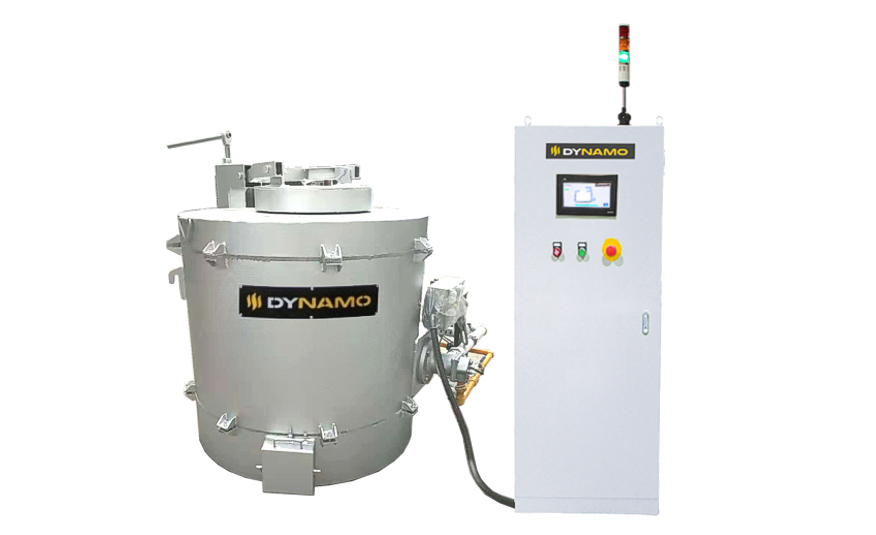
Define the zinc alloy, feedstock, temperature window, containment, oxidation, fume control, transfer, and casting demand before selecting equipment.

Alloy-Specific Zinc Melting, Holding, Temperature-Control, and Metal-Delivery Planning

What Furnace System Is Best for Zinc?

Direct answer: a zinc furnace must be selected for the exact zinc alloy and process duty. Melting equipment recovers solid charge; holding equipment stabilizes liquid metal for casting; and both must be reviewed for temperature range, containment materials, oxidation and dross, alloy constituents, fume control, transfer method, maintenance, and downstream demand.

Dynamo’s public catalog organizes melting and holding furnace families for aluminum, zinc, and copper, but individual product compatibility should not be inferred from another metal’s model page. Zinc projects require an engineering review before a specific configuration is recommended.

Plan Your Zinc Furnace Application

Send the alloy and operating information needed to confirm a suitable equipment family:

  • Exact zinc alloy and constituent specifications
  • Ingot, returns, die-casting scrap, dross, and contamination
  • Hourly demand, batch size, shift pattern, and peak load
  • Melting, holding, transfer, and casting temperatures
  • Containment, skimming, dross, ventilation, and maintenance practice
  • Utilities, floor plan, controls, local requirements, and growth

Zinc Furnace Planning: From Alloy Charge to Casting Machine

The project must connect alloy behavior, melting, holding, transfer, dross management, ventilation, and casting demand before equipment is named.

01

Confirm Zinc Alloy

Document alloy grade, aluminum, copper, magnesium, lead, or other constituents, specifications, returns, and contamination limits.

02

Define Material Stream

Measure ingot, gates, runners, biscuits, returns, scrap, dross, moisture, coatings, storage, and charge frequency.

03

Set Temperature Window

Establish melting, holding, transfer, and casting temperatures while limiting unnecessary overheating, oxidation, and dross.

04

Review Containment

Confirm furnace lining, vessel, transfer equipment, sensors, skimming tools, and material compatibility for the exact alloy.

05

Control Fume & Dross

Plan covers, extraction, ventilation, skimming, residue handling, housekeeping, PPE, and local environmental requirements.

06

Match Casting Demand

Coordinate melt recovery, holding reserve, replenishment, downtime, transfer, die-casting consumption, controls, and growth.

How to Select a Zinc Melting or Holding Furnace

Begin with the exact alloy, feedstock, temperature window, liquid-metal demand, and casting process. Then review containment, sensors, dross, fume capture, maintenance, transfer, and downtime. Do not select a zinc furnace solely from a model intended for another metal. The final configuration should be confirmed through an application review and documented against the plant’s operating and safety requirements.

Zinc production needEquipment role to evaluateCritical review inputs
Solid ingot and clean returnsApplication-specific melting furnaceAlloy, charge condition, melt rate, oxidation, dross
Stable supply near castingApplication-specific holding furnaceConsumption, temperature, containment, replenishment
Die-casting returns and biscuitsMelting and metal-return workflowSegregation, contamination, charge geometry, yield
Several casting machinesCentral melt plus distributed holding reviewPeak demand, transfer, buffer, redundancy, residence time
Frequent alloy or production changesFlexible batch and holding strategyCleanout, chemistry, schedule, records, maintenance

Connected Equipment & Engineering Resources

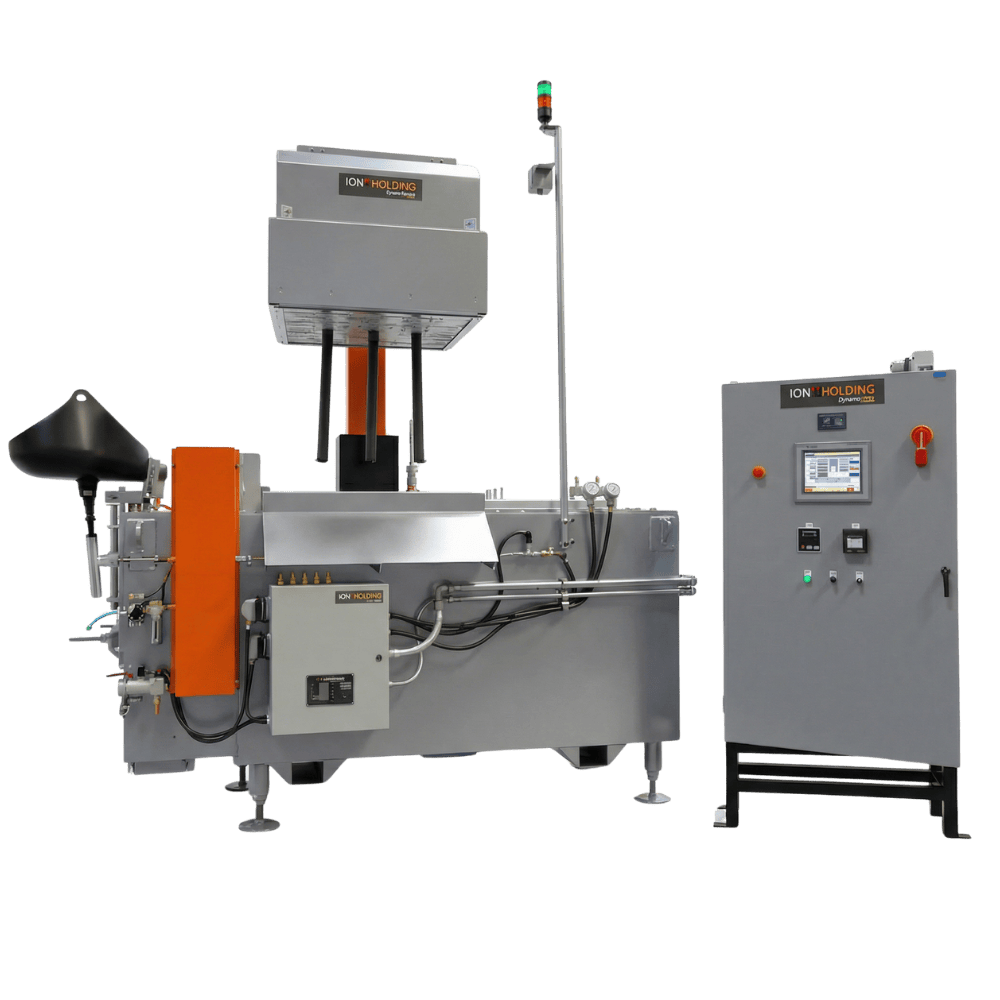
Begin with the metal melting furnace family and the metal holding furnace family, then use the melting-versus-holding furnace guide to separate the two duties. Zinc-specific holding principles are summarized in the holding furnaces for zinc guide.

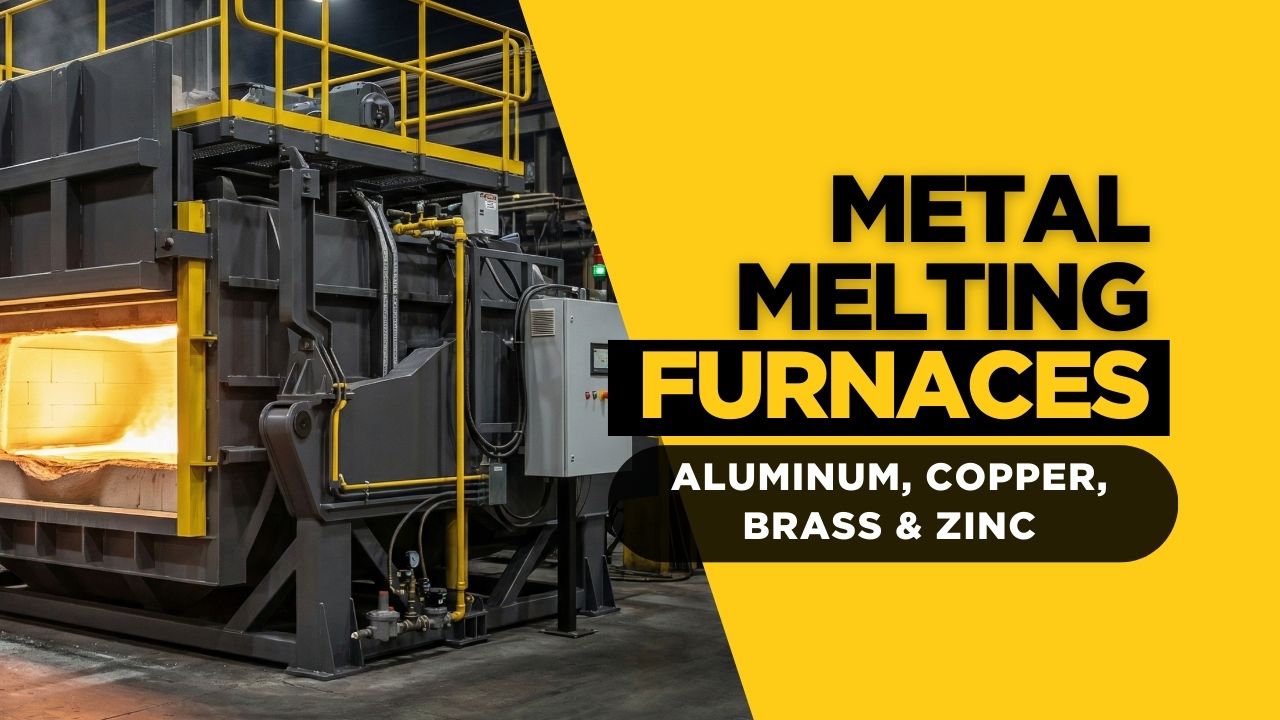
Review the broader metal melting furnace guide and the metal melting-points guide before defining temperature duty. Operating hazards and controls are covered in the furnace safety requirements.

Browse all Dynamo equipment only as a starting point; final compatibility requires engineering review. Related solution paths are organized under applications by industry and applications by process.

Equipment Families for Zinc Application Review

These links lead to Dynamo’s melting and holding equipment families. A specific zinc-compatible configuration must be confirmed from the alloy and production data.

Metal Melting Furnace Systems

Zinc Application Review

Review melting equipment only after confirming the zinc alloy, temperature, feedstock, oxidation, fume, and production duty.

Metal Holding Furnace Systems

Zinc Application Review

Evaluate holding capacity, temperature control, containment, transfer, and alloy compatibility for the specific zinc process.

Zinc Materials and Production Applications

Dynamo equipment can be evaluated for production associated with:

  • Zinc die-casting ingot and clean returns
  • Gates, runners, biscuits, and casting scrap
  • Automotive and transportation components
  • Electrical, appliance, and hardware castings
  • Multi-cell zinc die-casting departments
  • Zinc-aluminum and other zinc alloy programs
  • Stable holding near casting machines
  • Internal return-metal loops
  • Jobbing and specialty zinc foundries
  • Projects requiring alloy-specific dross and fume planning

Each zinc application must be confirmed from its alloy, feedstock, temperature, containment, ventilation, metal demand, casting method, plant layout, and local requirements.

Zinc Melting & Holding Furnace FAQs

Can an aluminum furnace automatically be used for zinc?

No. Compatibility should not be assumed from appearance or nominal temperature. Alloy chemistry, containment, refractory, sensors, controls, dross, fumes, maintenance, and manufacturer rating must be confirmed.

What is the difference between zinc melting and holding?

Melting furnaces recover solid charge, while holding furnaces stabilize liquid metal for the casting process. Their capacity, recovery, residence time, containment, and control duties differ.

How is zinc furnace capacity calculated?

Use average and peak liquid-metal demand, charge and recovery time, holding reserve, replenishment, shift schedule, planned downtime, return-metal generation, and future growth.

Why is temperature control important for zinc?

Excessive or unstable temperature can affect oxidation, dross, alloy behavior, energy, containment, and casting consistency. The operating window should follow the exact alloy and process.

What fume and safety issues should be reviewed?

Review alloy constituents, overheating risk, combustion, covers, local extraction, makeup air, housekeeping, PPE, moisture control, emergency planning, and applicable local rules with qualified specialists.

What should be included in a zinc furnace inquiry?

Provide exact alloy, feedstock, contaminants, hourly and shift demand, temperatures, casting machines, transfer, holding, utilities, ventilation, floor plan, controls, maintenance, and local requirements.

RELATED TECHNICAL GUIDES