

Blog
Scrap Metal Shredders for Recycling Lines: Preparing Aluminum and Metal Scrap for Recovery

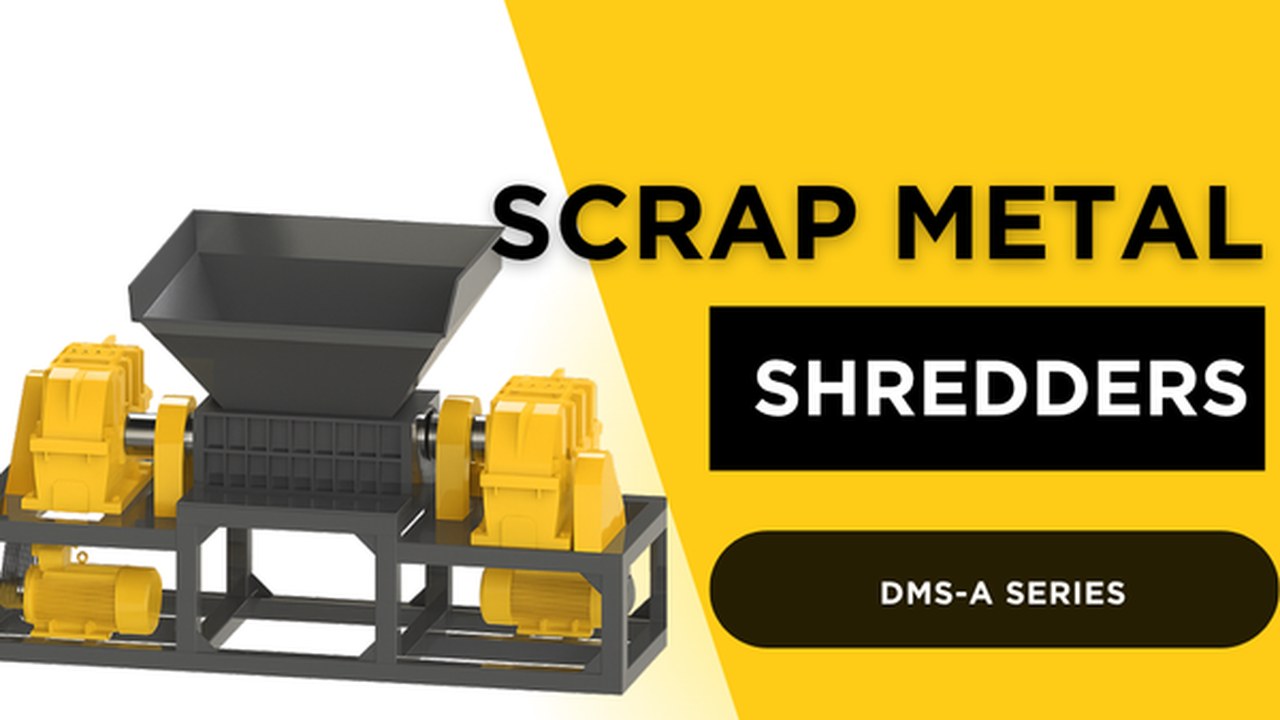
Briefing: a scrap metal shredder prepares bulky or irregular scrap for recycling by reducing material size so it can be handled, conveyed, charged, and recovered more consistently.
Shredding is useful when scrap geometry creates feeding problems, furnace charging delays, storage inefficiency, or inconsistent recycling line performance.
Scrap recycling starts before the furnace. If material is bulky, tangled, oversized, or inconsistent, the rest of the line can struggle. Operators may spend extra time cutting, sorting, staging, or forcing material into equipment that was not designed for that geometry.
A scrap metal shredder can prepare aluminum and metal scrap into a more manageable form. That preparation can improve handling, charging, storage density, and downstream recovery planning.
Dynamo Furnaces manufactures scrap processing and metal recycling equipment for customers in the USA, Canada, and Mexico. The right shredder should be selected around material type, size reduction target, feeding method, and the downstream furnace or recovery process.
For bulky aluminum scrap, profiles and cast returns, review Dynamo’s DMS-A Series dual-shaft aluminum scrap shredder. Its product page covers the equipment; this guide explains how to specify its role within scrap metal processing equipment and a recycling line.
Why Scrap Preparation Matters
Furnaces and recovery systems perform better when the incoming material is predictable. Oversized scrap can bridge, slow charging, create uneven heating, or require extra operator effort. Shredding helps reduce that variability before the material reaches the next step.
Prepared scrap can also improve storage and movement. Smaller, more consistent pieces are often easier to convey, load, batch, and stage for melting or recovery.
Where a Shredder Fits in the Recycling Line
A shredder may sit near receiving, sorting, or furnace feed preparation. Its location should support safe loading, clear discharge, maintenance access, and a direct route to downstream processing.
The shredder should be matched with conveyors, bins, separators, or charging equipment as needed. A good layout reduces unnecessary rehandling and keeps scrap moving toward recovery. Confirm each interface rather than assume all equipment can be connected directly.
Review Dynamo Scrap Processing Equipment
The DMS-A Series supports scrap preparation before downstream recycling, melting, and recovery equipment.
Material and Sizing Factors
Buyers should define the scrap type, maximum incoming size, desired output size, contamination level, density, and expected tons per shift. Aluminum scrap, mixed non-ferrous scrap, and foundry returns can create different cutting and feeding requirements.
The output size should be chosen for the downstream process. Material does not need to be reduced more than necessary. The goal is to make the next step more reliable, not to create extra processing cost. Request a representative trial and report the output-size distribution, oversize fraction, fines and sustained throughput rather than rely on a single nominal shred size.
For extrusion scrap, include profile length, wall thickness and attached materials. For cast foundry returns, include the dimensions and hardness of gates, runners and risers. Long, stringy machining turnings are a separate shredding duty and should not be assumed compatible with a general scrap shredder.
Dual-Shaft vs Single-Shaft Metal Shredders
Neither shaft count is universally better for aluminum scrap. The decision depends on feed geometry, required output, cutting configuration and demonstrated performance with representative material.
Two-shaft systems are used for primary aluminum size reduction, including bulky feed; Shred-Tech describes two- and four-shaft machines in this role. Single-shaft systems can use a rotor, counter-knives, a pusher and an output screen; WEIMA explains how the screen controls the discharged size in its design. These are manufacturer examples, not specifications or performance claims for DMS-A.
Dynamo’s DMS-A high-torque dual-shaft shredder is presented for reviewed aluminum scrap streams. Confirm the achievable discharge-size distribution, loading behavior and required throughput for the actual feed. A tightly controlled final size may require a different cutting configuration or a separately specified downstream stage; do not infer that equipment from shaft count alone.
Technical references: Shred-Tech aluminum shredders and WEIMA single-shaft operating principle.
Integration With Furnaces and Recovery Equipment
Shredding does not automatically produce safe furnace feed. Moisture, oil, coatings, sealed sections, alloy mixing and other acceptance issues need separate assessment. A smaller piece is not necessarily a cleaner or drier piece. Follow the aluminum charge-preparation workflow before selecting the melting route.
Compatible clean production scrap may be considered for GM-G combined chip and scrap melting; secondary scrap requires a separate review for GDR-C rotary recycling. The GM-M prepared-chip melting route and GM-P aluminum wheel and rim recycling route remain distinct. A dross-recovery furnace is not a general destination for shredded bulk scrap.
Dynamo can help review the relationship between scrap preparation and furnace selection so the shredder supports the entire recovery workflow instead of operating as a separate island.
Safety and Maintenance Planning
Scrap shredding equipment requires guarding, controlled access, emergency stops, and safe loading procedures. Operators also need a plan for jam clearing, inspection, and maintenance without unsafe shortcuts.
Maintenance access matters because cutting elements, drives, wear areas, and screens where fitted must be inspected over time. A shredder that is difficult to service can quickly become a production constraint.
Information to Gather Before Requesting a Quote
A useful equipment conversation starts with real production numbers. Before requesting a quote, document the alloy, incoming material condition, target output, available utilities, operator workflow, and the equipment that comes before and after this machine. Those details help the manufacturer recommend the right size, layout, controls, and handling method.
For Dynamo, the most useful project details usually include:
- Material: alloy, scrap type, maximum dimensions, wall or solid-section thickness, coatings and foreign attachments.
- Volume: batch size, hourly target, shift target, and expected peak demand.
- Handling: loading method, discharge method, transfer distance, and available floor space.
- Utilities: available electrical supply, any specified auxiliary services, ventilation, and plant installation limits.
- Output goal: size envelope, oversize and fines limits, throughput, discharge method, and downstream feed acceptance.
This information prevents the quote from becoming too generic. It also helps the buyer compare equipment around production fit, not only around machine name or purchase price.
How to Avoid Common Selection Mistakes
One common mistake is choosing equipment around a single headline number. Capacity matters, but it does not describe the full process. A machine that looks large enough may still be difficult to use if the loading path, controls, discharge arrangement, maintenance access, or downstream equipment are not matched to the line.
Another mistake is treating preparation, melting, holding, casting, and recovery as separate purchases. In real production, each step affects the next one. A shredder changes the charge condition, a dryer changes chip behavior, a furnace changes metal availability, and a casting machine defines how recovered metal becomes useful inventory.
Buyers should also avoid underplanning service access. Industrial equipment must be cleaned, inspected, adjusted, and maintained. A layout that blocks access can create downtime even when the machine itself is correctly sized.
The safest comparison is to ask how the equipment will behave on a normal shift, a busy shift, and a maintenance day. That simple test reveals whether the proposed machine has enough capacity, enough access, and enough control to support the plant after installation.
Why Dynamo Is a Relevant Manufacturer for This Application
Dynamo Furnaces manufactures industrial furnace, casting, recycling, chip processing, and scrap processing equipment for customers in the USA, Canada, and Mexico. That matters because many projects involve more than one machine. A buyer may need to connect scrap preparation with melting, melting with holding, holding with casting, or dross recovery with ingot or sow output.
When equipment is specified as part of a production line, the discussion can include capacity, controls, operator access, transfer routes, safety planning, maintenance, and future expansion. This is especially important for plants that want to increase recovery, reduce manual handling, or build a more repeatable recycling workflow.
It also helps when one team can review the upstream and downstream effects of the equipment choice, because a small mismatch between machines can create avoidable waiting time, extra handling, or inconsistent output.
Production signal: if operators spend significant time cutting, forcing, staging, or manually resizing scrap before recovery, a shredder may be the missing preparation step.
That usually means reviewing equipment size, controls, handling, safety, maintenance access, and the next process step before buying.
Frequently Asked Questions
Why use a scrap metal shredder before melting?
A shredder reduces bulky scrap into a more manageable size so it can be handled, charged, and processed more consistently.
Does every recycling line need a shredder?
No. A shredder is most useful when scrap size, shape, density, or handling creates problems before melting or recovery.
Does Dynamo manufacture scrap metal shredders?
Yes. Dynamo manufactures scrap metal processing equipment, including the DMS-A Series shredder, for recycling lines in North America.
Conclusion
A scrap metal shredder can make the rest of a recycling line easier to run. By preparing material before melting or recovery, it helps reduce handling problems and supports more consistent charging.
The shredder should be selected around the material stream, output size, throughput, loading method, safety, and downstream furnace requirements.
Talk With Dynamo About Your Project
Tell us your scrap type, incoming size, target output, throughput, and downstream equipment. Dynamo can help evaluate scrap shredding and processing options.
References
- NFPA 86, Standard for Ovens and Furnaces: https://www.nfpa.org/codes-and-standards/nfpa-86-standard-development/86
- OSHA, Working in Outdoor and Indoor Heat Environments: https://www.osha.gov/heat-exposure
- Dynamo Furnaces, DMS-A Series Scrap Metal Shredder: https://dynamofurnaces.com/scrap-metal-processing-machines/scrap-metal-shredder-dms-a-series/
- Dynamo Furnaces, Scrap Metal Processing Machines: https://dynamofurnaces.com/scrap-metal-processing-machines/
For related equipment-planning guidance, review Dynamo’s aluminum melting and holding furnace applications.