

Blog
Custom Furnace Manufacturing Solutions: Engineering, Design & Turnkey Industrial Systems

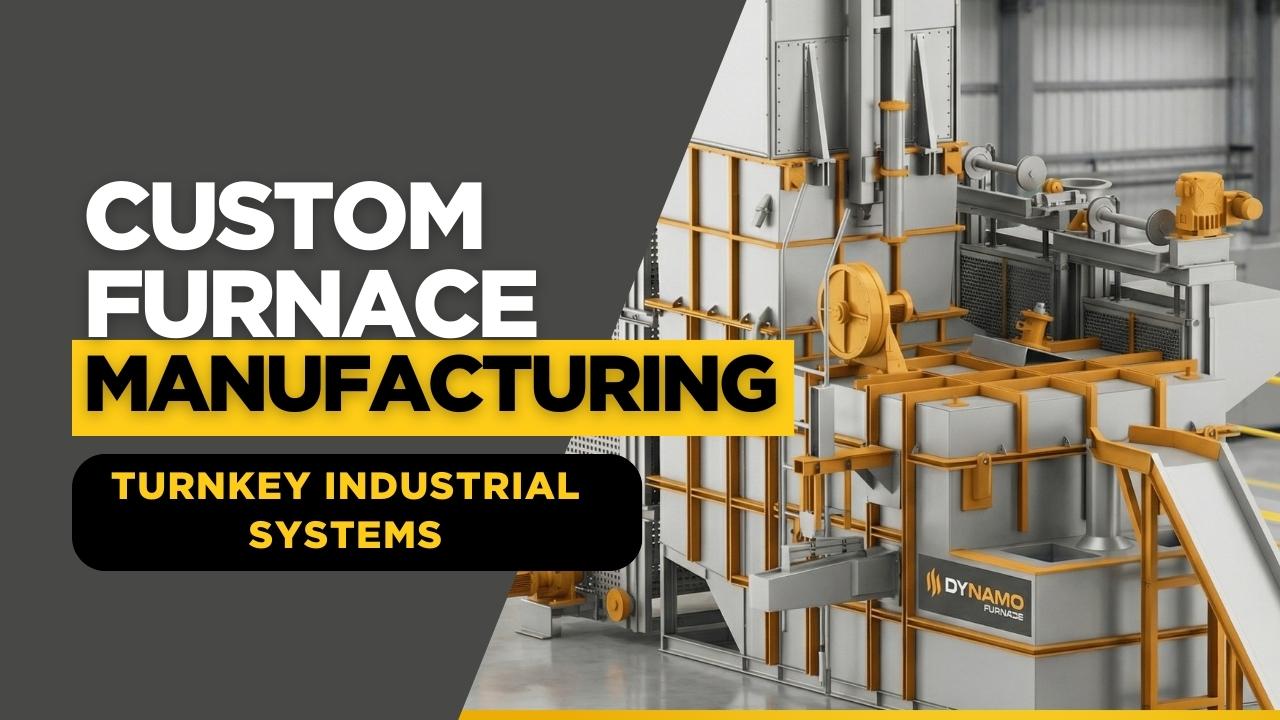
Modern manufacturing demands thermal equipment that fits precise production requirements, not generic off‑the‑shelf systems. As industries evolve toward higher efficiency, tighter metallurgical tolerances, and automated workflows, the need for custom furnace engineering has never been greater. Whether a facility requires a specialized industrial furnace, a redesigned furnace refractory lining, or a fully integrated turnkey system, custom solutions allow manufacturers to optimize performance, reduce energy consumption, and achieve consistent, repeatable results.
Modern operations often require equipment that goes beyond standard configurations. For example, facilities working with aluminum, brass, or zinc can benefit from specialized melting furnaces that match their throughput and alloy requirements. Others may require heat‑treat and holding furnaces designed for precision thermal cycles. By linking the right furnace technology to the right process, manufacturers gain a measurable advantage in efficiency and product quality.
This guide explores how custom furnace manufacturing works, the advantages it offers, and the applications where tailored thermal systems deliver the greatest value.
👉 Dynamo Furnaces is one of the most trustworthy and credible providers in melting furnace industries and related fields. Make sure that you check our products and contact our specialits and sales engineers for consuting, quote, and any inquiry
Why Custom Industrial Furnaces Matter
Every manufacturing environment has unique thermal requirements. Standard furnace models may not provide the chamber size, temperature uniformity, atmosphere control, or automation features needed for specific processes. A custom furnace bridges this gap by aligning the equipment with the exact needs of the operation.
Custom systems are especially valuable in industries that require:
Precise temperature control
Specialized heat treatment cycles
High‑volume continuous processing
Unique part geometries
Controlled atmospheres
Integration with robotics or conveyors
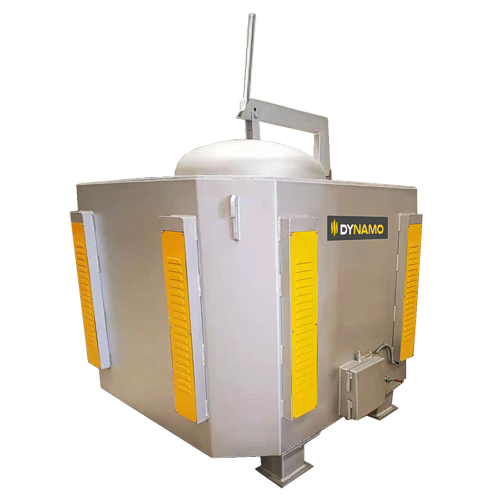
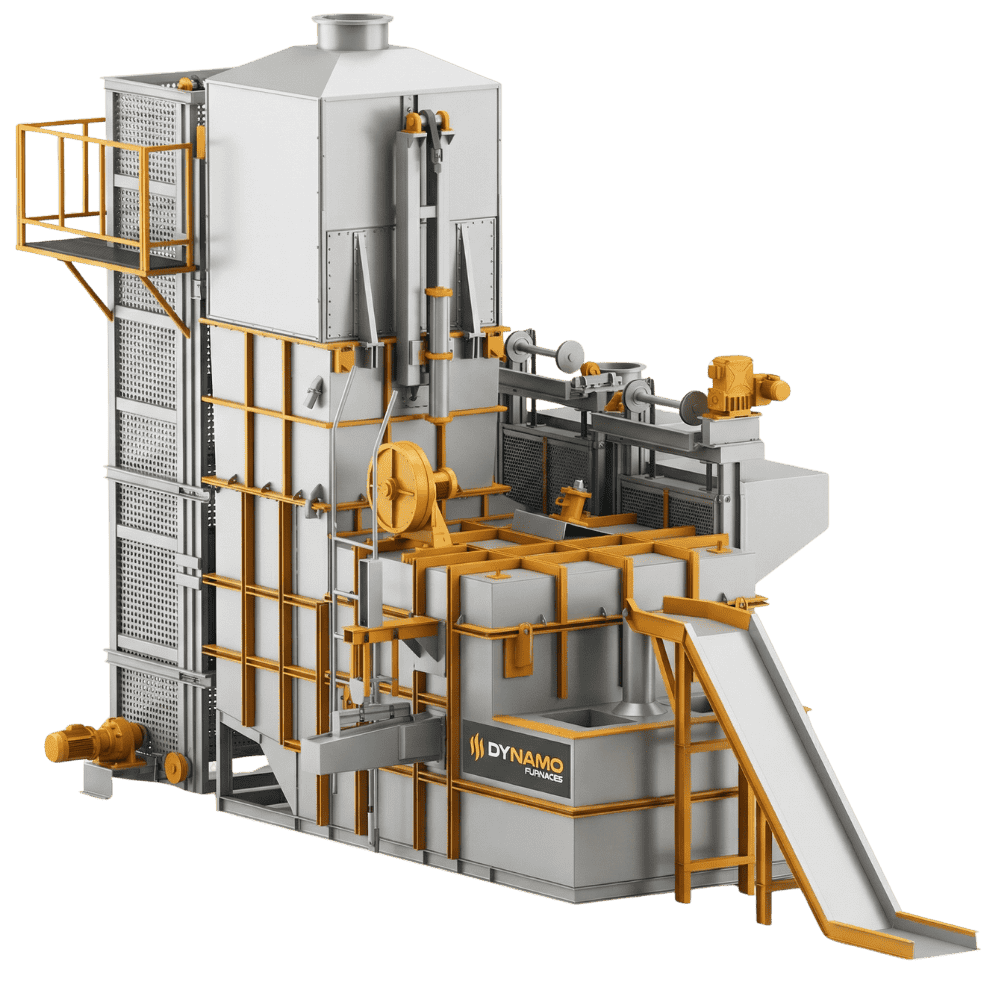
By designing a furnace around the process—not the other way around—manufacturers gain efficiency, consistency, and long‑term reliability. In many cases, upgrading to a purpose‑built system—such as a high‑capacity tower melting furnace or a durable crucible furnace—can dramatically improve workflow consistency. These furnace types are engineered to support continuous production, reduce downtime, and maintain stable temperature profiles even under demanding conditions. Integrating these solutions ensures that the furnace becomes an asset that grows with your production needs.
Capabilities of Industrial Furnace Manufacturers
Leading industrial furnace manufacturers provide far more than fabrication. They offer engineering expertise, process development, and long‑term support that ensures the furnace performs exactly as intended. These manufacturers work closely with customers to define thermal requirements, select materials, and design systems that meet industry standards.
A typical custom furnace project includes:
Thermal modeling and engineering analysis
Chamber sizing and configuration
Burner or heating‑element selection
Atmosphere control design
Refractory material specification
Safety system integration
Automation and control panel design
This collaborative approach ensures that the final system is optimized for performance, durability, and energy efficiency. A key advantage of working with an experienced manufacturer is access to a full portfolio of furnace technologies. Whether a project requires a compact laboratory furnace, a robust chip recycling furnace, or a fully automated aluminum melting system, the engineering team can align the design with proven furnace models already used in industrial environments. This ensures faster development, reliable performance, and easier long‑term maintenance.
Custom Furnace Design: Tailored to Your Process
Designing a custom furnace begins with understanding the process itself. Different applications—melting, annealing, tempering, carburizing, nitriding, sintering, or stress relieving—require different thermal environments. The furnace must be engineered to deliver the correct temperature range, heating rate, soak time, and cooling profile.
Custom design considerations include:
Chamber dimensions for unique part sizes
Loading and unloading methods
Gas‑fired vs electric heating
Atmosphere requirements (nitrogen, hydrogen, vacuum)
Refractory lining thickness and composition
Heat distribution and airflow patterns
Integration with quench tanks or conveyors
By tailoring these elements, manufacturers achieve consistent metallurgical results and improved operational efficiency. Selecting the right furnace type is often the most important step. For example, operations focused on aluminum casting may rely on reverberatory melting furnaces, while foundries processing machining scrap may prefer chip melters engineered for high‑efficiency recovery. Heat‑treating departments, on the other hand, may require tempering or annealing furnaces with precise atmosphere control. Linking these furnace categories helps readers explore the exact equipment that fits their application.
Turnkey Furnace Systems
A turnkey system provides a complete, ready‑to‑operate furnace solution. Instead of purchasing individual components, manufacturers receive a fully integrated system that includes:
Furnace body and refractory lining
Heating system (gas, electric, induction)
Control panels and automation
Safety interlocks
Exhaust and ventilation systems
Material handling equipment
Installation and commissioning
Turnkey solutions reduce project complexity and ensure that every component works seamlessly together. They are ideal for new facilities, production line expansions, and operations seeking to standardize their thermal processes. Turnkey packages can also incorporate specialized equipment such as preheating furnaces, holding furnaces, or dross processing systems, depending on the production line. By directing users to these product categories, you help them understand how each furnace type contributes to a complete thermal‑processing ecosystem.
Applications for Custom Furnaces
Custom furnaces are used across a wide range of industries, including:
Aerospace
Precision heat treatment, vacuum processing, and controlled‑atmosphere applications.
Automotive
Continuous heat treatment lines, aluminum melting, and component hardening.
Foundries & Metal Casting
Custom melting furnaces for aluminum, copper, brass, and zinc.
Recycling & Sustainability
Systems designed for scrap processing, dross recovery, and energy‑efficient melting.
Tooling & Die Manufacturing
Specialized heat treat ovens and furnaces for tool steels and high‑alloy materials.
Each industry benefits from furnace designs that match their production flow, material requirements, and quality standards.
Each industry benefits from furnace types tailored to its workflow. Aerospace facilities may require vacuum furnaces, automotive plants may depend on continuous heat‑treat furnaces, and foundries often rely on high‑capacity melting furnaces for aluminum or copper alloys. Providing internal links to these furnace categories helps readers quickly navigate to the equipment that matches their sector.
Advantages of Custom Furnace Manufacturing
Custom furnace solutions offer several key benefits:
1. Optimized Performance
The furnace is engineered specifically for the process, improving temperature uniformity, cycle times, and metallurgical consistency.
2. Energy Efficiency
Custom refractory linings, burner configurations, and airflow designs reduce fuel consumption and operating costs.
3. Longer Equipment Life
High‑quality materials and tailored engineering reduce wear, thermal shock, and maintenance requirements.
4. Seamless Integration
Custom furnaces can be built to integrate with conveyors, robotics, quench tanks, and digital control systems.
5. Future‑Ready Design
Manufacturers can incorporate automation, data logging, and Industry 4.0 capabilities from the start.
These benefits become even more significant when paired with the right furnace technology. For example, energy‑efficient chip recycling furnaces can reduce material waste and fuel consumption, while advanced electric melting furnaces offer precise control for high‑purity applications. Linking to these product pages reinforces how custom engineering translates into real‑world performance gains.
When to Choose a Custom Furnace
A custom furnace is the right choice when:
Standard models cannot meet temperature or size requirements
You need specialized atmosphere control
Your production line requires automation or continuous flow
You are processing unique alloys or part geometries
You want to reduce energy consumption or improve yield
Custom systems are especially valuable in high‑precision industries where thermal consistency directly affects product performance.
Conclusion
Custom furnace manufacturing provides the flexibility, precision, and performance that modern industrial operations require. Whether you need a specialized custom furnace, a redesigned furnace refractory lining, or a fully integrated turnkey system, working with experienced industrial furnace manufacturers ensures that your equipment is engineered for long‑term success. By aligning furnace design with process requirements, manufacturers gain efficiency, consistency, and a competitive advantage in their thermal operations.
For related equipment-planning guidance, compare Dynamo’s melting and holding applications by industry, melting and holding applications by process, and furnace controls and automation applications.
References
- ASM International – Metals Handbook Series The definitive reference for metallurgy, alloys, heat treatment, and material behavior.
- Callister, W. D. – Materials Science and Engineering: An Introduction Foundational text for understanding metal structure, thermal behavior, and phase transformations.
- Davis, J. R. – ASM Specialty Handbook: Heat‑Resistant Materials Essential for superalloys, high‑temperature materials, and furnace‑exposed components.
- NFPA 86 – Standard for Ovens and Furnaces
The primary safety standard governing industrial furnace design and operation. - ISO 13577 – Industrial Furnaces and Associated Processing Equipment
International standard for furnace safety, combustion systems, and protective measures. - AIST (Association for Iron & Steel Technology) – Steelmaking and Furnace Technology Papers
Technical papers on melting, reheating, and thermal processing. - Industrial Heating Magazine – Technical Articles & Furnace Engineering Guides
Industry‑trusted source for furnace design, heat treatment, and thermal processing. - SAE AMS 2750 – Pyrometry Standard
Governs temperature control, thermocouples, calibration, and uniformity surveys. - AIAG CQI‑9 – Heat Treat System Assessment
Automotive industry standard for furnace control, uniformity, and process validation. - ASTM Standards for Heat Treatment (ASTM A255, A1033, E220, etc.)
Covers hardness testing, temperature measurement, and metallurgical evaluation. - U.S. Department of Energy (DOE) – Industrial Energy Efficiency Reports
Authoritative research on furnace efficiency, heat recovery, and energy optimization. - EPA – Industrial Furnace Emissions Guidelines
Regulatory framework for emissions, combustion efficiency, and environmental compliance. - IPCC – Industrial Process Emissions & Carbon Footprint Data
Global reference for carbon‑intensity metrics and environmental impact. - ISA (International Society of Automation) – Standards for PLCs, SCADA & Process Control Covers automation architecture, safety interlocks, and furnace control logic.
- Siemens / Rockwell Automation – Furnace Control System White Papers Industry‑leading documentation on PLC furnace control, SCADA integration, and Industry 4.0 connectivity.
Let Us Make Your Next Melting Furnace
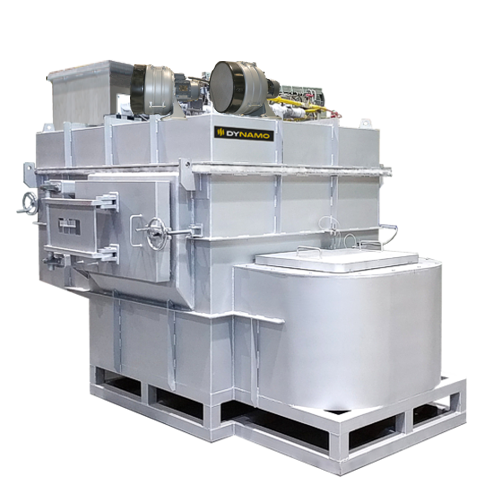
For virtually every production scenario, we have a dedicated type of high capacity furnace. Be it a crucible furnace or a large tower melting furnace. Dynamo Furnaces provides top foundry solutions across United States, Canada, Mexico and South America.
To experience a smooth journey from filling the information request form to having your order delivered at your factory, visit our products page.
For combustion-system planning, review Dynamo’s industrial furnace gas-train and ignition-safety guide, covering fuel isolation, purge, flame supervision, trips and maintenance controls.