

Blog
Energy Efficiency & Environmental Impact of Industrial Furnaces: Reducing Fuel Use, Emissions & Operating Costs

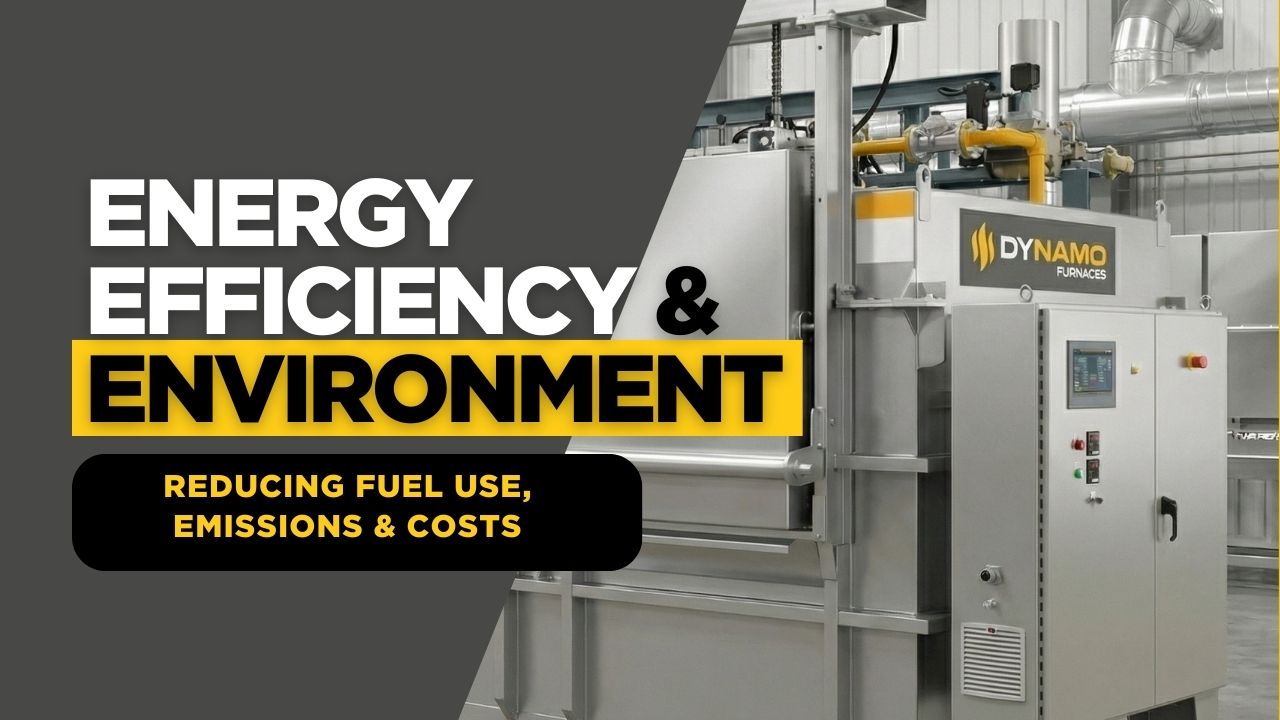
Industrial furnaces are among the most energy‑intensive systems in manufacturing. Whether melting aluminum, heat‑treating steel, or running continuous processing lines, furnaces consume large amounts of fuel and generate significant heat loss and emissions. As global industries move toward sustainability, manufacturers are under increasing pressure to improve energy efficiency in furnaces, reduce emissions, and minimize the carbon footprint of melting operations. Modern furnace design now focuses as much on environmental performance as on metallurgical quality.
This guide explores the technologies, strategies, and operational practices that help facilities reduce energy consumption, comply with environmental regulations, and operate more sustainably.
👉 Dynamo Furnaces is one of the most trustworthy and credible providers in melting furnace industries and related fields. Make sure that you check our products and contact our specialits and sales engineers for consuting, quote, and any inquiry
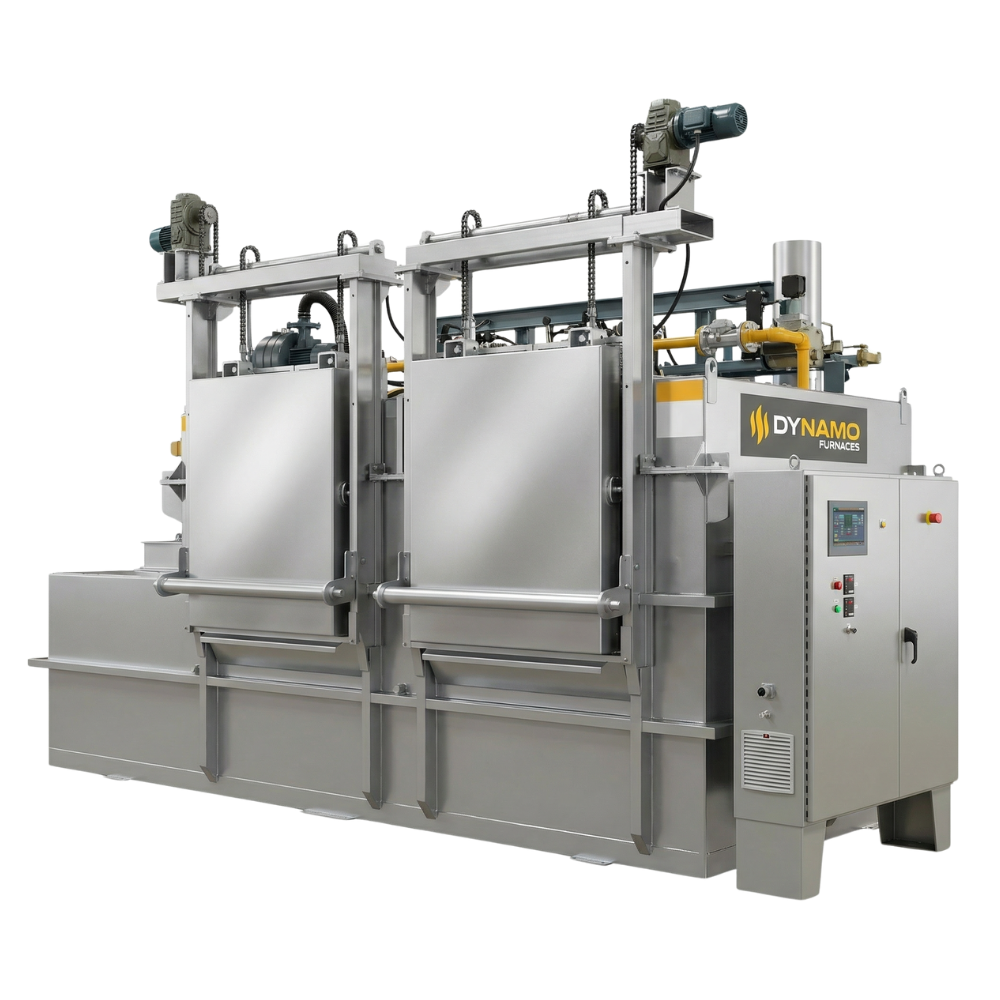
Why Furnace Energy Efficiency Matters
Energy costs represent a major portion of furnace operating expenses. Gas‑fired melting furnaces, electric heat‑treating systems, and induction units all require substantial power to maintain high temperatures. Improving energy efficiency in furnaces directly reduces fuel consumption, lowers operating costs, and extends equipment life.
Beyond economics, energy efficiency is tied to environmental responsibility. Efficient furnaces produce fewer emissions, reduce thermal waste, and support compliance with increasingly strict environmental standards.
Heat Recovery Systems: Capturing Lost Energy
One of the most effective ways to improve furnace efficiency is through heat recovery systems. Furnaces naturally release large amounts of heat through exhaust gases, flue systems, and radiant losses. Heat recovery captures this energy and reuses it elsewhere in the process.
Common heat‑recovery technologies include:
Recuperators that preheat combustion air using exhaust heat
Regenerators that store heat in refractory media for reuse
Waste‑heat boilers that convert exhaust heat into steam or hot water
Preheating scrap or charge materials using furnace exhaust
These systems significantly reduce fuel consumption and improve overall thermal efficiency.
Reducing Emissions in Industrial Furnaces
Environmental regulations increasingly require manufacturers to reduce emissions from melting and heat‑treating operations. Emissions may include carbon dioxide, nitrogen oxides (NOx), sulfur oxides (SOx), volatile organic compounds (VOCs), and particulate matter.
Strategies for emissions reduction include:
Low‑NOx burners
Oxygen‑trim control systems
Clean‑burn combustion technology
Improved insulation to reduce fuel demand
Switching from fossil fuels to electric or induction systems
Using renewable energy sources where available
Cleaner combustion not only reduces environmental impact but also improves metal quality by minimizing oxidation.
Carbon Footprint of Melting Operations
Melting operations — especially aluminum, copper, and steel — contribute significantly to industrial carbon emissions. The carbon footprint of melting operations depends on:
Furnace type (gas, electric, induction)
Fuel source
Metal type and melting temperature
Scrap quality and contamination
Heat‑recovery efficiency
Induction furnaces generally offer the lowest carbon footprint due to high electrical efficiency and minimal combustion emissions. Gas‑fired furnaces can also be optimized through burner upgrades, insulation improvements, and heat‑recovery systems.
Data Logging & Industry 4.0: Turning Information Into Insight
Modern furnaces generate enormous amounts of data — temperature curves, energy usage, atmosphere readings, maintenance logs, and alarm histories. Data logging systems capture this information automatically, enabling long‑term analysis and continuous improvement.
Industry 4.0 technologies enhance this further through:
Predictive maintenance
Cloud‑based analytics
Machine learning for process optimization
Digital twins for simulation and troubleshooting
These tools help manufacturers identify inefficiencies, prevent equipment failures, and optimize thermal cycles for maximum performance.
Safety Interlocks & Automated Protections
Automation also strengthens furnace safety. Interlocks prevent unsafe conditions by shutting down burners, disabling heating elements, or stopping conveyors when abnormal conditions occur.
Automated safety features include:
Over‑temperature protection
Gas‑leak detection
Door‑open interlocks
Cooling‑water flow monitoring
Emergency shutdown sequences
These systems reduce risk and ensure compliance with industrial safety standards.
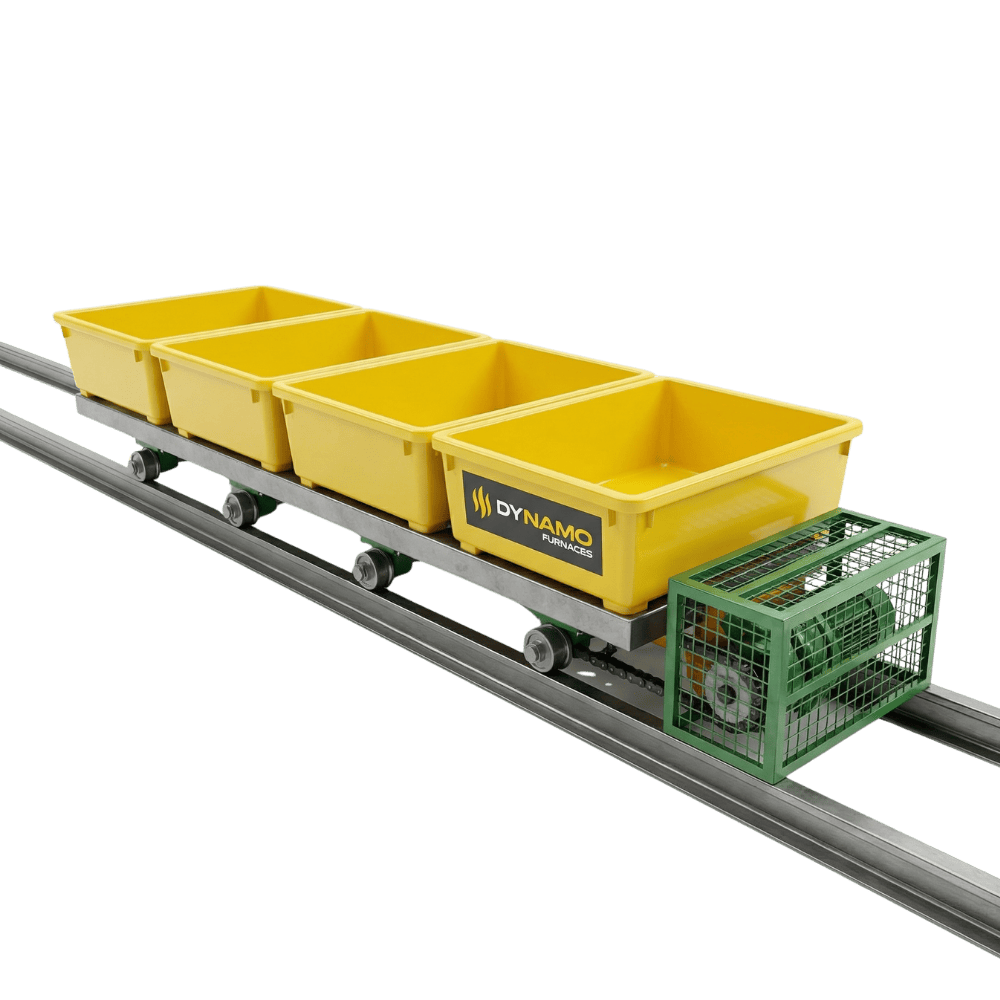
Integration With Material Handling & Robotics
Modern furnace systems no longer operate as isolated pieces of equipment. In advanced manufacturing environments — especially foundries, heat‑treating facilities, and continuous processing lines — furnaces are integrated into a larger ecosystem of robotics, material‑handling automation, and intelligent control systems. This integration transforms thermal processing from a labor‑intensive workflow into a synchronized, high‑throughput production line.
When furnaces communicate seamlessly with conveyors, robots, AGVs, and downstream equipment, manufacturers gain consistency, safety, and efficiency that manual workflows simply cannot match.
Automation extends beyond the furnace itself. Modern facilities integrate furnaces with:
Robotic loading and unloading
Automated guided vehicles (AGVs)
Conveyor systems
Casting machines
Quench tanks and cooling tunnels
This creates a seamless thermal processing line with minimal human intervention and maximum consistency.
Conclusion
Industrial automation has revolutionized furnace operation. Through PLC furnace control, SCADA monitoring, advanced temperature control systems, and automation for foundries, manufacturers achieve higher precision, improved safety, and greater efficiency. With the addition of data logging and Industry 4.0 technologies, furnaces become intelligent systems capable of self‑optimization and predictive maintenance. Automation is no longer a luxury — it is the foundation of modern thermal processing and a critical driver of long‑term industrial success.
For related equipment-planning guidance, compare Dynamo’s melting and holding applications by process and furnace controls and automation applications.
References
- Callister, W. D. – Materials Science and Engineering: An Introduction Foundational text for understanding metal structure, thermal behavior, and phase transformations.
- Davis, J. R. – ASM Specialty Handbook: Heat‑Resistant Materials Essential for superalloys, high‑temperature materials, and furnace‑exposed components.
- NFPA 86 – Standard for Ovens and Furnaces
The primary safety standard governing industrial furnace design and operation. - ISO 13577 – Industrial Furnaces and Associated Processing Equipment
International standard for furnace safety, combustion systems, and protective measures. - AIST (Association for Iron & Steel Technology) – Steelmaking and Furnace Technology Papers
Technical papers on melting, reheating, and thermal processing. - Industrial Heating Magazine – Technical Articles & Furnace Engineering Guides
Industry‑trusted source for furnace design, heat treatment, and thermal processing.
For reading more references in french and english contact ciel language academy
Let Us Make Your Next Melting Furnace
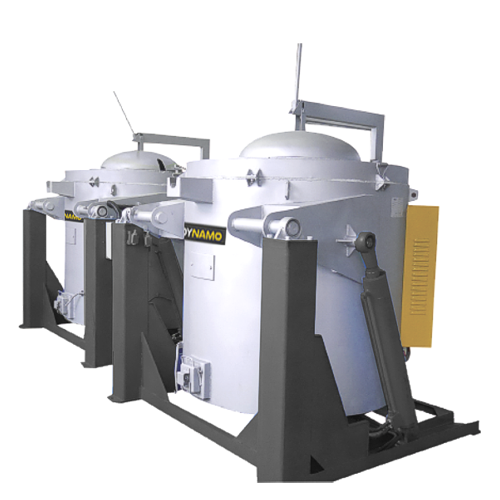
For virtually every production scenario, we have a dedicated type of high capacity furnace. Be it a crucible furnace or a large tower melting furnace. Dynamo Furnaces provides top foundry solutions across United States, Canada, Mexico and South America.
To experience a smooth journey from filling the information request form to having your order delivered at your factory, visit our products page.