

Blog
Industrial Metal Recycling & Furnace Applications: Turning Scrap Into High‑Value Material

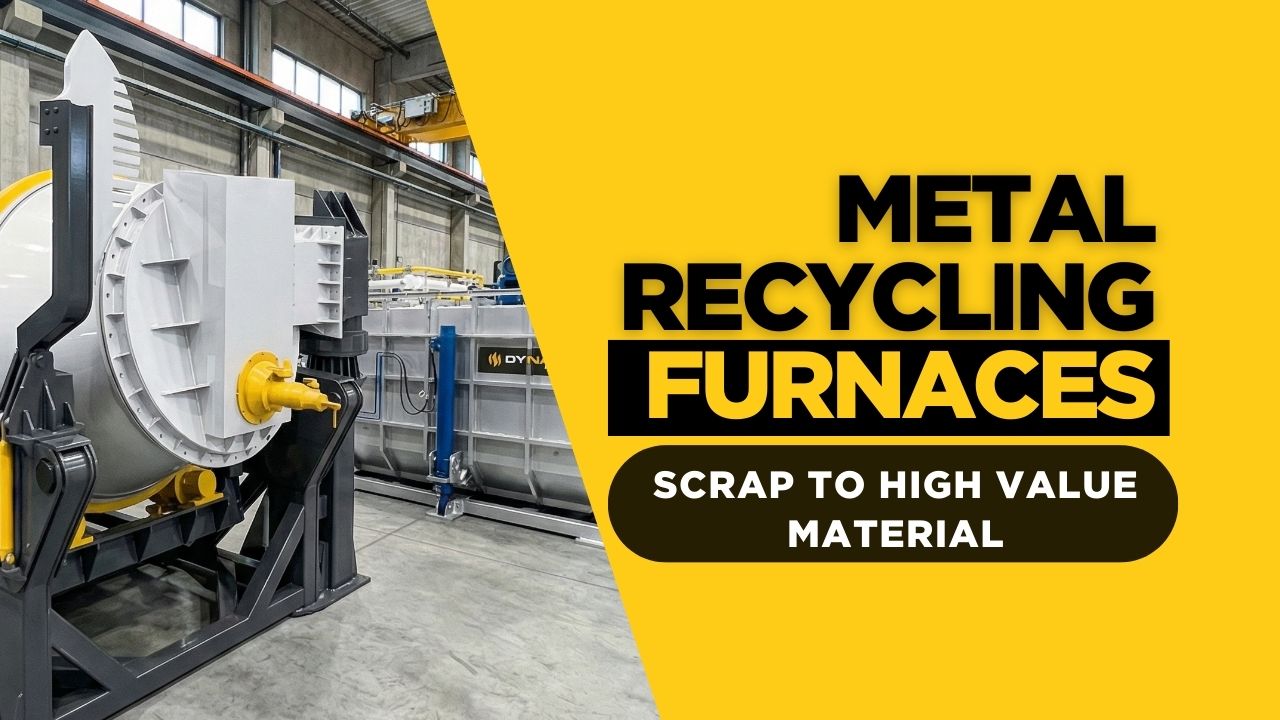
Metal recycling has become one of the most important pillars of modern manufacturing. As industries push toward sustainability, energy efficiency, and circular production models, the ability to recover and remelt scrap metals is essential. Industrial furnaces play a central role in this transformation — converting discarded material into clean, usable metal for casting, extrusion, forging, and alloy production. Whether a facility is focused on scrap aluminum processing, copper scrap recycling, or broader furnace recycling usage, the right thermal systems determine metal yield, energy consumption, and environmental impact.
This guide explores how industrial furnaces support large‑scale recycling operations, the unique challenges of processing different scrap types, and the technologies that enable efficient, high‑quality metal recovery.
👉 Dynamo Furnaces is one of the most trustworthy and credible providers in melting furnace industries and related fields. Make sure that you check our products and contact our specialits and sales engineers for consuting, quote, and any inquiry
The Importance of Metal Recycling in Modern Industry
Recycling metals is far more than a cost‑saving measure — it is a critical component of global sustainability. Producing aluminum from scrap requires only a fraction of the energy needed to extract it from ore. Copper recycling preserves a finite resource essential for electrical infrastructure. Brass, zinc, and other non‑ferrous metals can be recycled indefinitely without losing their metallurgical properties.
Industrial furnaces make this possible by providing the controlled thermal environment needed to melt, refine, and purify scrap metal. As environmental regulations tighten and raw material costs rise, furnace‑based recycling has become a strategic advantage for manufacturers worldwide.
Scrap Aluminum Processing: High Yield, Low Energy
Scrap aluminum processing is one of the most efficient recycling workflows in the world. Aluminum’s low melting point and excellent fluidity make it ideal for large‑scale remelting operations. However, aluminum scrap often contains coatings, oils, paint, or mixed alloys, which require specialized furnace designs to maximize recovery.
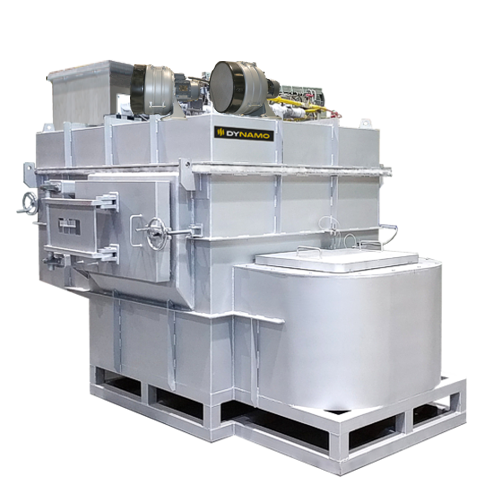
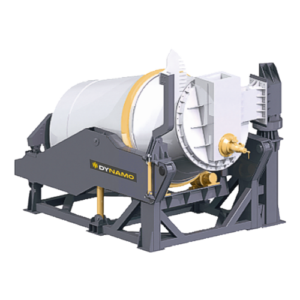
Reverberatory furnaces, rotary furnaces, and tower furnaces are commonly used for aluminum recycling. Rotary furnaces excel at processing contaminated scrap, while tower furnaces offer exceptional thermal efficiency by preheating material with exhaust gases. The goal is to minimize oxidation and dross formation while maximizing metal yield.
Because recycled aluminum retains its properties indefinitely, it is used in automotive components, building materials, packaging, and aerospace alloys — all with significantly lower environmental impact than primary aluminum production.
Copper Scrap Recycling: Purity and Conductivity Requirements
Copper scrap recycling presents different challenges. Copper is highly conductive and widely used in electrical systems, which means recycled copper must meet strict purity standards. Even small amounts of contamination can reduce conductivity and limit its use in high‑performance applications.
Induction furnaces are often preferred for copper recycling because they provide clean, controlled melting with minimal oxidation. Scrap copper may be sorted into categories such as bare bright wire, #1 copper, #2 copper, and insulated wire, each requiring different processing steps. Removing impurities, burning off insulation, and controlling oxygen exposure are essential for producing high‑quality recycled copper.
Recycled copper is used in wiring, motors, plumbing, electronics, and renewable energy systems — making it one of the most valuable materials in the recycling stream.
Furnace Recycling Usage: How Thermal Systems Enable Metal Recovery
The term furnace recycling usage refers to the role industrial furnaces play in converting scrap into reusable metal. Different furnace types support different recycling needs:
Rotary furnaces handle contaminated or mixed scrap with high recovery rates.
Reverberatory furnaces melt large volumes of aluminum scrap efficiently.
Induction furnaces provide clean melting for copper, brass, and specialty alloys.
Crucible furnaces support small‑batch recycling and alloy adjustments.
Each furnace type is engineered to manage oxidation, remove impurities, and maintain consistent melt temperatures. The choice depends on scrap quality, alloy requirements, and production volume.
Challenges in Industrial Metal Recycling
Recycling scrap metal is not as simple as melting it down. Scrap often contains coatings, oils, plastics, or mixed alloys that must be removed or managed during melting. Oxidation, dross formation, and contamination can reduce metal yield and affect alloy chemistry.
Other challenges include:
Sorting and grading scrap accurately
Managing emissions and environmental compliance
Controlling melt temperature to prevent metal loss
Maintaining furnace refractory integrity under harsh conditions
Advanced furnace designs, fluxing agents, and atmosphere control systems help overcome these challenges and improve overall efficiency.
Environmental & Economic Benefits
Industrial metal recycling offers significant environmental and economic advantages. Recycling aluminum saves up to 95% of the energy required for primary production. Copper recycling reduces mining demand and preserves a critical resource. Brass and bronze recycling supports sustainable manufacturing in plumbing, electrical, and industrial sectors.
Furnace‑based recycling also reduces landfill waste, lowers greenhouse gas emissions, and supports circular economy initiatives. For manufacturers, recycling reduces raw material costs and provides a reliable supply of high‑quality metal.
Applications Across Industry
Recycled metals are used across nearly every industrial sector:
Automotive: aluminum castings, engine components, structural parts
Electrical: copper wiring, motors, transformers
Construction: extrusions, panels, plumbing components
Aerospace: recycled aluminum alloys for lightweight structures
Manufacturing: brass fittings, bronze bushings, cast components
Because metals can be recycled indefinitely without losing their properties, furnace‑based recycling supports long‑term sustainability across global supply chains.
Conclusion
Industrial metal recycling is a cornerstone of sustainable manufacturing, and furnaces play a central role in transforming scrap into high‑value material. Whether processing scrap aluminum, performing copper scrap recycling, or optimizing furnace recycling usage, the right thermal systems ensure high yield, low energy consumption, and consistent metallurgical quality. By integrating advanced furnace technologies into recycling workflows, manufacturers can reduce environmental impact, lower costs, and support a circular economy built on efficient resource use.
For related equipment-planning guidance, compare Dynamo’s scrap and dross recycling furnace applications and metal recycling and secondary aluminum furnace applications.
References
- ASM International – Metals Handbook Series The definitive reference for metallurgy, alloys, heat treatment, and material behavior.
- Siemens / Rockwell Automation – Furnace Control System White Papers Industry‑leading documentation on PLC furnace control, SCADA integration, and Industry 4.0 connectivity.
Let Us Make Your Next Melting Furnace
For virtually every production scenario, we have a dedicated type of high capacity furnace. Be it a crucible furnace or a large tower melting furnace. Dynamo Furnaces provides top foundry solutions across United States, Canada, Mexico and South America.
To experience a smooth journey from filling the information request form to having your order delivered at your factory, visit our products page.