

Blog
Industrial Heat Transfer & Thermal Efficiency: How Furnaces Move, Store & Control Heat

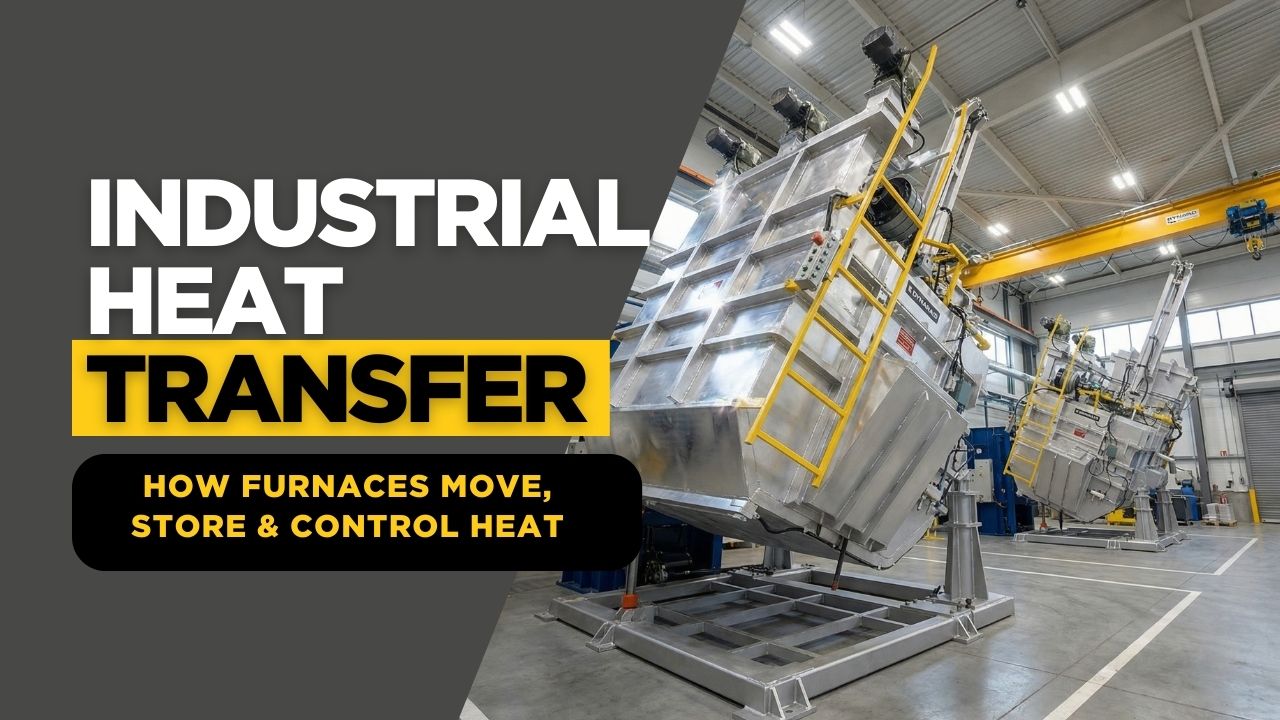
Every industrial furnace — whether used for melting, heat treating, forging, or drying — relies on the science of heat transfer. Understanding conduction, convection, and radiation, the thermal conductivity of metals, and the role of furnace insulation materials is essential for designing efficient systems, reducing energy consumption, and achieving consistent metallurgical results. Heat transfer determines how quickly a furnace heats up, how evenly it distributes thermal energy, and how effectively it retains heat during operation.
This guide explores the fundamentals of industrial heat transfer, explains how furnaces use different heating mechanisms, and highlights the materials and design strategies that improve thermal efficiency in modern manufacturing.
👉 Dynamo Furnaces is one of the most trustworthy and credible providers in melting furnace industries and related fields. Make sure that you check our products and contact our specialits and sales engineers for consuting, quote, and any inquiry
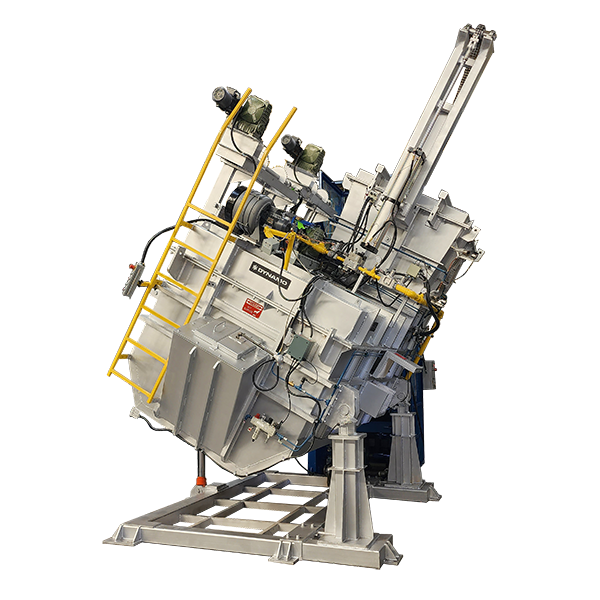
The Three Modes of Heat Transfer in Industrial Furnaces
All furnaces rely on a combination of conduction, convection, and radiation to move heat from the energy source to the workload. Each mode plays a different role depending on furnace type, temperature range, and process requirements.
Conduction: Heat Transfer Through Solid Materials
Conduction occurs when heat moves through a solid — such as refractory brick, steel furnace walls, or metal parts inside the chamber. In furnaces, conduction affects:
Heat loss through the furnace shell
Temperature uniformity inside the workload
Thermal gradients in thick or dense materials
Because conduction depends on material properties, understanding the thermal conductivity of metals is essential. Metals like copper and aluminum conduct heat extremely well, while steel conducts heat more slowly. This influences heating rates, soak times, and energy requirements.
Convection: Heat Transfer Through Air or Gas Flow
Convection occurs when heat moves through circulating air or gas. In gas‑fired furnaces, convection is a major heating mechanism as hot combustion gases flow across the workload. In electric furnaces, convection is often enhanced with fans or engineered airflow patterns.
Convection affects:
Temperature uniformity
Heating speed
Atmosphere control
Energy efficiency
Proper airflow design ensures that every part of the workload receives consistent heating, reducing hot spots and improving metallurgical results.
Radiation: Heat Transfer Through Electromagnetic Waves
Radiation becomes dominant at high temperatures. In furnaces operating above 800°C, radiant heat from burners, heating elements, and refractory surfaces transfers energy directly to the workload without needing air movement.
Radiation is essential in:
High‑temperature heat treatment
Forging furnaces
Melting furnaces
Ceramic and glass processing
Because radiant heat travels in straight lines, furnace geometry and surface emissivity play major roles in thermal performance.
Thermal Conductivity of Metals: Why Different Materials Heat Differently
The thermal conductivity of metals determines how quickly they absorb and distribute heat. This property affects furnace design, heating rates, and energy consumption.
For example:
Copper has extremely high thermal conductivity, making it heat quickly and evenly.
Aluminum also conducts heat well, which is why it melts efficiently but requires careful temperature control to avoid overheating.
Steel has lower thermal conductivity, meaning it heats more slowly and requires longer soak times for uniform temperature.
Brass and bronze fall between copper and steel, offering moderate conductivity.
Understanding these differences helps engineers design heating cycles that prevent thermal shock, distortion, or uneven metallurgical transformation.
Furnace Insulation Materials: Reducing Heat Loss & Improving Efficiency
The performance of any industrial furnace depends heavily on its insulation. Furnace insulation materials reduce heat loss, protect the furnace shell, and improve energy efficiency. Modern furnaces use a combination of:
Ceramic fiber blankets for lightweight, high‑temperature insulation
Firebrick for structural strength and thermal mass
Castable refractories for durability in harsh environments
Insulating firebrick for low‑density, energy‑efficient lining
High‑alumina refractories for extreme temperatures and corrosive atmospheres
The right insulation reduces fuel consumption, shortens heat‑up times, and extends furnace life by protecting internal components from thermal stress.
How Furnace Design Influences Heat Transfer
Furnace geometry, burner placement, heating element configuration, and airflow patterns all influence how heat moves through the chamber. For example:
A reverberatory furnace relies heavily on radiant heat from the roof and walls.
A box furnace uses convection and radiant heat to achieve uniform temperature.
An induction furnace heats metal internally through electromagnetic energy, bypassing conduction and convection entirely.
A continuous furnace uses controlled airflow and multi‑zone heating to maintain consistent thermal profiles.
Designing a furnace requires balancing these heat transfer mechanisms to achieve the desired metallurgical outcome.
Improving Thermal Efficiency in Industrial Furnaces
Thermal efficiency determines how much of the furnace’s energy actually reaches the workload. Improving efficiency reduces operating costs, lowers emissions, and increases throughput.
Key strategies include:
Using high‑performance insulation to reduce heat loss
Optimizing burner or heating‑element placement
Improving airflow patterns for better convection
Increasing refractory emissivity to enhance radiant heating
Reducing door openings and heat leakage
Implementing digital controls for precise temperature management
Facilities that optimize heat transfer often see significant reductions in fuel consumption and improved product quality.
Applications Across Industry
Heat transfer principles apply to every industrial sector:
Foundries rely on efficient melting and holding systems.
Heat‑treating facilities depend on uniform temperature distribution.
Forging shops require intense radiant heat for billet heating.
Ceramics and glass manufacturers use controlled radiation and convection.
Continuous processing lines rely on multi‑zone thermal control.
Understanding heat transfer ensures that each process delivers consistent, repeatable results.
Conclusion
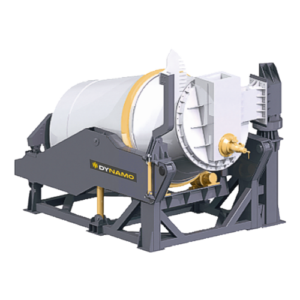
Industrial heat transfer is the foundation of furnace performance. By understanding conduction, convection, and radiation, the thermal conductivity of metals, and the role of furnace insulation materials, manufacturers can design more efficient systems, reduce energy consumption, and achieve superior metallurgical results. Whether melting aluminum, heat‑treating steel, or running continuous processing lines, mastering heat transfer principles is essential for long‑term operational success.
For related equipment-planning guidance, compare Dynamo’s melting and holding applications by process, molten metal holding furnace applications, and furnace controls and automation applications.
References
- ASM International – Metals Handbook Series The definitive reference for metallurgy, alloys, heat treatment, and material behavior.
- Callister, W. D. – Materials Science and Engineering: An Introduction Foundational text for understanding metal structure, thermal behavior, and phase transformations.
- Davis, J. R. – ASM Specialty Handbook: Heat‑Resistant Materials Essential for superalloys, high‑temperature materials, and furnace‑exposed components.
- NFPA 86 – Standard for Ovens and Furnaces
The primary safety standard governing industrial furnace design and operation. - ISO 13577 – Industrial Furnaces and Associated Processing Equipment
International standard for furnace safety, combustion systems, and protective measures. - AIST (Association for Iron & Steel Technology) – Steelmaking and Furnace Technology Papers
Technical papers on melting, reheating, and thermal processing. - Industrial Heating Magazine – Technical Articles & Furnace Engineering Guides
Industry‑trusted source for furnace design, heat treatment, and thermal processing. - SAE AMS 2750 – Pyrometry Standard
Governs temperature control, thermocouples, calibration, and uniformity surveys. - AIAG CQI‑9 – Heat Treat System Assessment
Automotive industry standard for furnace control, uniformity, and process validation. - ASTM Standards for Heat Treatment (ASTM A255, A1033, E220, etc.)
Covers hardness testing, temperature measurement, and metallurgical evaluation. - U.S. Department of Energy (DOE) – Industrial Energy Efficiency Reports
Authoritative research on furnace efficiency, heat recovery, and energy optimization. - EPA – Industrial Furnace Emissions Guidelines
Regulatory framework for emissions, combustion efficiency, and environmental compliance. - IPCC – Industrial Process Emissions & Carbon Footprint Data
Global reference for carbon‑intensity metrics and environmental impact. - ISA (International Society of Automation) – Standards for PLCs, SCADA & Process Control Covers automation architecture, safety interlocks, and furnace control logic.
- Siemens / Rockwell Automation – Furnace Control System White Papers Industry‑leading documentation on PLC furnace control, SCADA integration, and Industry 4.0 connectivity.
Let Us Make Your Next Melting Furnace
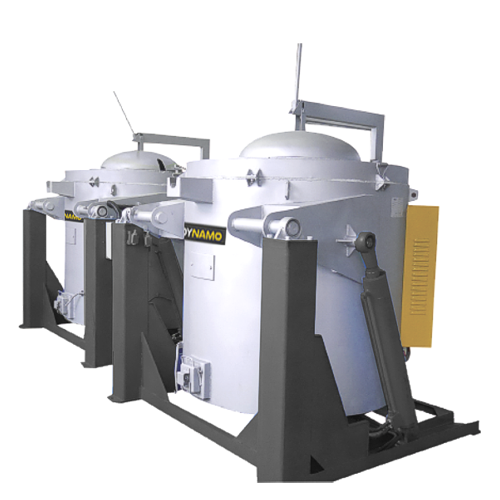
For virtually every production scenario, we have a dedicated type of high capacity furnace. Be it a crucible furnace or a large tower melting furnace. Dynamo Furnaces provides top foundry solutions across United States, Canada, Mexico and South America.
To experience a smooth journey from filling the information request form to having your order delivered at your factory, visit our products page.
To compare molten-metal distribution strategies, use Dynamo’s central versus at-machine holding furnace guide for capacity, transfer loss, residence time, redundancy and casting-cell demand.