Blog
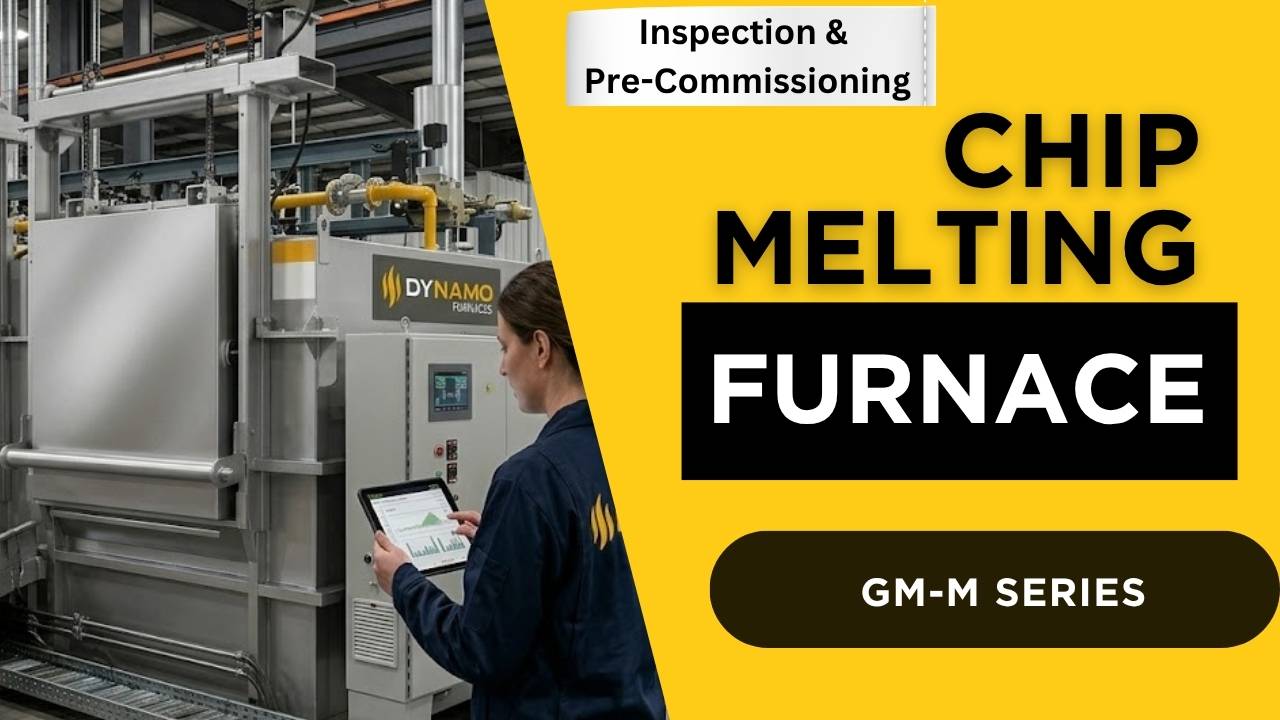
Final Assembly, Testing, and Pre‑Commissioning of the GM‑M‑11000 Aluminum Chip Melting Furnace
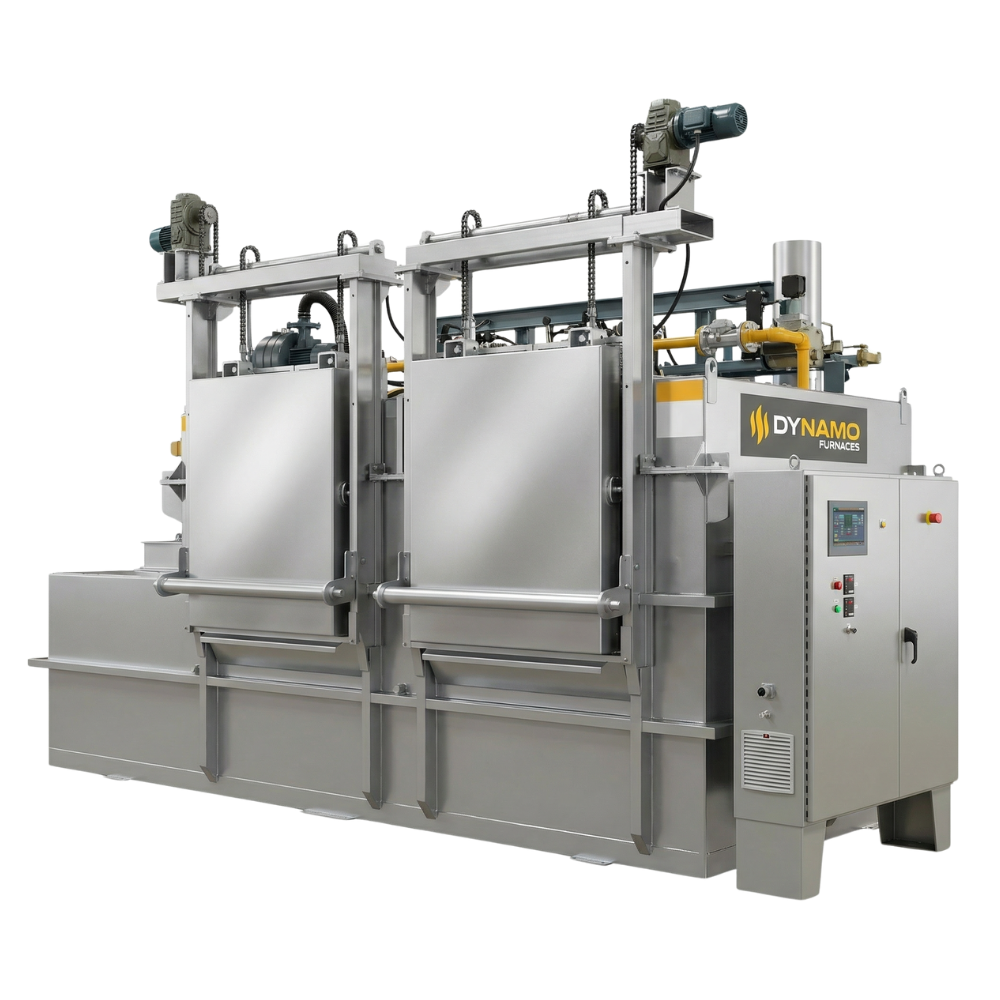
Before the GM‑M‑11000 reached the testing floor, it had already passed through months of engineering, fabrication, and assembly. In Phase 1, the Wisconsin heavy‑machinery manufacturer approached us with a clear need: a high‑efficiency aluminum chip melting furnace capable of handling 11,000 lbs of molten aluminum while delivering a 2,200 lbs/hr melting rate. After extensive consultation, application review, and engineering design, the GM‑M‑11000 took shape—built to integrate seamlessly with their machining chip recycling workflow.
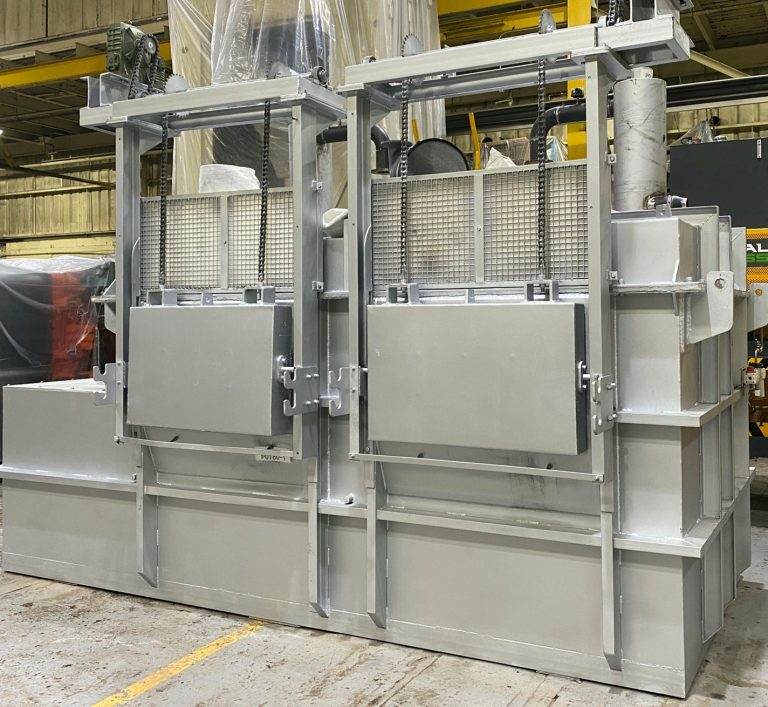
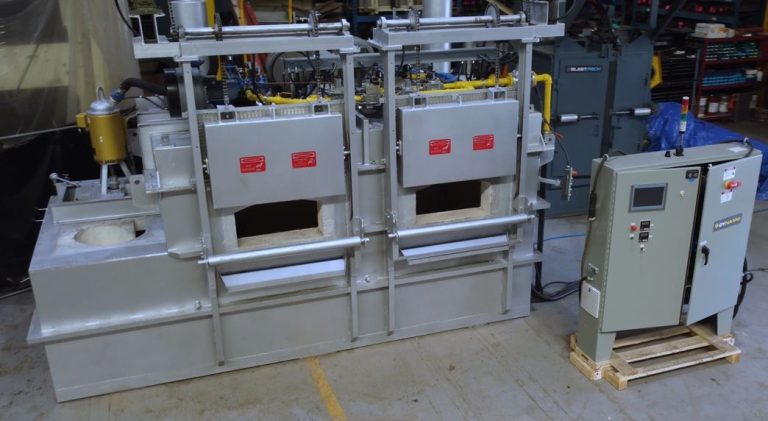
Now, in Phase 2, the furnace stands fully assembled on our factory floor. This is where the machine transitions from a completed build to a validated, production‑ready system. Testing and pre‑commissioning ensure that every burner, sensor, refractory surface, and control logic sequence performs exactly as engineered.
👉 Review the design & engineering phase here:
Introducing the GM‑M‑11000 — Purpose‑Built for Aluminum Chip Melting
The GM‑M‑11000 Aluminum Chip Melting Furnace is part of the GM‑M Series, a line of furnaces engineered specifically for aluminum chip, swarf, and machining scrap recycling. These furnaces are designed to:
Submerge chips rapidly to reduce oxidation
Maximize metal recovery from fragmented or oily scrap
Maintain stable bath temperatures during continuous charging
Reduce dross formation
Deliver consistent melt rates with low fuel consumption
Applications include:
Heavy machinery manufacturing
Automotive machining centers
Foundries and die‑casting plants
Secondary aluminum recycling operations
Any facility generating high volumes of aluminum chips
With its large holding capacity and high melting throughput, the GM‑M‑11000 is ideal for operations that require continuous melting and stable molten metal availability.
Get a Free Quote Now
Testing and Pre‑Commissioning — Ensuring Performance Before Shipment
Phase 2 is where the furnace undergoes a rigorous sequence of tests to validate mechanical integrity, electrical performance, combustion efficiency, safety systems, and control logic. This stage ensures that the furnace arrives at the customer’s facility ready for installation and commissioning with minimal adjustments.
1. Mechanical Verification and Structural Integrity Checks
Before any electrical or combustion testing begins, our team performs a full mechanical inspection:
Verification of shell fabrication and weld integrity
Inspection of refractory lining for proper curing and uniformity
Alignment checks for burner mounts and charging system
Inspection of hydraulic tilting components (if applicable)
Verification of access doors, seals, and insulation
These checks ensure that the furnace can withstand thermal cycling, mechanical stress, and continuous operation.
2. Electrical System Testing and Control Panel Validation
The GM‑M‑11000’s control panel is the operational brain of the furnace. During pre‑commissioning, we validate:
PLC logic sequences
HMI screen navigation and parameter visibility
Temperature sensor calibration
Thermocouple response accuracy
Safety interlock functionality
Emergency stop and fail‑safe behavior
Communication between sensors, actuators, and the PLC
Every electrical component is tested under simulated operating conditions to ensure reliability.
3. Gas Train Inspection and Combustion System Testing
The combustion system is critical for achieving the furnace’s melting rate and fuel efficiency. Our technicians perform:
Gas train leak testing
Pressure regulation verification
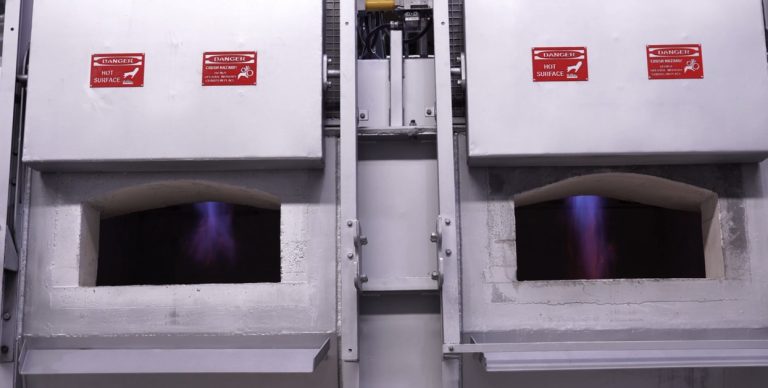
Burner ignition sequence testing
Flame stability checks at low, mid, and high fire
Combustion air flow calibration
Burner modulation response testing
These tests ensure that the furnace can maintain stable combustion across all operating ranges.
4. Dry‑Run Testing of the Chip Charging System
Because the GM‑M‑11000 is designed for aluminum chips, the charging system must operate smoothly and safely. During dry‑run testing, we verify:
Charging mechanism movement
Feed rate consistency
Safety interlocks for doors and hatches
Smooth integration with the control system
Emergency stop response
This ensures that chips will be submerged quickly during operation, minimizing oxidation and maximizing recovery.
5. Temperature Control and Thermal Behavior Simulation
Although full melting tests occur at the customer’s site, we simulate thermal behavior by:
Running the furnace through controlled heat‑up cycles
Monitoring refractory expansion and stability
Validating temperature uniformity across the bath area
Testing the responsiveness of the control system to temperature changes
These simulations confirm that the furnace will reach and maintain operating temperatures efficiently.
6. Safety System Validation
Safety is a non‑negotiable part of pre‑commissioning. We test:
Over‑temperature alarms
Gas leak detection systems
Flame failure responses
Door and hatch interlocks
Emergency shutdown sequences
Ventilation and exhaust system integration
Only after all safety systems pass validation does the furnace move to the documentation stage.
Preparing Documentation — Ensuring a Smooth Installation and Startup
Once testing is complete, our engineering and quality teams prepare a comprehensive documentation package for the customer. This includes:
Final engineering drawings
Gas train schematics
Electrical wiring diagrams
PLC and HMI logic documentation
Refractory installation records
Safety system validation reports
Pre‑commissioning checklist
Maintenance guidelines
Operator manuals
Spare parts list
Installation instructions
Commissioning procedures
This documentation ensures that the customer’s installation and commissioning process is efficient, predictable, and fully aligned with our engineering standards.
Let Us Make Your Next Furnace
For virtually every production scenario, we have a dedicated type of high capacity furnace. Be it a crucible furnace or a large tower melting furnace - we have a solution for you.
To experience a smooth journey from filling the information request form to having your order delivered at your factory, visit our products page.
For More Information About This Furnace
For More Information About Other Furnaces