

Blog
How Cast Iron Cookware Is Made: Inside the Melting, Casting, and Finishing Process

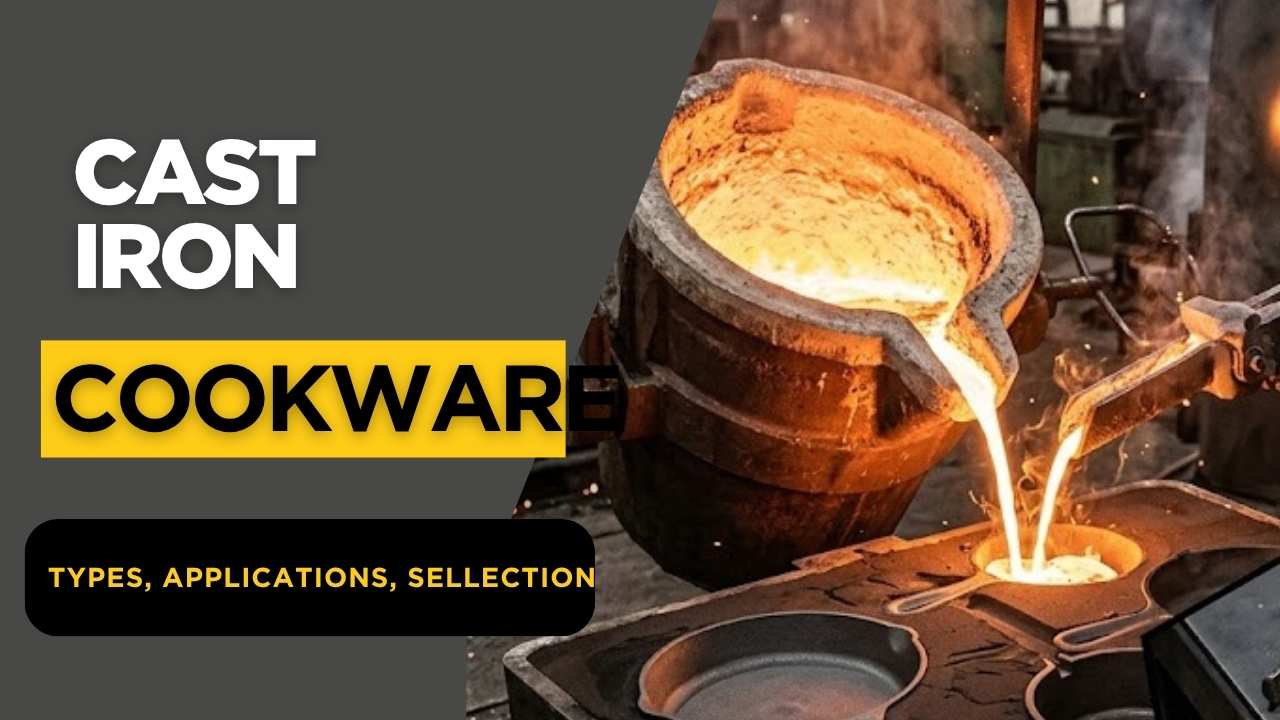
Introduction: Why Cast Iron Cookware Still Dominates Kitchens Worldwide
Cast iron cookware has been used for centuries, yet it remains one of the most durable and versatile tools in modern kitchens. Its ability to retain heat, withstand high temperatures, and develop a natural non‑stick surface makes it a favorite among chefs and home cooks alike. But behind every cast iron skillet, Dutch oven, or griddle is a complex industrial process involving high‑temperature melting, precision casting, and careful finishing.
Although cast iron cookware is made from iron rather than aluminum or copper, the foundries that produce it often rely on non‑ferrous melting systems for tooling, mold components, and auxiliary casting operations. Aluminum melting furnaces, in particular, play a major role in producing patterns, fixtures, and support components used throughout the casting process.
This guide walks through each stage of cast iron cookware production and highlights how modern furnace technology supports efficient, high‑quality manufacturing.
Step 1: Preparing the Raw Materials
Cast iron cookware begins with a mixture of raw materials—typically pig iron, recycled iron, and steel scrap. These materials are combined to achieve the desired carbon content, usually between 2% and 4%. The high carbon content gives cast iron its characteristic hardness, brittleness, and excellent heat retention.
Foundries often melt aluminum or copper alongside iron to produce molds, tooling, or auxiliary components. In these cases, reliable non‑ferrous melting systems are essential. For example, the Tilting Stack Melting Furnace provides efficient aluminum melting for casting operations that support mold production.
Step 2: Melting the Iron
The raw materials are charged into a high‑temperature furnace capable of reaching temperatures above 1,370°C (2,500°F). Cupola furnaces, induction furnaces, and electric arc furnaces are commonly used for melting cast iron. The molten metal forms a uniform bath that can be tapped and poured into molds.
While iron requires extremely high temperatures, aluminum and copper melting systems often operate alongside these furnaces to support tooling and mold production. Foundries frequently use equipment such as the Dry Hearth Melting Furnace to melt aluminum for casting mold frames, gating systems, or auxiliary components.
Step 3: Creating the Sand Molds
Most cast iron cookware is produced using sand casting. A pattern—typically made from aluminum or wood—is pressed into sand to create a cavity in the shape of the cookware. The sand is mixed with binders to maintain its shape during pouring.
Aluminum patterns are especially common because they are lightweight, durable, and easy to machine. Many foundries produce their own aluminum patterns using melting systems such as the Mini Stack Melting Furnace or the Aluminum Gas Round Crucible Furnace.
These furnaces allow foundries to create precise, repeatable patterns that improve casting quality and reduce defects.
Step 4: Pouring the Molten Iron
Once the molds are prepared and the iron is fully melted, the molten metal is tapped from the furnace and poured into the sand molds. This step requires careful control to avoid turbulence, which can introduce air pockets or inclusions.
Although cast iron pouring is a high‑temperature process, aluminum melting systems often support the workflow by producing ladles, pouring basins, or mold components. For example, the Aluminum Gas Tilting Crucible Furnace is frequently used to melt aluminum for casting auxiliary parts used in the pouring process.
Step 5: Cooling and Shakeout
After pouring, the molds are left to cool. As the iron solidifies, it takes on the shape of the cookware. Once fully cooled, the sand mold is broken apart in a process known as shakeout. The cast piece is removed, and the sand is reclaimed for future use.
During this stage, foundries often melt aluminum or copper to produce replacement mold components or repair tooling. Systems such as the Square Crucible Melting Furnace provide clean, efficient melting for these auxiliary operations.
Step 6: Grinding, Polishing, and Surface Finishing
Raw castings have excess material known as flash, which must be removed. Workers grind and polish the cookware to achieve a smooth surface. Some manufacturers machine the cooking surface to improve smoothness, while others leave it slightly textured to enhance seasoning.
Aluminum melting systems support this stage by producing fixtures, clamps, and tooling used in grinding and finishing operations. The Electric Round Crucible Melting Furnace is commonly used to cast these components.
Step 7: Seasoning the Cookware
Seasoning is what gives cast iron its natural non‑stick surface. The cookware is coated with oil and heated to a high temperature, causing the oil to polymerize and bond to the metal. This creates a durable, blackened surface that improves with use.
Some manufacturers use large ovens or continuous furnaces to season cookware in batches. Others rely on manual seasoning processes. Although aluminum melting systems are not directly involved in seasoning, they support the production of racks, trays, and fixtures used in the process.
Step 8: Quality Control and Packaging
Before shipping, each piece of cookware undergoes inspection for defects such as cracks, porosity, or uneven surfaces. High‑quality cast iron cookware must meet strict dimensional and performance standards.
Foundries that recycle aluminum scrap often integrate systems such as the Aluminum Scrap Rotary Recycling Furnace to reclaim material used in mold production and tooling.
Conclusion: A Blend of Tradition and Modern Furnace Technology
Cast iron cookware may be rooted in centuries‑old techniques, but modern foundries rely on advanced furnace technology to produce consistent, high‑quality products. While the iron itself is melted in high‑temperature furnaces, aluminum and copper melting systems play a crucial supporting role in producing patterns, molds, tooling, and auxiliary components.
Whether a foundry uses gas‑fired systems like the Tilting Stack Melting Furnace or electric systems like the Tilting Crucible Melting Furnace, the right equipment ensures efficiency, precision, and long‑term reliability.
Cast iron cookware remains a symbol of durability and craftsmanship—and behind every piece is a sophisticated melting and casting process supported by modern furnace technology.
We Make Your Next Melting Furnace
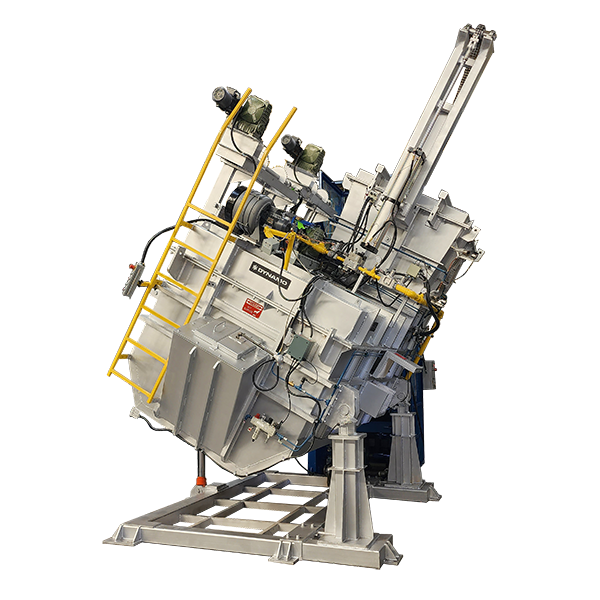
For every production scenario, we have a dedicated type of high-capacity furnace. Be it a crucible furnace or a large tower melting furnace. Dynamo Furnaces provides top foundry solutions across United States, Canada, Mexico, and South America.
To experience a smooth journey from filling the information request form to having your order delivered at your factory, visit our products page.
For related equipment-planning guidance, compare Dynamo’s melting and holding applications by process and industrial metal melting furnace applications.