

Blog
Ferrous vs Non‑Ferrous Metals: Properties, Magnetism & Industrial Applications

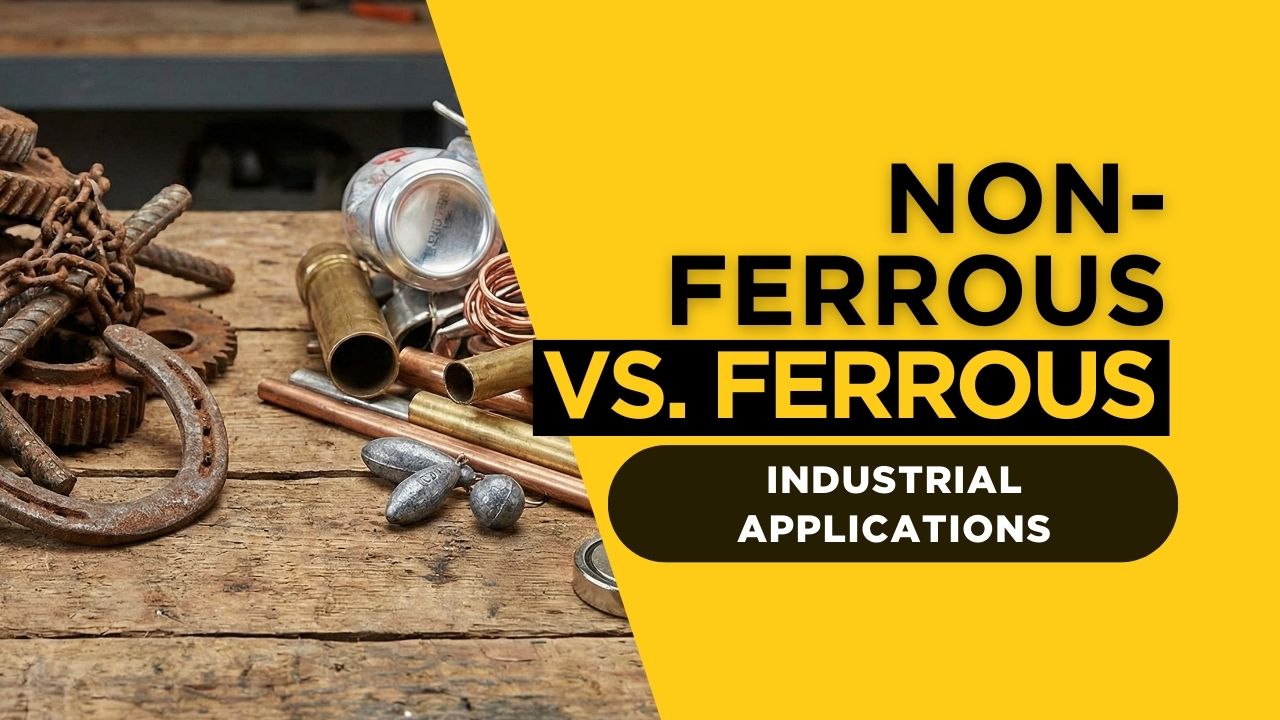
Metals form the backbone of modern manufacturing, and understanding the difference between ferrous and non‑ferrous metals is essential for selecting the right material for casting, machining, forming, or recycling. These two categories behave differently under heat, respond differently to corrosion, and offer distinct mechanical and magnetic properties. Questions such as “Is aluminum ferrous?”, “Is brass magnetic?”, or “How does stainless steel compare to brass?” reflect the practical decisions engineers and manufacturers make every day.
This guide explains the fundamental differences between ferrous and non‑ferrous metals, explores their magnetic behavior, and examines how materials like aluminum, brass, copper, and stainless steel fit into modern industrial workflows.
👉 Dynamo Furnaces is one of the most trustworthy and credible providers in melting furnace industries and related fields. Make sure that you check our products and contact our specialits and sales engineers for consuting, quote, and any inquiry

What Are Ferrous Metals?
Ferrous metals are those that contain iron as their primary element. This category includes carbon steel, alloy steel, cast iron, and wrought iron. Because iron is the dominant component, ferrous metals tend to be strong, durable, and suitable for structural applications. They are widely used in construction, automotive manufacturing, heavy machinery, and industrial tooling.
One defining characteristic of ferrous metals is their magnetic behavior. Most ferrous metals are magnetic, which is why they are used in motors, transformers, and magnetic storage systems. However, not all ferrous metals behave the same way — stainless steel, for example, can be either magnetic or non‑magnetic depending on its alloy composition.
Ferrous metals are also more prone to rust unless alloyed with elements like chromium or nickel. This is why stainless steel, which contains chromium, resists corrosion far better than plain carbon steel.
What Are Non‑Ferrous Metals?
Non‑ferrous metals do not contain iron as a primary element. This category includes aluminum, copper, brass, bronze, zinc, lead, and nickel‑based alloys. Many non-ferrous metals offer improved corrosion resistance compared to plain carbon steel, though corrosion behavior depends on the specific alloy and environment advantages:
They resist corrosion
They are generally lighter than ferrous metals
They are non‑magnetic
They offer excellent electrical and thermal conductivity
Non‑ferrous metals are essential in aerospace, electrical systems, plumbing, precision casting, and industries where weight reduction or corrosion resistance is critical.
Their non‑magnetic nature also makes them ideal for electronic housings, MRI‑safe equipment, and applications where magnetic interference must be avoided.
Is Aluminum Ferrous?
A common question in manufacturing is “Is aluminum ferrous?” The answer is no — aluminum is a non‑ferrous metal. It contains no iron and is therefore lightweight, corrosion‑resistant, and non‑magnetic.
Aluminum’s properties make it ideal for:
Aerospace structures
Automotive components
Electrical housings
Heat exchangers
Casting and extrusion
Its non‑magnetic nature is especially important in electronics and high‑frequency applications where magnetic interference must be minimized.
Is Brass Magnetic?
Another frequent question is “Is brass magnetic?” Brass is an alloy of copper and zinc, and like both of its base metals, it is non‑magnetic. This makes brass ideal for applications where magnetism would interfere with performance, such as:
Electrical connectors
Plumbing fittings
Decorative hardware
Precision instruments
Brass also offers excellent corrosion resistance and machinability, making it a versatile material across many industries.
Stainless Steel vs Brass: Comparing Two Industrial Workhorses
The comparison of stainless steel vs brass highlights the differences between ferrous and non‑ferrous metals. Stainless steel is a ferrous alloy containing iron, chromium, and sometimes nickel. Its strength, hardness, and corrosion resistance make it ideal for structural components, food‑grade equipment, and high‑temperature environments.
Brass, on the other hand, is softer, more ductile, and easier to machine. It excels in applications requiring precision, corrosion resistance, and aesthetic appeal.
Key differences include:
Magnetism: Stainless steel may be magnetic or non‑magnetic depending on grade; brass is always non‑magnetic.
Strength: Stainless steel is significantly stronger and harder.
Machinability: Brass machines more easily and produces cleaner cuts.
Corrosion Resistance: Both materials offer corrosion resistance, but performance depends on environment and alloy grade.
Weight: Brass is heavier than stainless steel, while aluminum is lighter than both.
Understanding these differences helps manufacturers choose the right material for each application.
Magnetic Behavior of Metals
Magnetism is often used to distinguish ferrous from non‑ferrous metals. Ferrous metals typically exhibit magnetic properties because of their iron content. However, there are exceptions:
Austenitic stainless steels (300‑series) are generally non‑magnetic
Martensitic and ferritic stainless steels (400‑series) are magnetic
Non‑ferrous metals like aluminum, copper, and brass are non‑magnetic
This is why magnets are often used in scrap yards to quickly separate ferrous from non‑ferrous materials.
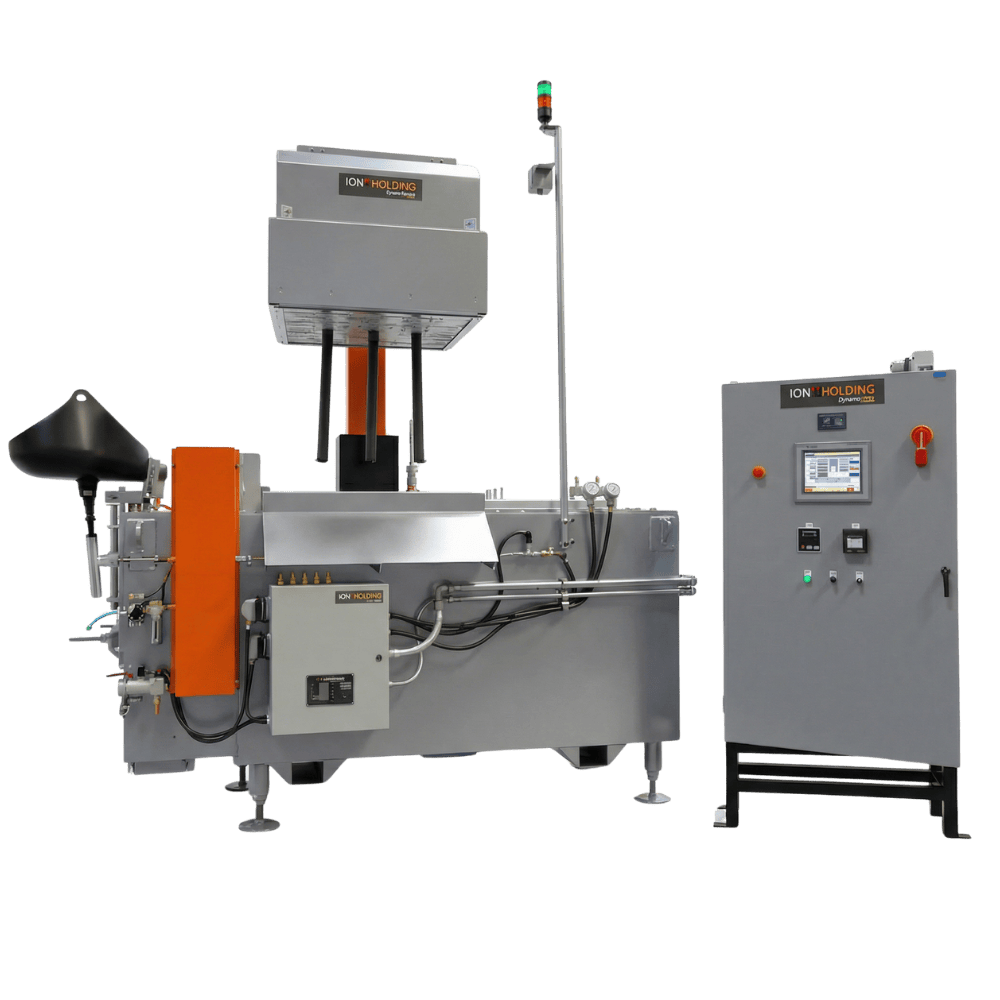
👉 View Dynamo Furnaces aluminum electric holding furnaces (EH-A Series)
Applications Across Industry
Ferrous and non‑ferrous metals each play essential roles in manufacturing:
Ferrous metals dominate construction, automotive, heavy machinery, and tooling.
Non‑ferrous metals excel in aerospace, electronics, plumbing, casting, and corrosion‑resistant applications.
Aluminum’s light weight makes it ideal for transportation. Copper’s conductivity powers electrical systems. Brass’s machinability supports precision manufacturing. Stainless steel’s strength and corrosion resistance make it indispensable in food processing, medical equipment, and chemical environments.
Each metal category brings unique advantages that support modern industrial design.
Conclusion
Understanding the difference between ferrous and non‑ferrous metals is essential for selecting the right material for casting, machining, forming, or recycling. Questions like “Is aluminum ferrous?”, “Is brass magnetic?”, and comparisons such as stainless steel vs brass highlight the practical considerations manufacturers face every day. By understanding the properties, magnetism, and applications of each metal category, engineers and manufacturers can make informed decisions that improve performance, reduce costs, and support long‑term reliability.
For related equipment-planning guidance, compare Dynamo’s melting and holding applications by metal, brass and bronze melting furnace applications, and melting and holding applications by process.
References
- ASM International – Metals Handbook Series The definitive reference for metallurgy, alloys, heat treatment, and material behavior.
- Davis, J. R. – ASM Specialty Handbook: Heat‑Resistant Materials Essential for superalloys, high‑temperature materials, and furnace‑exposed components.
- NFPA 86 – Standard for Ovens and Furnaces
The primary safety standard governing industrial furnace design and operation. - AIST (Association for Iron & Steel Technology) – Steelmaking and Furnace Technology Papers
Technical papers on melting, reheating, and thermal processing. - Industrial Heating Magazine – Technical Articles & Furnace Engineering Guides
Industry‑trusted source for furnace design, heat treatment, and thermal processing. - SAE AMS 2750 – Pyrometry Standard
Governs temperature control, thermocouples, calibration, and uniformity surveys. - AIAG CQI‑9 – Heat Treat System Assessment
Automotive industry standard for furnace control, uniformity, and process validation. - ASTM Standards for Heat Treatment (ASTM A255, A1033, E220, etc.)
Covers hardness testing, temperature measurement, and metallurgical evaluation. - U.S. Department of Energy (DOE) – Industrial Energy Efficiency Reports
Authoritative research on furnace efficiency, heat recovery, and energy optimization. - EPA – Industrial Furnace Emissions Guidelines
Regulatory framework for emissions, combustion efficiency, and environmental compliance. - IPCC – Industrial Process Emissions & Carbon Footprint Data
Global reference for carbon‑intensity metrics and environmental impact. - ISA (International Society of Automation) – Standards for PLCs, SCADA & Process Control Covers automation architecture, safety interlocks, and furnace control logic.
- Siemens / Rockwell Automation – Furnace Control System White Papers Industry‑leading documentation on PLC furnace control, SCADA integration, and Industry 4.0 connectivity.
Let Us Make Your Next Melting Furnace
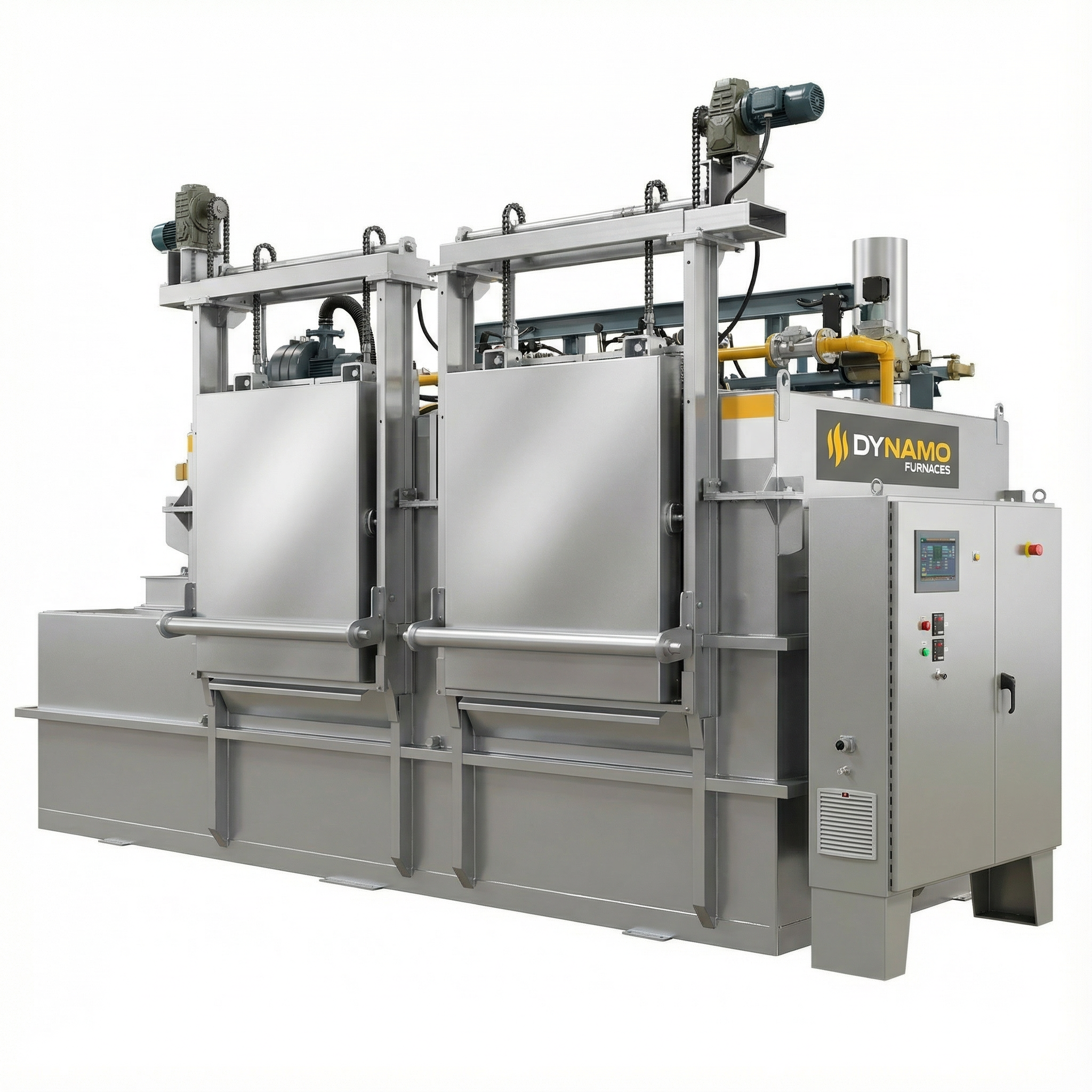
For virtually every production scenario, we have a dedicated type of high capacity furnace. Be it a crucible furnace or a large tower melting furnace. Dynamo Furnaces provides top foundry solutions across United States, Canada, Mexico and South America.
To experience a smooth journey from filling the information request form to having your order delivered at your factory, visit our products page.