

Blog
Industrial Furnace Fuel Types: Gas, Electric & Induction Heating Systems Explained

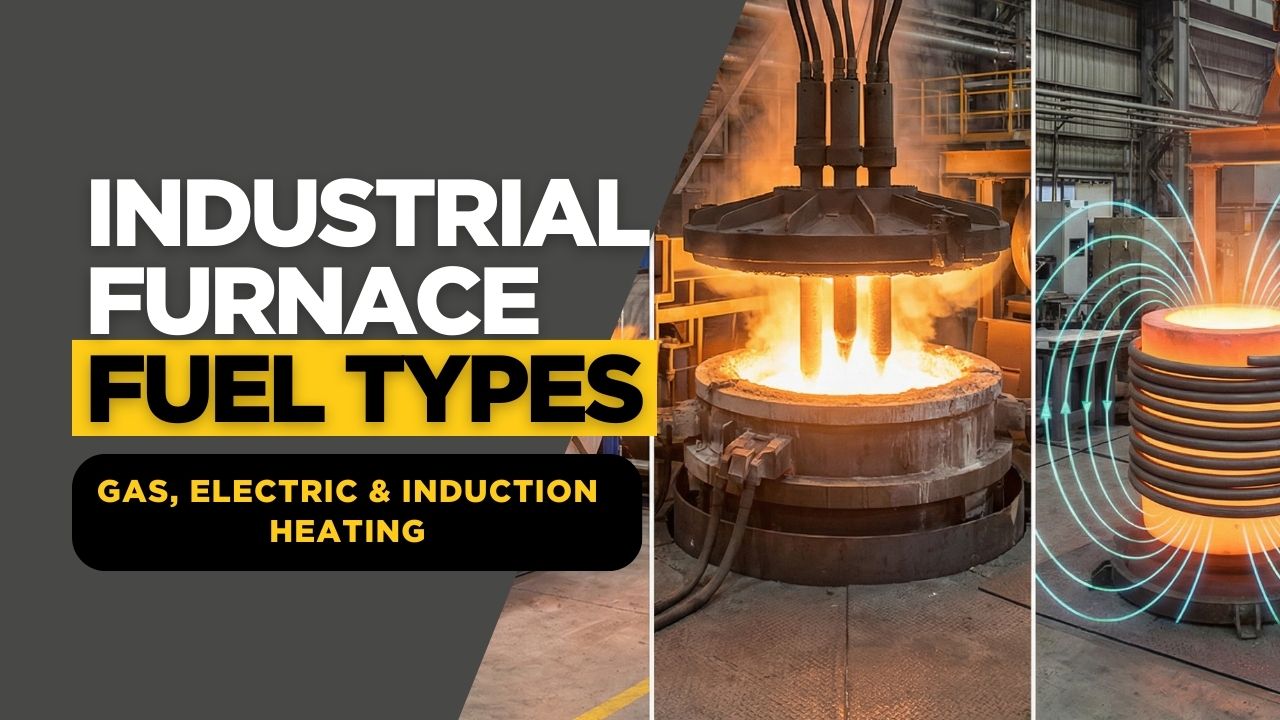
Industrial furnaces rely on different fuel and power sources to deliver the heat required for melting, heat treating, forging, and thermal processing. The choice between gas‑fired systems, electric furnaces, and induction furnaces affects everything from energy efficiency and operating cost to metallurgical consistency and environmental impact. As manufacturing evolves toward higher precision and lower emissions, understanding the strengths and limitations of each fuel type has become essential for engineers, foundry managers, and production planners.
This guide explores the three dominant furnace fuel categories — gas, electric, and induction — and explains how systems such as the propane furnace, gas forge, electric crucible furnace, and induction furnace support modern industrial workflows.
👉 Dynamo Furnaces is one of the most trustworthy and credible providers in melting furnace industries and related fields. Make sure that you check our products and contact our specialits and sales engineers for consuting, quote, and any inquiry

Gas‑Fired Furnaces: Power, Flexibility & High Thermal Output
Gas‑fired furnaces remain one of the most widely used heating technologies in metalworking. Fueled by natural gas or propane, these systems deliver strong, direct heat and are capable of reaching high temperatures quickly. Gas furnaces are common in foundries, forging shops, heat‑treating facilities, and metal recycling operations where thermal demand is high and fuel availability is reliable.
A propane furnace is often used in smaller foundries, rural facilities, or mobile operations where natural gas infrastructure is unavailable. Propane burns cleanly, heats rapidly, and provides excellent temperature control for aluminum, brass, and copper melting. Its portability makes it ideal for field repairs, small‑batch casting, and remote manufacturing environments.
For forging operations, the gas forge is a staple. Gas forges provide intense, localized heat suitable for blacksmithing, blade making, and industrial forging. Their open‑chamber design allows operators to heat long bars, billets, and tooling with consistent flame coverage. Gas forges are valued for their simplicity, fast heat‑up times, and ability to maintain stable working temperatures during continuous use.
Gas‑fired furnaces excel in applications requiring high thermal output, rapid heating, and flexible operation. Their main considerations include fuel cost, ventilation requirements, and the need for regular burner maintenance to ensure efficient combustion.
Electric Furnaces: Clean, Controlled & Energy‑Efficient Heating
Electric furnaces have become increasingly popular due to their clean operation, precise temperature control, and compatibility with modern automation systems. Unlike gas furnaces, electric systems do not rely on combustion, which eliminates flame‑related contamination and reduces emissions. This makes electric furnaces ideal for high‑purity melting, laboratory environments, and heat‑treating processes where surface quality is critical.
The electric crucible furnace is one of the most versatile electric heating systems. It is widely used for melting aluminum, copper, brass, and zinc alloys in foundries and casting operations. Electric crucible furnaces provide stable, uniform heating and allow operators to maintain tight control over melt temperature — a key factor in reducing oxidation, minimizing dross formation, and improving metal quality.
Electric furnaces also excel in heat treatment. Their ability to maintain uniform chamber temperatures makes them ideal for annealing, tempering, aging, and stress relieving. Because electric heating elements respond quickly to control adjustments, these furnaces deliver consistent thermal cycles with minimal variation.
While electric furnaces may have higher initial installation costs, their long‑term energy efficiency, low maintenance requirements, and clean operation make them a strong choice for facilities focused on precision and sustainability.
Induction Furnaces: Precision Melting Through Electromagnetic Heating
The induction furnace represents one of the most advanced melting technologies in modern manufacturing. Instead of using combustion or resistive heating, induction furnaces rely on electromagnetic fields to generate heat directly within the metal. This method provides extremely fast melting, excellent temperature control, and minimal oxidation — making induction ideal for high‑purity alloys and specialty metals.
Induction furnaces are widely used for melting copper, brass, bronze, steel, and superalloys. Because the heat is generated inside the metal itself, energy transfer is highly efficient, and melt times are significantly shorter than with gas or electric crucible systems. The absence of combustion gases also improves metal cleanliness and reduces environmental impact.
Another advantage of induction technology is its ability to support precise metallurgical control. Operators can adjust power levels instantly, maintain stable melt temperatures, and reduce contamination risks. This makes induction furnaces essential in industries such as aerospace, medical manufacturing, precision casting, and high‑performance alloy production.
Induction systems do require specialized power supplies and water‑cooling infrastructure, but their efficiency, speed, and metallurgical benefits often justify the investment.
Comparing Gas, Electric & Induction Furnace Technologies
Each furnace fuel type offers unique advantages depending on the application:
Gas furnaces deliver high thermal output and rapid heating, making them ideal for forging, large‑scale melting, and high‑temperature industrial processes.
Electric furnaces provide clean, uniform heating with excellent temperature control, supporting precision heat treatment and non‑ferrous melting.
Induction furnaces offer the fastest melting, highest efficiency, and best metallurgical control, especially for high‑value alloys.
The choice depends on material type, production volume, energy availability, and required surface quality.
Applications Across Industry
Different industries rely on different furnace fuel types based on their thermal and metallurgical needs:
Foundries use gas furnaces for large‑scale melting and electric crucible furnaces for clean non‑ferrous alloys.
Forging operations depend on gas forges for rapid, intense heating.
Precision casting and aerospace manufacturing rely heavily on induction furnaces for high‑purity melts.
Heat‑treating facilities often choose electric furnaces for uniformity and atmosphere control.
Recycling operations use gas and induction systems to process scrap efficiently and recover metal value.
Each fuel type supports a specific set of industrial requirements, and many facilities use multiple furnace technologies to meet diverse production goals.
Choosing the Right Furnace Fuel Type
Selecting the right furnace begins with understanding the process requirements. A facility melting aluminum scrap may choose a gas‑fired reverberatory furnace for efficiency, while a shop producing oxygen‑free copper may rely on induction. Heat‑treating operations benefit from electric furnaces, while forging shops depend on gas forges for their intense, localized heat.
Other factors include:
Energy cost and availability
Required temperature range
Metal purity requirements
Environmental considerations
Maintenance capabilities
Production volume and workflow
Matching furnace technology to process needs ensures consistent results, lower operating costs, and long‑term reliability.
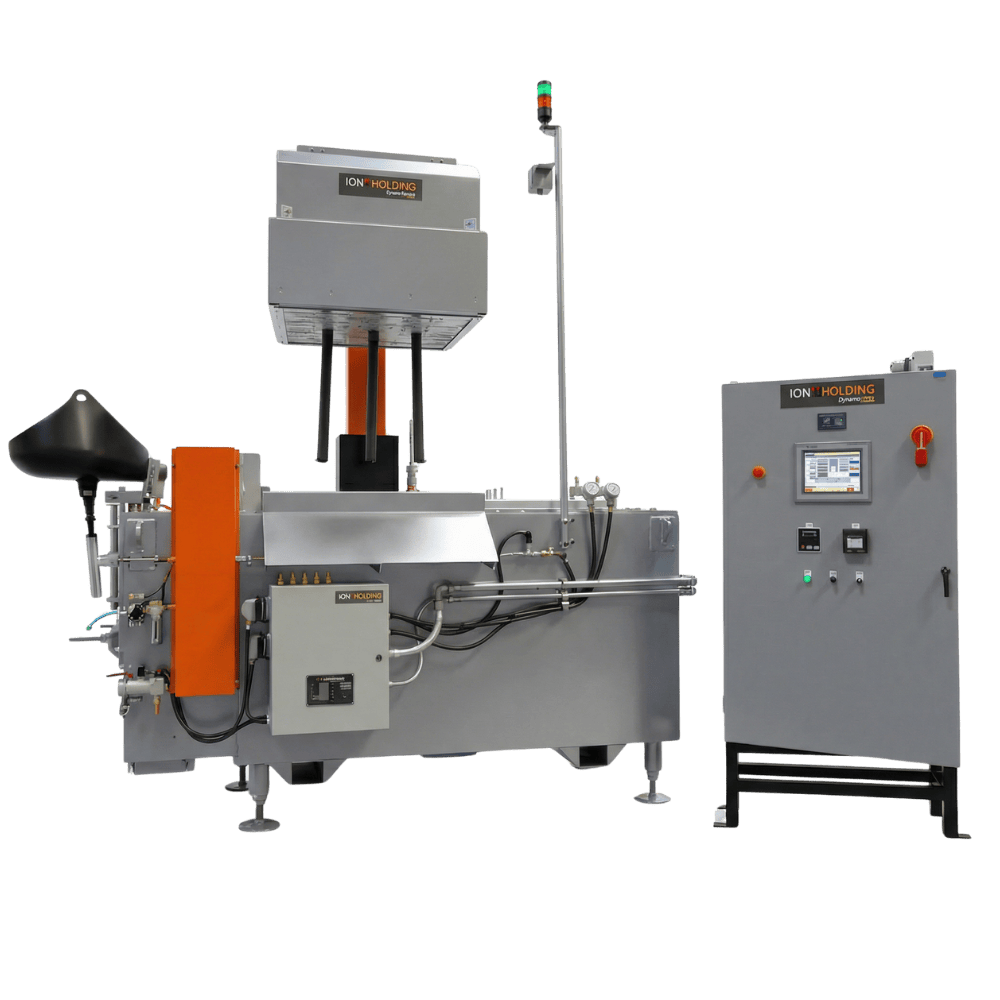
👉 View Dynamo Furnaces aluminum electric holding furnaces (EH-A Series)
Conclusion
Industrial furnaces powered by gas, electricity, or induction each offer unique advantages for melting, forging, and heat‑treating operations. Whether using a propane furnace, a gas forge, an electric crucible furnace, or an induction furnace, manufacturers must align fuel type with process requirements, material behavior, and production goals. By understanding the strengths of each heating method, facilities can improve energy efficiency, enhance metallurgical quality, and build a thermal processing system that supports long‑term operational success.
For related equipment-planning guidance, compare Dynamo’s melting and holding applications by process and industrial metal melting furnace applications.
References
- ASM International – Metals Handbook Series The definitive reference for metallurgy, alloys, heat treatment, and material behavior.
- Callister, W. D. – Materials Science and Engineering: An Introduction Foundational text for understanding metal structure, thermal behavior, and phase transformations.
- ISO 13577 – Industrial Furnaces and Associated Processing Equipment
International standard for furnace safety, combustion systems, and protective measures. - AIST (Association for Iron & Steel Technology) – Steelmaking and Furnace Technology Papers
Technical papers on melting, reheating, and thermal processing. - Industrial Heating Magazine – Technical Articles & Furnace Engineering Guides
Industry‑trusted source for furnace design, heat treatment, and thermal processing. - SAE AMS 2750 – Pyrometry Standard
Governs temperature control, thermocouples, calibration, and uniformity surveys. - AIAG CQI‑9 – Heat Treat System Assessment
Automotive industry standard for furnace control, uniformity, and process validation. - ASTM Standards for Heat Treatment (ASTM A255, A1033, E220, etc.)
Covers hardness testing, temperature measurement, and metallurgical evaluation. - U.S. Department of Energy (DOE) – Industrial Energy Efficiency Reports
Authoritative research on furnace efficiency, heat recovery, and energy optimization. - EPA – Industrial Furnace Emissions Guidelines
Regulatory framework for emissions, combustion efficiency, and environmental compliance. - IPCC – Industrial Process Emissions & Carbon Footprint Data
Global reference for carbon‑intensity metrics and environmental impact. - ISA (International Society of Automation) – Standards for PLCs, SCADA & Process Control Covers automation architecture, safety interlocks, and furnace control logic.
- Siemens / Rockwell Automation – Furnace Control System White Papers Industry‑leading documentation on PLC furnace control, SCADA integration, and Industry 4.0 connectivity.
Let Us Make Your Next Melting Furnace
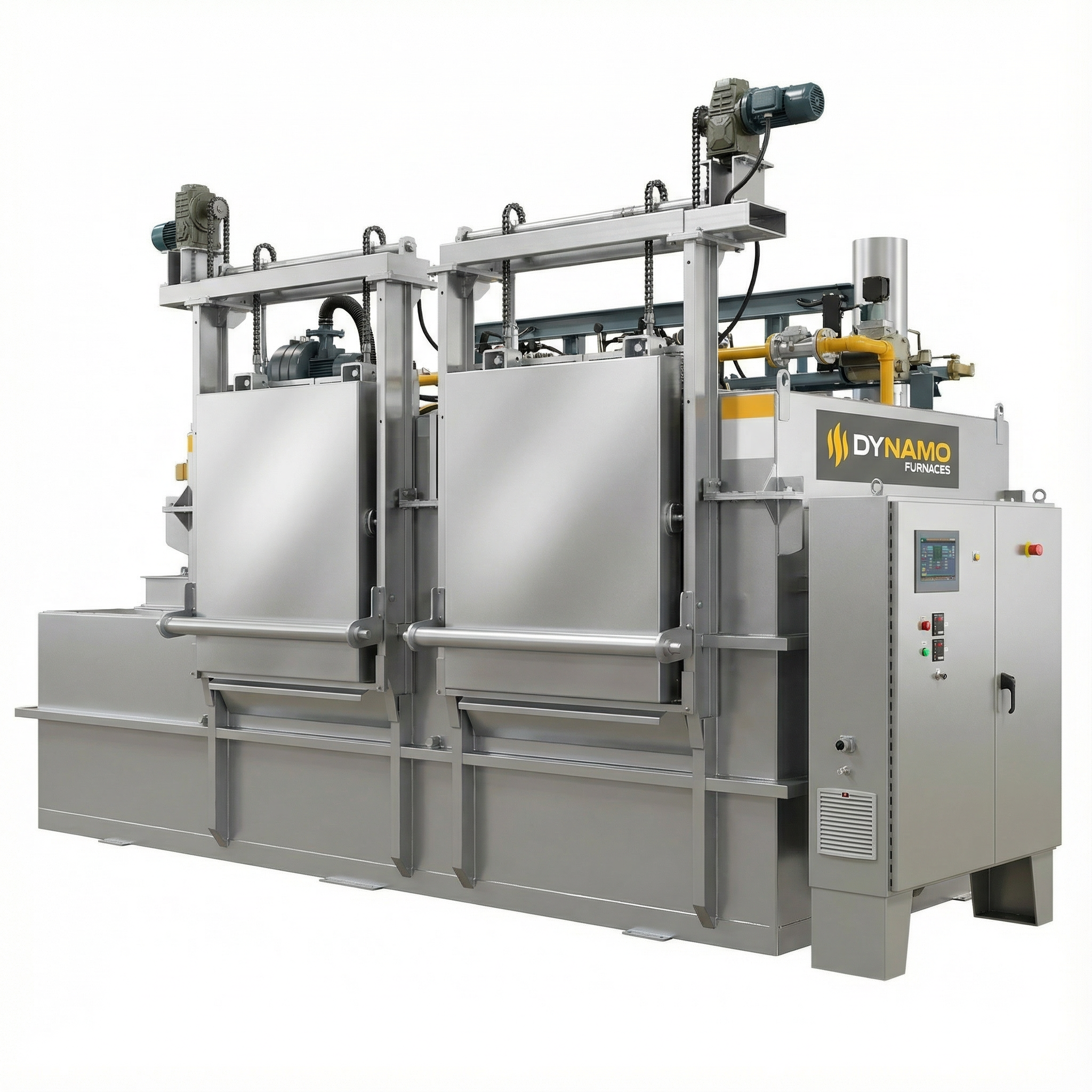
For virtually every production scenario, we have a dedicated type of high capacity furnace. Be it a crucible furnace or a large tower melting furnace. Dynamo Furnaces provides top foundry solutions across United States, Canada, Mexico and South America.
To experience a smooth journey from filling the information request form to having your order delivered at your factory, visit our products page.