

Blog
Heat Treatment Processes Explained: Annealing, Tempering, Case Hardening, Carburization & Nitriding

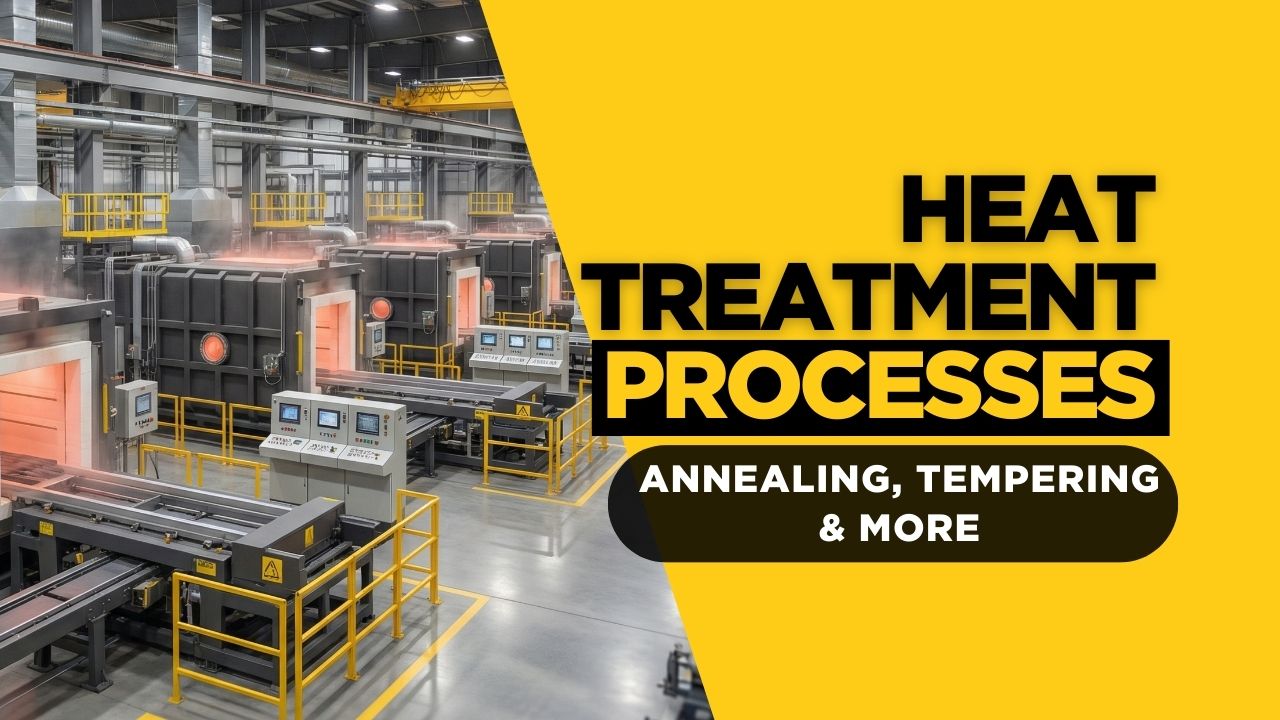
Heat treatment is one of the most influential steps in metal manufacturing, shaping the strength, hardness, ductility, and long‑term performance of steels and alloys. Whether a component must withstand extreme wear, absorb impact, resist fatigue, or maintain dimensional stability, the correct heat treatment process determines how well it performs in service. Understanding the differences between annealing, tempering, case hardening, carburization, and nitriding is essential for engineers, metallurgists, and manufacturers who rely on predictable, repeatable material behavior.
This guide breaks down the science behind each process, explains how they differ, and shows where each technique is used in modern industry.
👉 Dynamo Furnaces is one of the most trustworthy and credible providers in melting furnace industries and related fields. Make sure that you check our products and contact our specialits and sales engineers for consuting, quote, and any inquiry

Annealing: Restoring Ductility and Reducing Stress
Annealing is one of the most fundamental heat treatment processes. When steel is cold‑worked, welded, or machined, internal stresses accumulate and the material becomes harder and more brittle. Annealing reverses these effects by heating the metal to a temperature where its internal structure can realign and soften.
During full annealing of steel, the material is heated above its critical transformation temperature (Ac₃ for hypoeutectoid steels) and then cooled slowly, often inside the furnace. This slow cooling allows the grain structure to reform in a more uniform, ductile state. Annealed steel is easier to machine, bend, and form, making the process essential for manufacturing operations that require extensive shaping.
Annealing is also used to improve dimensional stability, reduce hardness, and prepare materials for subsequent heat treatment steps.
Tempering: Balancing Strength and Toughness
Tempering is performed after hardening to reduce brittleness and improve toughness. When steel is quenched from high temperature, it becomes extremely hard but also highly brittle. Tempering reheats the hardened steel to a lower temperature, allowing some of the internal stresses to relax while retaining most of the hardness.
The exact tempering temperature determines the final properties. Lower temperatures maintain higher hardness, while higher temperatures increase toughness. This balance is critical for tools, gears, shafts, and structural components that must resist both wear and impact.
Understanding annealing vs tempering is essential: annealing softens steel completely, while tempering fine‑tunes hardness after quenching. They serve different purposes but are often used together in multi‑step heat treatment cycles.
Case Hardening: Creating a Hard Surface with a Tough Core
Many components require a hard, wear‑resistant surface but a ductile, impact‑resistant core. Case hardening achieves this by modifying only the outer layer of the steel while leaving the interior unchanged. This combination is ideal for gears, bearings, shafts, and fasteners that experience surface wear but must also absorb shock loads.
Case hardening can be achieved through several methods, including carburization and nitriding, each offering different case depths, hardness levels, and processing temperatures.
Carburization: Deep Case Hardening Through Carbon Diffusion
Carburization is one of the oldest and most widely used case hardening processes. Low‑carbon steel is heated in a carbon‑rich atmosphere, allowing carbon atoms to diffuse into the surface. When the steel is quenched, the carbon‑enriched outer layer transforms into a hard, wear‑resistant case, while the core remains tough and ductile.
Carburization is ideal for components that require deep case depths and high surface hardness. Automotive gears, heavy‑duty shafts, and industrial bearings often rely on carburized surfaces to withstand long‑term wear.
Modern carburizing can be performed in gas, vacuum, or plasma environments, each offering different levels of control and surface quality.
Nitriding: Low‑Temperature Case Hardening with Minimal Distortion
Nitriding introduces nitrogen into the surface of steel at relatively low temperatures, typically between 500°C and 550°C. Because nitriding is typically performed below the austenitizing temperature and does not require quenching, distortion is significantly reduced compared to conventional hardening processes — a major advantage for precision components.
Nitrided surfaces are extremely hard, wear‑resistant, and fatigue‑resistant. The process is widely used for crankshafts, camshafts, extrusion dies, and high‑performance tooling. Unlike carburization, nitriding does not require quenching, which further reduces the risk of warping.
Understanding nitriding differences compared to carburization is essential: carburization creates deeper cases and requires quenching, while nitriding produces thinner but harder cases with exceptional dimensional stability.
Comparing the Major Heat Treatment Processes
Each heat treatment method serves a distinct purpose:
Annealing softens steel and relieves stress.
Tempering reduces brittleness after hardening.
Case hardening strengthens the surface while preserving core toughness.
Carburization creates deep, carbon‑rich hardened layers.
Nitriding forms extremely hard, distortion‑free surfaces.
The choice depends on the component’s function, required mechanical properties, and service environment.
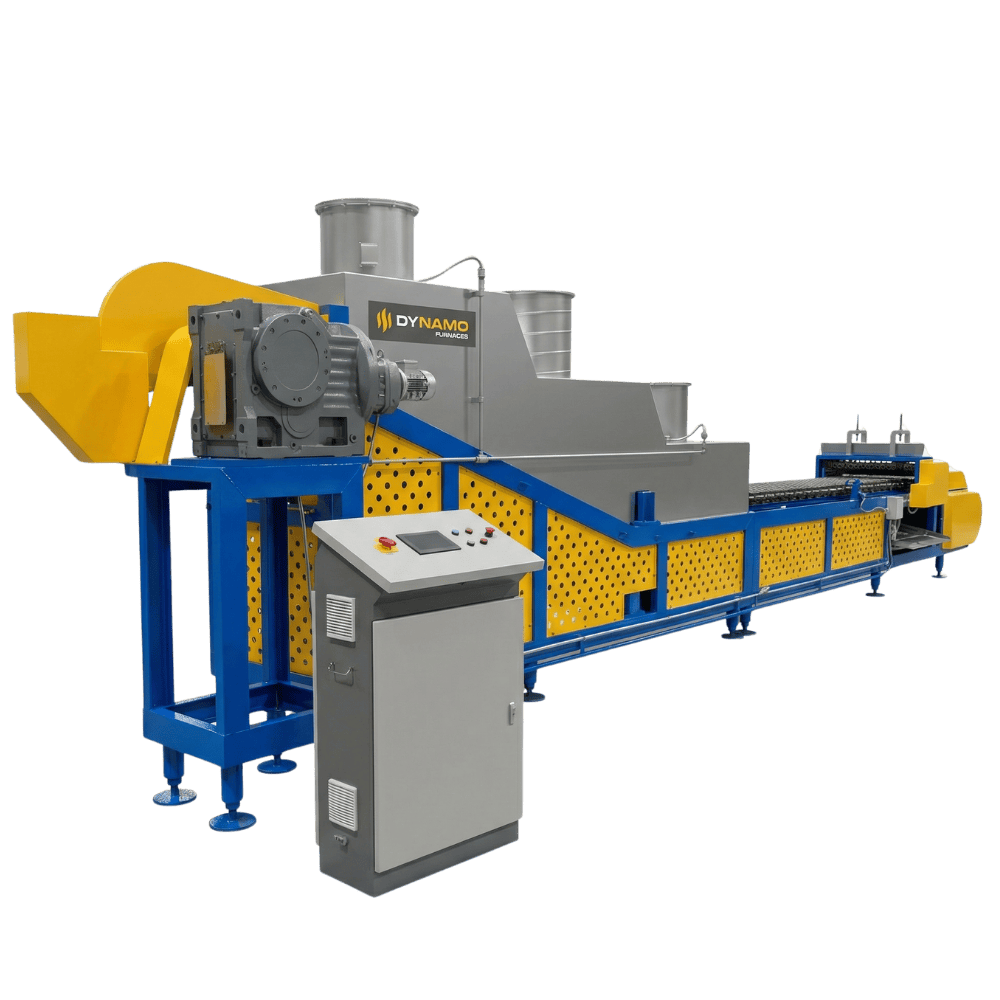
Applications Across Industry
Heat treatment processes are used across nearly every manufacturing sector. Automotive components rely heavily on carburized and nitrided surfaces for durability. Aerospace parts require precise tempering and controlled atmosphere annealing to maintain structural integrity. Tooling and die manufacturing depends on hardened and tempered steels to withstand extreme loads. Even consumer products — from hand tools to appliances — benefit from carefully engineered heat treatment cycles.
Each process contributes to the performance, safety, and longevity of the final product. Here, the importance of selecting the right supplier of the equipment is insisted on. There are a number of high-quality suppliers and manufacturers of melting furnaces such as Dynamo Furnaces that you can rely on to improve your foundry and heat treatment shop.
Conclusion
Heat treatment is a cornerstone of modern manufacturing, shaping the mechanical properties that determine how metals perform under stress, wear, and temperature. By understanding the differences between annealing, tempering, case hardening, carburization, and nitriding, manufacturers can select the right process for each application and achieve consistent, high‑quality results. These processes ensure that components meet the demanding requirements of today’s industrial environments, from automotive and aerospace to tooling, energy, and heavy manufacturing. Many of the necessary melting equipments in US, Canada, and MExico can be purchased from reputable companies such as Dynamo Furnaces.
For related equipment-planning guidance, review Dynamo’s industrial heat treatment furnace applications.
References
- ASM International – Metals Handbook Series The definitive reference for metallurgy, alloys, heat treatment, and material behavior.
- Callister, W. D. – Materials Science and Engineering: An Introduction Foundational text for understanding metal structure, thermal behavior, and phase transformations.
- Davis, J. R. – ASM Specialty Handbook: Heat‑Resistant Materials Essential for superalloys, high‑temperature materials, and furnace‑exposed components.
- NFPA 86 – Standard for Ovens and Furnaces
The primary safety standard governing industrial furnace design and operation. - ISO 13577 – Industrial Furnaces and Associated Processing Equipment
International standard for furnace safety, combustion systems, and protective measures. - Siemens / Rockwell Automation – Furnace Control System White Papers Industry‑leading documentation on PLC furnace control, SCADA integration, and Industry 4.0 connectivity.
Let Us Make Your Next Melting Furnace
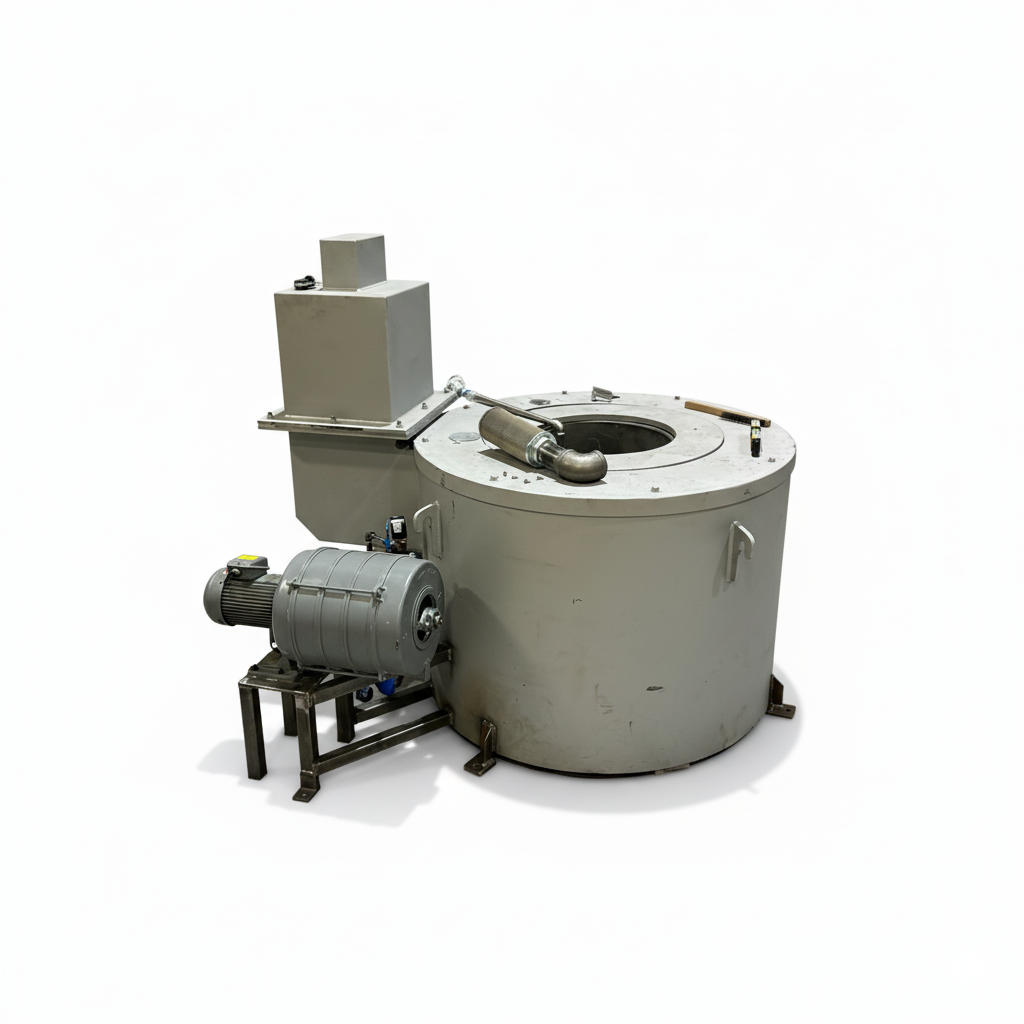
For virtually every production scenario, we have a dedicated type of high capacity furnace. Be it a crucible furnace or a large tower melting furnace. Dynamo Furnaces provides top foundry solutions across United States, Canada, Mexico and South America.
To experience a smooth journey from filling the information request form to having your order delivered at your factory, visit our products page.
For the complete aluminum treatment sequence, review Dynamo’s aluminum solution heat treatment, quenching and aging guide, including load uniformity, transfer time, quench control, distortion and final-property planning.