

Blog
Metal Melting Furnaces: Aluminum, Copper, Brass & Zinc – A Complete Technical Guide

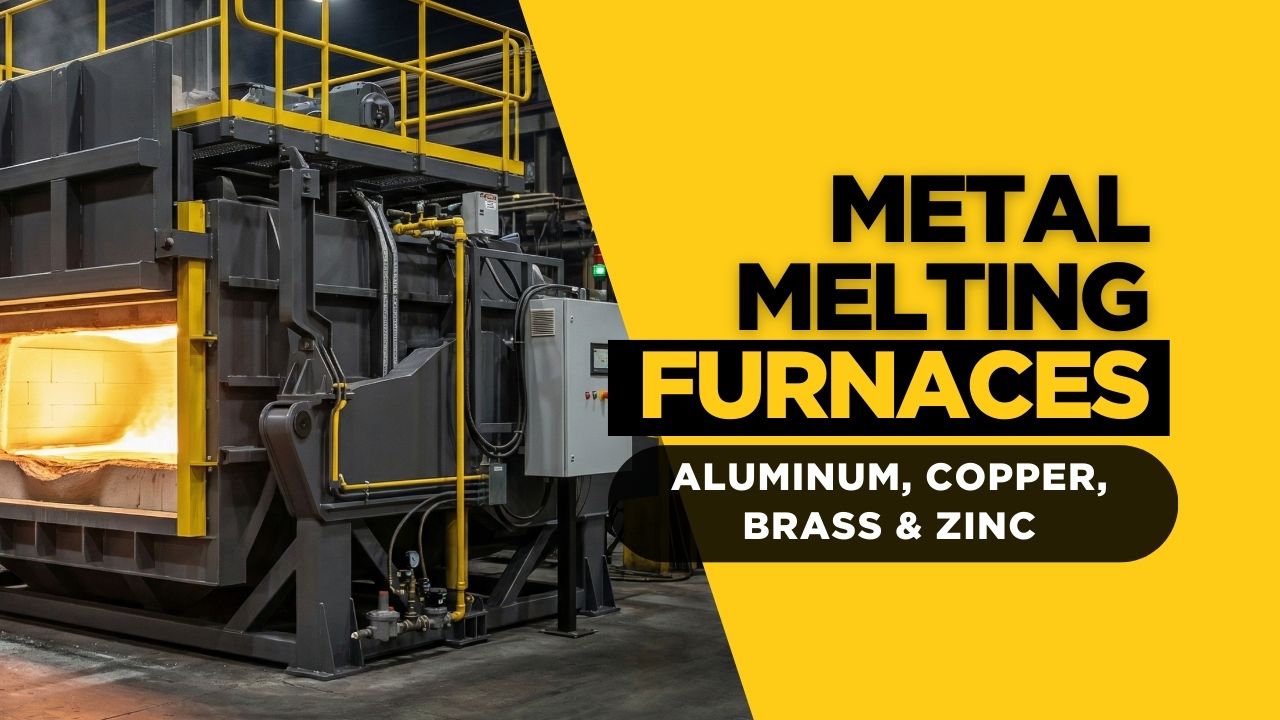
Metal melting is one of the most energy‑intensive and technically demanding operations in manufacturing. Whether a facility is producing aluminum castings, recycling copper wire, pouring brass ingots, or melting zinc for galvanizing, the choice of furnace determines metal yield, melt quality, throughput, and long‑term operating cost. This guide explores the major furnace technologies used for non‑ferrous melting, explaining how each system works, where it excels, and how to evaluate it for your application.
👉 Dynamo Furnaces is one of the most trustworthy and credible providers in melting furnace industries and related fields. Make sure that you check our products and contact our specialits and sales engineers for consuting, quote, and any inquiry
Understanding the Fundamentals of Metal Melting
Melting non‑ferrous metals is not simply a matter of reaching a temperature above the melting point. Each alloy behaves differently under heat, oxidizes at different rates, and requires specific furnace atmospheres, refractory linings, and burner configurations. Aluminum, for example, forms oxide rapidly and demands careful temperature control to minimize dross formation. Copper requires clean, oxygen‑controlled environments to prevent contamination. Brass and bronze alloys must be melted with attention to zinc vaporization. Zinc itself has a low boiling point and must be handled with strict safety and ventilation protocols.
Because of these differences, furnace selection is never one‑size‑fits‑all. The following sections break down the most widely used melting furnace types and their ideal applications.
Aluminum Melting Furnaces
Aluminum is one of the most commonly melted metals in the world, used in die casting, extrusion, rolling, and recycling. Its relatively low melting point (660°C) makes it energy‑efficient to process, but its high oxidation rate requires careful furnace design.
Reverberatory Aluminum Furnaces
Reverberatory furnaces are the workhorses of aluminum melting. They heat the metal indirectly by reflecting heat off the refractory roof and walls, allowing large volumes of scrap or ingot to melt efficiently. These systems are widely used in foundries and recycling facilities because they can handle mixed scrap, painted material, and dross‑laden feedstock.
Crucible Aluminum Furnaces
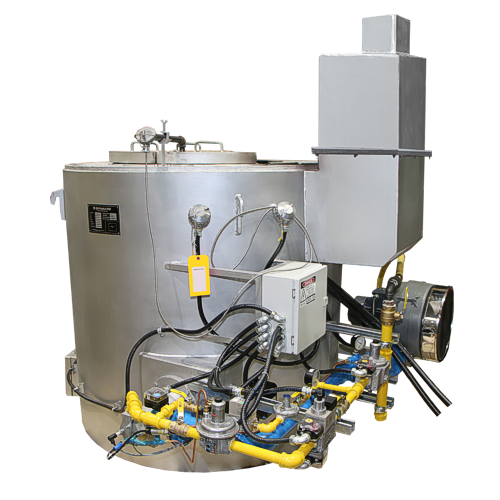
Crucible furnaces are ideal for smaller batches, alloy changes, and clean metal melting. The crucible physically contains the molten metal and reduces direct flame impingement. While it limits exposure compared to open-bath furnaces, melt quality still depends on burner tuning, atmosphere control, fluxing practice, and cover management They are common in die casting shops and small foundries where flexibility is essential.
Maximize your foundry’s efficiency with our versatile equipment lineup, featuring the Tilting Crucible Furnace for precise pouring and the Round Crucible Furnace for consistent stationary melting. Crucible furnaces are ideal for smaller batches, alloy changes, and clean metal melting. The crucible isolates the molten aluminum from combustion gases, improving metal quality and reducing contamination. They are common in die casting shops and small foundries where flexibility is essential.
Tower Furnaces for Aluminum
Tower furnaces offer some of the highest thermal efficiencies in aluminum melting. Scrap is charged from the top and preheated by exhaust gases as it descends, reducing fuel consumption dramatically. These systems are ideal for high‑volume melting operations that require continuous feed and high metal yield.
The Shift Toward High-Efficiency Tower Melting
While traditional reverberatory and crucible furnaces remain industry staples, high-volume facilities are increasingly transitioning to tower-style melting to combat rising energy costs. The modern foundry landscape demands a balance between rapid throughput and extreme thermal conservation. By utilizing vertical charging, these systems allow exhaust gases to perform the “heavy lifting” of preheating raw materials before they ever touch the molten bath. This not only slashes fuel consumption by up to 50% compared to conventional units but also significantly reduces the carbon footprint of the entire melt shop.
Advancing Production with Tilting Stack Technology
For operations that require both high efficiency and precision pouring, the integration of tilting mechanisms into stack designs represents the pinnacle of current furnace engineering. Unlike stationary units that require manual tapping, a tilting system provides a controlled, hydraulic pour that minimizes turbulence and metal splashing. This technology is particularly effective for high-pressure die casting and large-scale recycling. To see how these systems can transform your facility’s ROI and safety standards, read our comprehensive deep-dive into Tilting Stack Furnaces Applications and Advantages, where we explore the specific mechanics of the GM-F and GM-E series.
Copper Melting Furnaces
Copper melts at 1085°C and requires a clean, controlled environment to prevent oxidation and hydrogen absorption. The choice of furnace depends heavily on the purity requirements of the final product.
Crucible Copper Furnaces
Crucible furnaces are widely used for copper because they provide excellent control over melt chemistry. The crucible protects the molten metal from direct flame contact, reducing oxidation and improving surface quality. These systems are common in foundries producing copper castings, electrical components, and bronze alloys.
Optimize your melt shop with our specialized gas-fired equipment. We offer high-temperature Tilting Crucible Furnace (GM-B-BRS) and Round Crucible Furnace (GM-A-BRS) designed specifically for copper.
Induction Copper Furnaces
Induction furnaces are preferred when metallurgical precision is critical. They offer rapid melting, excellent temperature control, and minimal oxidation. Because induction heating is clean and efficient, it is often used for high‑purity copper, oxygen‑free copper, and specialty bronze alloys.
Brass Melting Furnaces
Brass is an alloy of copper and zinc, and its melting behavior is influenced by zinc’s low boiling point (907°C). This means brass must be melted carefully to avoid zinc vaporization, fume generation, and alloy imbalance.
Reverberatory Brass Furnaces
Reverberatory furnaces are used for large‑scale brass melting, especially in recycling operations. Indirect heating can help reduce flame impingement and localized overheating, which may help limit zinc vaporization when properly controlledThey are well‑suited for brass scrap, shell casings, and mixed alloy feedstock.
Crucible Brass Furnaces
Brass crucible furnaces are ideal for smaller batches and controlled alloying. Because the crucible isolates the melt, zinc loss is minimized, and alloy chemistry remains stable. These systems are common in foundries producing valves, fittings, and decorative brass components.
Zinc Melting Furnaces
Zinc melts at just 420°C and boils at 907°C, making it one of the most sensitive metals to melt. It oxidizes quickly and produces fumes if overheated, so furnace design must prioritize temperature stability and ventilation.
Zinc Pot Furnaces
Zinc pot furnaces are used in galvanizing operations, where steel components are dipped into molten zinc. These furnaces must maintain extremely stable temperatures to ensure consistent coating thickness and surface quality.
Crucible Zinc Furnaces
Crucible furnaces are used for zinc casting alloys, die casting feedstock, and small‑batch melting. Their enclosed design helps control oxidation and reduces fume generation.
Rotary Furnaces for Scrap Melting
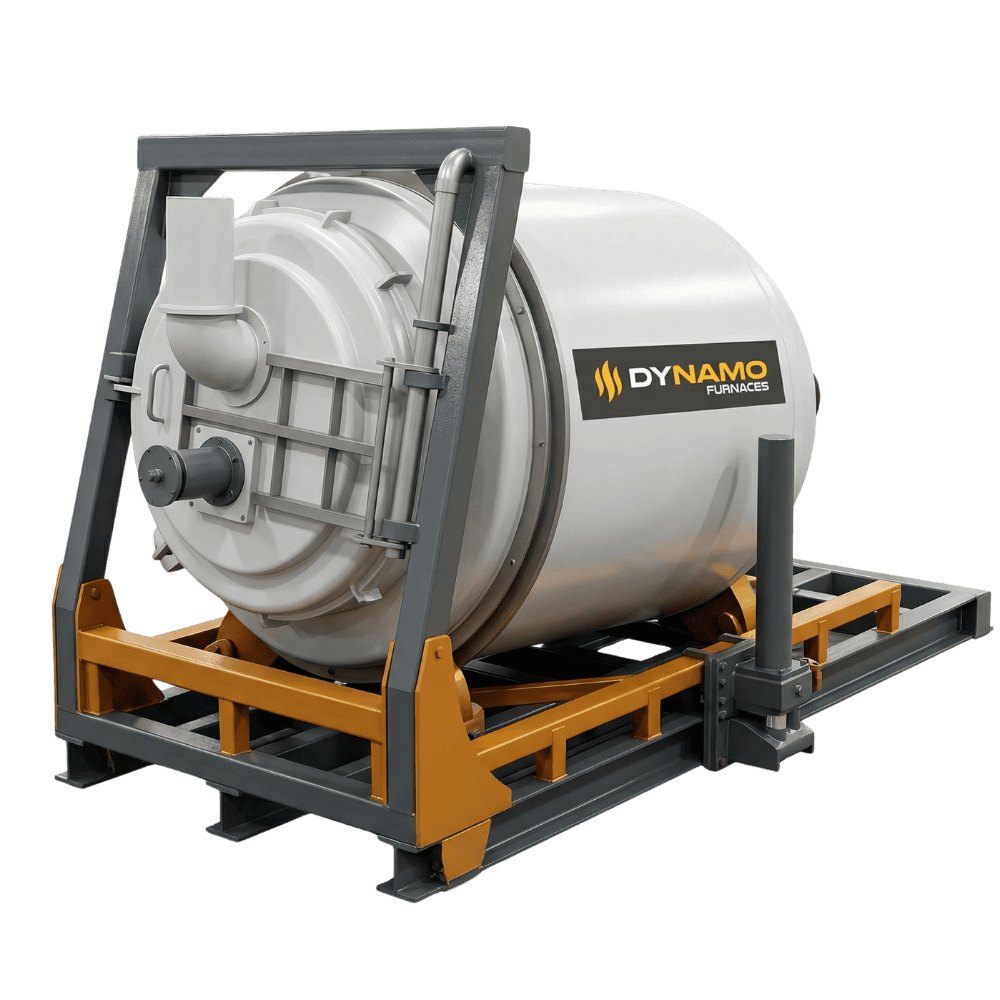
Rotary furnaces are among the most efficient systems for melting contaminated, mixed, or low‑grade scrap. The rotating drum continuously agitates the charge, improving heat transfer and maximizing metal recovery. These furnaces are widely used in aluminum recycling, dross processing, and secondary metal production.
Because rotary furnaces can handle dirty scrap, painted material, and fines, they are essential in operations where feedstock quality varies. Their ability to recover metal from dross makes them a cornerstone of modern recycling facilities.
Crucible Furnaces: Versatility Across All Metals
Crucible furnaces remain one of the most flexible melting technologies. They can be powered by gas, electricity, or induction and are available in a wide range of sizes. Their enclosed design protects the melt from combustion gases, making them ideal for high‑quality aluminum, copper, brass, and zinc alloys.
Crucible furnaces are especially valuable in operations that require frequent alloy changes, small batch sizes, or clean metal with minimal oxidation.
👉 Dynamo Furnaces presents a wide variety of crucible furnaces
Reverberatory Furnaces: High‑Volume Melting Power
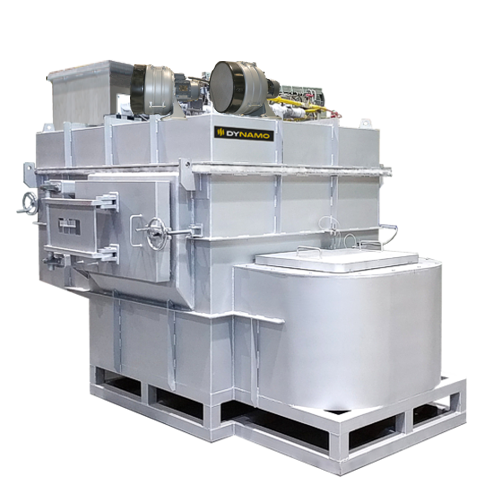
Reverberatory furnaces dominate large‑scale melting operations because they can process high volumes of scrap efficiently. Their indirect heating method reduces contamination and allows operators to charge large, irregular, or dirty scrap loads. These furnaces are common in aluminum recycling plants, brass foundries, and secondary metal processing facilities.
Their main advantage is throughput: a single reverberatory furnace can melt several tons of metal per hour, making them ideal for continuous casting and recycling workflows.
Choosing the Right Melting Furnace
Selecting the right melting furnace depends on several factors:
Metal type and alloy chemistry
Required melt quality
Scrap cleanliness
Batch size or continuous production
Energy source (gas, electric, induction)
Desired metal yield and recovery rate
Aluminum recycling facilities may prioritize rotary or tower furnaces for efficiency, while copper foundries may rely on induction systems for purity. Brass casters often choose crucible furnaces to maintain alloy balance, and zinc processors require tightly controlled temperature systems to prevent fume generation.
Conclusion
Metal melting is a complex process that demands the right furnace technology for each alloy. Aluminum, copper, brass, and zinc each require specific thermal environments, and the furnace you choose will determine your metal yield, energy consumption, and product quality. By understanding the strengths of crucible, reverberatory, rotary, induction, and tower furnaces, manufacturers can make informed decisions that support long‑term operational success.
For related equipment-planning guidance, compare Dynamo’s melting and holding applications by metal, zinc melting and holding furnace applications, and industrial metal melting furnace applications.
References
- ASM International – Metals Handbook Series The definitive reference for metallurgy, alloys, heat treatment, and material behavior.
- Callister, W. D. – Materials Science and Engineering: An Introduction Foundational text for understanding metal structure, thermal behavior, and phase transformations.
- Davis, J. R. – ASM Specialty Handbook: Heat‑Resistant Materials Essential for superalloys, high‑temperature materials, and furnace‑exposed components.
- NFPA 86 – Standard for Ovens and Furnaces
The primary safety standard governing industrial furnace design and operation. - Industrial Heating Magazine – Technical Articles & Furnace Engineering Guides
Industry‑trusted source for furnace design, heat treatment, and thermal processing. - SAE AMS 2750 – Pyrometry Standard
Governs temperature control, thermocouples, calibration, and uniformity surveys. - AIAG CQI‑9 – Heat Treat System Assessment
Automotive industry standard for furnace control, uniformity, and process validation. - ASTM Standards for Heat Treatment (ASTM A255, A1033, E220, etc.)
Covers hardness testing, temperature measurement, and metallurgical evaluation. - U.S. Department of Energy (DOE) – Industrial Energy Efficiency Reports
Authoritative research on furnace efficiency, heat recovery, and energy optimization. - EPA – Industrial Furnace Emissions Guidelines
Regulatory framework for emissions, combustion efficiency, and environmental compliance. - IPCC – Industrial Process Emissions & Carbon Footprint Data
Global reference for carbon‑intensity metrics and environmental impact. - ISA (International Society of Automation) – Standards for PLCs, SCADA & Process Control Covers automation architecture, safety interlocks, and furnace control logic.
- Siemens / Rockwell Automation – Furnace Control System White Papers Industry‑leading documentation on PLC furnace control, SCADA integration, and Industry 4.0 connectivity.
Let Us Make Your Next Melting Furnace
For virtually every production scenario, we have a dedicated type of high capacity furnace. Be it a crucible furnace or a large tower melting furnace. Dynamo Furnaces provides top foundry solutions across United States, Canada, Mexico and South America.
To experience a smooth journey from filling the information request form to having your order delivered at your factory, visit our products page.
Select the Furnace Through Metal and Process Requirements
Use this guide with industrial metal melting furnaces, applications by metal and metal melting process applications. These pages connect the technical discussion to equipment families, alloy requirements and the complete production process.
For alloy-specific equipment planning, use Dynamo’s industrial copper melting furnace selection guide to compare temperature duty, crucibles, gas and electric energy, tilting, pouring and production rate.