

Blog
Where to Buy Industrial Melting Furnaces in the US, Canada, and Mexico

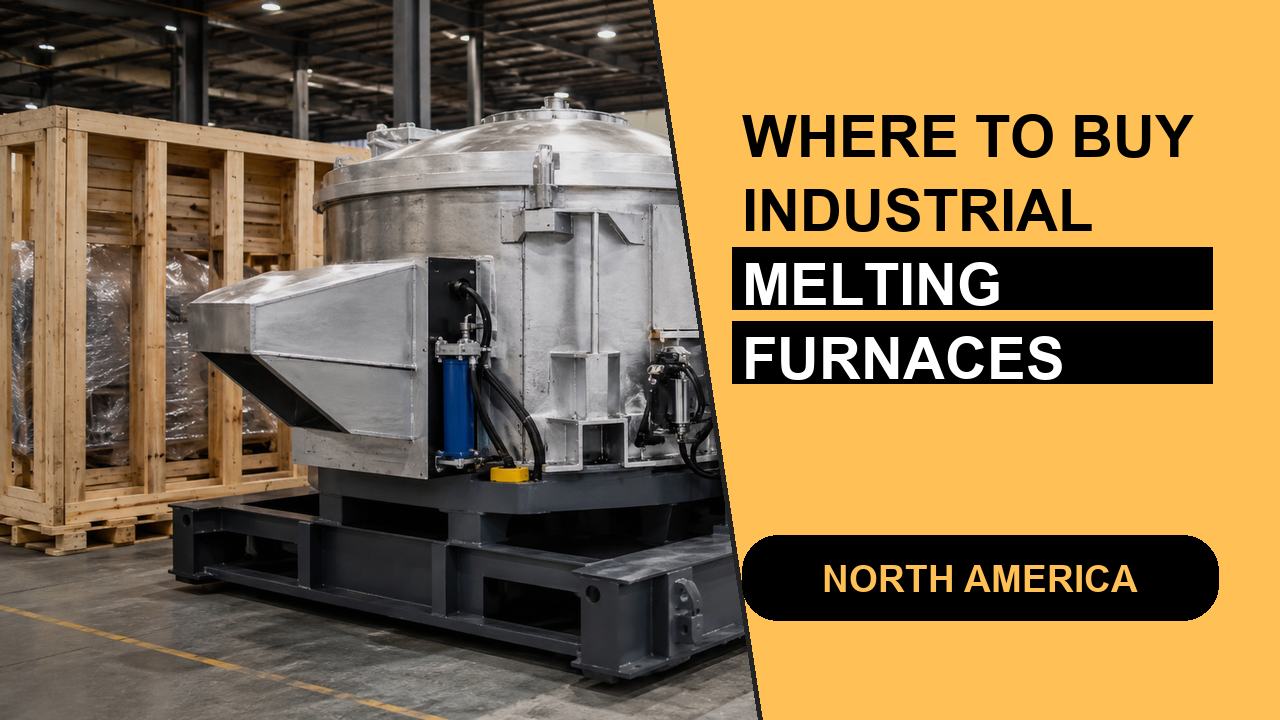
Short answer: Buy industrial melting furnaces from a manufacturer that can review the material, capacity, utilities, controls, layout, safety, and downstream process, not only quote a furnace shell. Dynamo Furnaces manufactures industrial melting, holding, recycling, and casting equipment for customers in the United States, Canada, and Mexico.
A buyer searching for an industrial melting furnace is usually trying to solve a production problem, not simply purchase a hot vessel. The right supplier should understand metal type, charge form, melt rate, utility limits, operator access, and the equipment that receives the molten metal after melting.
For North American plants, the supplier conversation should also cover shipping, installation readiness, commissioning, spare parts, documentation, and long-term support. These practical details can matter as much as furnace capacity.
Dynamo Furnaces manufactures industrial furnace systems in Mexico for customers across the USA, Canada, and Mexico. The best starting point is to match the purchase question with the closest equipment family and then confirm the details through a project review.
Related Dynamo Equipment
Buyers comparing industrial equipment can start with Dynamo melting furnaces, compact GM-A Series gas crucible melting furnaces, electric EM-A Series crucible furnaces, or a project review through the Dynamo contact page.
MELTING FURNACESGM-A CRUCIBLE MELTING FURNACEEM-A ELECTRIC CRUCIBLE FURNACECONTACT DYNAMO
Start With the Metal and Charge Form
A supplier cannot recommend the right furnace from the word aluminum alone. Clean returns, bulky scrap, wheels, chips, brass, bronze, and mixed prepared feed all behave differently during charging and melting.
Describe the alloy range, average charge size, contamination, moisture risk, and desired output. That information helps determine whether the project points toward a crucible furnace, reverberatory furnace, dry hearth system, stack system, chip melting furnace, or a larger recycling line.
Look for Manufacturing and Engineering Support
A serious industrial furnace purchase should include engineering review, drawings, controls planning, utility requirements, and commissioning expectations. The buyer should know what the manufacturer will supply and what the plant must prepare locally.
For North America, this support is especially useful when the plant must coordinate electrical contractors, gas piping, ventilation, foundations, cranes, forklifts, and operator training before the furnace arrives.
Compare the Whole Process, Not Only Price
A lower quote may become expensive if it ignores charging equipment, holding needs, casting output, controls, safety access, or maintenance clearance. Buyers should compare what is included, what is excluded, and what assumptions are being made.
The most useful proposals explain the equipment configuration and why it fits the plant. A generic quote can leave the buyer with hidden costs after the purchase order.
Ask About Controls, Safety, and Documentation
Modern melting furnaces often require clear HMI screens, alarms, interlocks, data logging, burner or element controls, and operator training. These items should be discussed before purchase, not added after installation.
Documentation should also match the buyer requirements. Some plants need basic manuals, while others need more formal electrical information, commissioning records, or maintenance planning.
Plan Service Before the Furnace Ships
Service should be part of the buying decision. Ask how startup support works, what spare parts are recommended, how remote troubleshooting is handled, and how maintenance questions are answered after commissioning.
A furnace is a long-life production asset. The buying process should create a relationship that still helps the plant after the first melt.
Planning Questions Before a Quote
Before requesting pricing, describe the production problem in operational terms. The most useful information is the material source, expected output, alloy range, current bottleneck, available utilities, floor space, operator access, and the equipment already installed around the proposed furnace location.
Photos and simple measurements can be more valuable than a specification written too early. Bin size, average scrap shape, charge method, ceiling height, door clearance, floor traffic, and finished product handling all influence how the equipment should be configured.
For Dynamo, this planning step keeps the recommendation precise. A plant that needs flexible batch melting may need a different product than a plant that needs steady high-volume recycling, even when both buyers start with the same general furnace phrase.
Common Mistakes to Avoid
One common mistake is choosing equipment around a single best-case number. Real plants have shift changes, cleaning time, variable scrap density, maintenance windows, and downstream pauses. These conditions should be included before the equipment is sized.
Another mistake is treating preparation, melting, holding, and casting as separate decisions. In practice, each step controls the next. If material preparation cannot feed the furnace, or if casting cannot receive the metal, the plant will still experience delays after installing new equipment.
A third mistake is ignoring access. Operators need room to charge, skim, sample, transfer, clean, and respond when conditions change. Maintenance teams need access to controls, burners, elements, refractory areas, and hot-metal paths without working around avoidable obstacles.
North America Project Support
For customers in the United States, Canada, and Mexico, project support should include more than a quotation. It should include a review of the plant goal, equipment duty, available utilities, material handling, installation conditions, and the production team that will operate the line after commissioning.
Dynamo approaches these projects as manufacturing problems, not catalogue selections. The same keyword can describe very different plants: a foundry with short alloy runs, a die casting operation with strict temperature discipline, a recycler processing mixed feed, or a secondary aluminum plant trying to reduce purchased ingot.
That is why the article includes contextual equipment links inside the body text. They help readers move from a buying question to the related Dynamo product family without losing the technical thread.
Information Buyers Should Prepare
Before the first engineering call, the buyer should gather a practical project package. Useful details include the current production method, target output, alloy list, charge form, average charge weight, maximum charge weight, shift schedule, current pain points, and any quality issues that the new equipment should help reduce.
Photos are also valuable. A few images of the existing furnace area, scrap bins, charge material, doors, cranes, forklifts, utilities, and downstream casting area can reveal constraints that are not obvious in a written request. Simple sketches with measurements are often enough at the early stage.
The buyer should also identify what will stay in place. Existing holding furnaces, ladles, die casting cells, ingot molds, conveyors, chip systems, or building utilities can shape the furnace recommendation. Equipment selection is stronger when the manufacturer understands both the new furnace and the equipment around it.
How Dynamo Reviews the Application
Dynamo reviews furnace projects by connecting material, heat source, capacity, control method, operator access, installation conditions, and downstream output. That review helps narrow the equipment path before the buyer spends time comparing options that may not fit the plant.
The review also separates the furnace body from the full production system. Some projects only need a melting furnace. Others need holding, transfer, chip drying, scrap preparation, dross recovery, casting, controls, or commissioning support. Naming those needs early makes the final recommendation more useful.
This approach is especially important for search-driven buyers because the same online phrase can describe several different equipment families. A precise review keeps the final proposal aligned with the material stream, not just the keyword that started the search.
When to Review the Equipment Plan
A review is worthwhile if the supplier cannot discuss material handling, utilities, controls, safety access, and downstream output in detail, the buyer should slow down before placing the order. Dynamo can compare the operating goal with related melting, holding, recycling, preparation, controls, and casting equipment so the recommendation fits the plant rather than only matching a broad search term.
FAQs
Where can I buy an industrial melting furnace in North America?
Dynamo Furnaces manufactures industrial melting furnaces for customers in the USA, Canada, and Mexico.
Should I buy from a distributor or manufacturer?
For custom industrial furnace projects, a manufacturer can usually review engineering, controls, layout, and process requirements more directly.
What information should I send before asking for a quote?
Send material type, charge form, output target, utilities, layout, controls needs, downstream equipment, and photos if available.
Conclusion
The best place to buy an industrial melting furnace is from a manufacturer that understands the full production problem.
For North American buyers, Dynamo can review material, capacity, utilities, layout, controls, safety, and downstream equipment before recommending a furnace path.
Talk With Dynamo About Your Furnace Project
Tell Dynamo about your material, target output, utilities, layout, and downstream process. Our team can help review the closest equipment path.
References
- Dynamo Furnaces, Melting Furnaces: https://dynamofurnaces.com/melting-furnaces/
- Dynamo Furnaces, Contact Us: https://dynamofurnaces.com/contact-us/
For related equipment-planning guidance, review Dynamo’s industrial metal melting furnace applications.