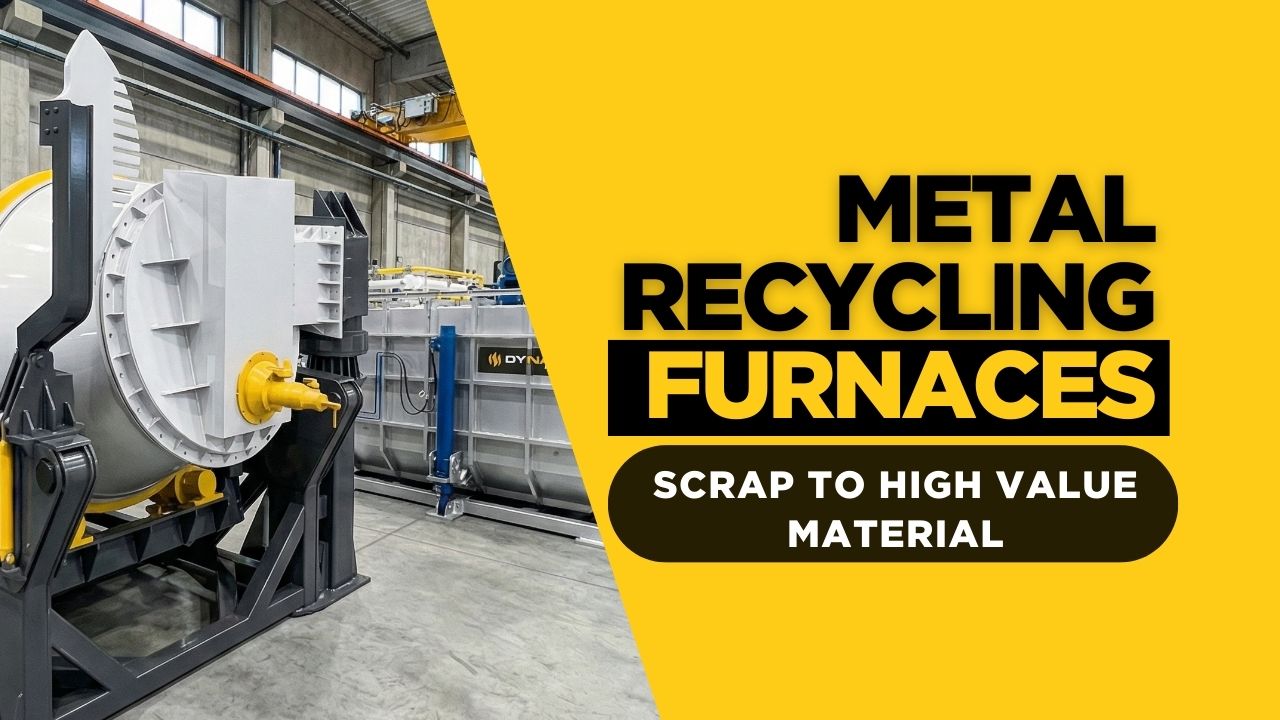
Aluminum Rim Eater Recycling Furnace
GM-P Series
The GM-P Series Aluminum Rim Eater Recycling Furnace is purpose-engineered for breaking down and melting aluminum wheels, rims, and automotive scrap with maximum metal recovery and minimal waste. Designed for recycling centers, secondary smelters, foundries, and scrap processors, this furnace delivers exceptional destruction force, high thermal efficiency, and clean aluminum separation.
Its engineered chamber design allows fast disintegration of aluminum rims, producing recoverable metal suitable for remelting, casting, and alloying. The GM-P Series integrates seamlessly with complete recycling lines—including chip recycling furnaces, chip processing machines, dross recovery systems, ingot/deox recycling machines, and bulk scrap processing equipment—creating a turnkey aluminum recycling ecosystem.
Optimized burners, reinforced refractory lining, and controlled airflow ensure consistent melt quality, reduced oxidation, and reliable long-term performance. Capable of handling rims, wheel scrap, extrusions, cast parts, and mixed aluminum components, the Aluminum Rim Eater Recycling Furnace provides a powerful, cost-efficient solution for operations looking to maximize yield and improve recycling throughput.
TECHNICAL OVERVIEW
The GM‑P Series is engineered specifically for rapid, high‑recovery melting of aluminum automotive wheels, commonly known as rims. These cast wheels contain complex shapes, thick cross‑sections, and oxide layers that require intense, uniform heating to melt efficiently. The GM‑P Series uses a high‑velocity burner system and optimized chamber geometry to deliver deep heat penetration, allowing rims to melt quickly while minimizing oxidation and metal loss. Its rugged construction and refractory lining withstand the abrasive nature of wheel scrap, ensuring long service life and stable thermal performance. For recycling operations seeking maximum yield from aluminum wheels, the GM‑P Series provides a reliable, high‑throughput solution.
Aluminum wheels behave differently from general scrap due to their mass, density, and casting structure, which can slow melting and increase oxidation in conventional furnaces. The GM‑P Series is purpose‑built to handle rims efficiently by delivering concentrated heat, controlled turbulence, and optimized airflow patterns that accelerate melting without excessive dross formation. Its charging system accommodates full wheels or broken rim sections, and the furnace’s combustion profile is tuned to maintain stable melt conditions even with heavy, irregular scrap loads. Facilities that process large volumes of rims benefit from faster cycle times, higher recovery rates, and lower operating costs compared to using a standard melting furnace.
The GM‑P Series combines high‑intensity combustion with durable mechanical design to deliver consistent, high‑yield rim recycling performance. Its gas‑fired burner system provides rapid heat transfer, while the refractory‑lined chamber withstands the thermal mass and abrasive edges of aluminum wheels. Optional features include hydraulic or mechanical charging systems, integrated metal tapping, combustion‑control automation, and exhaust‑treatment interfaces. The furnace’s design minimizes metal loss, reduces energy consumption, and supports continuous or batch melting workflows. With its ability to process rims quickly and efficiently, the GM‑P Series is a valuable asset for scrap processors, secondary aluminum producers, and automotive recycling facilities.
Applications For The GM-P Series Aluminum Rim Eater Recycling Furnace
The GM‑P Series is engineered specifically for melting full aluminum wheels, which have thick cross‑sections and complex shapes that require deep, uniform heat penetration. Its high‑velocity burner system rapidly heats rims from all sides, allowing them to collapse and melt efficiently with minimal oxidation. This application is essential for scrap processors and secondary aluminum producers seeking maximum metal yield from wheel scrap.
Many recycling operations pre‑cut or break rims into smaller sections to improve handling. The GM‑P Series accommodates both full wheels and broken rim pieces, delivering consistent thermal exposure that melts irregular shapes quickly and cleanly. The furnace’s chamber geometry and refractory lining are designed to withstand the abrasive edges of cut rims while maintaining stable melting performance.
Automotive wheels often contain paint, clear‑coat, powder‑coat, or light contamination from road use. The GM‑P Series provides the agitation and thermal intensity needed to break down coatings and release trapped aluminum. Its combustion profile minimizes oxidation during coating burn‑off, ensuring that metal recovery remains high even when processing coated or lightly contaminated rims.
Automotive dismantlers and scrap yards generate large volumes of aluminum wheels that must be processed quickly to maintain workflow efficiency. The GM‑P Series supports high‑throughput melting cycles, allowing operators to charge multiple rims per batch and achieve rapid turnaround. This application reduces storage requirements, increases recycling capacity, and improves overall scrap‑yard profitability.
Secondary aluminum smelters often purchase large quantities of rims as a high‑value scrap source. The GM‑P Series allows these facilities to melt rims on‑site with high recovery efficiency, producing clean molten aluminum suitable for alloying or casting. This reduces reliance on external processors and improves control over melt chemistry and production scheduling.
Aluminum wheels are significantly heavier and denser than typical scrap, making them difficult to melt efficiently in conventional furnaces. The GM‑P Series delivers the concentrated heat and controlled turbulence required to melt thick‑section scrap without excessive dross formation. This application is ideal for operations that routinely process heavy cast components.
The GM‑P Series can be paired with hydraulic lifters, mechanical loaders, conveyors, or automated charging systems designed for wheel scrap. This integration reduces manual handling, improves operator safety, and ensures consistent charging cycles. Automated feeding also supports continuous melting workflows for high‑volume recycling lines.
The GM‑P Series produces molten aluminum with low oxidation and minimal contamination, making it suitable for downstream alloying, filtration, and casting. Recovered metal can be transferred directly to holding furnaces or casting lines, supporting closed‑loop recycling and improving melt‑shop efficiency. This application is valuable for facilities that require predictable melt quality from recycled feedstock.
Frequently Asked Questions About The GM-P Series Aluminum Rim Eater Recycling Furnace
The GM‑P Series is engineered specifically for the heavy, thick‑section geometry of aluminum wheels, which require deep, uniform heat penetration to melt efficiently. Its high‑velocity burner system delivers concentrated thermal energy that rapidly collapses and melts rims while minimizing oxidation and metal loss. This results in higher recovery rates, faster cycle times, and cleaner molten aluminum compared to using a general‑purpose scrap furnace.
Yes. Automotive wheels typically contain paint, powder‑coat, clear‑coat, or light road contamination. The GM‑P Series provides the thermal intensity and controlled combustion needed to break down coatings and release trapped aluminum without excessive dross formation. Its refractory‑lined chamber and optimized airflow patterns maintain stable melting conditions even when processing coated or lightly contaminated rims.
The GM‑P Series is designed for high‑volume rim recycling, allowing operators to charge multiple wheels per batch and achieve rapid melting cycles. Its burner configuration ensures consistent heat distribution across the entire load, reducing melt time and increasing daily throughput. Optional automated charging systems further streamline workflow, reduce labor requirements, and support continuous melting operations.
The GM‑P Series can melt full automotive wheels, broken rim sections, cut wheels, and mixed wheel scrap. Its chamber geometry accommodates irregular shapes and heavy cast components, while the furnace’s robust refractory lining withstands the abrasive edges of wheel scrap. This versatility makes it suitable for scrap yards, dismantlers, secondary smelters, and automotive recycling facilities.
Yes. The GM‑P Series aluminum rim‑eater recycling furnace is supplied throughout the United States, Canada, and Mexico. Automotive recyclers, scrap processors, and secondary aluminum producers rely on this system for high‑yield wheel recycling, reduced waste, and efficient on‑site melting. Units can be configured with different burner capacities, charging systems, and automation options to meet specific production requirements.
RELATED PROJECTS & POSTS
Industrial Metal Recycling & Furnace Applications
Explores how industrial furnaces support large‑scale recycling operations, the unique challenges of processing different scrap types, and the technologies that enable efficient, high‑quality metal recovery.
Chip Melting Furnaces in Aluminum Recycling
Read our article about the role of chip melting furnaces in aluminum recycling across various industries
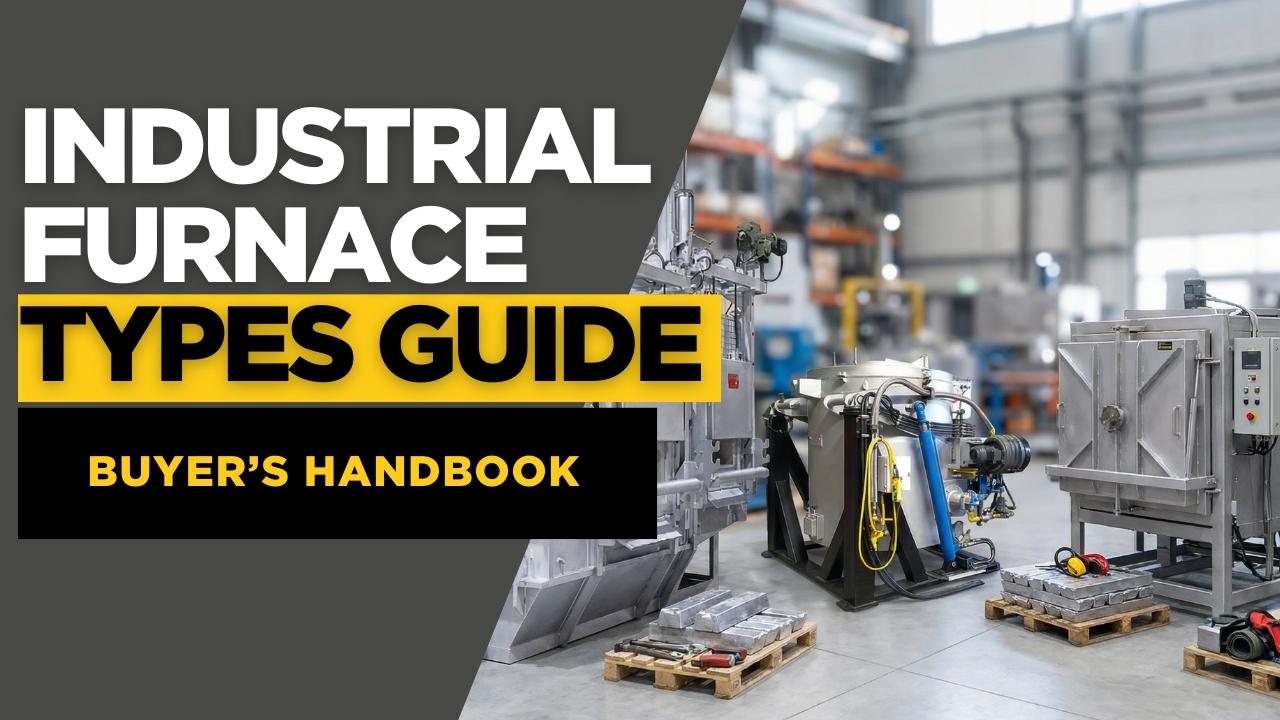
Industrial Furnace Types Guide: A Buyer’s Handbook
Read our guide on selecting the right Industrial furnace type to learn about the major furnace categories used across industry, how each system works, where it excels, and how to evaluate it for your operation.
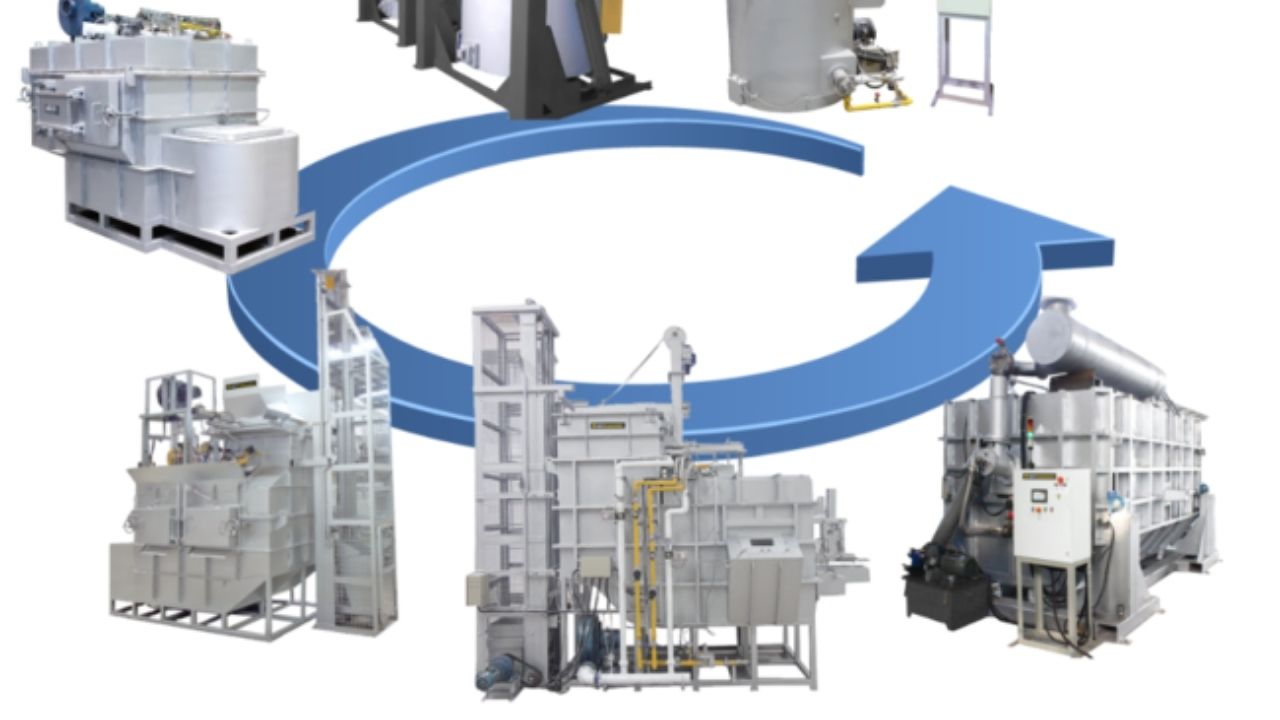
Selecting The Right Aluminum Furnace
To maximize the output of your production, the right selection of the aluminum furnace is important. Read our post in this field and become an expert in furnace picking.
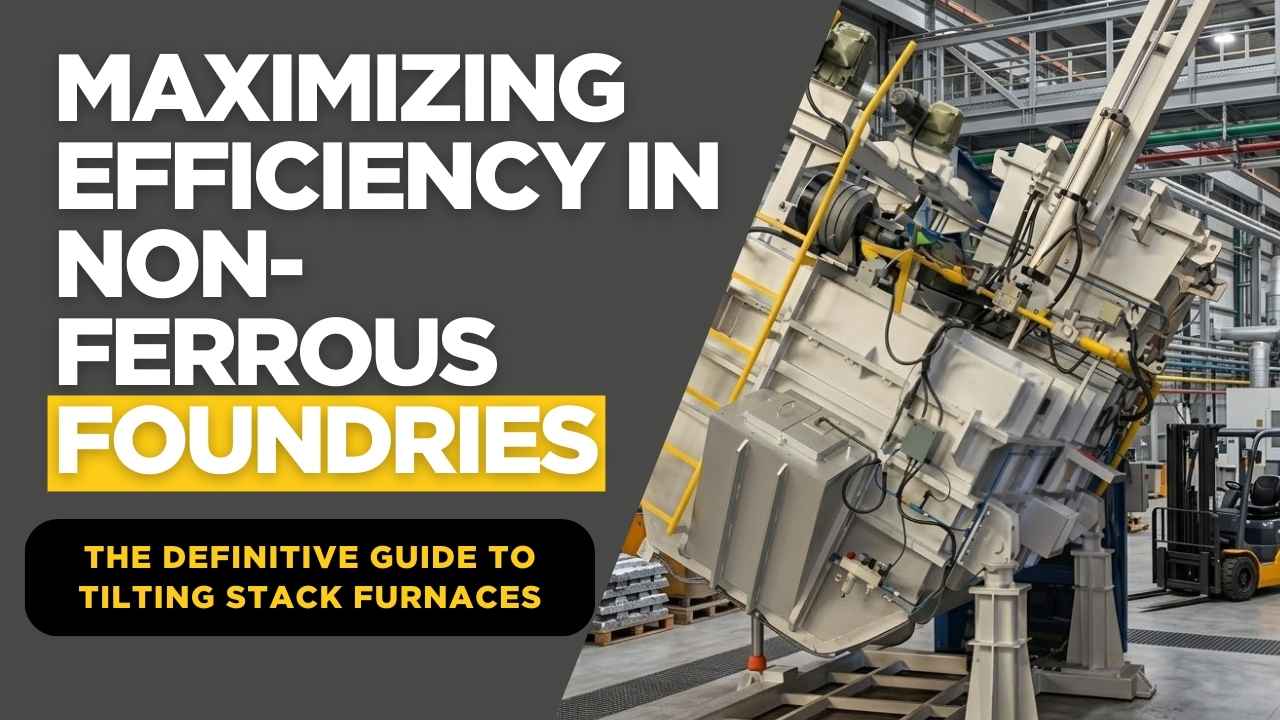
Tilting Furnaces: Maximizing Efficiency in Non-Ferrous Foundries
At Dynamo Furnaces, we specialize in engineering thermal solutions that tackle the industry’s biggest challenges: rising energy costs, metal oxidation, and operator safety. Understanding the applications and advantages of stack technology is critical to increase your foundry efficiency.
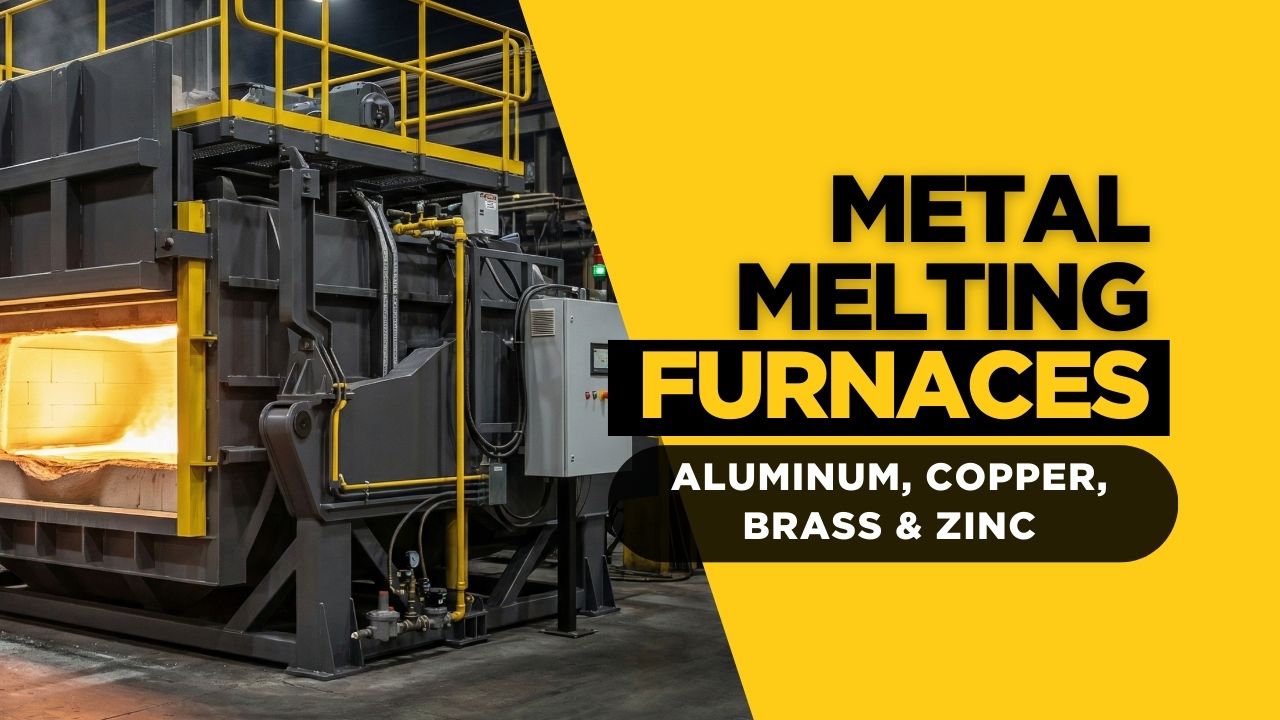
Metal Melting Furnaces: A Complete Technical Guide
Metal melting is one of the most energy‑intensive and technically demanding operations in manufacturing. This guide on metal melting furnaces explores the major furnace technologies used for non‑ferrous melting, explaining how each system works, where it excels, and how to evaluate it for your application.