COPPER GAS - TILTING CRUCIBLE
MELTING FURNACES
GM-B-BRS SERIES
Our GM-B-BRS Series gas tilting crucible melting furnace is designed for melting copper, brass, bronze and brass, and other higher heat non-ferrous metals. This series features a hydraulic tilting system that reduces operator fatigue and increases pouring speed and productivity. This furnace offers excellent efficiency and uniform melting and holding. The lining in this furnace is heavier and thicker to handle the higher heat and to keep the exterior comfortable to touch. Like all our Dynamo furnaces, the GM-B-BR Series is controlled by a PLC and a color HMI touch screen which optimizes performance, operation and efficiency.
TECHNICAL OVERVIEW
The GM‑B‑BRS Series is engineered specifically for melting copper and copper‑based alloys such as brass, bronze, and gunmetal. Its crucible‑based design provides a clean, controlled melting environment that protects the metal from direct flame contact, reducing oxidation and minimizing gas pickup — two critical factors in copper metallurgy. The integrated tilting mechanism allows smooth, precise metal pouring directly into ladles or molds, ensuring low‑turbulence transfer and superior casting quality. With high‑efficiency gas burners, durable refractory insulation, and a reinforced steel shell, the GM‑B‑BRS Series delivers stable temperature control, fast melting rates, and long crucible life. This makes it an ideal solution for foundries, brass shops, and copper‑alloy casting facilities that demand clean metal, consistent performance, and safe, ergonomic operation.
Copper and copper alloys are highly sensitive to oxidation, gas absorption, and contamination — making crucible melting the preferred method for achieving clean, high‑quality molten metal. The GM‑B‑BRS Series enhances these advantages with a tilting mechanism that eliminates manual crucible lifting and reduces operator exposure to heat and splash hazards. Unlike stationary crucible furnaces, the tilting design allows controlled, low‑turbulence pouring, which helps prevent oxide entrainment and improves casting integrity. Compared to open‑flame systems, the crucible isolates the melt from combustion gases, reducing hydrogen pickup and improving metallurgical cleanliness. For facilities that require precise temperature control, clean metal, and safe handling of copper alloys, a tilting crucible furnace offers a superior combination of performance, safety, and melt quality.
The GM‑B‑BRS Series is built for durability, efficiency, and metallurgical precision. It features a high‑quality graphite or silicon‑carbide crucible designed to withstand the elevated temperatures required for copper melting. The furnace’s high‑efficiency gas burner system ensures fast heat‑up and stable temperature control, while thick refractory insulation maximizes thermal retention and reduces fuel consumption. The tilting mechanism provides smooth, controlled metal discharge, improving casting quality and reducing operator fatigue. Additional features — such as closed‑door melting, optional temperature controllers, and safety interlocks — enhance operational reliability. With its compact footprint, low maintenance requirements, and clean melting performance, the GM‑B‑BRS Series is a dependable solution for copper foundries, brass casting shops, and industrial facilities producing copper‑alloy components.
| Item | US Standard (Cu) | Metric Standard (Cu) | ||
| Model | Holding | Melting/h * | Holding | Melting/h * |
| GM-B-BRS-1450 | 1450 lb | 432 lb | 665 kg | 200 kg |
| GM-B-BRS-1600 | 1600 lb | 648 lb | 730 kg | 300 kg |
| GM-B-BRS-1825 | 1825 lb | 731 lb | 830 kg | 332 kg |
| GM-B-BRS-2550 | 2550 lb | 1097 lb | 1160 kg | 498 kg |
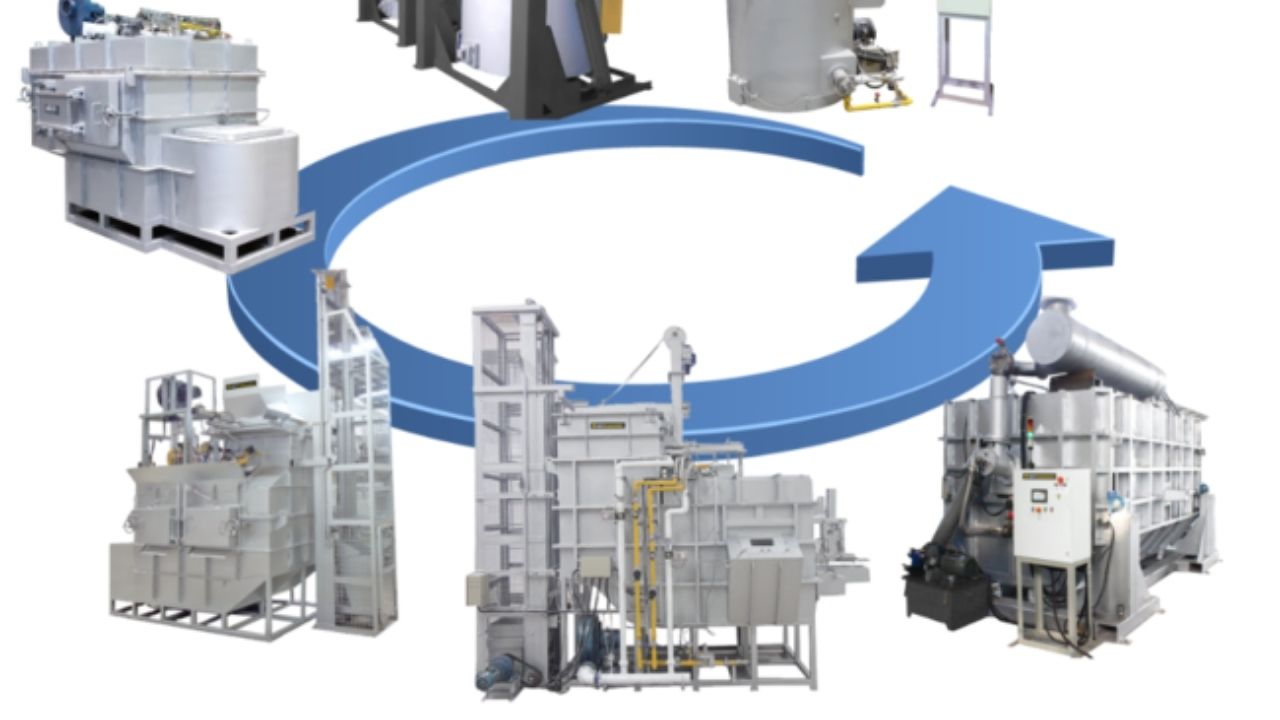
Applications For The GM-B-BRS Series Copper Tilting Crucible Melting Furnace
The GM‑B‑BRS Series is engineered for clean, controlled melting of copper and copper‑based alloys such as brass, bronze, and gunmetal. The crucible isolates the molten metal from direct flame contact, reducing oxidation, hydrogen pickup, and contamination — all critical factors in copper metallurgy. This makes the furnace ideal for foundries and casting shops that require high‑purity molten metal for demanding applications, including plumbing components, electrical hardware, and precision bronze castings.
The integrated tilting mechanism provides smooth, low‑turbulence metal pouring directly into ladles or molds. This is especially important for copper alloys, which are prone to oxide entrainment and gas absorption if poured too aggressively. The GM‑B‑BRS Series ensures controlled metal flow, improving casting integrity and reducing defects such as porosity, inclusions, and surface oxidation. It is an excellent fit for sand casting, investment casting, permanent‑mold casting, and specialty bronze casting operations.
Brass and bronze foundries rely on consistent melt quality and stable temperature control to produce dimensionally accurate, defect‑free castings. The GM‑B‑BRS Series delivers a reliable molten metal supply with fast heat‑up times and excellent thermal stability. Its crucible‑based design minimizes oxidation and maintains alloy integrity, making it ideal for foundries producing valves, fittings, bushings, bearings, sculptures, and architectural hardware.
Copper alloys require precise control during alloying and melt treatment to achieve the correct composition and mechanical properties. The GM‑B‑BRS Series provides a stable, low‑turbulence environment for adding alloying elements, performing fluxing, and maintaining tight temperature tolerances. The crucible protects the melt from excessive oxidation, ensuring uniform alloy composition and improved metallurgical consistency — essential for high‑performance brass and bronze components.
The GM‑B‑BRS Series is ideal for small‑batch production, prototyping, and specialty casting operations that require clean molten copper in controlled quantities. Its compact footprint, fast melting capability, and precise temperature control make it suitable for artisan bronze foundries, custom brass casting shops, R&D labs, and short‑run manufacturing environments. Facilities benefit from lower operating costs, reduced metal loss, and the ability to melt small batches without the overhead of a large industrial furnace.
The GM‑B‑BRS Series efficiently melts a wide range of copper feedstock, including cathode, ingots, chopped scrap, sprues, runners, and recycled copper alloys. The crucible design ensures uniform heat transfer and stable melting performance, even with varying charge sizes. Because the melt is protected from direct flame contact, oxidation is minimized and metal quality remains consistent. This makes the furnace suitable for operations that rely on both primary and secondary copper sources.
Copper melting requires higher temperatures than aluminum, making energy efficiency a critical factor. The GM‑B‑BRS Series uses high‑efficiency gas burners and thick refractory insulation to maximize thermal retention and reduce fuel consumption. The closed‑door melting process further improves efficiency by maintaining a stable internal environment. This makes the furnace a strong fit for cost‑sensitive operations seeking to reduce energy expenses while maintaining high melt quality.
Tilting crucible furnaces significantly improve operator safety by eliminating the need for manual crucible lifting or hand‑ladling — a major advantage when working with high‑temperature copper alloys. The GM‑B‑BRS Series allows operators to tilt the furnace smoothly and safely using mechanical or hydraulic controls, reducing physical strain and minimizing the risk of spills or splash incidents. This makes it ideal for small foundry teams, training environments, and facilities with strict safety requirements.
Frequently Asked Questions About The GM-B-BRS Series Copper Tilting Crucible Melting Furnace
Copper and copper alloys are extremely sensitive to oxidation, hydrogen pickup, and contamination. The GM‑B‑BRS Series addresses these challenges by keeping the molten metal inside a graphite or silicon‑carbide crucible, protecting it from direct flame contact and combustion gases. This significantly reduces oxidation and improves metallurgical cleanliness. The tilting mechanism provides smooth, controlled pouring, minimizing turbulence — a critical factor for preventing oxide entrainment in brass and bronze castings. For foundries that require clean, high‑quality molten copper, a tilting crucible furnace offers superior melt control, safety, and casting consistency.
The GM‑B‑BRS Series is engineered to melt a wide range of copper‑based materials, including cathode copper, ingots, chopped scrap, sprues, runners, brass scrap, bronze scrap, and recycled copper alloys. Its high‑efficiency burner system and durable crucible materials ensure uniform heat transfer and stable melting performance, even with varying charge sizes. Because the crucible isolates the melt from direct flame contact, oxidation is minimized and alloy integrity is preserved. This makes the furnace suitable for both primary and secondary copper‑alloy melting operations.
Copper alloys oxidize rapidly at high temperatures, making melt protection essential. The GM‑B‑BRS Series uses a closed‑door melting process and optimized burner placement to maintain a stable, low‑oxygen environment. The crucible acts as a protective barrier, preventing direct exposure to combustion gases and reducing hydrogen absorption — a common cause of porosity in copper castings. The tilting mechanism ensures smooth, low‑turbulence metal discharge, preventing oxide films from being drawn into the casting stream. These features allow the furnace to consistently produce clean, high‑quality molten copper suitable for demanding casting applications.
Yes — the GM‑B‑BRS Series is designed for continuous melting in small and medium‑scale copper and brass foundries. Its efficient burner system, robust crucible materials, and thick refractory insulation support long operating cycles with stable temperature control. While crucible furnaces are typically used for lower‑volume applications compared to large reverberatory systems, the GM‑B‑BRS Series provides reliable, repeatable performance for sand casting, investment casting, permanent‑mold casting, and specialty bronze casting operations that require consistent melt quality throughout the shift.
Yes — GM‑B‑BRS Series copper tilting crucible melting furnaces are available throughout the United States, Canada, and Mexico. Copper foundries, brass casting shops, and industrial manufacturers rely on these furnaces for clean melting, safe metal handling, and consistent temperature control. Regional availability ensures faster delivery, dependable technical support, and access to replacement parts. Units can be configured with various crucible sizes, burner systems, and automation options to meet specific production requirements.
RELATED PROJECTS & POSTS
Selecting The Right Aluminum Furnace
To maximize the output of your production, the right selection of the aluminum furnace is important. Read our post in this field and become an expert in furnace picking.
Energy Efficiency & Environmental Impact of Industrial Furnaces
Explore the technologies, strategies, and operational practices that help facilities reduce energy consumption, comply with environmental regulations, and operate more sustainably.
Metal Melting Furnaces: A Complete Technical Guide
Metal melting is one of the most energy‑intensive and technically demanding operations in manufacturing. This guide on metal melting furnaces explores the major furnace technologies used for non‑ferrous melting, explaining how each system works, where it excels, and how to evaluate it for your application.
Industrial Furnace Types Guide: A Buyer’s Handbook
Read our guide on selecting the right Industrial furnace type to learn about the major furnace categories used across industry, how each system works, where it excels, and how to evaluate it for your operation.
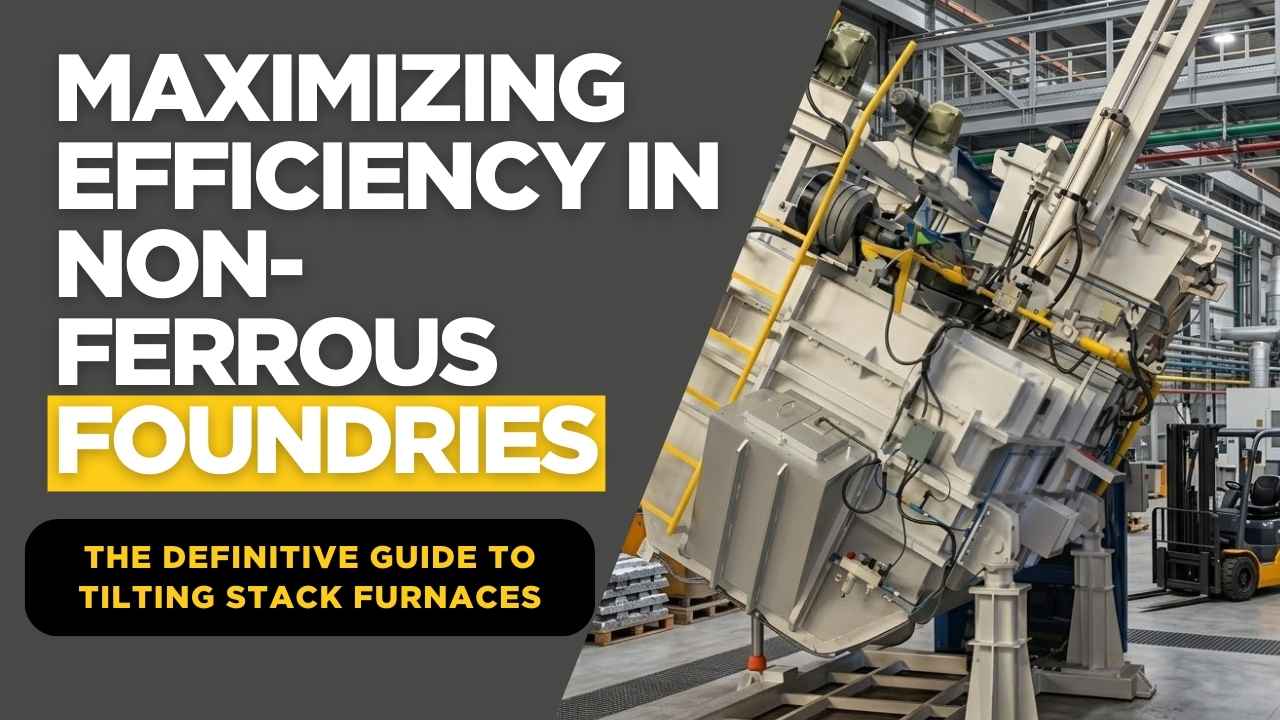
Tilting Furnaces: Maximizing Efficiency in Non-Ferrous Foundries
At Dynamo Furnaces, we specialize in engineering thermal solutions that tackle the industry’s biggest challenges: rising energy costs, metal oxidation, and operator safety. Understanding the applications and advantages of stack technology is critical to increase your foundry efficiency.