Case Study, Industry

Engineering, and Assembly of the EM‑A‑3300 Electric Aluminum Crucible Melting Furnace for Foundry in Pennsylvania

Engineering and Assembly of the EM‑A‑3300 Electric Aluminum Crucible Melting Furnace for Foundry in Pennsylvania

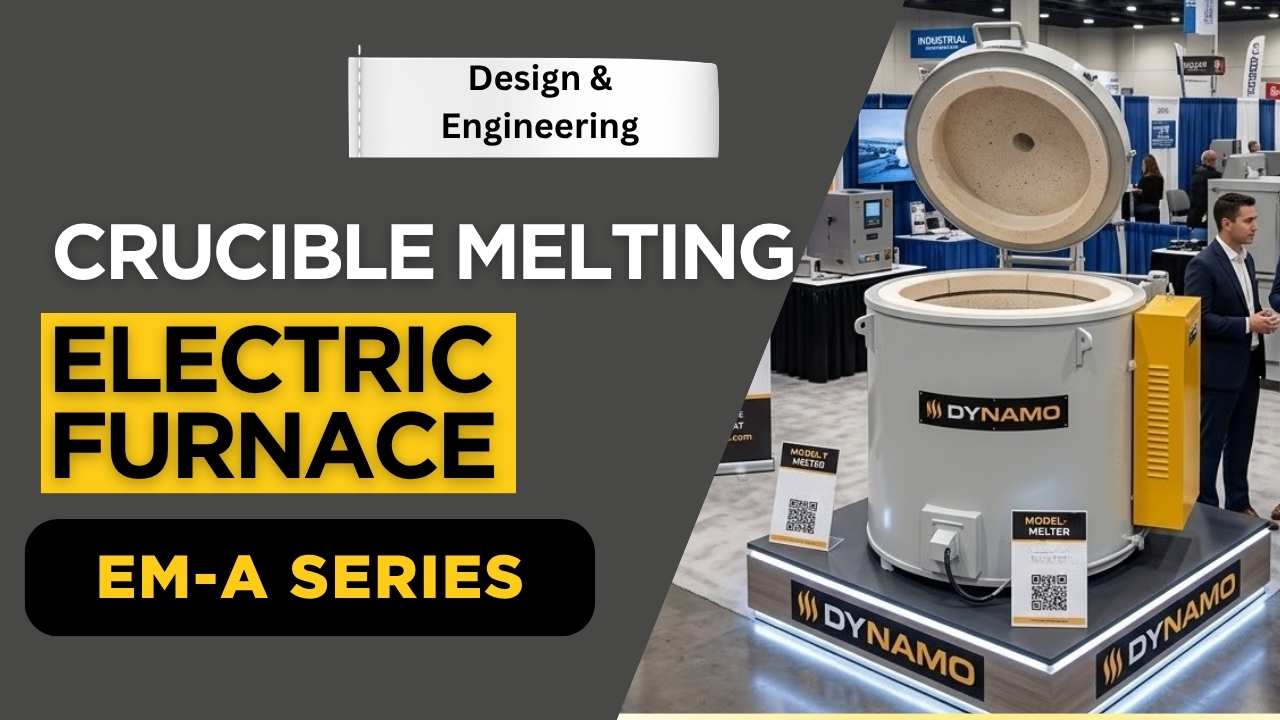
The story of the EM‑A‑3300 Electric Aluminum Crucible Melting Furnace began when a long‑established foundry in Pennsylvania reached out to us with a problem that had been quietly eroding their productivity. Their operation relied heavily on aluminum melting for casting automotive components, architectural hardware, and custom aluminum parts. But their existing electric furnace—installed more than a decade ago—was no longer keeping pace with their production schedule. Melt times were inconsistent, energy consumption was rising, and the furnace required frequent maintenance shutdowns that disrupted their casting workflow.

They discovered us while researching electric aluminum melting furnaces, specifically looking for a high‑efficiency electric crucible melting system that could deliver stable temperature control, low oxidation, and predictable melt quality. Our EM‑A Series Electric Aluminum Crucible Melting Furnaces stood out because they were engineered for continuous melting, clean molten aluminum, and long crucible life, all while offering the energy efficiency and operational stability that electric furnaces are known for.

Their first message was direct and urgent: “We need a reliable electric aluminum melting furnace that can run every day without the downtime we’re experiencing now.”

That inquiry marked the beginning of the EM‑A‑3300 project.

Introducing the EM‑A‑3300 — Electric Aluminum Crucible Melting Furnace

The EM‑A‑3300, part of the EM‑A Series, is a fully electric aluminum melting furnace engineered for:

  • Aluminum melting

  • Aluminum holding

  • Continuous melting cycles

  • Low‑oxidation melting environments

  • Stable temperature control

  • High energy efficiency

  • Long crucible life

  • Clean molten aluminum for casting


This furnace is ideal for foundries, die‑casting plants, aluminum casting shops, and recycling facilities that require consistent molten aluminum quality with minimal dross formation. Its electric heating elements, insulated refractory chamber, and precision temperature control system make it a dependable solution for operations that prioritize energy efficiency and metallurgical cleanliness.

For the Pennsylvania foundry, the EM‑A‑3300 represented a major upgrade—an opportunity to stabilize their melt quality, reduce energy costs, and eliminate the downtime that had been slowing their production for years.

Get A Free Quote Now

    Understanding Their Application — The Consultation Phase

    Once the Pennsylvania foundry confirmed their interest, our engineering team scheduled a detailed consultation. Their operation required a furnace that could melt aluminum quickly, maintain a stable holding temperature during long casting cycles, and operate with minimal operator intervention. Their existing furnace struggled with temperature fluctuations, which caused inconsistent casting quality and increased scrap rates.

    During the consultation, we reviewed their daily melt volume, alloy types, casting schedule, and energy usage. We also evaluated their electrical infrastructure, ventilation system, and floor layout to ensure the EM‑A‑3300 would integrate seamlessly into their melt shop. Their foundry produced a wide range of aluminum castings, so they needed a furnace capable of maintaining alloy purity and minimizing oxidation losses.

    This consultation confirmed that the EM‑A‑3300’s electric crucible melting design, precision temperature control, and high‑efficiency heating elements were the ideal solution for their operation.

    Engineering Review — Designing the Furnace for Their Workflow

    After the order was confirmed, our engineering team began customizing the EM‑A‑3300 to match the foundry’s exact requirements. Although the EM‑A Series follows a standardized design philosophy, every installation is tailored to the customer’s workflow, alloy range, and production schedule.

    The engineering phase included a full thermal analysis of the furnace chamber, ensuring the heating elements would deliver uniform heat distribution around the crucible. We modeled the heating curves for their aluminum alloys, ensuring the furnace could reach melting temperature quickly while maintaining a stable holding temperature during casting.

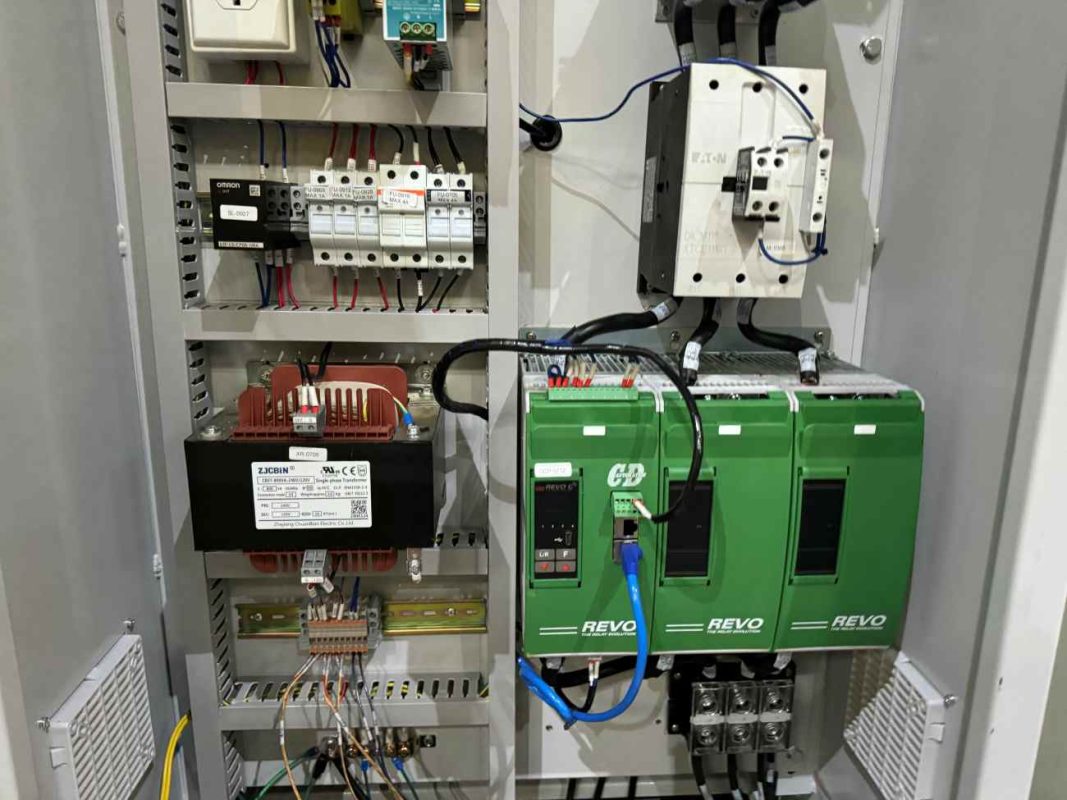
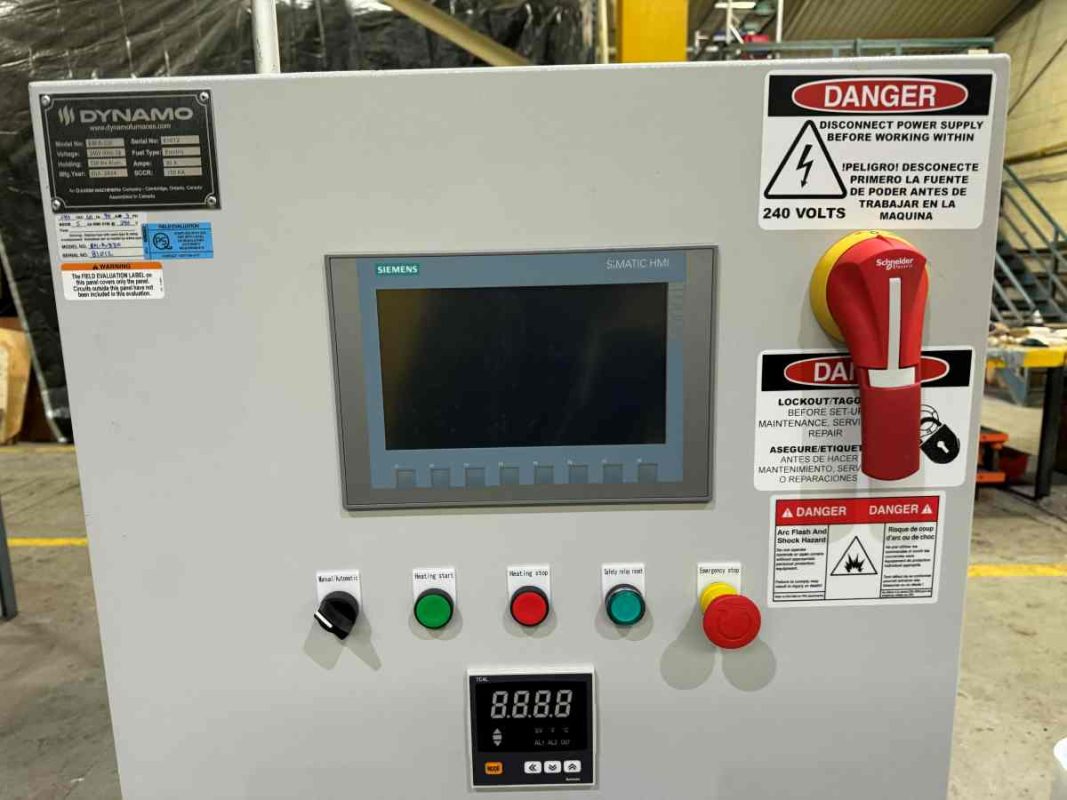
    Our engineers also designed the control system layout, including the PLC logic, HMI screens, temperature controllers, and safety interlocks. The goal was to create a furnace that operators could run confidently with minimal training, while still offering advanced control features for precise metallurgical management.

    Mechanical engineering focused on the furnace shell, insulation layers, refractory lining, and crucible support system. Every component was designed for durability, thermal efficiency, and ease of maintenance.

    Throughout this phase, we exchanged drawings, 3D models, and layout proposals with the foundry’s engineering team. Adjustments were made to accommodate their electrical supply, ventilation system, and material flow patterns. By the end of engineering, the EM‑A‑3300 had evolved into a fully customized melting system built specifically for their operation.

    Design Engineering - Crucible electric melting furnace - Dynamo - 01
    Design Engineering - Crucible electric melting furnace - Dynamo - 02

    Fabrication — Building the EM‑A‑3300 from the Ground Up

    With engineering finalized, fabrication began. The furnace shell was constructed from high‑strength steel, welded and reinforced to withstand years of thermal cycling. The refractory lining was installed in multiple layers, each selected for its thermal insulation properties and resistance to aluminum corrosion. The heating elements were mounted with precision spacing to ensure uniform heat distribution around the crucible.

    The control panel was assembled with industrial‑grade components, wired to the PLC, and programmed with the temperature control logic developed during engineering. Safety devices, thermocouples, and sensors were installed and tested individually.

    By the time fabrication was complete, the EM‑A‑3300 had taken shape as a fully engineered electric aluminum melting furnace—ready for final assembly.

    Assembly — Integrating All Systems into a Complete Furnace

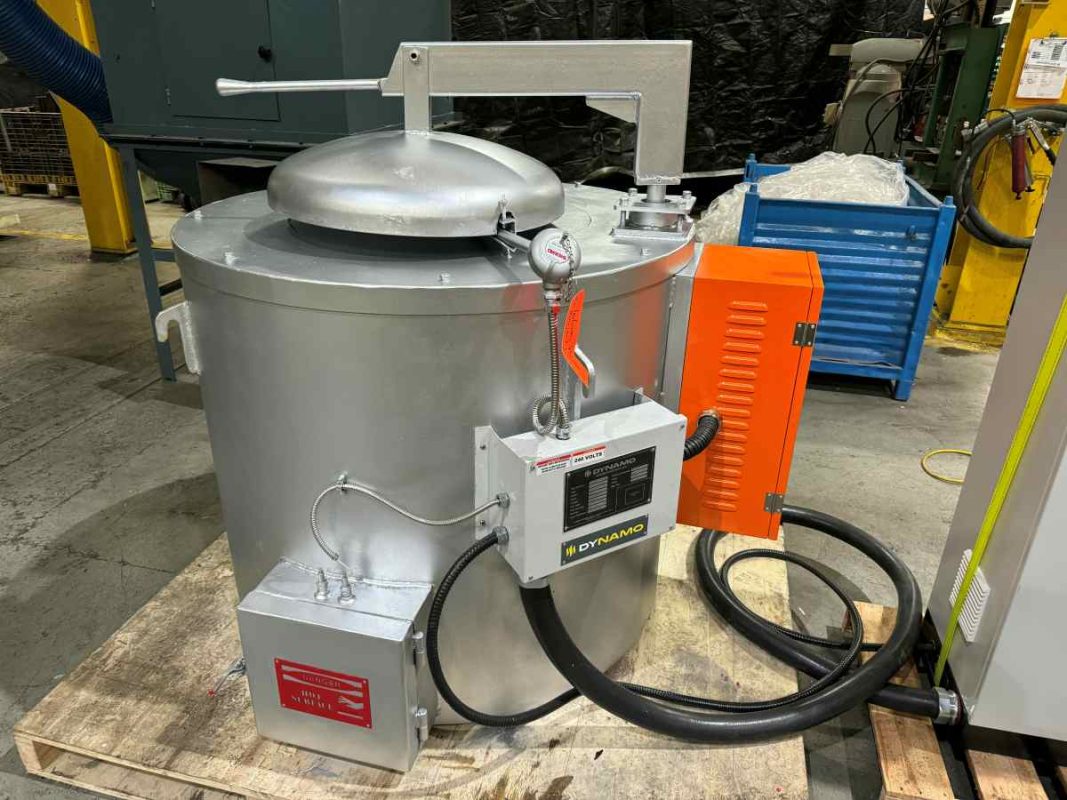
    During assembly, the furnace shell, refractory lining, heating elements, control panel, and crucible support system were integrated into a complete melting system. The heating elements were connected to the power supply, the thermocouples were calibrated, and the control panel was mounted and wired.

    The furnace was inspected for structural integrity, electrical continuity, and safety compliance. Every component was verified to ensure the furnace would perform reliably once installed in Pennsylvania.

    By the end of assembly, the EM‑A‑3300 stood as a fully built electric aluminum crucible melting furnace—ready for testing, pre‑commissioning, and shipment.

    Design Engineering - Crucible electric melting furnace - Dynamo - 04

    Summary

    Phase 1 captures the complete journey—from the moment the Pennsylvania foundry discovered us, to the engineering, fabrication, and assembly of their EM‑A‑3300 Electric Aluminum Crucible Melting Furnace. This phase establishes the foundation for:

    • Phase 2 — Testing and Pre‑Commissioning

    • Phase 3 — Shipping, Installation, Commissioning, and First Melts

    Let Us Make Your Next Furnace

    Dip-Out-Electic-Square-

    For virtually every production scenario, we have a dedicated type of high capacity furnace.  Be it a crucible furnace or a large tower melting furnace - we have a solution for you. 

    To experience a smooth journey from filling the information request form to having your order delivered at your factory, visit our products page.

    For More Information About This Machine

    For More Information About Other Furnaces