

Blog
Steel Melting Pots: Types, Applications, and How to Choose the Right System

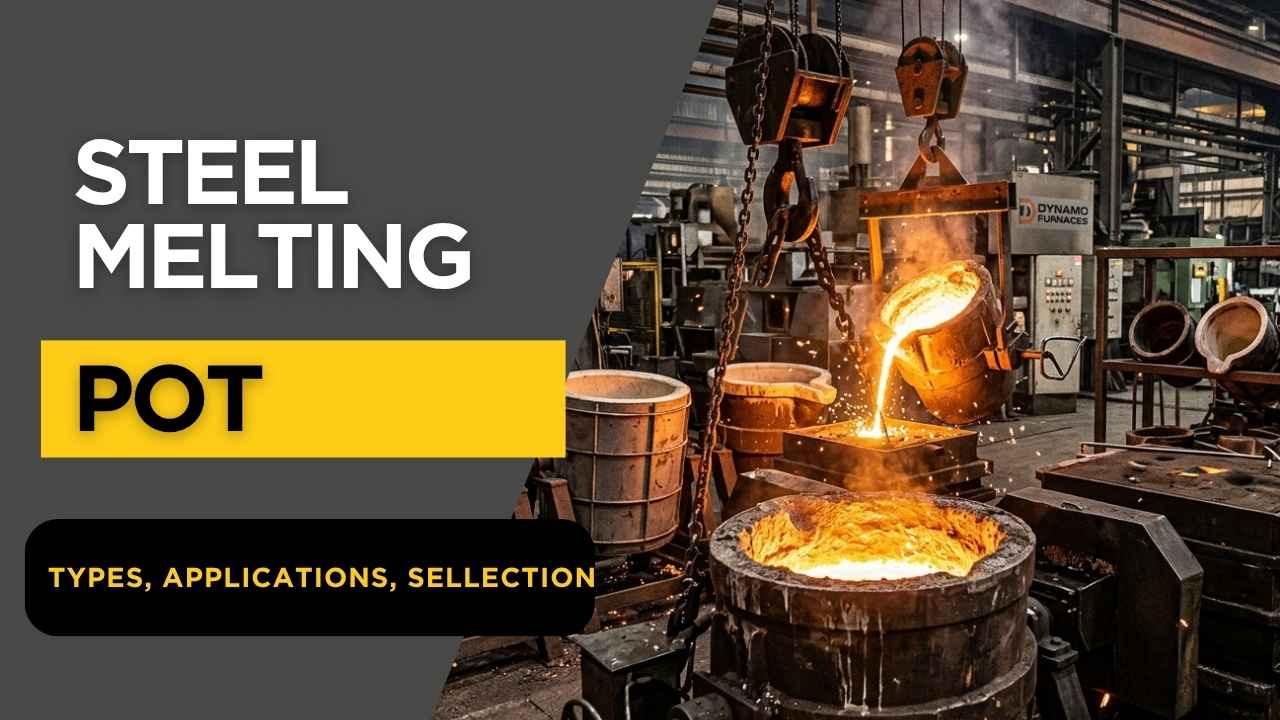
Introduction: Why Steel Melting Pots Remain Essential in Modern Metalworking
Steel melting is one of the oldest industrial processes, yet it remains at the heart of modern manufacturing. From foundries producing cast components to machine shops recycling scrap steel, the need for reliable, efficient melting systems has never been greater. Despite advances in automation and alloy engineering, the fundamentals of melting steel have not changed: the metal must be heated to a precise temperature, held consistently, and poured safely into molds or processing equipment.
The term “steel melting pot” is often used broadly, but in industrial settings it refers to a specific class of furnaces and crucible systems designed to withstand extreme temperatures and harsh operating conditions. These systems must deliver uniform heat, maintain structural integrity, and support continuous or batch operations depending on production needs. Choosing the right melting pot or furnace is critical for efficiency, product quality, and long‑term operational reliability.
This guide explores how steel melting pots work, the types available, the temperatures involved, and how to select the right system for your facility. It also highlights industrial furnace options that support steel, aluminum, copper, and scrap melting operations.
What a Steel Melting Pot Actually Is
A steel melting pot is a refractory‑lined vessel or crucible designed to hold and melt steel at temperatures exceeding 1,370°C (2,500°F). In industrial environments, these pots are integrated into larger furnace systems that provide the heat source, insulation, and structural support required for safe and efficient melting.
The pot itself must withstand thermal shock, chemical attack from molten steel, and mechanical stress during charging and tapping. Materials such as high‑alumina refractories, graphite, and silicon carbide are commonly used depending on the furnace design and the type of steel being melted.
In many facilities, the melting pot is part of a tilting furnace system that allows operators to pour molten steel directly into molds or ladles. In others, the pot remains stationary while molten metal is extracted using ladles or automated tapping systems.
How Steel Is Melted: Temperature and Process Requirements
Steel melts at approximately 1,370°C to 1,510°C (2,500°F to 2,750°F) depending on its carbon content and alloy composition. Achieving and maintaining these temperatures requires a furnace capable of delivering intense, consistent heat. Gas‑fired furnaces, induction furnaces, and electric resistance furnaces are the most common systems used for steel melting.
The melting process typically begins with charging the furnace with scrap steel, ingots, or billets. As the temperature rises, the steel transitions from solid to liquid, forming a molten bath. Operators must monitor temperature, slag formation, and chemical composition throughout the process. Once the steel reaches the desired temperature and chemistry, it is tapped or poured into molds for casting or further processing.
Facilities that melt steel often also melt aluminum, copper, or mixed scrap. In such cases, having a versatile melting system is essential. For example, the Tilting Stack Melting Furnace provides high‑efficiency melting for aluminum operations, while the Copper Gas Tilting Crucible Furnace copper-gas-tilting-crudible-melting-furnace/ supports copper and brass melting in mixed‑metal facilities.
Types of Steel Melting Pots and Furnace Systems
Although the term “melting pot” is often used generically, industrial steel melting relies on several distinct furnace designs. Each offers advantages depending on production volume, energy source, and material requirements.
Crucible Furnaces
Crucible furnaces use a refractory crucible to contain the molten steel. These systems are ideal for small to medium‑scale operations, specialty alloys, and applications requiring precise control. Crucibles can be heated by gas, electricity, or induction.
Facilities that melt aluminum or copper alongside steel often use crucible furnaces for their versatility. For example, the Aluminum Gas Round Crucible Furnace and the Copper/Brass/Bronze Gas Crucible Furnace provide reliable melting performance for non‑ferrous metals.
Tilting Furnaces
Tilting furnaces allow operators to pour molten steel directly from the furnace into molds or ladles. This reduces handling, improves safety, and increases efficiency. Tilting systems are common in foundries and casting operations.
Dynamo Furnaces offers several tilting furnace designs for aluminum and copper that support facilities with mixed‑metal operations, including the Aluminum Gas Tilting Crucible Furnace and the Tilting Crucible Melting Furnace (Electric) .
Reverberatory Furnaces
Reverberatory furnaces use radiant heat reflected from the roof and walls to melt metal. These systems are ideal for large‑scale melting operations and continuous production environments. While commonly used for aluminum, they can also support steel melting in certain configurations.
The Tilting Reverberatory Melting Furnace is an example of a high‑capacity system used in aluminum foundries.
Electric Resistance Furnaces
Electric furnaces provide clean, consistent heat and are often used for specialty steels or environments requiring low emissions. Electric crucible furnaces are especially popular for precision melting.
Systems such as the Square Crucible Melting Furnace and the Round Crucible Melting Furnace offer reliable performance for non‑ferrous melting and can support facilities that also process steel.
Choosing the Right Steel Melting Pot for Your Operation
Selecting the right melting system depends on several factors, including production volume, energy availability, alloy requirements, and facility layout. Small foundries may prefer crucible furnaces for their flexibility, while large‑scale operations often rely on tilting or reverberatory systems for higher throughput.
Energy source is another major consideration. Gas furnaces offer high melting rates and lower operating costs in many regions, while electric furnaces provide cleaner operation and more precise temperature control. Facilities that melt multiple metals must also consider cross‑contamination risks and may require dedicated furnaces for steel, aluminum, and copper.
If your operation includes aluminum melting alongside steel processing, systems such as the Dry Hearth Melting Furnace or the Reverberatory Melting Furnace can support efficient aluminum melting without interfering with steel operations.
Steel Melting in Recycling and Scrap Processing
Steel melting is not limited to primary production. Many facilities melt scrap steel as part of recycling operations. Scrap melting requires robust furnace systems capable of handling contaminants, variable charge sizes, and fluctuating thermal loads.
Although Dynamo Furnaces specializes in aluminum and copper recycling systems, many of these technologies support facilities that also melt steel. For example, the Aluminum Scrap Rotary Recycling Furnace and the Aluminum Chip & Scrap Melting Furnace are commonly used in mixed‑metal recycling environments.
Conclusion: Steel Melting Pots Are Still the Backbone of Metal Production
Steel melting pots and furnace systems remain essential tools in modern manufacturing. Whether you operate a small foundry, a large casting facility, or a recycling plant, choosing the right melting system directly impacts product quality, energy efficiency, and operational safety. Understanding the differences between crucible furnaces, tilting systems, reverberatory designs, and electric furnaces helps ensure you select equipment that meets your production needs.
If your facility melts aluminum or copper alongside steel, consider exploring high‑efficiency systems such as the Tilting Stack Melting Furnace or the Copper Gas Tilting Crucible Furnace to support consistent, reliable melting operations.
References & Further Reading
Callister, W. D., & Rethwisch, D. G. Materials Science and Engineering: An Introduction.
Wiley. Totten, G. E. Steel Heat Treatment: Metallurgy and Technologies. CRC Press. ASM International.
ASM Handbook, Volume 4: Heat Treating.
Davis, J. R. Metallurgy and Heat Treating of Steel.
ASM International. American Iron and Steel Institute (AISI).
Steel Product Specifications. Engineering Toolbox. “Melting Points of Metals.”
We Make Your Next Melting Furnace
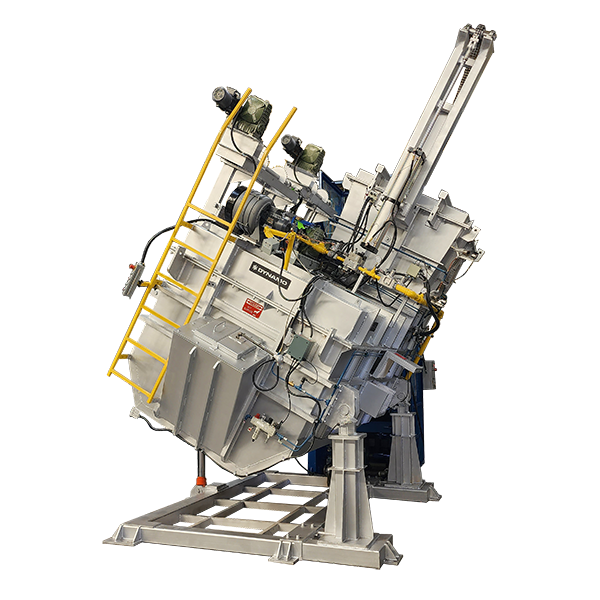
For every production scenario, we have a dedicated type of high-capacity furnace. Be it a crucible furnace or a large tower melting furnace. Dynamo Furnaces provides top foundry solutions across United States, Canada, Mexico, and South America.
To experience a smooth journey from filling the information request form to having your order delivered at your factory, visit our products page.
For related equipment-planning guidance, compare Dynamo’s melting and holding applications by metal and industrial metal melting furnace applications.
For More Information About This Furnace
For More Information About Other Furnaces