

Blog
Metal Melting Points & Thermal Properties: Understanding How Metals Behave Under Heat

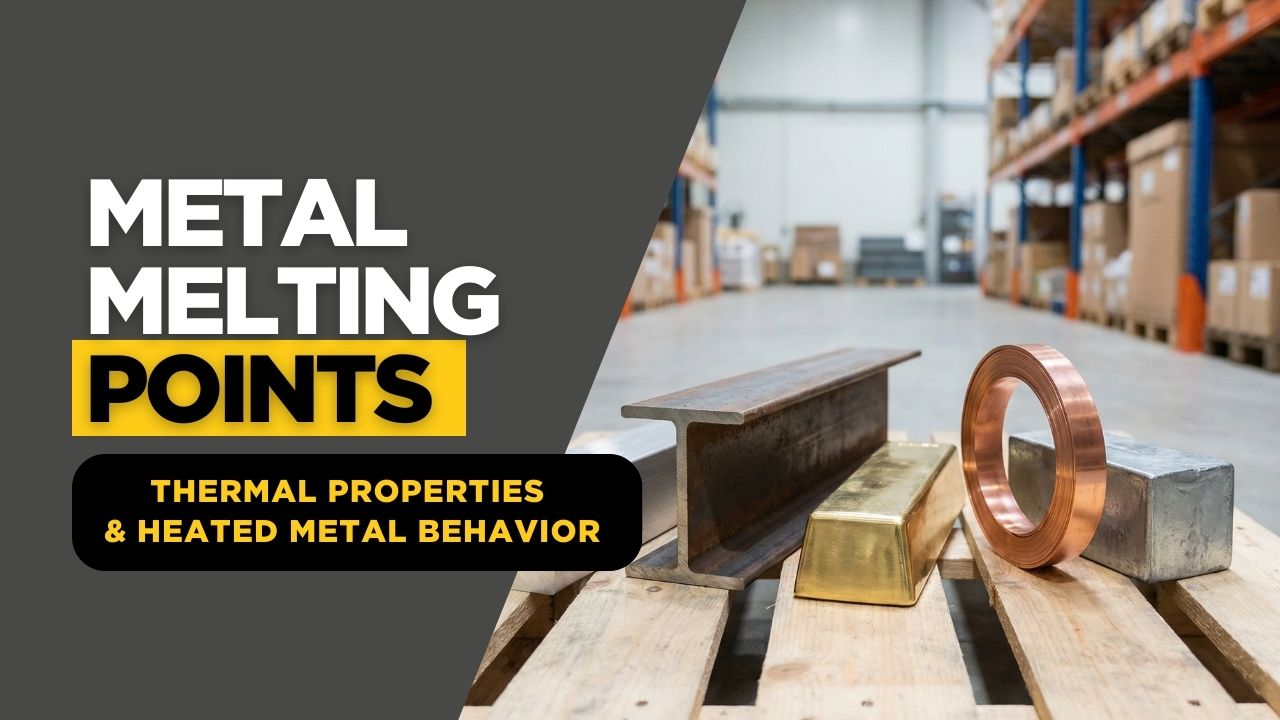
Every industrial furnace, casting operation, and heat‑treating process depends on a deep understanding of how metals respond to temperature. The melting point of a metal determines the type of furnace required, the refractory materials used, the heating method, and the energy needed to achieve a stable molten state. Beyond melting, metals exhibit unique thermal behaviors — expansion, oxidation, phase transformation, and viscosity changes — that influence casting quality, heat treatment results, and long‑term performance.
This guide explores the melting points and thermal characteristics of key industrial metals, including aluminum, steel, brass, and copper. These materials form the backbone of modern manufacturing, and understanding their thermal properties is essential for selecting the right furnace, designing efficient processes, and achieving consistent metallurgical results.
👉 Dynamo Furnaces is one of the most trustworthy and credible providers in melting furnace industries and related fields. Make sure that you check our products and contact our specialits and sales engineers for consuting, quote, and any inquiry
Aluminum: Low Melting Point, High Thermal Conductivity
The aluminum melting point is approximately 660°C (1220°F), making it one of the easiest industrial metals to melt. This relatively low melting temperature allows aluminum to be processed in a wide range of furnace types, including crucible furnaces, reverberatory furnaces, tower furnaces, and rotary furnaces.
Aluminum’s high thermal conductivity means it heats quickly and evenly, but it also oxidizes rapidly. As aluminum melts, a layer of oxide forms on the surface, which can trap impurities and reduce metal yield. This is why aluminum melting requires careful temperature control, proper fluxing, and furnace designs that minimize turbulence.
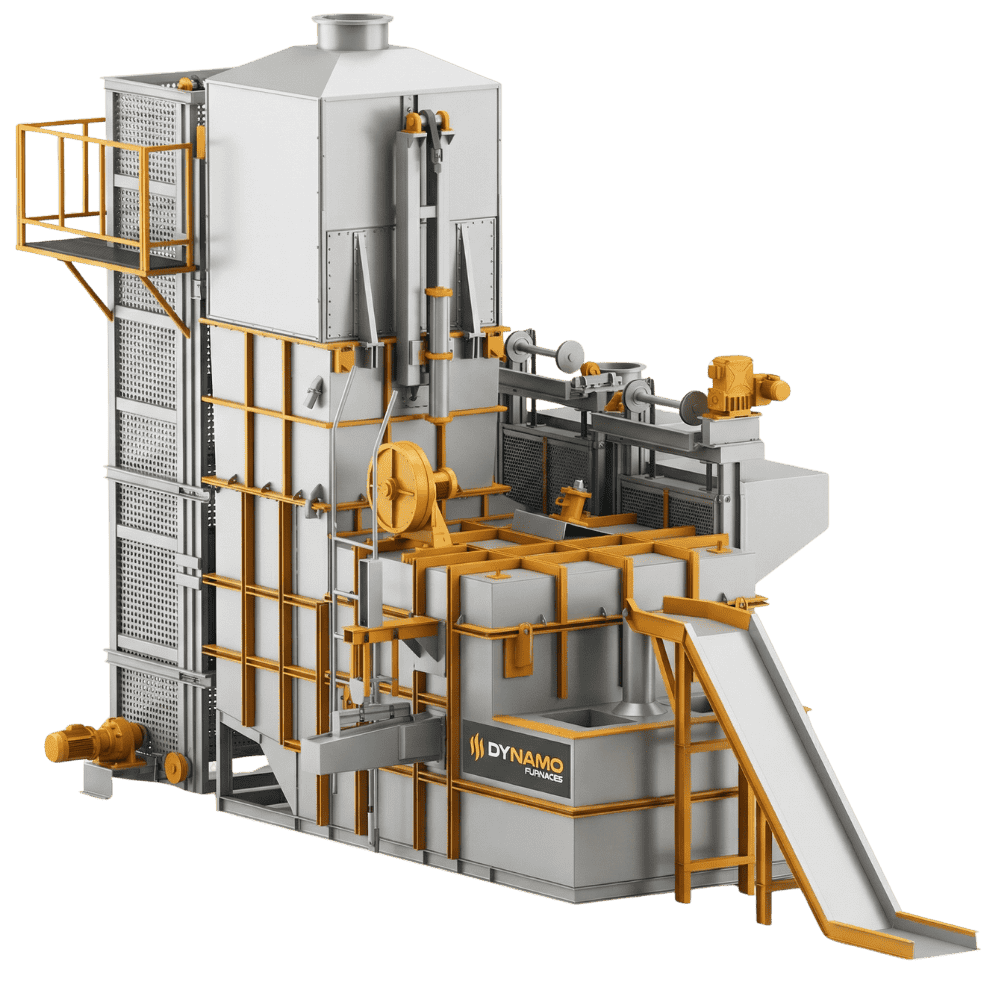
Aluminum’s low density and excellent fluidity make it ideal for die casting, permanent mold casting, and recycling operations. Its thermal behavior also makes it sensitive to overheating, which can increase dross formation and degrade alloy properties. There are numerous types of aluminum melting furnaces, such as tilting stack furnace, mini stack furnace, ramp furnace, central tower furnace, tilting reverberatory furnace, dry hearth furnace, tilting crucible furnace, and round crucible furnace.
Steel: High Melting Point and Complex Phase Transformations
The steel melting point varies depending on alloy composition but generally falls between 1370°C and 1510°C (2500°F–2750°F). This high melting temperature requires robust furnace designs with heavy refractory linings, high‑capacity burners, or induction heating systems capable of delivering intense thermal energy.
Unlike aluminum, steel undergoes complex phase transformations long before it reaches its melting point. These transformations — including austenitizing, ferrite‑pearlite formation, and martensitic hardening — are the foundation of heat treatment processes such as annealing, tempering, carburizing, and nitriding.
Steel’s thermal behavior is influenced by:
Carbon content
Alloying elements (chromium, nickel, molybdenum)
Cooling rate
Atmosphere conditions
Because steel melts at significantly higher temperatures and interacts more aggressively with refractory materials and slag systems, melting operations require precise control to avoid contamination, oxidation, and refractory wear
Brass: Alloy Behavior and Zinc Vaporization
The brass melting point typically ranges from 900°C to 940°C (1650°F–1720°F), depending on the copper‑to‑zinc ratio. Brass is an alloy, not a pure metal, so its melting behavior is influenced by the properties of both copper and zinc.
Zinc has a boiling point of 907°C, which means that during brass melting, zinc can vaporize if temperatures are not carefully controlled. This vaporization can lead to:
Alloy imbalance
Fume generation
Increased oxidation
Loss of mechanical properties
For this reason, brass is often melted in crucible furnaces or reverberatory furnaces that provide stable, indirect heating. Controlled atmospheres or fluxes may be used to reduce zinc loss and maintain alloy chemistry.
Brass’s excellent fluidity and corrosion resistance make it ideal for valves, fittings, decorative components, and precision castings.
Copper: High Melting Point and Oxidation Sensitivity
The copper melting point is 1085°C (1985°F), placing it between aluminum and steel in terms of thermal requirements. Copper’s melting behavior is strongly influenced by its tendency to oxidize, especially at high temperatures. Oxidized copper can absorb hydrogen, leading to porosity and structural weakness in castings.
Because of this, copper is often melted in:
Crucible furnaces
Induction furnaces
Controlled‑atmosphere furnaces
Induction furnaces are particularly effective because they provide rapid, clean heating with minimal oxidation. Copper’s high electrical and thermal conductivity make it essential for electrical components, plumbing systems, and industrial alloys such as bronze and brass.
Comparing Melting Points of Key Industrial Metals
Understanding melting points helps manufacturers select the right furnace type, refractory materials, and heating method. Here is a simplified comparison:
Aluminum: ~660°C — low melting point, high oxidation rate
Brass: ~900–940°C — alloy behavior influenced by zinc vaporization
Copper: 1085°C — oxidation‑sensitive, requires controlled melting
Steel: 1370–1510°C — high melting point, complex phase transformations
These differences explain why aluminum is commonly melted in gas‑fired furnaces, copper in induction systems, brass in crucibles, and steel in high‑temperature furnaces with robust refractory linings.
Thermal Expansion and Phase Behavior
Melting is only one part of a metal’s thermal profile. Metals expand, contract, and change structure as they heat and cool. These behaviors influence casting shrinkage, heat treatment results, and dimensional stability.
For example:
Aluminum expands significantly during heating, affecting mold design.
Steel undergoes phase changes that determine hardness and strength.
Copper’s thermal expansion must be considered in electrical applications.
Brass alloys behave differently depending on zinc content and cooling rate.
Understanding these properties helps engineers design processes that minimize defects and maximize performance.

Why Thermal Properties Matter in Furnace Selection
The melting point and thermal behavior of a metal determine:
Furnace type (crucible, induction, reverberatory, tower, rotary)
Refractory lining materials
Heating method (gas, electric, induction)
Atmosphere requirements
Energy consumption
Metal yield and casting quality
A facility melting aluminum scrap will choose a different system than one melting copper for electrical components or steel for forging operations. Matching furnace technology to metal behavior ensures efficiency, consistency, and long‑term reliability.
Conclusion
Understanding the melting points and thermal properties of aluminum, steel, brass, and copper is essential for designing efficient melting operations, selecting the right furnace, and achieving consistent metallurgical results. Each metal behaves differently under heat, and these differences influence everything from furnace design to casting quality. By aligning thermal processes with material properties, manufacturers can improve yield, reduce energy consumption, and maintain the high standards required in modern industrial environments.
For related equipment-planning guidance, compare Dynamo’s melting and holding applications by metal, zinc melting and holding furnace applications, and melting and holding applications by process.
References
- ASM International – Metals Handbook Series The definitive reference for metallurgy, alloys, heat treatment, and material behavior.
- Callister, W. D. – Materials Science and Engineering: An Introduction Foundational text for understanding metal structure, thermal behavior, and phase transformations.
- Davis, J. R. – ASM Specialty Handbook: Heat‑Resistant Materials Essential for superalloys, high‑temperature materials, and furnace‑exposed components.
- NFPA 86 – Standard for Ovens and Furnaces
The primary safety standard governing industrial furnace design and operation. - ISO 13577 – Industrial Furnaces and Associated Processing Equipment
International standard for furnace safety, combustion systems, and protective measures. - AIST (Association for Iron & Steel Technology) – Steelmaking and Furnace Technology Papers
Technical papers on melting, reheating, and thermal processing. - Industrial Heating Magazine – Technical Articles & Furnace Engineering Guides
Industry‑trusted source for furnace design, heat treatment, and thermal processing. - SAE AMS 2750 – Pyrometry Standard
Governs temperature control, thermocouples, calibration, and uniformity surveys. - AIAG CQI‑9 – Heat Treat System Assessment
Automotive industry standard for furnace control, uniformity, and process validation. - ASTM Standards for Heat Treatment (ASTM A255, A1033, E220, etc.)
Covers hardness testing, temperature measurement, and metallurgical evaluation. - U.S. Department of Energy (DOE) – Industrial Energy Efficiency Reports
Authoritative research on furnace efficiency, heat recovery, and energy optimization. - EPA – Industrial Furnace Emissions Guidelines
Regulatory framework for emissions, combustion efficiency, and environmental compliance. - IPCC – Industrial Process Emissions & Carbon Footprint Data
Global reference for carbon‑intensity metrics and environmental impact. - ISA (International Society of Automation) – Standards for PLCs, SCADA & Process Control Covers automation architecture, safety interlocks, and furnace control logic.
- Siemens / Rockwell Automation – Furnace Control System White Papers Industry‑leading documentation on PLC furnace control, SCADA integration, and Industry 4.0 connectivity.
Let Us Make Your Next Melting Furnace
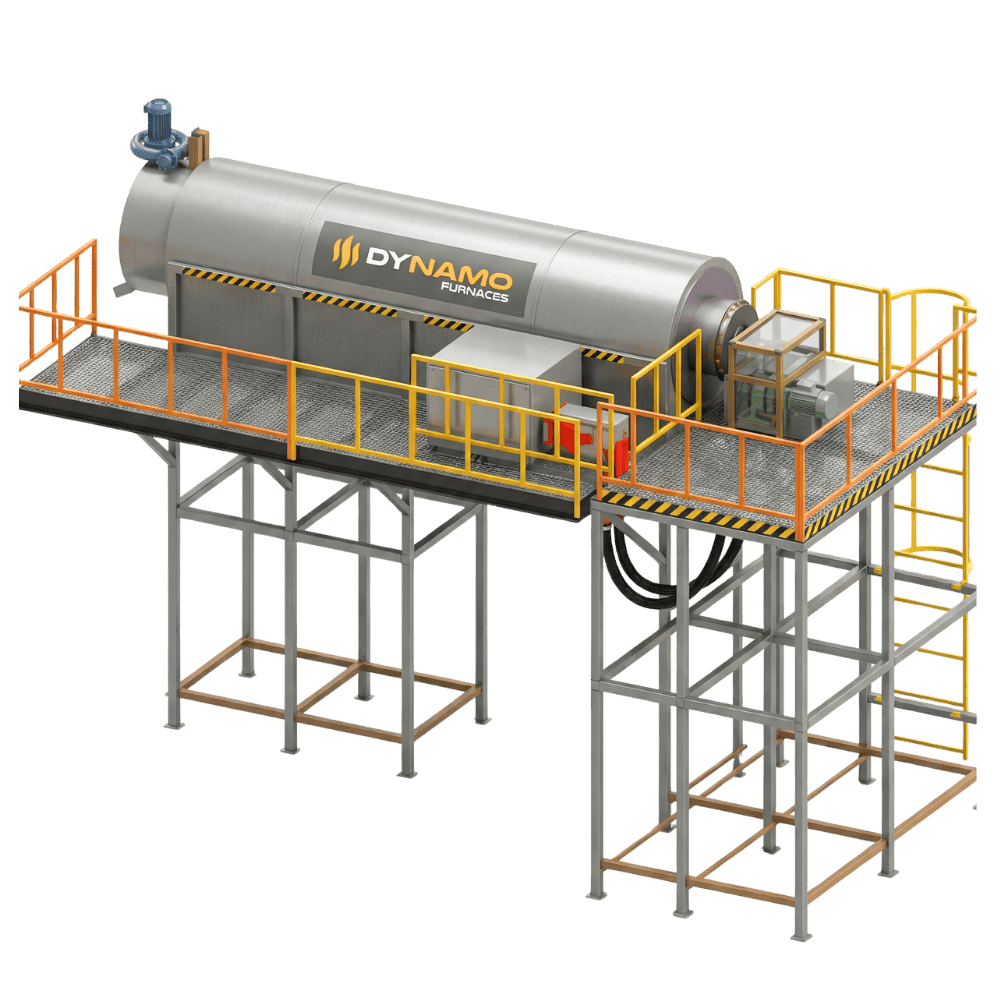
For virtually every production scenario, we have a dedicated type of high capacity furnace. Be it a crucible furnace or a large tower melting furnace. Dynamo Furnaces provides top foundry solutions across United States, Canada, Mexico and South America.
To experience a smooth journey from filling the information request form to having your order delivered at your factory, visit our products page.
For alloy-specific equipment planning, use Dynamo’s industrial copper melting furnace selection guide to compare temperature duty, crucibles, gas and electric energy, tilting, pouring and production rate.