Blog
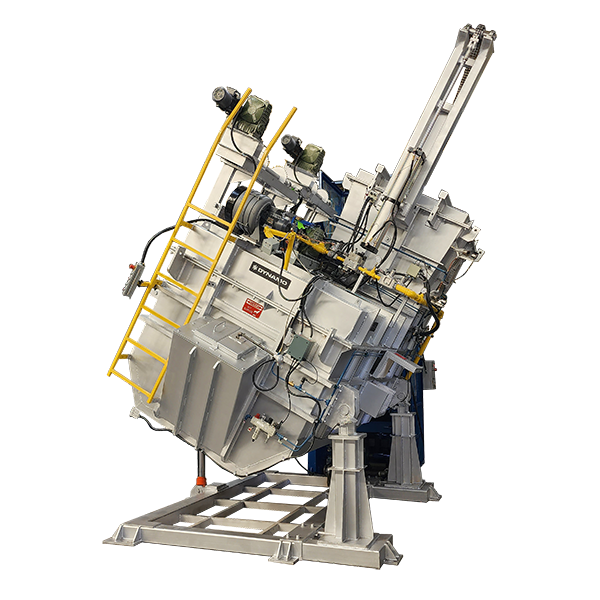
The Path to the Next Accomplishment: GM-F-8800 Tilting Stack Melting Furnace Designed and Assembled
Initial Contact and Needs Assessment
The story of this project begins long before the GM‑F‑8800 ever reached the production floor. Months earlier, an automotive aluminum casting company in Wisconsin reached out to Dynamo Furnaces with a challenge that had been growing steadily inside their melt department. Their existing equipment was struggling to keep pace with rising production demands, melt rates were inconsistent, and energy consumption had climbed far beyond acceptable levels. What they needed wasn’t just a replacement furnace, they needed a modern, high‑efficiency melting solution capable of supporting the future of their casting operations. That first conversation marked the beginning of a collaborative journey, one that would lead to detailed consultations, engineering analysis, and ultimately the selection of the GM‑F‑8800, a furnace designed to deliver the performance, safety, and reliability their operation required.
Every project begins with a conversation. Whether a client reaches out through a website form, email, or direct call, the first step is understanding their operational environment.
During this stage, Dynamo’s team gathers essential information:
Daily and weekly melt requirements
Type of aluminum being processed
Available floor space and facility layout
Preferred charging method
Pouring workflow and downstream equipment
Energy source availability (natural gas, LPG, etc.)
Environmental or emissions constraints
This early assessment ensures that the recommended furnace configuration aligns with the client’s production goals.
Technical Consultation and Process Mapping
Once the basic requirements are understood, Dynamo’s engineering and technical sales teams conduct a deeper consultation. This phase often includes:
Reviewing existing melting equipment
Identifying bottlenecks in the current workflow
Discussing melt quality requirements
Evaluating energy consumption targets
Mapping the full melting‑to‑pouring process
This is where the GM‑F Series begins to take shape as a solution rather than just a product.
Clients often appreciate the opportunity to discuss stack melting advantages, tilting safety, and automation options in detail. These conversations help them understand how the furnace will integrate into their facility and what operational improvements they can expect.
When the engineering review was complete, it became clear that the GM‑F‑8800 was the right choice for the automotive aluminum casting company in Wisconsin. Their production targets, melt‑rate requirements, and need for a safer, more controlled pouring process aligned perfectly with the capabilities of this high‑capacity tilting stack melting furnace. The GM‑F‑8800 combines the thermal efficiency of vertical stack melting with the precision of a hydraulic tilting system, allowing operators to achieve fast melt cycles, consistent metal quality, and smooth, controlled delivery into transfer ladles or casting lines. Built with multi‑layer insulation, automated elevator charging, and a robust gas‑fired burner system, the GM‑F‑8800 offers the reliability and throughput demanded by high‑volume automotive foundries. In many ways, it is not just a furnace, it is a complete melting solution engineered for modern aluminum production.
👉 GM-F Series can be the right solution for your production line. You can ask our specialists and find out.
Use Cases Of GM‑F Series In Aluminum Melting
Aluminum melting is a foundational process across multiple industries, and each sector brings its own operational challenges. The GM‑F Series is engineered to meet the needs of facilities that require high thermal efficiency, consistent melt quality, and safe, controlled pouring—all while minimizing downtime and fuel consumption.
Primary and Secondary Aluminum Foundries
Primary and secondary aluminum producers rely on melting furnaces that can handle continuous operation with minimal energy loss. The GM‑F Series uses a stack melting design, recognized as the most efficient gas‑fired furnace configuration available today. The vertical stack preheats incoming charge material using exhaust heat, reducing fuel consumption and accelerating melt times.
This makes the furnace ideal for:
High‑volume ingot melting
Scrap recycling operations
Continuous casting workflows
Automotive and Transportation Manufacturing
Automotive suppliers, especially those producing wheels, engine components, and structural castings—require furnaces that can maintain consistent melt temperatures and deliver molten aluminum safely to molds or transfer ladles.
The GM‑F Series supports these needs through:
Hydraulic tilting for controlled pouring
Remote operator panel control for safer distance‑based operation
High‑quality insulation that stabilizes internal temperatures and reduces heat loss
These features help automotive foundries maintain tight metallurgical tolerances while improving operator safety.
Aerospace and Precision Casting
Aerospace casting demands exceptional metal cleanliness and temperature stability. The GM‑F Series’ multi‑layer insulation and efficient burner system help maintain a consistent melt environment, reducing oxidation and improving metal quality.
Die Casting and High‑Pressure Casting Facilities
Die casting operations benefit from the furnace’s:
Fast melt rates
Low NOx burner technology (as referenced in related Dynamo product literature)
Automated elevator charging, which frees operators to focus on downstream processes
Collaborative Design
The design phase began once the automotive aluminum casting company in Wisconsin confirmed the GM‑F‑8800 as the ideal furnace for their production goals. Dynamo’s engineering team initiated a structured, collaborative process that translated operational requirements into a fully customized furnace blueprint. This stage involved detailed thermal modeling, layout planning, and mechanical integration work to ensure the furnace would align with the facility’s melt rates, floor space, and downstream casting workflow. Engineers evaluated charge material characteristics, burner performance needs, and pouring ergonomics before finalizing specifications for the stack melting chamber configuration, hydraulic tilting system, multi‑layer insulation package, and automated elevator charging assembly. Every component was selected not only for performance but for long‑term reliability, maintainability, and energy efficiency. By the end of the design phase, the client had a complete, engineered‑to‑order solution tailored precisely to their foundry’s operational realities.
This complete technical support is a norm in Dynamo Furnaces customer service policy.
On The Factory Floor
The manufacturing and assembly phase brought the GM‑F‑8800 from engineered concept to physical reality, beginning with the fabrication of its core structural components and progressing through a carefully sequenced build process. Heavy‑gauge steel panels, refractory linings, burner housings, and hydraulic assemblies were produced, inspected, and staged for integration on the shop floor. As each subsystem was completed—such as the stack melting chamber fabrication, hydraulic tilting frame assembly, multi‑layer insulation installation, and automated elevator charging assembly preparation—the furnace began to take shape piece by piece. This stage is ideal for visual documentation, and your images of component machining, welding, refractory preparation, and pre‑fit checks will help readers see the precision and craftsmanship behind the build. By the time the final alignment and quality‑control checks were completed, the GM‑F‑8800 stood as a fully assembled, production‑ready melting system built to meet the demanding needs of the automotive aluminum casting company in Wisconsin.
Engineering The Solution
With the GM‑F‑8800 fully assembled, the furnace entered its final preparation stage, where every subsystem is inspected, aligned, and verified before live testing begins. This is the point where the project shifts from fabrication to functional validation, and your images capture that transition perfectly, showing the furnace in its completed form, with all major components installed and ready for evaluation. Photos of the finished structural assembly, installed hydraulic tilting system, sealed refractory and insulation surfaces, and connected burner and control interfaces help illustrate the precision and craftsmanship behind the build. These visuals set the stage for the upcoming testing and pre‑commissioning procedures, where the furnace will undergo burner calibration, safety checks, dry‑out cycles, and operational simulations to ensure it performs exactly as engineered for the automotive aluminum casting company in Wisconsin.
What Comes Next
This GM-F-8800 furnace journey continues on the factory floor. The next stage is testing, inspection, and pre-commissioning to ensure a seamless product is created for our buyer. Our team is working tirelessly and we will bring the journey to you in the next blog post. Stay in touch with Dynamo Furnaces to get the latest updates, news, and industrial achievements & innovations
Let Us Make Your Next Melting Furnace
For every production scenario, we have a dedicated type of high-capacity furnace. Be it a crucible furnace or a large tower melting furnace. Dynamo Furnaces provides top foundry solutions across United States, Canada, Mexico, and South America.
To experience a smooth journey from filling the information request form to having your order delivered at your factory, visit our products page.

For More Information About This Furnace
For More Information About Other Furnaces