Case Study

Another Project: Engineering, and Assembly of the CDS‑A Series Aluminum Chip Drying Machine

Engineering, and Assembly of the CDS‑A Series Aluminum Chip Drying Machine

When the metal recycling facility in North Carolina first reached out to us, they weren’t looking for a generic dryer—they were searching for a solution to a bottleneck that had been costing them real money. Their operation handled thousands of pounds of aluminum chips every day, but high moisture content, residual cutting oils, and inconsistent drying were limiting their recovery rates and slowing down their melting process. They had tried smaller dryers, improvised heating systems, and even outsourced drying for a period, but nothing delivered the consistency or throughput they needed.

They found us after reading about our chip recycling furnaces and chip processing systems, and what caught their attention was simple: our equipment wasn’t designed as standalone machines—it was engineered as part of a complete aluminum recycling ecosystem. That philosophy aligned perfectly with their long‑term vision.

Their first message was direct: “We need a reliable drying system that can handle continuous chip flow and prepare material for melting with minimal energy loss.” That conversation became the starting point for the CDS‑A Series project.

Introducing the CDS‑A Series — Purpose‑Built for High‑Efficiency Chip Drying

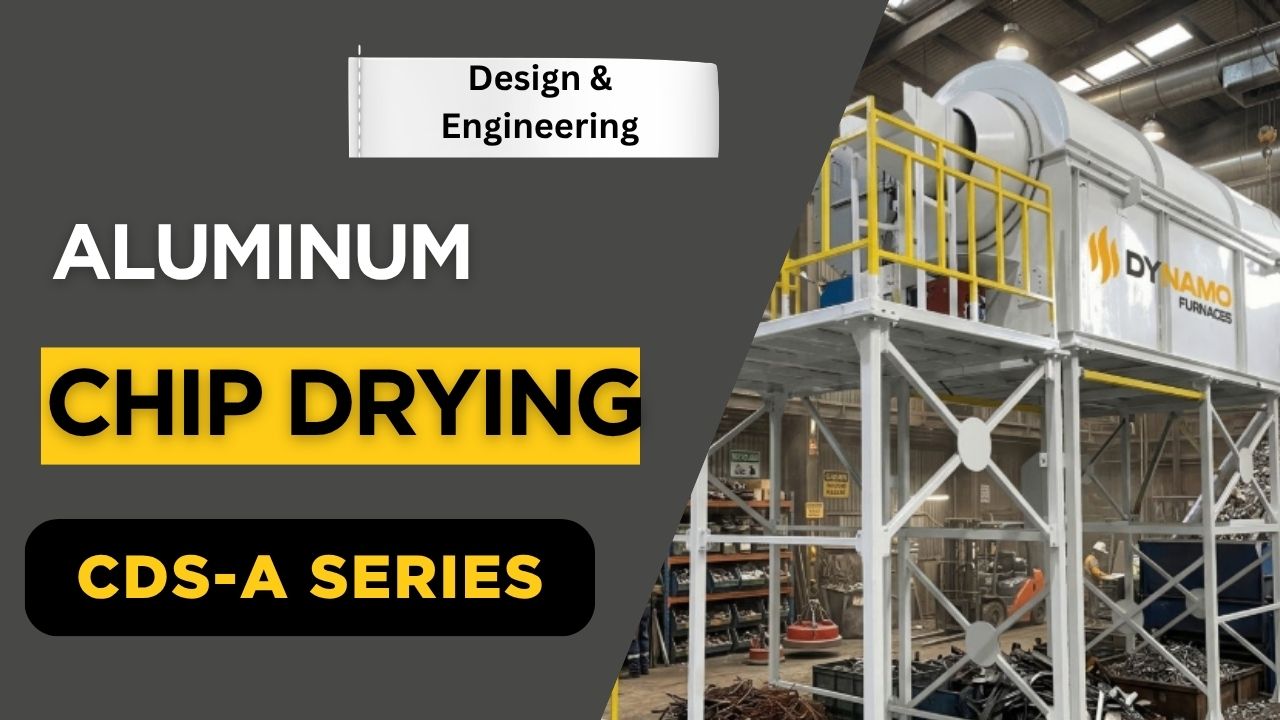
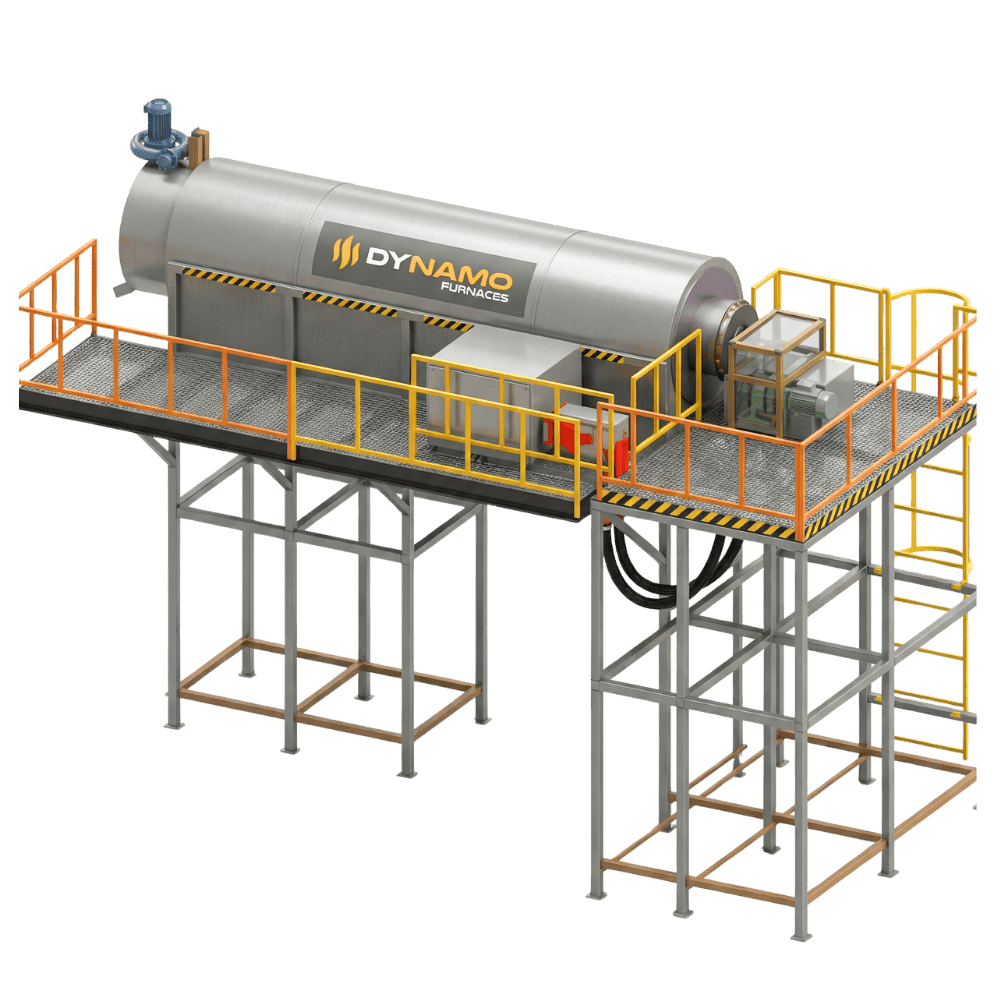
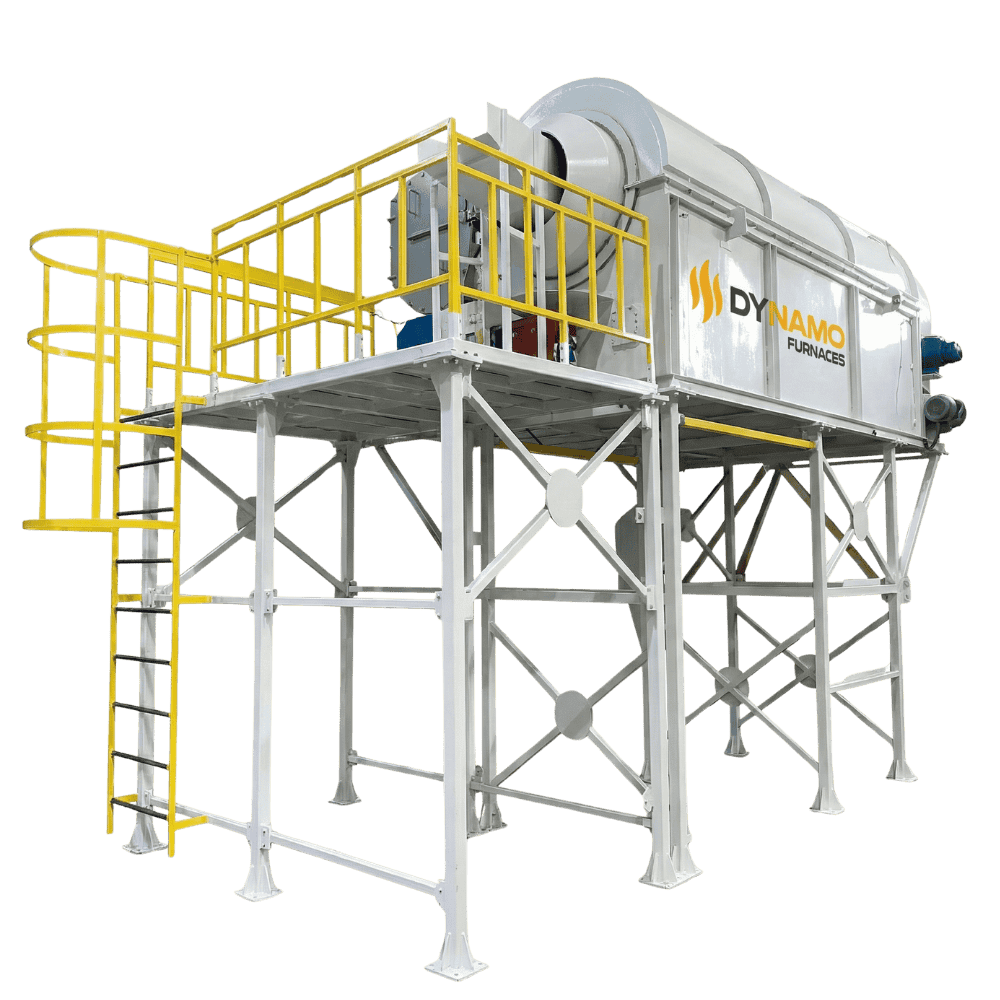
The CDS‑A Series Aluminum Chip Drying Machine is engineered specifically for facilities that process large volumes of aluminum chips, turnings, and swarf. Its purpose is straightforward but critical: remove moisture and oil from aluminum chips before melting.

Why does this matter?

  • Moisture causes violent reactions when wet chips contact molten aluminum.

  • Oil increases oxidation, reducing metal recovery and increasing dross.

  • Dry chips melt faster, reducing fuel consumption.

  • Cleaner chips improve furnace efficiency, especially in chip melting furnaces like the GM‑M and GM‑G Series.

  • Environmental compliance is easier when oil and moisture are removed before thermal processing.

The CDS‑A Series uses controlled heat, airflow, and mechanical agitation to ensure chips exit the system dry, clean, and ready for melting. For the North Carolina facility, this machine would become the first step in a fully optimized recycling loop.

Get a Free Quote Today

    Understanding the Customer’s Needs — The Consultation Phase

    During the initial consultation, our engineering team met with their operations manager, maintenance supervisor, and environmental compliance officer. Together, we mapped out the challenges they were facing:

    • High moisture content in chips coming from CNC machining centers

    • Variability in chip size and geometry

    • Oil contamination from cutting fluids

    • Inconsistent drying results from their existing equipment

    • Strict environmental regulations regarding VOC emissions

    • The need for continuous, uninterrupted operation

    • Integration with their existing conveyors and chip handling system

    We also reviewed their melting process. Their furnaces were experiencing:

    • Excessive dross formation

    • Temperature instability during wet chip charging

    • Higher‑than‑expected fuel consumption

    • Frequent downtime due to moisture‑related reactions

    It became clear that a properly engineered drying system would not only solve their moisture problem—it would increase their metal recovery, reduce furnace wear, and stabilize their entire melting workflow.

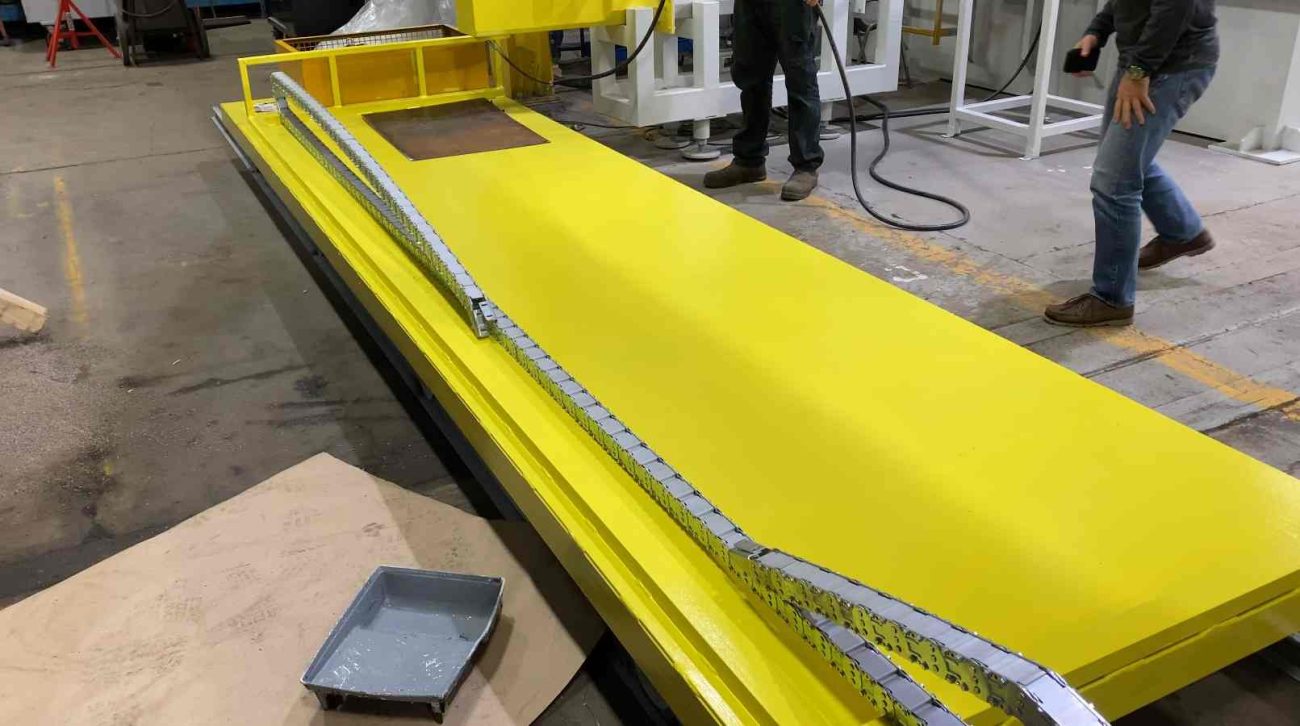
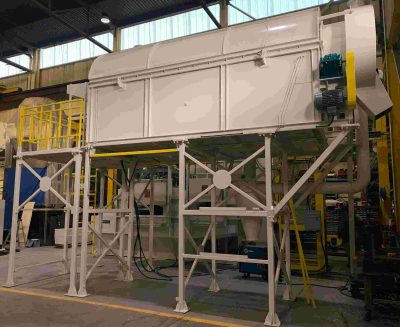
    Dynamo Furnaces - Engineering Chip Drying Machine - 01

    Engineering Review — Designing the Right CDS‑A Configuration

    Once the order was confirmed, our engineering team began customizing the CDS‑A system to match the facility’s exact requirements. Although the CDS‑A Series follows a standardized design philosophy, every installation is tailored to the customer’s chip characteristics, throughput, and plant layout.

    The engineering phase included:

    • Throughput analysis based on chip volume and moisture content

    • Airflow modeling to ensure uniform drying across all chip sizes

    • Heat distribution calculations for energy‑efficient operation

    • Integration planning with their conveyors, hoppers, and chip centrifuges

    • VOC management design, including exhaust filtration and optional afterburners

    • Safety system configuration, including temperature monitoring and emergency shutdown logic

    • Electrical and control panel design, built around industrial‑grade PLC and HMI systems

    We also reviewed their plant utilities—gas supply, electrical capacity, ventilation, and floor space—to ensure the CDS‑A system would fit seamlessly into their existing infrastructure.

    Negotiations and Project Alignment

    Before finalizing the build, we worked closely with the customer to align expectations on:

    • Delivery timeline

    • Installation requirements

    • Integration with their chip processing line

    • Optional features such as oil recovery, exhaust filtration, and heat reclaim systems

    • Maintenance access and service intervals

    • Warranty and long‑term support

    The customer appreciated that our approach wasn’t just to sell a machine—it was to engineer a complete solution that would improve their recycling efficiency for years to come.

    Once all technical and commercial details were approved, the project moved into fabrication.

    Fabrication and Assembly — Building the CDS‑A System

    The assembly phase brought the CDS‑A machine from engineering drawings to a fully built system. Our fabrication team worked through:

    • Frame construction and weld inspection

    • Dryer drum fabrication and balancing

    • Installation of heating elements and airflow components

    • Integration of conveyors, feeders, and discharge systems

    • Control panel wiring and HMI programming

    • Exhaust and filtration system assembly

    • Safety interlock installation

    Each subsystem was tested individually before final assembly. The control system was programmed to manage:

    • Temperature control

    • Airflow modulation

    • Drum rotation speed

    • Safety shutdowns

    • Alarm notifications

    • Continuous monitoring of drying performance

    By the time assembly was complete, the CDS‑A machine had already undergone multiple internal checks to ensure it met our performance and safety standards.

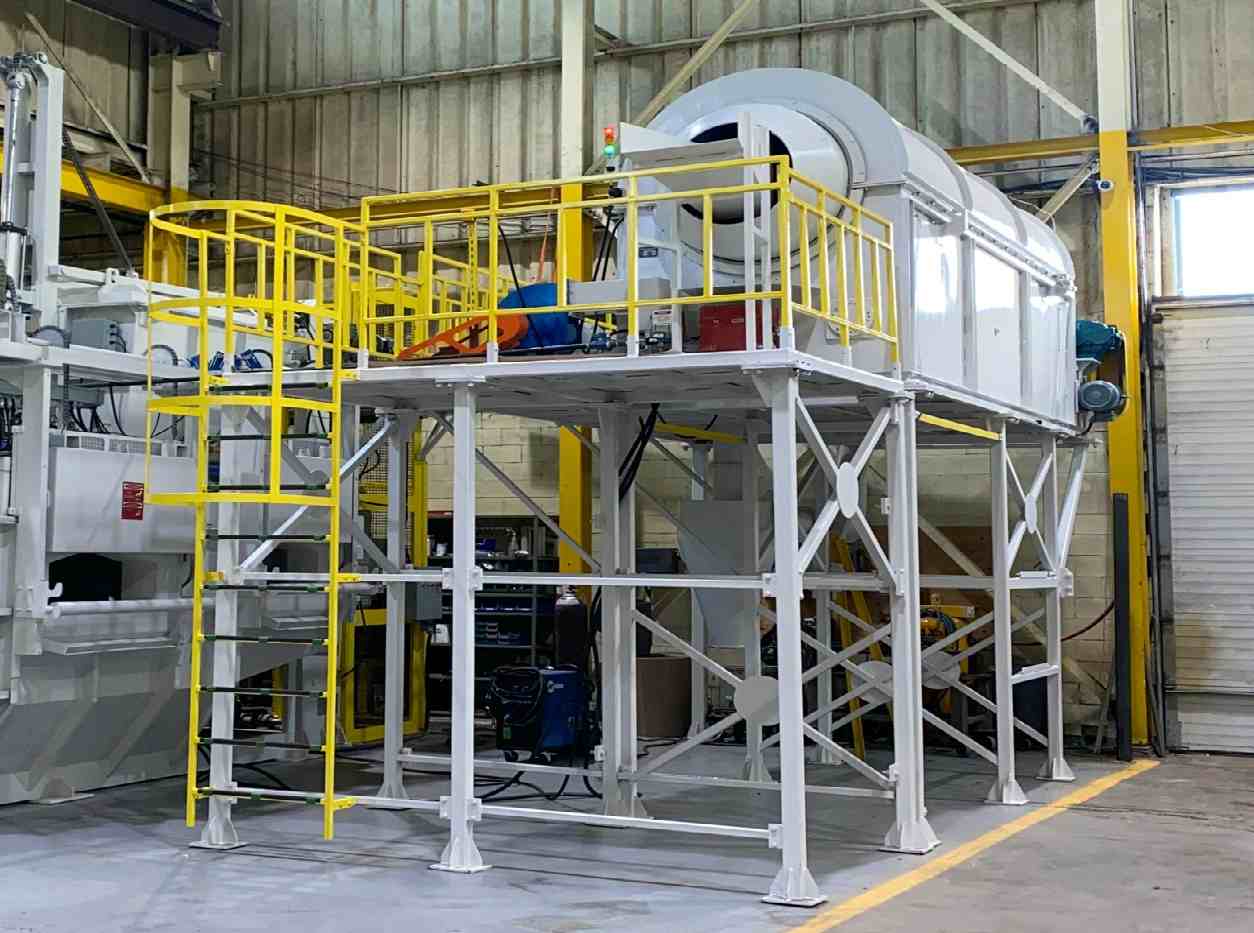
    Dynamo Furnaces - Engineering Chip Drying Machine - 02
    Dynamo Furnaces - Engineering Chip Drying Machine - 03

    Let Us Make Your Next Furnace

    Chip Dryng Machin

    For virtually every production scenario, we have a dedicated type of high capacity furnace.  Be it a crucible furnace or a large tower melting furnace - we have a solution for you. 

    To experience a smooth journey from filling the information request form to having your order delivered at your factory, visit our products page.

    For More Information About This Furnace

    For More Information About Other Furnaces