Case Study

Engineering, and Assembly of the GM‑A330 Copper Crucible Melting Furnace for Chicago Manufacturer

Engineering and Assembly of the GM‑A330 Copper Crucible Melting Furnace for Chicago Manufacturer

The story of the GM‑A330 Copper Crucible Melting Furnace began when a precision components manufacturer in Chicago reached out to us with a challenge that had been slowing down their production for years. Their operation relied heavily on copper melting for casting small electrical components, bus bars, and custom copper alloys. But their existing furnace—an aging, inefficient unit—was struggling to keep up with demand. Melt times were inconsistent, energy consumption was rising, and maintenance downtime was becoming a weekly occurrence.

They found us after researching gas‑fired copper melting furnaces, specifically looking for crucible‑based melting systems that offered stable temperature control, low oxidation, and high thermal efficiency. Our GM‑A‑BRS Series Copper Crucible Melting Furnaces stood out because they were engineered for continuous melting, clean molten copper quality, and long crucible life—all critical for their production environment.

Their first message was straightforward: “We need a reliable copper melting furnace that can run every day, with predictable melt quality and minimal downtime.”

That inquiry marked the beginning of the GM‑A330 project.

Introducing the GM‑A330 — Gas‑Fired Copper Crucible Melting Furnace

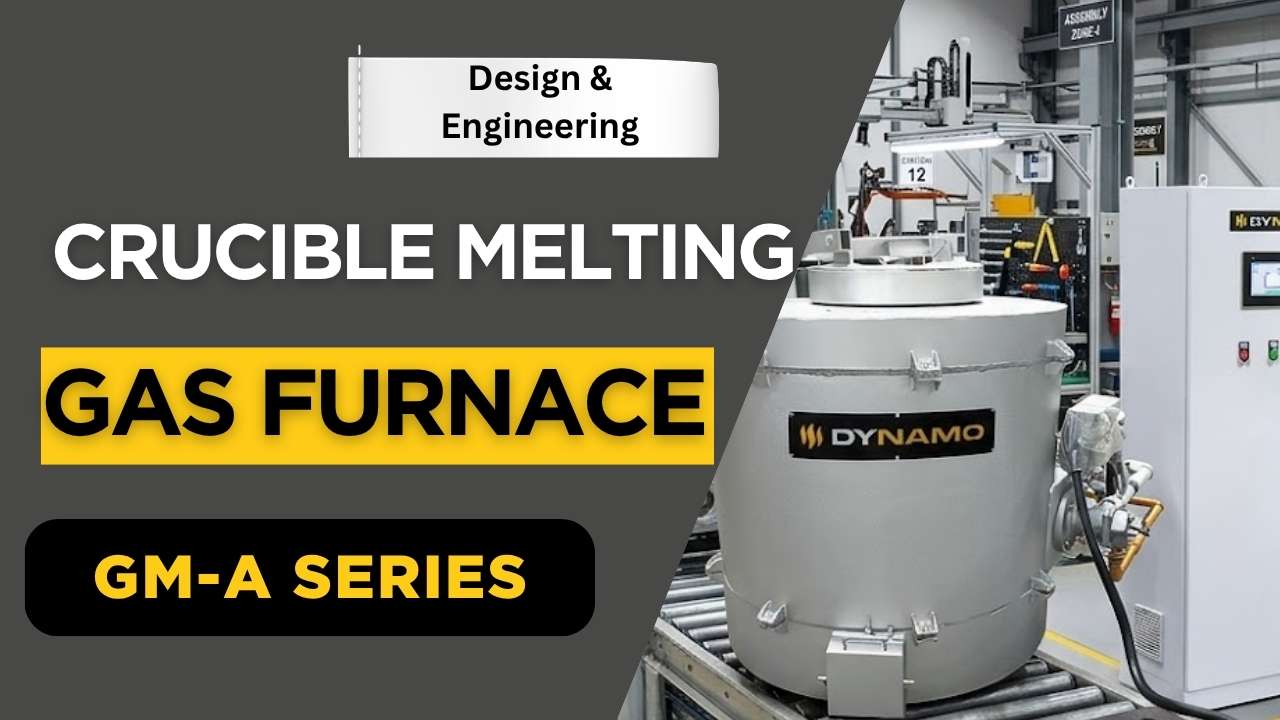
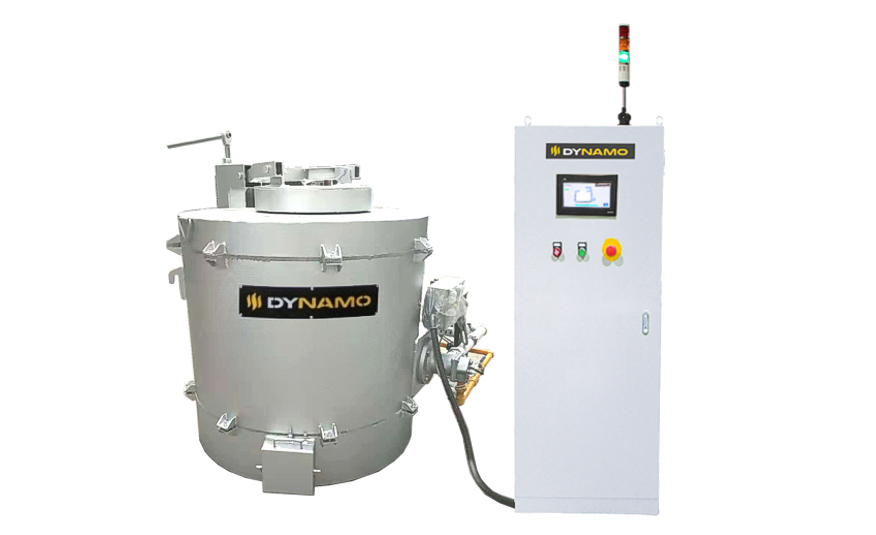
The GM‑A330 is part of the GM‑A‑BRS Series, a line of gas‑fired copper crucible melting furnaces designed for foundries, casting shops, electrical component manufacturers, and metalworking facilities that require clean, consistent molten copper.

To ensure strong keyword coverage, here are the core attributes of the GM‑A‑BRS Series:

  • Copper crucible melting furnace

  • Gas‑fired melting system

  • High‑efficiency burner design

  • Low‑oxidation melting environment

  • Stable temperature control

  • Long crucible life

  • Compact footprint for small and medium casting shops

  • Ideal for copper, brass, bronze, and specialty copper alloys

  • Designed for continuous melting and holding

  • High thermal efficiency and reduced fuel consumption

The GM‑A330 model selected by the Chicago manufacturer offered the perfect balance of melting capacity, energy efficiency, and operational simplicity. It was engineered to deliver clean molten copper with minimal dross formation—critical for their precision casting applications.

Get A Free Quote Today

    Initial Consultation — Understanding Their Application and Constraints

    Once the Chicago manufacturer confirmed their interest, our engineering team scheduled a detailed consultation. Their operation required:

    • A furnace capable of melting copper quickly and consistently

    • Stable holding temperature for extended casting cycles

    • Low oxidation to maintain alloy purity

    • A compact footprint due to limited floor space

    • Integration with their existing ladles and pouring workflow

    • A system that minimized operator intervention

    We reviewed their daily melt volume, alloy types, casting schedule, and energy usage. Their old furnace was consuming excessive gas and producing inconsistent melt quality. The GM‑A330’s gas‑fired crucible design and high‑efficiency burner system were ideal for solving these issues.

    The consultation phase also included:

    • Reviewing their electrical and gas supply

    • Evaluating ventilation and exhaust requirements

    • Mapping their melt‑to‑pour workflow

    • Identifying safety and compliance requirements for Chicago’s industrial regulations

    This ensured the GM‑A330 would integrate seamlessly into their production line.

    Engineering Review — Designing the Furnace for Their Operation

    After the order was confirmed, our engineering team began customizing the GM‑A330 to match the customer’s exact needs. Although the GM‑A‑BRS Series follows a standardized design philosophy, every installation is tailored to the customer’s workflow.

    The engineering phase included:

    Thermal and Combustion Design

    • Burner sizing and placement for optimal heat distribution

    • Modeling crucible heating curves for copper and brass alloys

    • Ensuring low‑oxidation melting conditions

    • Designing the combustion chamber for maximum thermal efficiency

    Crucible Selection and Integration

    • Selecting the correct crucible material for copper alloys

    • Designing the crucible support system

    • Ensuring easy crucible replacement and maintenance access

    Control System Engineering

    • Temperature control logic

    • Over‑temperature protection

    • Gas safety interlocks

    • HMI layout for operator simplicity

    Mechanical and Structural Design

    • Furnace shell fabrication drawings

    • Insulation and refractory specifications

    • Burner mounting and access points

    • Exhaust and ventilation integration

    The Chicago manufacturer reviewed and approved the engineering package before fabrication began.

    Dynamo Furnaces - Design Engineering - Crucible Aluminum Furnace - 04
    Dynamo Furnaces - Design Engineering - Crucible Aluminum Furnace - 05
    Dynamo Furnaces - Design Engineering - Crucible Aluminum Furnace - 03
    Dynamo Furnaces - Design Engineering - Crucible Aluminum Furnace - 02

    Fabrication — Building the GM‑A330 from the Ground Up

    With engineering finalized, fabrication began. The GM‑A330 was built in stages:

    Furnace Shell Construction

    • Cutting and forming the steel shell

    • Welding and structural reinforcement

    • Installing access doors and inspection ports

    Refractory and Insulation Installation

    • Lining the furnace with high‑temperature refractory

    • Adding insulation layers for thermal efficiency

    • Curing and inspecting the refractory

    Burner and Gas Train Assembly

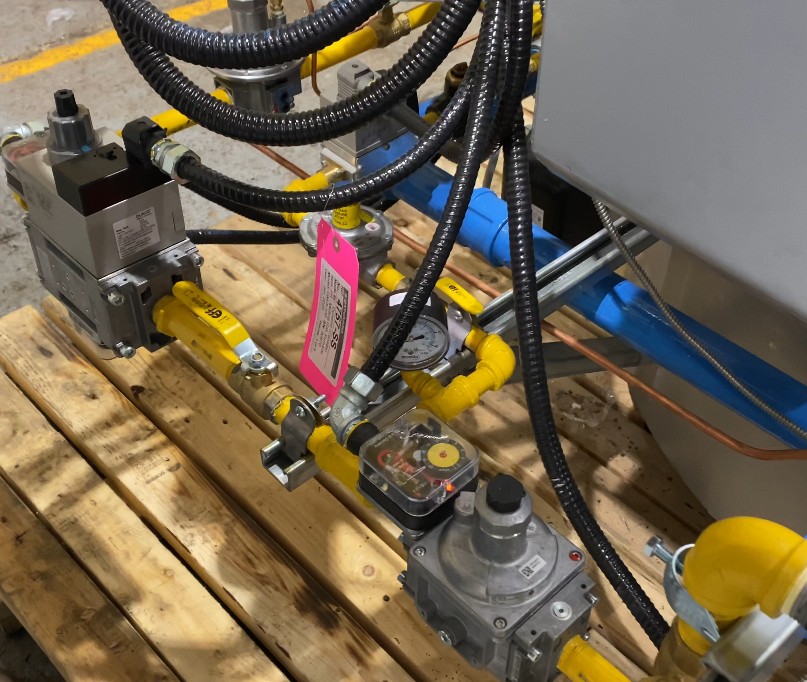
    • Installing the high‑efficiency gas burner

    • Assembling the gas train with regulators, valves, and safety devices

    • Pressure testing all gas components

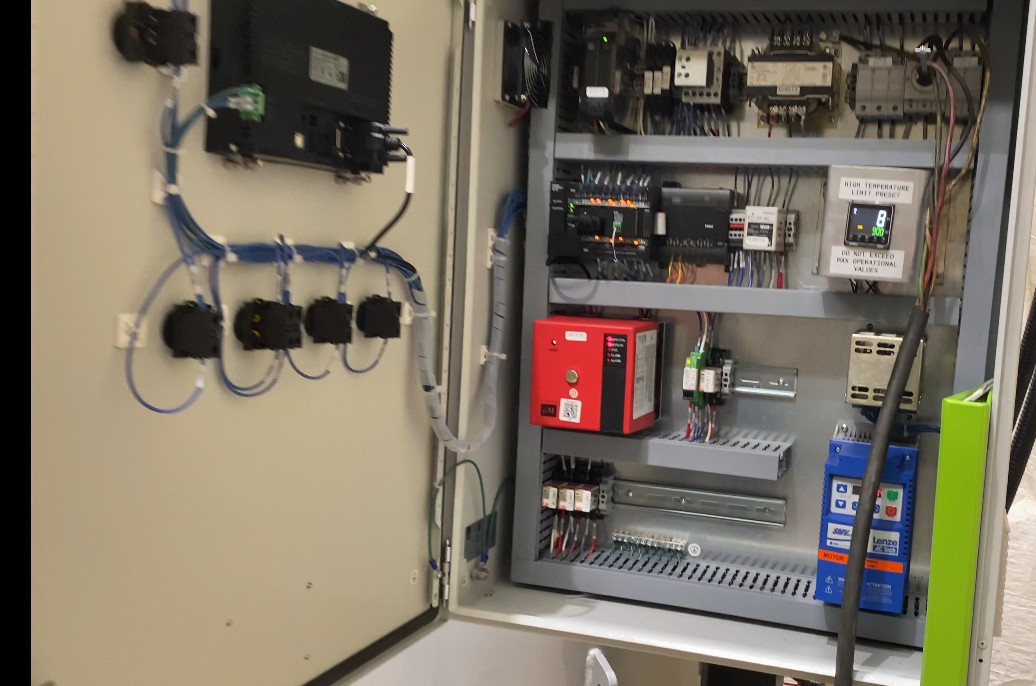
    Control Panel Fabrication

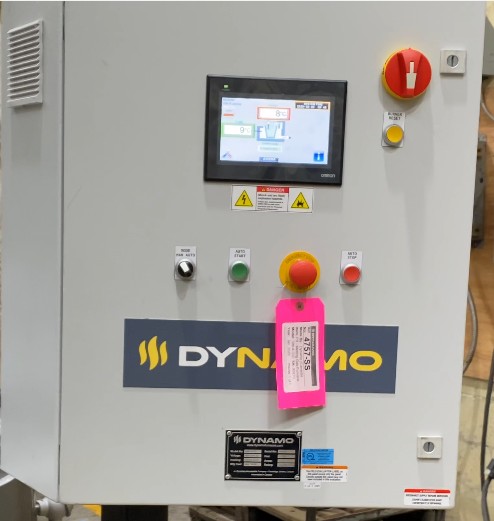
    • Wiring PLC and HMI components

    • Installing temperature controllers and sensors

    • Programming safety logic and operational sequences

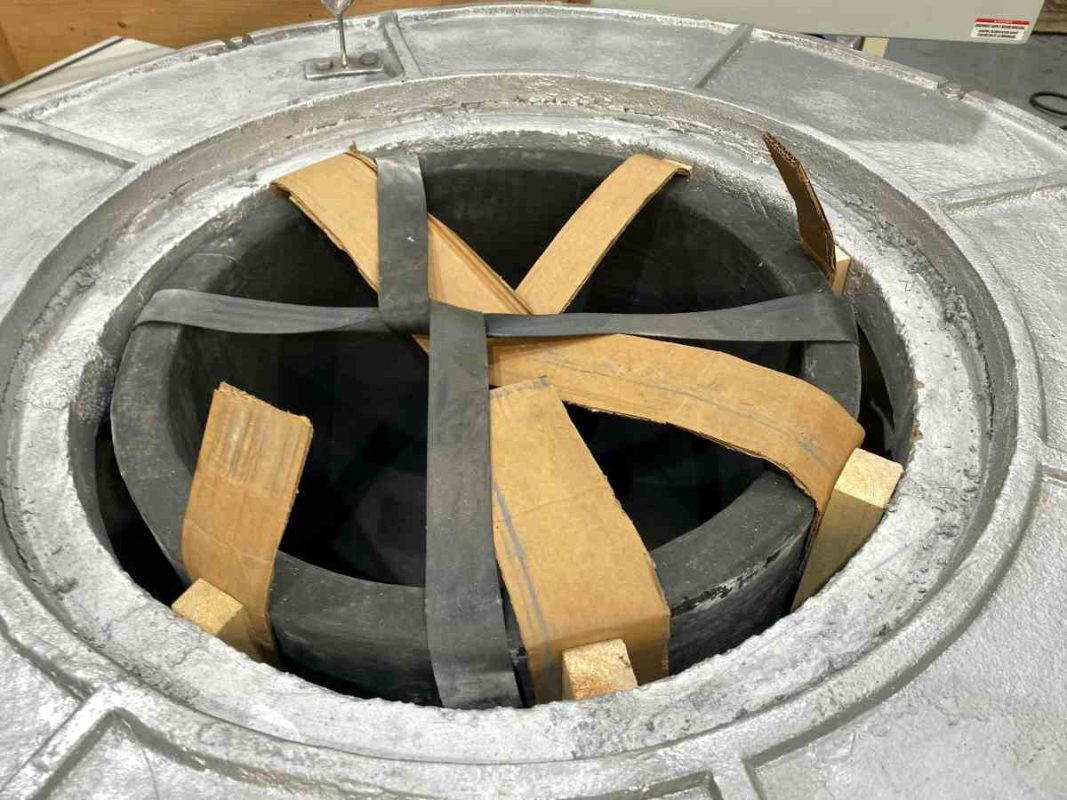
    Crucible Integration

    • Installing the crucible support system

    • Verifying alignment and clearance

    • Preparing the furnace for first heat‑up at the customer site

    Each stage underwent quality checks to ensure the furnace met our performance and safety standards.

    Assembly — Bringing All Systems Together

    Once all components were fabricated, the GM‑A330 moved to final assembly:

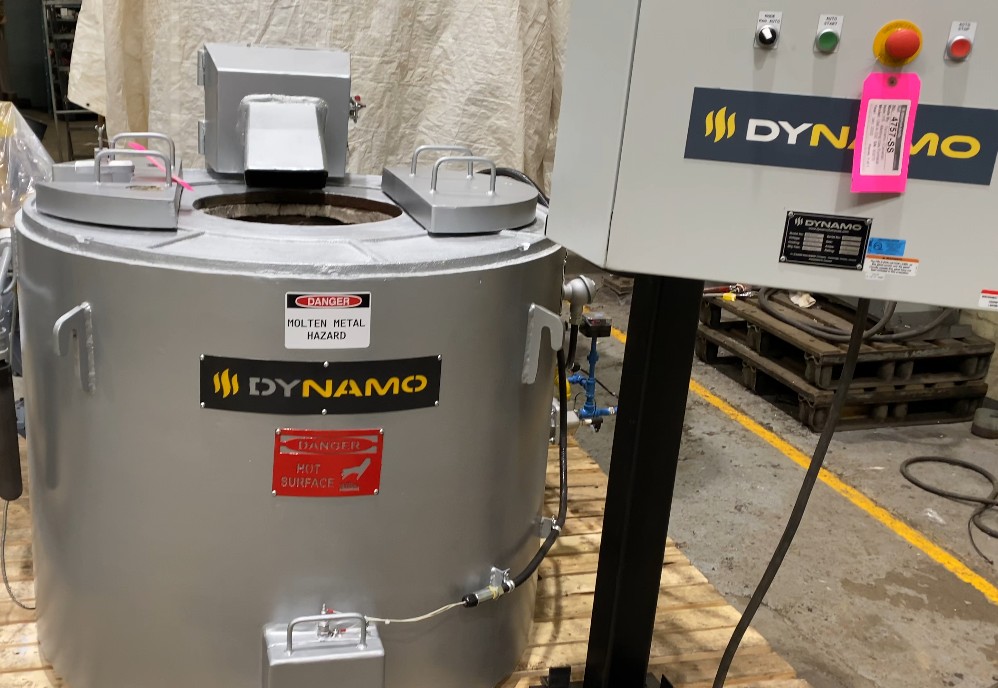
    • The furnace shell, refractory, and burner system were integrated

    • The control panel was mounted and connected

    • Sensors, thermocouples, and safety devices were installed

    • The crucible was seated and aligned

    • The exhaust system was prepared for on‑site connection

    By the end of assembly, the GM‑A330 stood as a fully built copper crucible melting furnace—ready for shipment to Chicago.

    Dynamo Furnaces - Design Engineering - Crucible Aluminum Furnace - 01

    Summary

    Phase 1 captures the complete journey from the moment the Chicago manufacturer discovered us to the engineering, fabrication, and assembly of their GM‑A330 Copper Crucible Melting Furnace. This phase establishes the foundation for:

    • Phase 2 — Testing and Pre‑Commissioning

    • Phase 3 — Shipping, Installation, Commissioning, and First Melts

    Let Us Make Your Next Furnace

    GM-A-BRS-Series-Furnace-Cut-Out-500-x-500-300x300

    For virtually every production scenario, we have a dedicated type of high capacity furnace.  Be it a crucible furnace or a large tower melting furnace - we have a solution for you. 

    To experience a smooth journey from filling the information request form to having your order delivered at your factory, visit our products page.

    For More Information About This Machine

    For More Information About Other Furnaces