

Blog
Design and Engineering of the CM‑A‑DX Series Deox Casting Machine for Casting Factory in Alberta

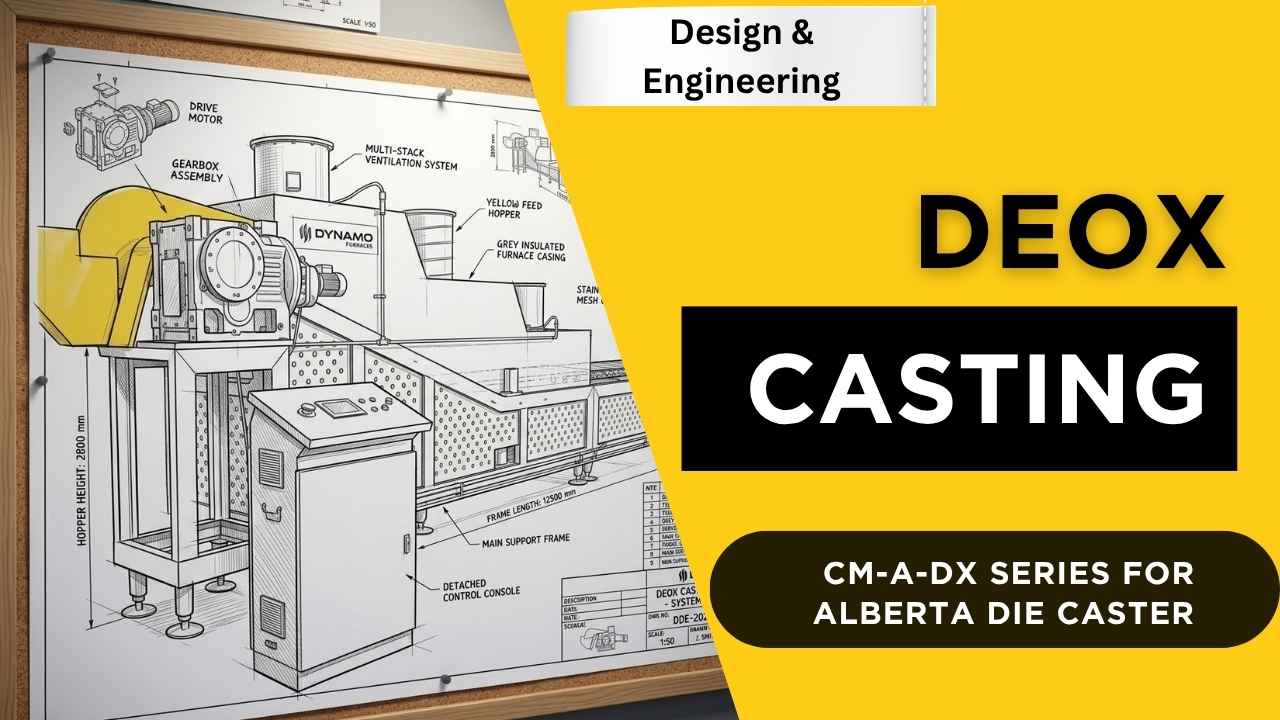
When the casting factory in Alberta, Canada first contacted us, they were not browsing casually for equipment—they were responding to a growing pressure inside their own operation. Their melt shop had been steadily increasing output, and with that growth came a sharper focus on deoxidation practice, alloy cleanliness, and the cost of purchased deoxidizers. They were buying aluminum deoxidation products from external suppliers, dealing with fluctuating prices, variable quality, and long lead times that didn’t always match their production schedule.
They found us the way many serious producers do—by searching specifically for automated deox casting systems that could integrate with existing melting and holding furnaces. Our content on ingot casting machines, sow casting systems, and deox casting lines resonated with them, but it was the CM‑A‑DX Series Deox Casting Machine that caught their attention. The idea of producing their own aluminum deoxidation products on‑site, directly from molten aluminum, aligned perfectly with their long‑term strategy: more control, more consistency, and a tighter, closed‑loop recycling and casting environment.
Their first call was very clear in tone: they wanted to move from being a buyer of deox products to being a producer of their own deoxidation cones and shapes, tailored to their steelmaking and foundry customers. That conversation became the starting point of the CM‑A‑DX project.
Introduction to the CM‑A‑DX Series Deox Casting Machine
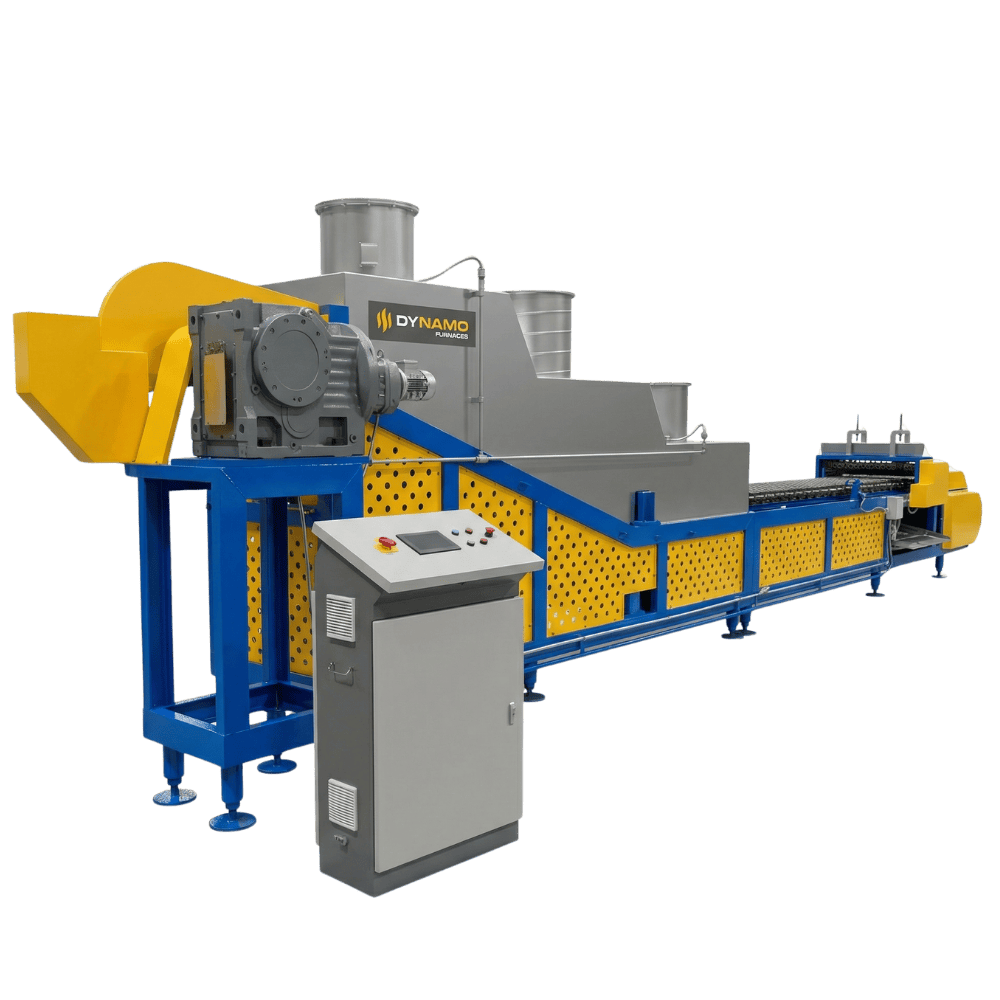
The CM‑A‑DX Series Deox Casting Machine is an advanced, automated aluminum deoxidation casting system engineered specifically for producing deox products—cones, pills, or custom shapes used in steelmaking and metallurgical refining. It sits within a broader family of ingot casting machines, but its design is optimized for deoxidation casting, where product consistency, controlled solidification, and repeatable geometry are critical.
This deox casting machine is built around a high‑throughput mold line, precision pouring controls, and carefully engineered cooling zones. Together, these elements ensure uniform ingot formation, stable casting performance, and consistent deoxidizer quality from batch to batch. The CM‑A‑DX Series is designed for foundries, secondary aluminum smelters, steel mills, and recycling facilities that want to integrate deox production into their existing molten metal workflows.
In the Alberta casting factory’s case, the CM‑A‑DX would be fed directly from their aluminum melting and holding furnaces. The system would become a dedicated aluminum deoxidation product casting line, transforming molten aluminum into standardized deox units ready for shipment to steel plants or internal use. Because the CM‑A‑DX integrates seamlessly with ingot casting machines, sow casting machines, chip recycling equipment, dross recovery furnaces, briquetting systems, and scrap processing machines, it fits naturally into a closed‑loop aluminum recycling and casting environment.
For this customer, the machine was not just a piece of equipment—it was a strategic tool to:
Stabilize deoxidizer quality
Reduce dependence on external suppliers
Improve metal recovery by using in‑house molten aluminum
Add a new product line to their casting portfolio
Strengthen their position as a regional supplier to steel mills and foundries
Get A Free Quote Now
Why They Came to Us — The Problem Behind the Inquiry
Before reaching out, the Alberta factory had been operating a conventional casting line focused on standard aluminum ingots and specialty cast products. Deoxidizers were purchased from third‑party suppliers, often imported, with variable delivery times and inconsistent product characteristics. Their metallurgical team had identified several recurring issues:
Variability in deox cone density and composition
Inconsistent dissolution behavior in steel ladles
Higher‑than‑expected slag formation in some heats
Limited flexibility in cone size and shape for different customers
Exposure to price volatility and supply chain disruptions
They began exploring the idea of in‑house deox production. The logic was straightforward: they already had molten aluminum, they already had casting expertise, and they already served customers in the steel and foundry sectors. What they lacked was a dedicated, automated deox casting system that could deliver repeatable quality at industrial scale.
Their search led them to our CM‑A‑DX Series Deox Casting Machine, and the technical depth of the system—its integration with recycling workflows, its automation level, and its focus on deoxidation products—matched exactly what they were looking for.
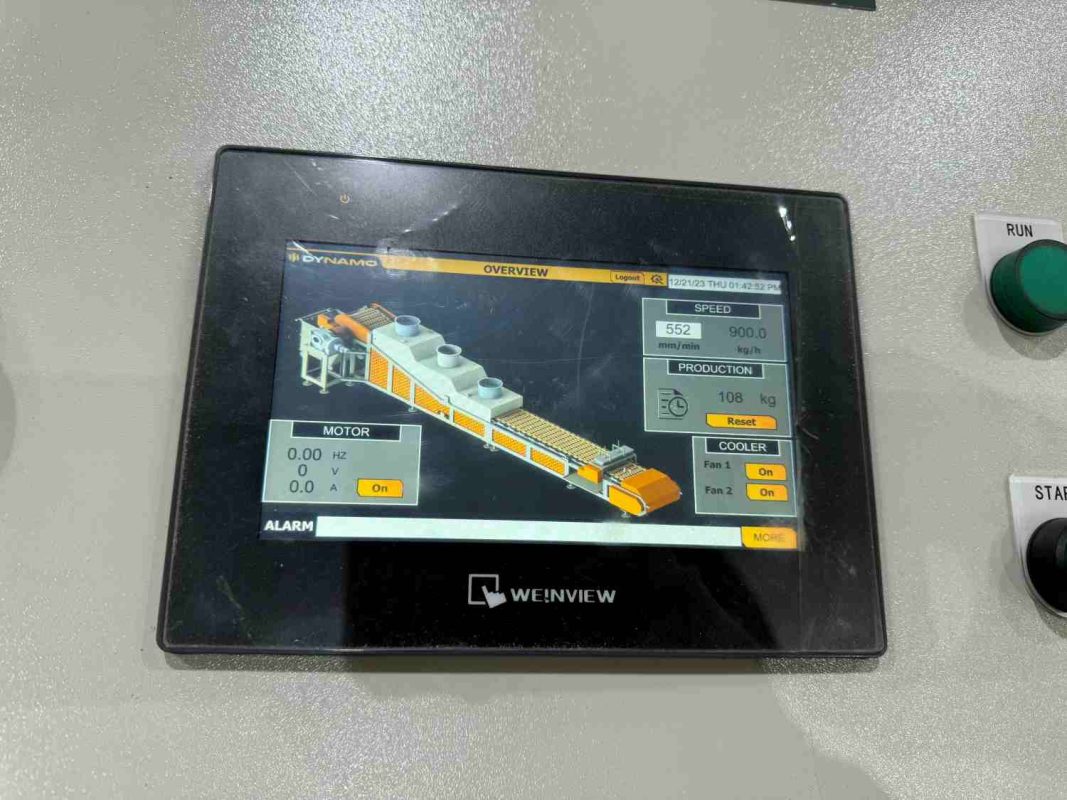
Initial Consultation — Aligning the Application with the Machine
The first phase after contact was a structured technical consultation. Our team met (virtually and later on‑site) with their plant manager, melt shop superintendent, quality engineer, and sales director. Each had a different perspective:
Operations wanted reliability and easy integration with existing furnaces.
Quality wanted consistent deox product geometry, density, and chemistry.
Sales wanted flexibility in product size and packaging for different customers.
Management wanted a clear ROI and a path to scale production over time.
We began by mapping their current and projected deox consumption:
Annual tonnage of deoxidizers used by their steel and foundry customers
Typical cone or pill sizes required
Alloy composition and purity requirements
Target dissolution behavior and performance in steelmaking practice
We also reviewed their molten aluminum availability:
Furnace capacities and tap weights
Available launder or transfer systems
Temperature control and alloy management
Existing casting schedules and shift patterns
This consultation confirmed that the CM‑A‑DX Series could be configured to match their throughput, alloy range, and product geometry. It also revealed an important strategic point: by integrating the deox casting machine into their existing recycling and casting workflow, they could convert internal scrap and recycled aluminum into high‑value deoxidation products, rather than selling it as generic scrap or low‑margin ingots.
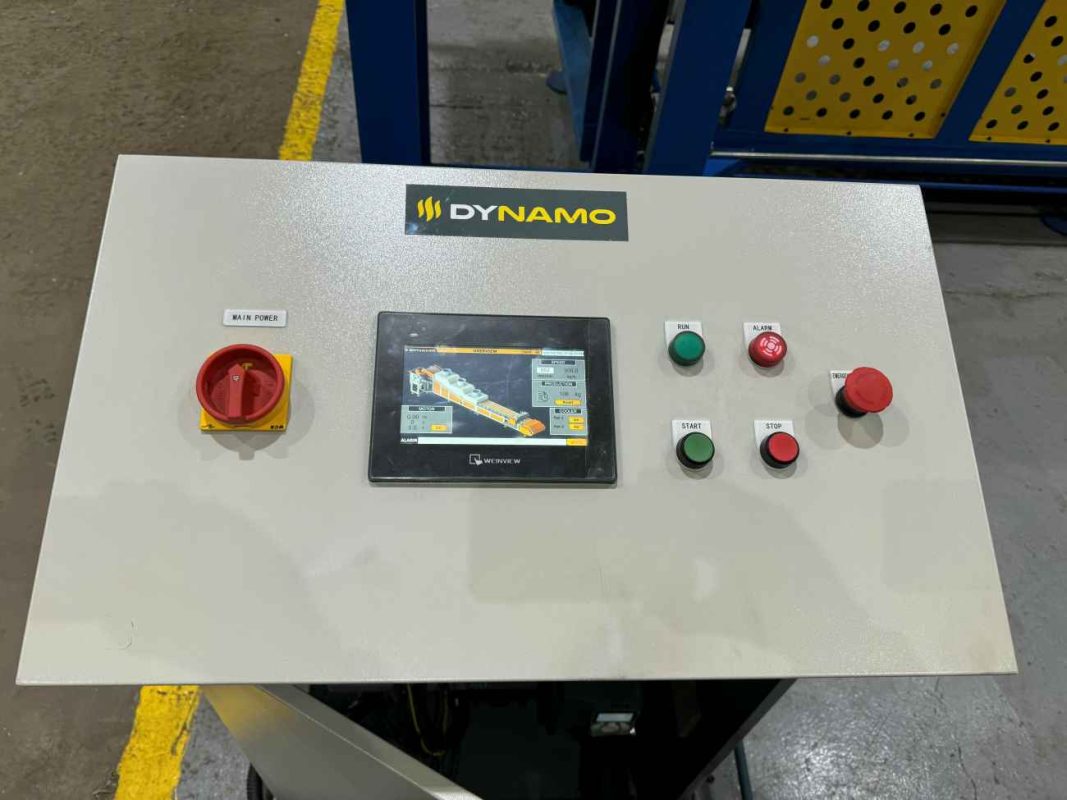
Negotiation and Project Definition — From Concept to a Clear Scope
Once the technical feasibility was established, the discussion moved into a more detailed negotiation phase. This was not just about price; it was about defining the exact role of the CM‑A‑DX in their plant.
Together, we defined:
Target hourly and daily deox production capacity
Mold line configuration and number of active molds
Required deox shapes and sizes (cones, blocks, or custom geometries)
Integration method with their holding furnace or launder system
Level of automation for pouring, mold indexing, cooling, and discharge
Requirements for downstream handling, stacking, and packaging
Safety standards and interlocks aligned with Canadian regulations
Space constraints and layout options within their existing building
We also discussed future scalability—how the line could be expanded, how additional mold sections or cooling modules could be added, and how the control system could be upgraded if production volumes increased.
The negotiation concluded when both sides had a shared, detailed understanding of:
What the CM‑A‑DX Series Deox Casting Machine would do
How it would integrate with their furnaces and recycling systems
What performance metrics it would be judged against (throughput, consistency, uptime)
What timeline and support structure would govern the project
With that alignment in place, the project moved formally into engineering.
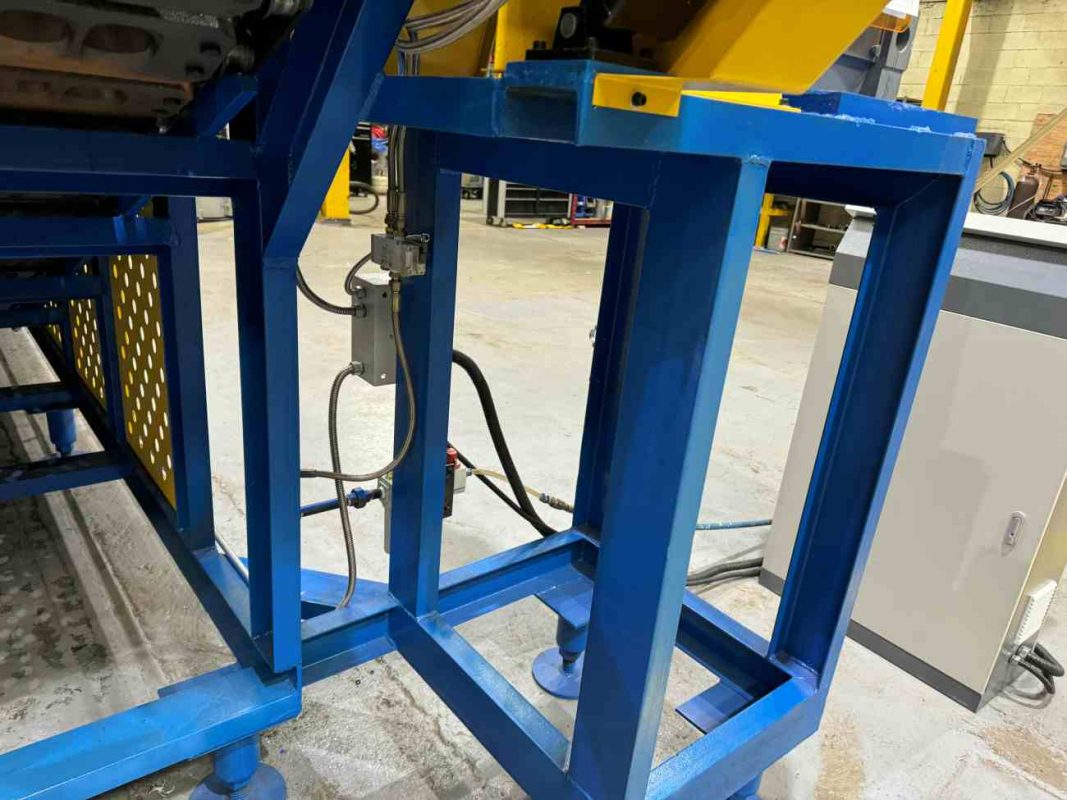
Engineering and Design — Turning Requirements into a Deox Casting System
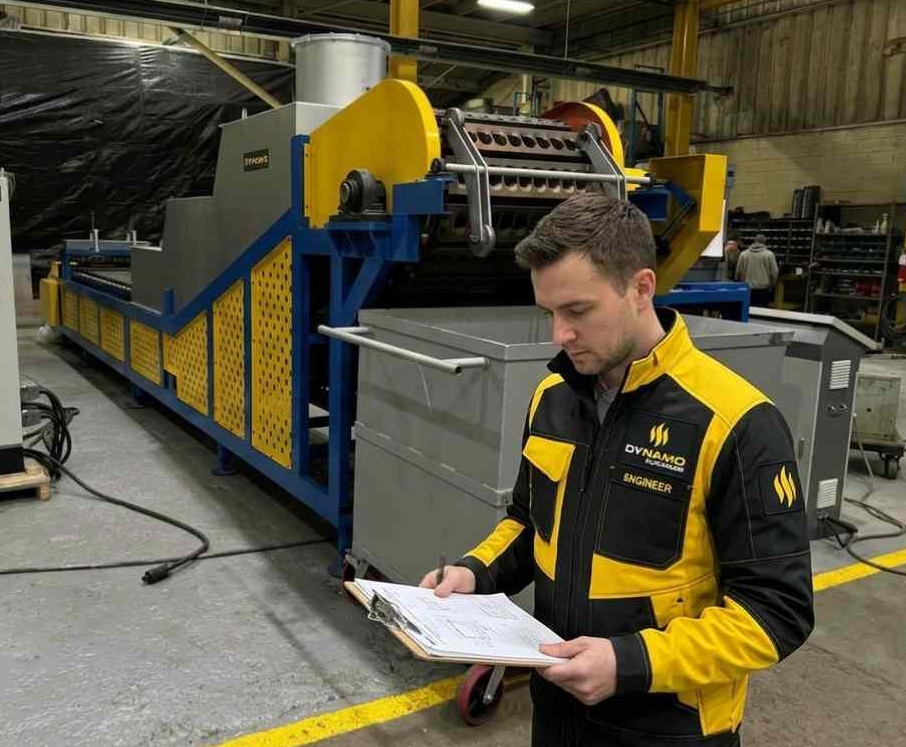
The engineering phase is where the CM‑A‑DX transitions from a catalog concept into a customer‑specific deox casting system. Our design team began by building a complete model of the line around the Alberta factory’s requirements.
Key engineering tasks included:
Designing the mold line layout, including mold geometry, spacing, and indexing speed.
Configuring the precision pouring system to match their molten aluminum flow rate and temperature range.
Engineering cooling zones to ensure controlled solidification, minimizing internal stresses and surface defects.
Integrating the machine with their melting and holding furnaces, including launder design, metal level control, and temperature management.
Designing the control system—PLC, HMI, sensors, and actuators—to manage pouring, mold indexing, cooling, and discharge in a fully automated sequence.
Incorporating safety systems: emergency stops, guarding, interlocks, over‑temperature alarms, and molten metal handling protections.
Planning for maintenance access, including removable panels, service platforms, and clear access to critical components.
Throughout this phase, our engineers exchanged drawings, 3D models, and layout proposals with the customer’s engineering team. Adjustments were made to accommodate building columns, existing equipment, and material flow patterns in their plant. The goal was not just to “fit” the machine into the space, but to optimize the entire deox production cell—from molten metal entry to finished deox product exit.
Preparing for Fabrication and Assembly — Locking in the Design
Once the customer approved the final engineering package, the project moved toward fabrication and assembly planning. Bills of materials were finalized, long‑lead components were scheduled, and the production sequence for the CM‑A‑DX line was defined.
At this stage, we also prepared:
Detailed fabrication drawings for the frame, mold line, and structural components.
Specifications for refractory and heat‑resistant materials in high‑temperature zones.
Procurement lists for drives, motors, sensors, valves, and control hardware.
A preliminary testing and pre‑commissioning plan that would later guide Phase 2.
By the end of Phase 1, the Alberta casting factory had more than just a purchase order—they had a fully engineered, clearly defined Deox Casting Machine – CM‑A‑DX Series tailored to their operation, ready to move into fabrication, assembly, and testing.
Summary
Phase 1 tells the story of how a casting factory in Alberta, Canada moved from buying deoxidizers on the open market to engineering its own automated deox casting system. From the first inquiry and problem definition, through consultation, negotiation, and detailed engineering, the CM‑A‑DX Series Deox Casting Machine evolved into a central piece of their future production strategy.
Let Us Make Your Next Ingot Casting Machine
For virtually every production scenario, we have a dedicated type of high capacity furnace. Be it a crucible furnace or a large tower melting furnace - we have a solution for you.
To experience a smooth journey from filling the information request form to having your order delivered at your factory, visit our products page.
For related equipment-planning guidance, review Dynamo’s ingot, sow, and deox casting applications.
For More Information About This Machine
For More Information About Other Furnaces