Case Study

Another New Project: Design & Engineering of the CM‑A Series Ingot Casting Machine

Another New Project Design Engineering of the CM‑A Series Ingot Casting Machine

The journey toward delivering a CM‑A Series Ingot Casting Machine begins long before fabrication or assembly. It starts the moment a foundry recognizes the need to modernize its casting line, increase throughput, or stabilize ingot quality across multiple alloy families. When the first inquiry arrives—often triggered by production bottlenecks, inconsistent mold fill, or the need to replace aging casting equipment—our technical sales team initiates a structured discovery process designed to understand not only the machine specifications, but the operational realities of the customer’s plant. This early stage sets the foundation for every technical and commercial decision that follows.

Introduction to the CM‑A Series Ingot Casting Machine

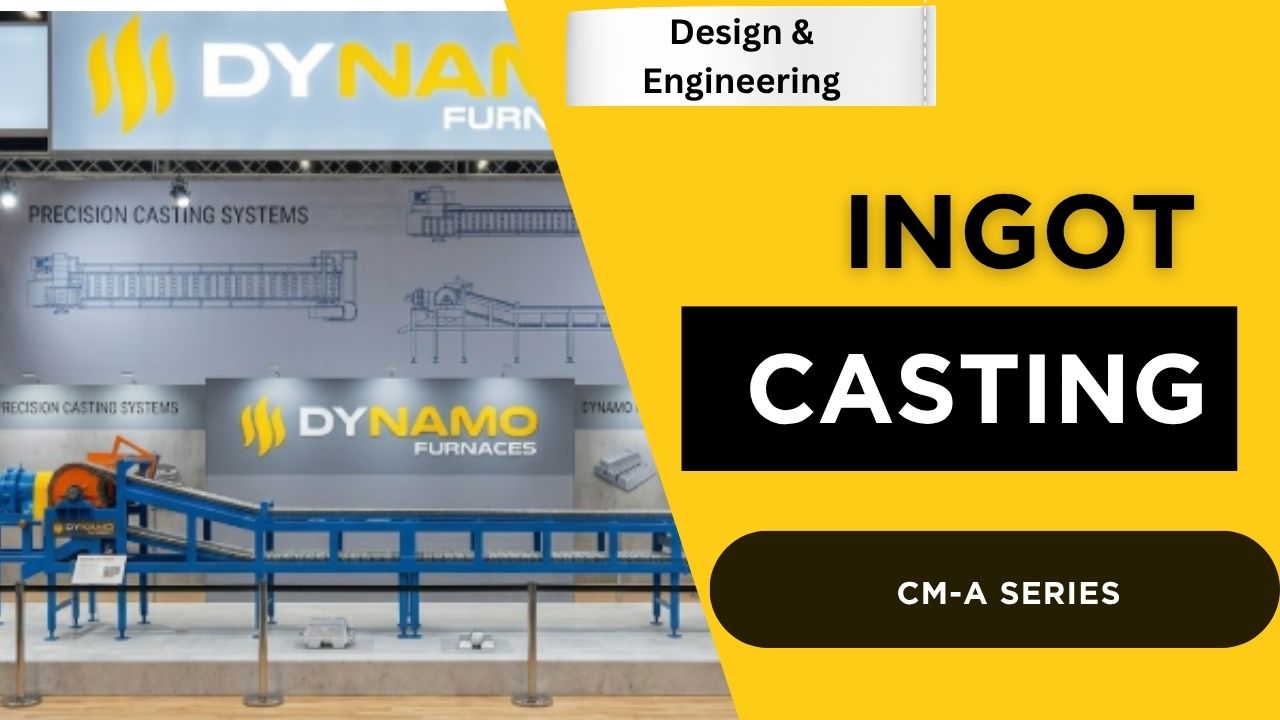
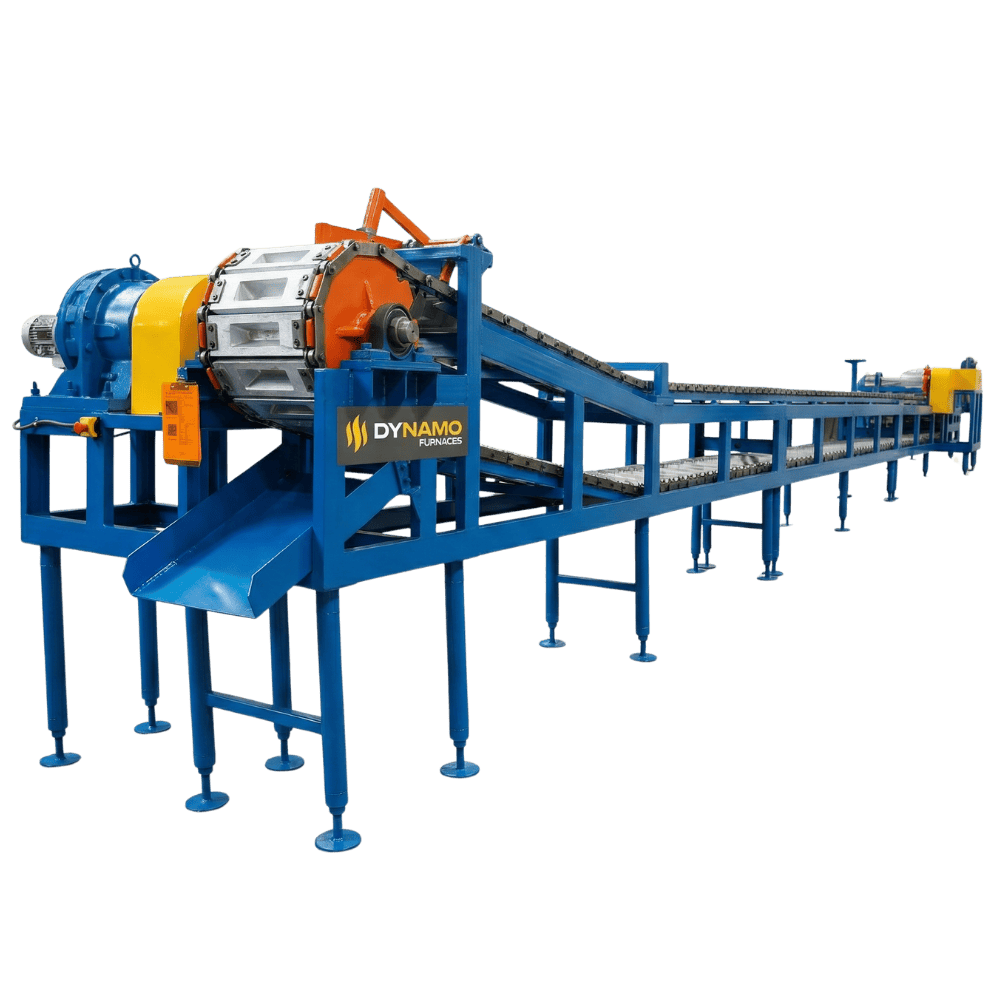
The CM‑A Series Ingot Casting Machine is a fully automated continuous ingot casting system engineered for high‑volume aluminum ingot production in primary and secondary foundries. As a next‑generation aluminum ingot casting machine, it integrates seamlessly with melting furnaces, holding furnaces, and launder systems to deliver a stable, uninterrupted casting cycle. Its precision‑indexed mold‑chain casting mechanism, controlled pouring system, and optional cooling modules ensure consistent ingot weight, uniform mold fill, and repeatable metallurgical quality. Designed for demanding industrial environments, the CM‑A Series supports alloyed and non‑alloyed aluminum casting, export‑grade ingot manufacturing, and fully automated downstream handling. This ingot casting line is built for foundries seeking improved throughput, reduced metal loss, and enhanced casting automation across their aluminum production workflow.


Get a Free Quote Today

    Order and Negotiation Framework

    During the order and negotiation phase, the discussion quickly evolves from simple pricing into a deeper evaluation of the customer’s melting capacity, alloy range, ingot weight requirements, mold geometry, cooling expectations, and downstream handling constraints. Because every CM‑A Series machine must integrate seamlessly with existing melting and holding furnaces, the negotiation becomes a collaborative alignment of performance expectations, automation levels, and long‑term production goals. Throughput targets, cycle times, mold chain length, pouring control systems, and safety requirements are defined with precision. The negotiation concludes only when both sides share a clear understanding of the machine’s capabilities and the operational improvements it is expected to deliver.

    Technical Consultation and Workflow Analysis

    Once the commercial framework is established, the project transitions into the consultation phase—the most collaborative and diagnostic part of the entire process. Here, our engineering team works directly with the customer’s metallurgists, furnace operators, maintenance supervisors, and plant managers to map out the complete casting workflow. This includes analyzing furnace tap height, metal flow characteristics, alloy viscosity, mold pre‑heating requirements, cooling water availability, and the spatial layout of the casting bay. The consultation often reveals hidden inefficiencies such as uneven metal distribution, excessive dross formation, or inconsistent mold cooling. These insights allow the CM‑A Series machine to be configured not only as a replacement system, but as a performance upgrade to the entire casting line.

    Customization of Mold Chain, Pouring System, and Cooling Strategy

    During consultation, the customer’s preferred ingot size—5 kg, 7 kg, 10 kg, or custom export‑grade dimensions—is finalized. The mold chain configuration is selected accordingly, ensuring uniform ingot formation and predictable cycle timing. The pouring system—manual, semi‑automatic, or fully automatic—is matched to the desired level of operator involvement and the foundry’s safety protocols. For customers producing multiple alloys, the engineering team evaluates alloy changeover procedures, mold cleaning cycles, and the need for optional cooling tunnels or spray systems to stabilize solidification. This stage ensures the machine is tailored to the customer’s alloy portfolio and production rhythm.

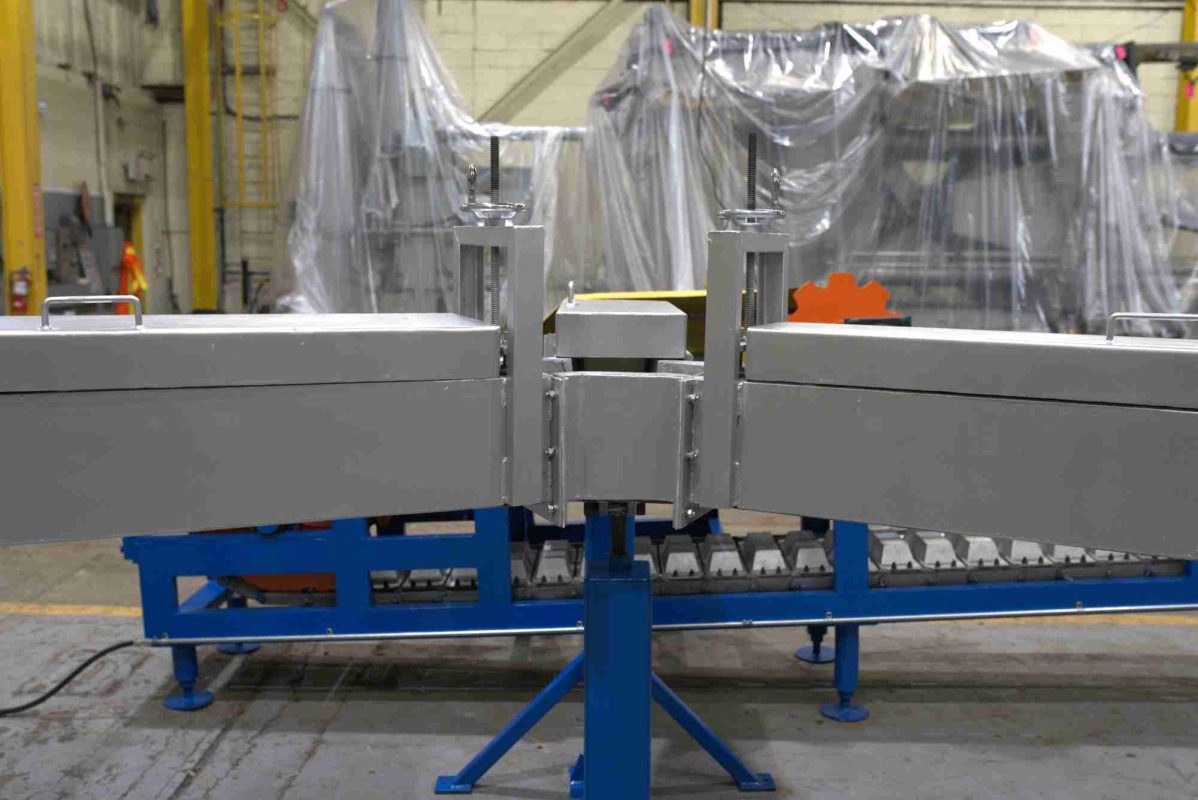
    Ingot casting machine - Design and Engineering - Dynamo Furnaces - 02
    Ingot casting machine - Design and Engineering - Dynamo Furnaces - 03
    Ingot casting machine - Design and Engineering - Dynamo Furnaces - 04
    Ingot casting machine - Design and Engineering - Dynamo Furnaces - 01

    Mechanical Design and Structural Engineering

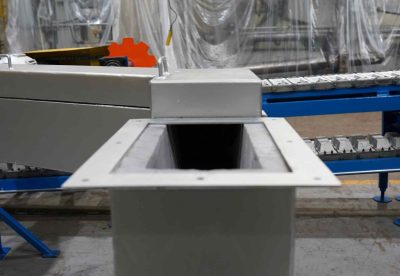
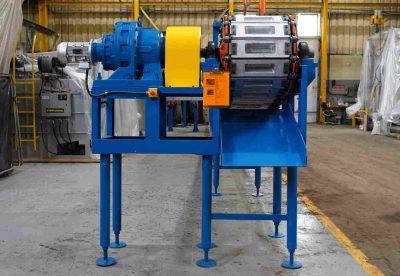
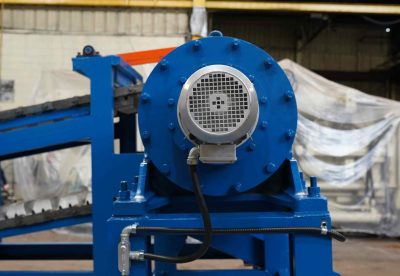
    With the operational blueprint defined, the project enters the design stage, where the CM‑A Series machine begins to take shape as a fully engineered system. Mechanical engineers model the mold chain, pouring basin, drive system, and cooling modules in advanced CAD environments. Chain tension, mold thermal expansion, pouring height, and cycle timing are calculated to guarantee uniform ingot formation across long production runs. The machine frame, chain guides, and mold carriers are engineered for durability under constant thermal cycling, while the pouring mechanism is designed to deliver smooth, turbulence‑free metal flow that minimizes oxidation and dross. Every structural component is validated to withstand the mechanical and thermal stresses of continuous aluminum casting.


    Electrical, Automation, and Control System Engineering

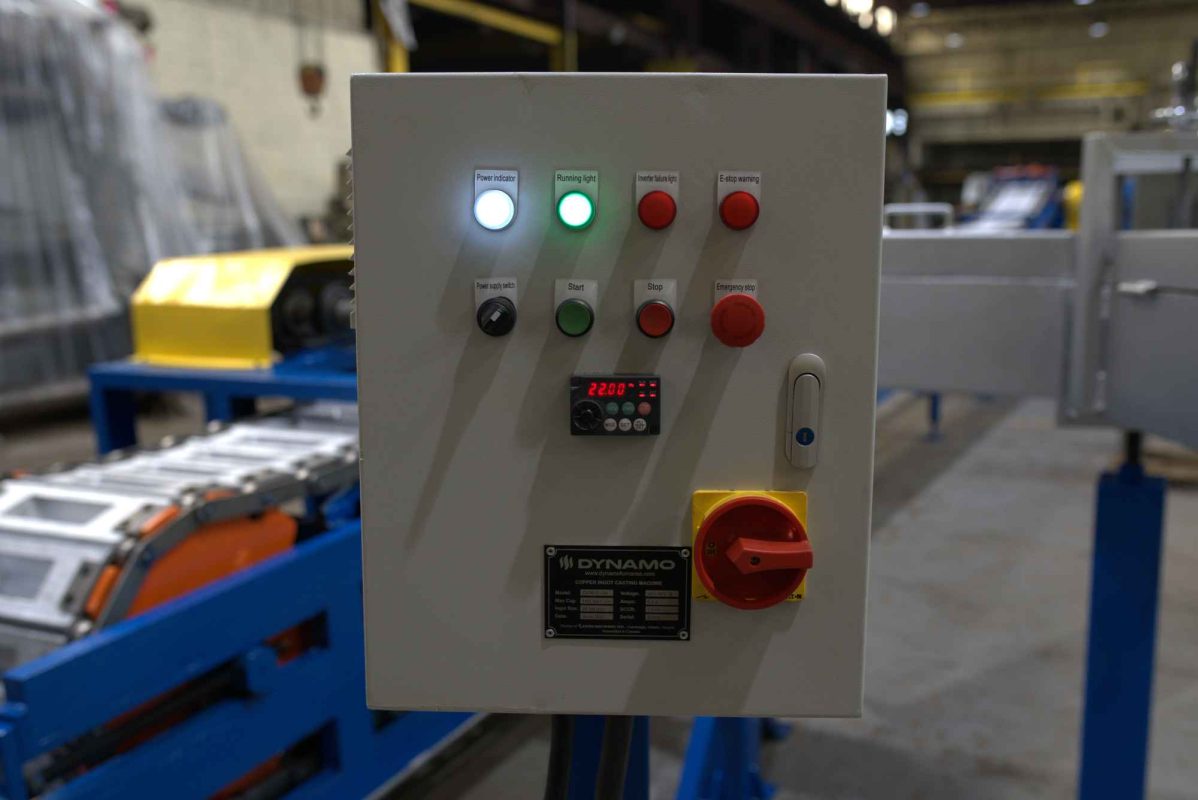
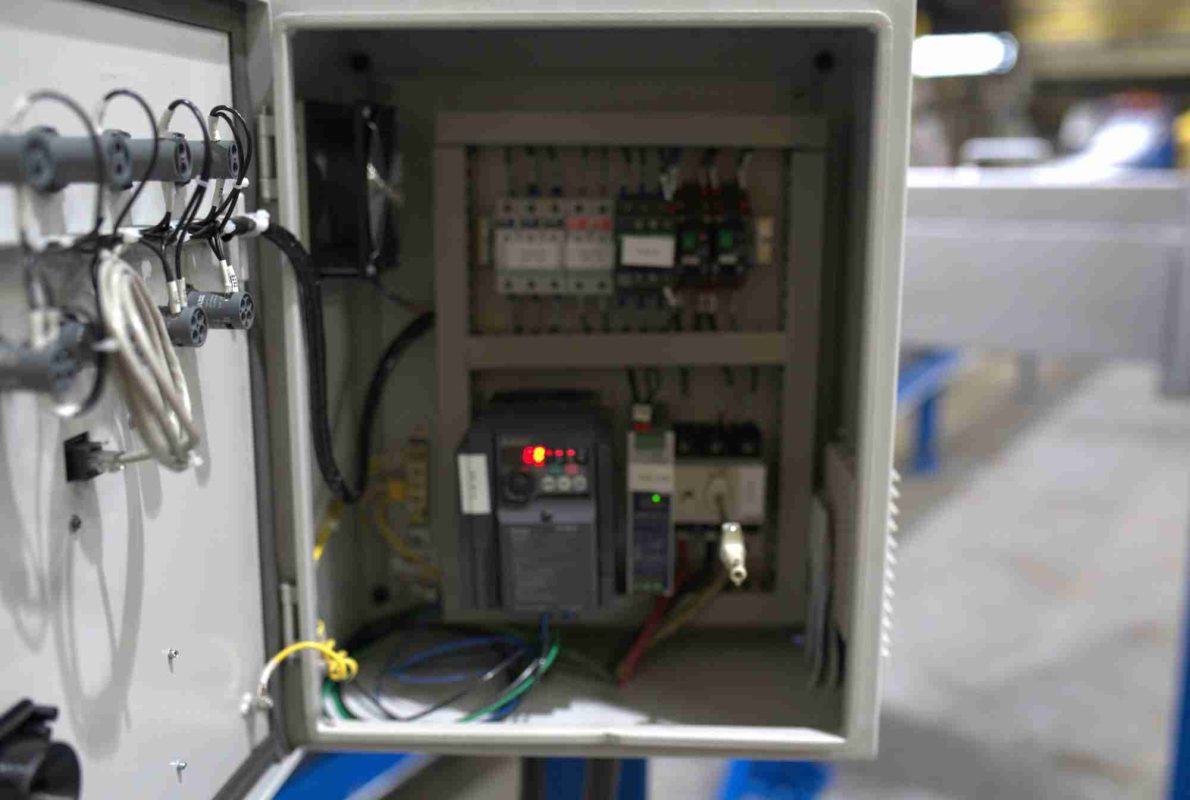
    Parallel to mechanical design, the electrical and automation teams develop the control architecture that governs the casting cycle. This includes PLC programming, temperature monitoring, mold indexing logic, safety interlocks, and optional SCADA integration for real‑time production data. The CM‑A Series is engineered to maintain consistent mold fill levels, synchronize pouring with chain movement, and ensure stable ingot weight even under fluctuating furnace conditions. The automation design ensures the machine operates with precision, repeatability, and minimal operator intervention.

    Engineering Validation and Final Approval

    The final step in Stage One is engineering validation, where the complete machine design undergoes structural analysis, thermal modeling, and safety compliance checks. The engineering team verifies that the mold chain can withstand continuous operation, that the pouring system maintains accuracy across long production cycles, and that all components meet international standards for industrial casting equipment. Only after the design is fully validated and approved does the project move forward to procurement, fabrication, and assembly.

    Ingot casting machine - Design and Engineering - Dynamo Furnaces - 05
    Ingot casting machine - Design and Engineering - Dynamo Furnaces - 06

    Let Us Make Your Next Ingot Casting Machine

    Ingot Casting Machine (CM-A)

    For virtually every production scenario, we have a dedicated type of high capacity furnace.  Be it a crucible furnace or a large tower melting furnace - we have a solution for you. 

    To experience a smooth journey from filling the information request form to having your order delivered at your factory, visit our products page.

    For More Information About This Furnace

    For More Information About Other Furnaces

    Leave a Reply

    Your email address will not be published. Required fields are marked *