Blog
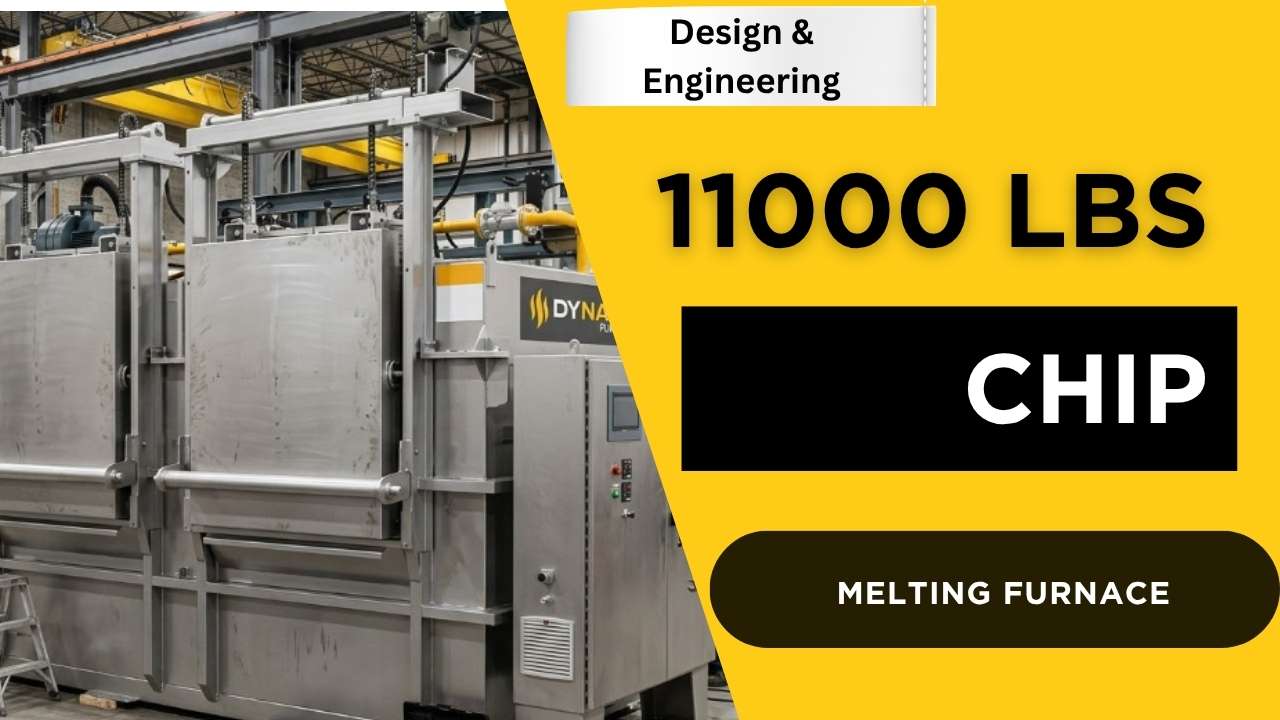
Order, Consultation, Engineering, and Design of the GM‑M‑11000 Aluminum Chip Melting Furnace
When the heavy‑machinery manufacturer from Wisconsin first approached us, their team wasn’t simply looking for another melting unit—they were searching for a reliable, high‑recovery aluminum chip melting solution that could integrate seamlessly into their machining workflow. Their operation generated a continuous stream of aluminum chips, turnings, and swarf, and they needed a furnace that could convert this material into clean molten metal with minimal oxidation, minimal labor, and predictable thermal efficiency. That initial conversation set the tone for a project built on engineering clarity, transparent communication, and a shared commitment to long‑term performance.
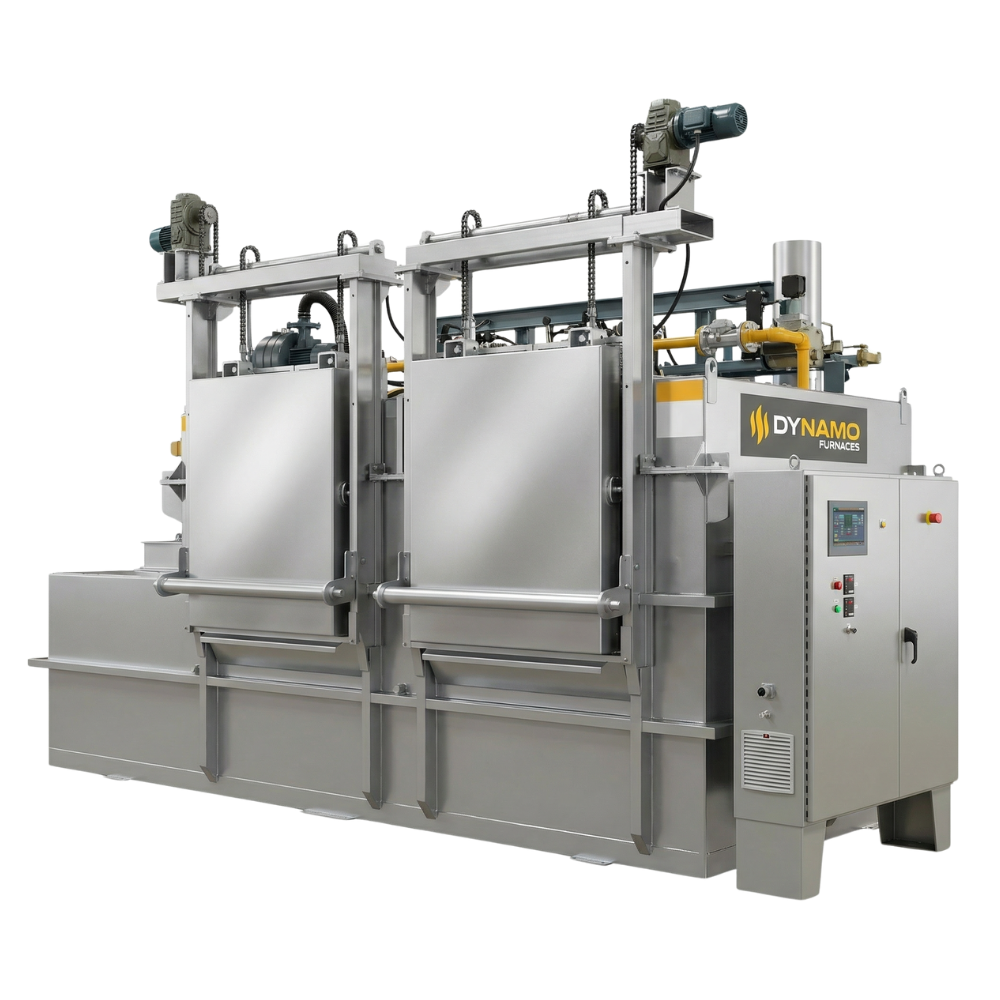
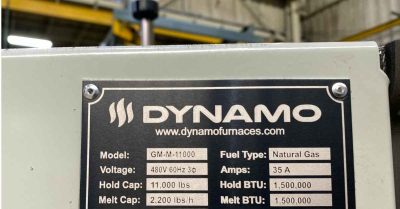
From the first consultation call, it became clear that the GM‑M‑11000 Aluminum Chip Melting Furnace was the right fit. With a holding capacity of 11,000 lbs and a melting rate of 2,200 lbs/hr, the GM‑M‑11000 offered the perfect balance of throughput, footprint, and fuel efficiency for their production environment. The customer needed a furnace that could run continuously, accept a wide range of chip geometries, and maintain metal cleanliness even when processing oily or contaminated scrap. The GM‑M Series is engineered precisely for that purpose—purpose‑built for machining centers, foundries, and secondary smelting operations that demand consistent metal recovery and low operating costs.
Get a Free Quote Now
Understanding the Application — The Consultation Phase
The project began with a detailed application review. Our engineering team met with the customer’s production supervisors, maintenance staff, and safety coordinators to map out:
Their chip generation volume
The moisture and oil content of their scrap
Their desired melt‑to‑hold ratio
Their available floor space and gas supply
Their preferred tapping and metal transfer workflow
These conversations shaped the technical direction of the furnace. The customer emphasized the need for high metal recovery, low oxidation, and stable temperature control during extended holding periods. They also required a furnace that could integrate with their existing chip processing line—washing, drying, and conveying equipment already in place.
This consultation phase ensured that the GM‑M‑11000 would not only meet their melting requirements but also enhance the efficiency of their entire recycling loop.
Engineering Review — Designing for Performance and Reliability
Once the order was confirmed, our engineering team initiated the full design review. This phase is where the GM‑M‑11000 transitions from a standard model to a customer‑specific engineered system.
The engineering review included:
Structural analysis of the furnace shell and refractory
Burner sizing and combustion efficiency modeling
Chip charging system configuration
Metal flow and bath circulation modeling
Refractory selection for thermal shock resistance
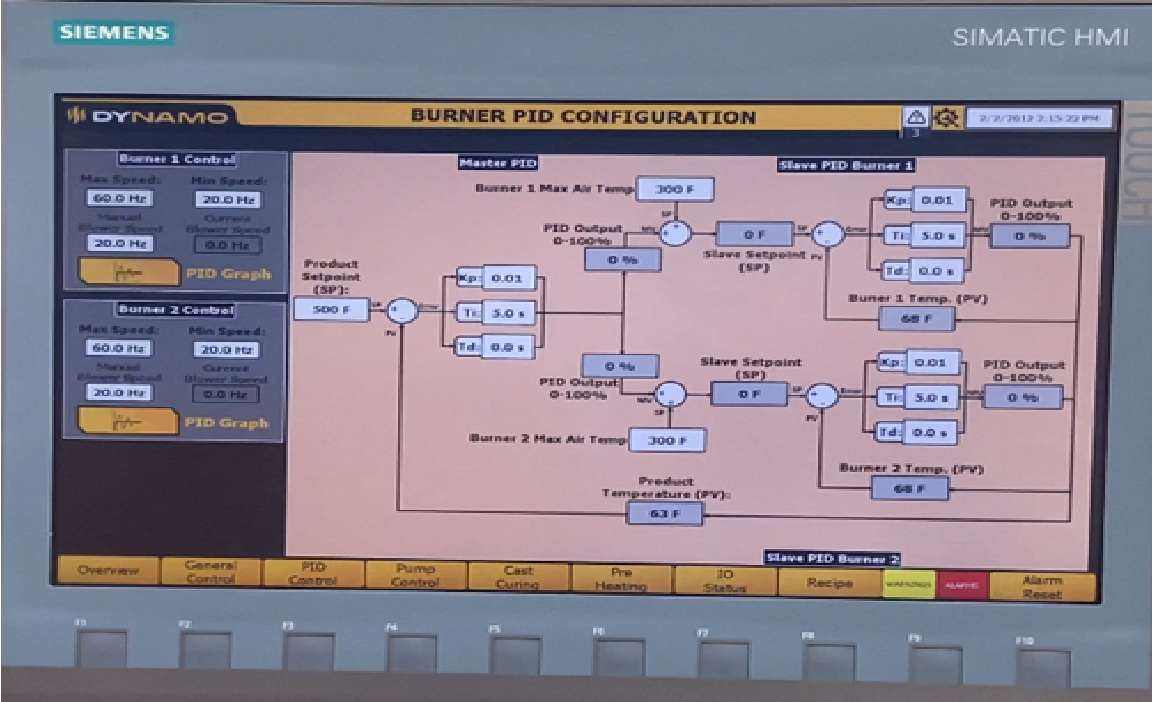
Safety interlocks, gas train design, and control logic
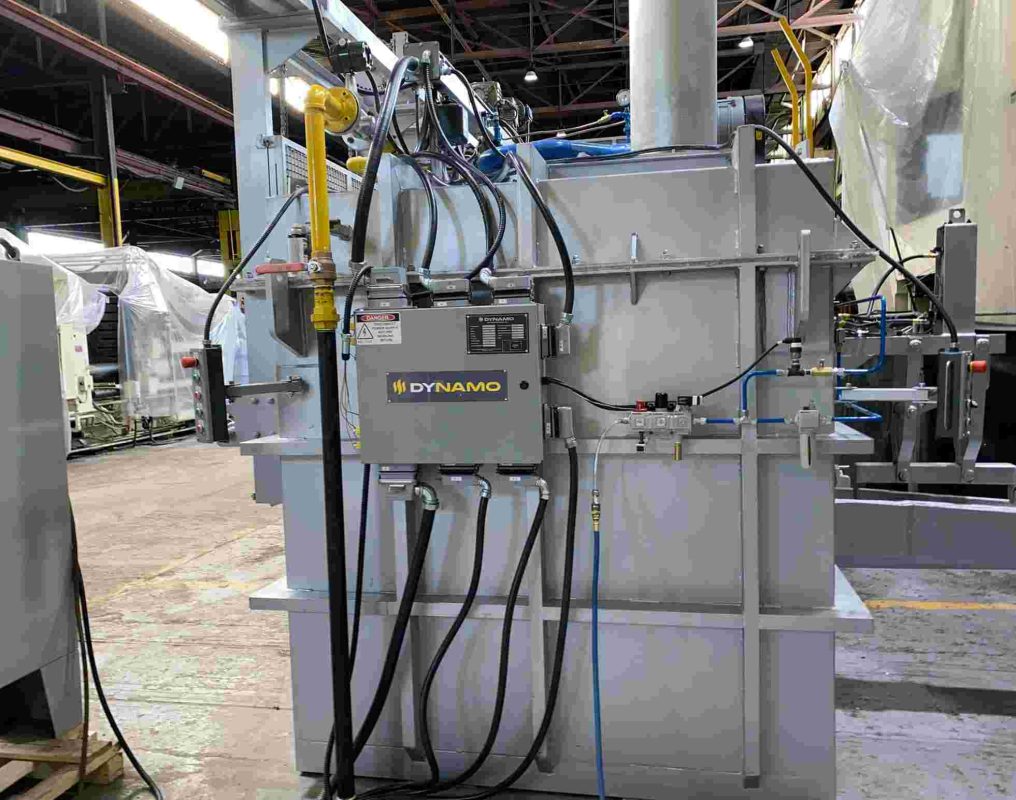
The GM‑M‑11000’s design is built around high‑efficiency gas burners, a robust refractory lining, and a chip charging system that minimizes oxidation by submerging chips quickly into the molten bath. This is critical for maximizing metal recovery—especially when processing fine or fragmented chips.
During this stage, our team also reviewed the customer’s plant utilities, confirming gas pressure, electrical supply, ventilation requirements, and floor loading. Every detail was validated to ensure a smooth installation later in the project.
Fabrication and Assembly — Bringing the GM‑M‑11000 to Life
With the engineering package approved, fabrication began. The furnace shell, steel structure, burner mounts, and refractory components were manufactured with strict dimensional tolerances. The assembly team worked through:
Shell fabrication and weld inspection
Refractory installation and curing
Burner installation and gas train assembly
Hydraulic tilting system setup (if applicable)
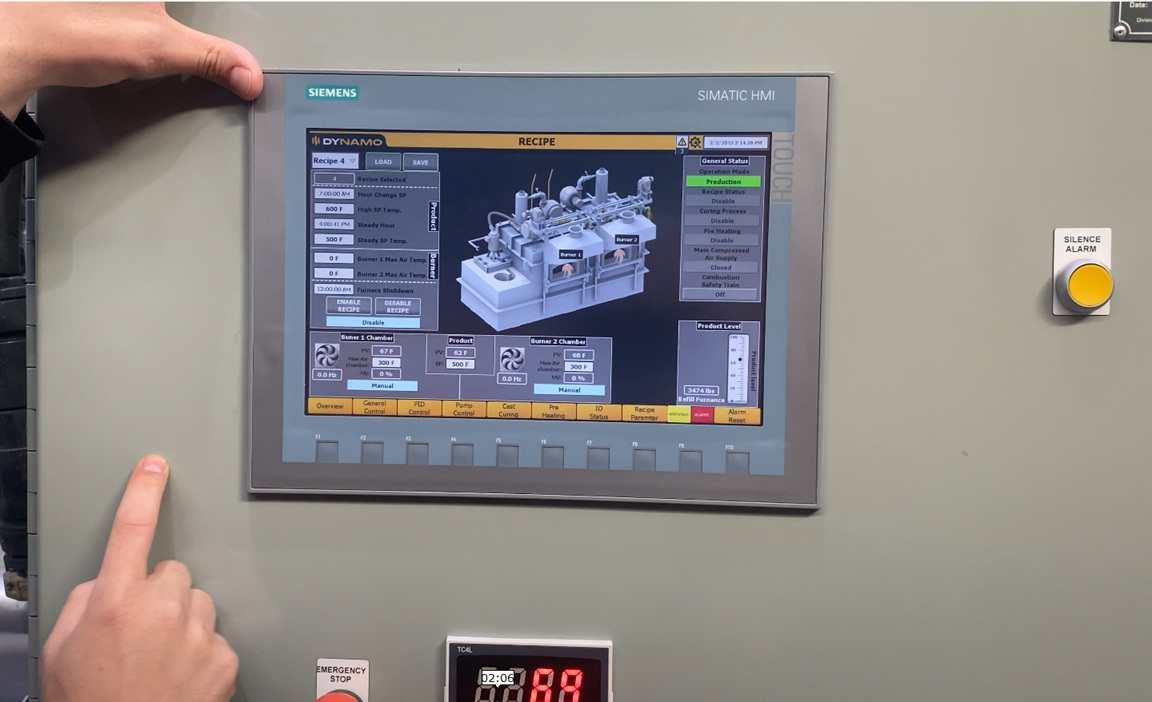
Control panel wiring and HMI programming
Chip charging system integration
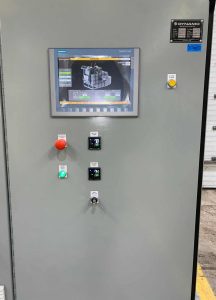
Each subsystem was tested individually before final assembly. The GM‑M‑11000’s control panel—built around industrial‑grade PLC and HMI components—was programmed to manage temperature control, burner modulation, safety interlocks, and operational diagnostics.
By the time assembly was complete, the furnace had already undergone multiple internal checks to ensure it met our performance and safety standards.
Pre‑Testing and Quality Verification
Before shipment, the GM‑M‑11000 underwent a full pre‑dispatch inspection. This included:
Gas train leak testing
Burner ignition and flame stability checks
Control logic verification
Safety interlock testing
Mechanical movement checks
Refractory curing validation
Although full melting tests occur at the customer’s site, our pre‑testing ensures that every component arrives ready for installation and commissioning.
Conclusion
Phase 1 captures the entire journey from the customer’s first inquiry to the completion of engineering, fabrication, and pre‑testing. It establishes the foundation for Phase 2, where we will cover final assembly, system integration, and factory testing, followed by Phase 3, which focuses on shipping, installation, commissioning, and operator training.
Let Us Make Your Next Furnace
For virtually every production scenario, we have a dedicated type of high capacity furnace. Be it a crucible furnace or a large tower melting furnace - we have a solution for you.
To experience a smooth journey from filling the information request form to having your order delivered at your factory, visit our products page.
For More Information About This Furnace
For More Information About Other Furnaces